Have you ever wondered if grooming your cat is really necessary? You might think cats take care of themselves, but there’s more to it than just a quick brush.
Grooming your cat can improve their health, reduce shedding, and strengthen the bond between you two. If you want your furry friend to look and feel their best, understanding the benefits of grooming is key. Keep reading to discover why grooming your cat might be one of the best things you can do for them—and for yourself.
Credit: tryfurgo.com
Benefits Of Grooming Cats
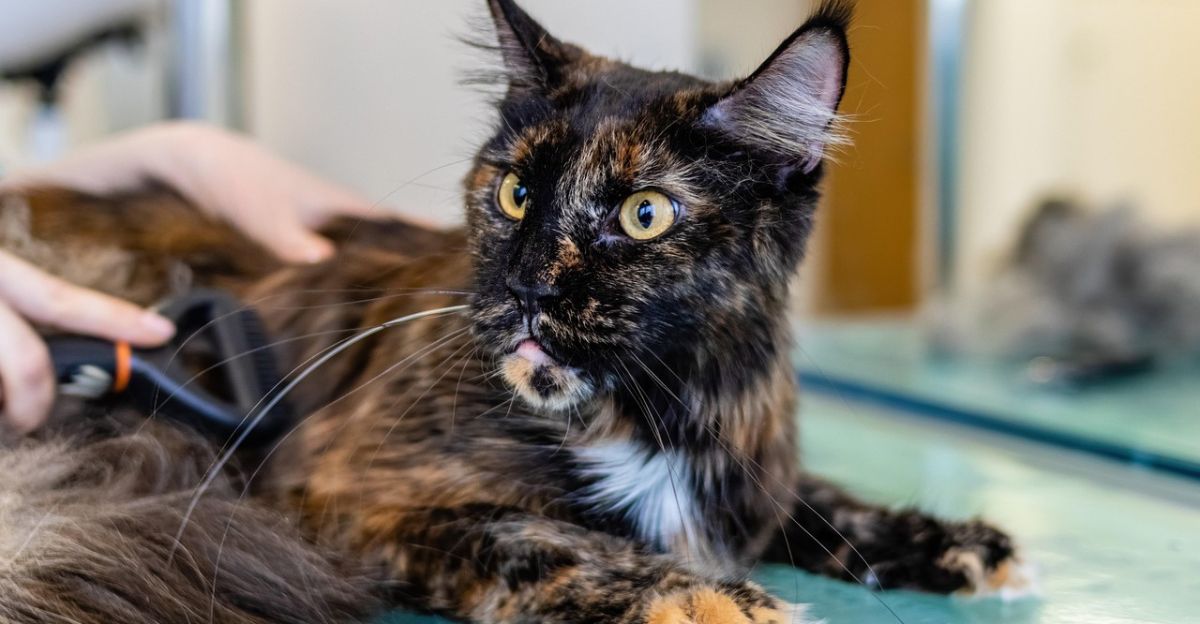
Grooming your cat offers many benefits for both you and your pet. It helps keep your cat healthy and happy. Regular grooming supports a shiny, clean coat and reduces hair around the house. It also allows you to notice any health problems early. Grooming is a simple routine that improves your cat’s quality of life.
Improved Coat Health
Brushing removes dirt and loose fur from your cat’s coat. It spreads natural oils, making the fur soft and shiny. Grooming prevents mats and tangles that can hurt your cat’s skin. A healthy coat protects your cat from weather and insects.
Reduced Shedding
Regular grooming lowers the amount of fur your cat sheds. It stops loose hairs from falling around your home. This keeps your living space cleaner and reduces allergens. Grooming is especially helpful during seasonal changes when cats shed more.
Early Detection Of Health Issues
Grooming gives you a chance to check your cat’s body closely. You may spot lumps, bumps, or skin problems early. It helps find fleas, ticks, or wounds before they get worse. Early detection means faster treatment and less pain for your cat.
Credit: www.nzherald.co.nz
Grooming Tools For Cats
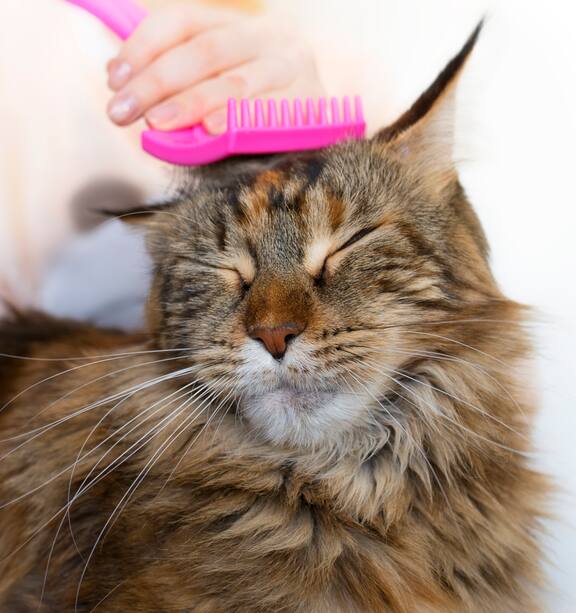
Grooming tools help keep your cat clean and healthy. Using the right tools makes grooming easier and more comfortable. Cats enjoy gentle brushing and nail care. Proper supplies prevent skin problems and reduce shedding.
Types Of Brushes
Brushes come in many styles. Each type suits different fur lengths and skin types. A slicker brush removes loose hair and dirt. A bristle brush smooths the coat and adds shine. A comb is great for detangling knots. Choose brushes with soft bristles for sensitive skin.
Nail Clippers And Their Use
Clipping nails keeps cats from scratching themselves or furniture. Use clippers designed for small pets. Trim only the sharp tips to avoid pain. Cutting nails regularly prevents overgrowth and infections. Hold your cat gently and stay calm to avoid stress.
Cleaning Supplies
Cleaning supplies keep your cat fresh and healthy. Use pet-safe wipes to clean eyes and ears. A damp cloth can remove dirt from fur. Avoid harsh chemicals that irritate the skin. Regular cleaning helps prevent infections and bad odors.
How Often To Groom Your Cat
Regular grooming helps keep your cat’s coat clean and healthy. Brushing once or twice a week reduces hairballs and prevents matting. Short-haired cats may need less grooming than long-haired ones.
How Often to Groom Your Cat Grooming your cat is not just about keeping them looking good; it’s essential for their health. But how often should you groom your furry friend? The answer depends on various factors, including their coat type, lifestyle, and even their age. Regular grooming helps to prevent matting, reduces shedding, and can be a bonding experience for you and your cat.Factors Influencing Frequency
The frequency of grooming can be influenced by several factors. If your cat is an outdoor adventurer, they might need more frequent grooming due to dirt and debris. Age is another factor; older cats may not groom themselves as effectively, requiring a bit more assistance from you. Health conditions can also play a role. Cats with certain skin conditions or allergies might benefit from more frequent grooming to keep their skin healthy. Always pay attention to your cat’s behavior and adjust grooming habits accordingly.Grooming For Different Coat Types
Different coat types require different grooming routines. Short-haired cats might only need grooming once a week, as their fur is less prone to tangling. On the other hand, long-haired breeds like Persians may need daily grooming to prevent mats and tangles. Even within short-haired cats, some may shed more than others, requiring more frequent attention. Use the right tools for your cat’s coat type, such as a slicker brush for long-haired cats and a bristle brush for short-haired ones. Have you ever noticed how relaxed your cat becomes during a grooming session? It’s a great way to strengthen your bond. By tailoring the grooming routine to your cat’s specific needs, you ensure their comfort and well-being, while also making grooming an enjoyable part of your routine.
Credit: justcatsclinic.com
Step-by-step Grooming Routine
Grooming your cat is essential for its health and happiness. A simple routine keeps fur clean and skin healthy. It also reduces hairballs and matting. Regular grooming builds trust and strengthens your bond. Follow these clear steps for a smooth grooming session.
Brushing Techniques
Use a brush suited to your cat’s fur type. Soft brushes work well for short hair. Long-haired cats need a comb or slicker brush. Brush gently in the direction of fur growth. Start at the head and move to the tail. Pay attention to areas behind ears and under the legs. Remove loose hair and dirt with each stroke. Brush daily for long-haired cats and twice a week for short-haired ones.
Bathing Tips
Bathing is needed only if your cat is very dirty. Use lukewarm water and a mild cat shampoo. Place a non-slip mat in the sink or tub. Wet your cat slowly, avoiding the face. Apply shampoo gently, lathering the body. Rinse thoroughly to remove all soap. Dry with a soft towel and keep your cat warm. Speak softly to keep your cat calm. Limit baths to once a month or less.
Nail Trimming Guidance
Use a special cat nail clipper for safety. Hold your cat gently but firmly. Press the paw to extend the nails. Cut only the sharp tip, avoiding the pink quick. Trim nails every two to three weeks. If you see redness or bleeding, stop trimming. Offer treats after trimming to create a positive experience. Keep nail trimming short and calm to reduce stress.
Common Grooming Challenges
Grooming a cat is not always easy. Cats have unique needs and personalities. Some cats dislike being touched or brushed. Others have fur that tangles easily. Grooming can cause skin problems if done incorrectly. Understanding common grooming challenges helps keep cats happy and healthy.
Dealing With Resistant Cats
Many cats resist grooming. They may scratch or run away. Patience and calmness are key. Use gentle strokes and soft voices. Try short sessions to avoid stress. Offer treats to create positive experiences. Respect your cat’s limits and try again later.
Handling Matted Fur
Matted fur causes discomfort and skin issues. Use a wide-tooth comb to loosen mats. Work gently to avoid hurting your cat. For severe mats, seek help from a professional groomer. Regular brushing prevents mats from forming. Check hidden areas like under legs and behind ears.
Avoiding Skin Irritations
Skin irritations can result from harsh grooming tools. Choose soft brushes suitable for your cat’s fur type. Avoid pulling or tugging on tangles. Keep grooming tools clean to prevent infections. Stop grooming if you see redness or sores. Consult a vet for persistent skin problems.
When To Seek Professional Help
Knowing when to seek professional help for grooming your cat can save both you and your feline friend from unnecessary stress. While regular home grooming is great, some situations call for an expert’s touch. Paying attention to certain signs can guide you in making the right decision for your cat’s comfort and health.
Signs You Need A Groomer
Has your cat’s fur become tangled or matted beyond your ability to manage? Matted fur can cause pain and skin problems if left untreated. If you notice your cat scratching excessively or developing bald patches, it might be time to get professional help.
Does your cat seem unusually stressed or aggressive during grooming sessions? Some cats simply don’t tolerate home grooming well, making professional groomers a safer option. Also, if your cat has long or thick fur that requires special tools or techniques, a groomer can provide the care your cat needs.
Health issues like skin infections, wounds, or flea infestations are also clear signals. Groomers trained to handle such cases can ensure proper treatment while minimizing discomfort.
Choosing A Professional Groomer
Finding a groomer who understands cats is crucial. Look for someone with experience and positive reviews from cat owners. Don’t hesitate to ask about their training and how they handle anxious or aggressive cats.
Visit the grooming facility beforehand to check cleanliness and how staff interact with animals. A calm environment can make a big difference in your cat’s grooming experience. Also, inquire about the products they use—your cat’s skin may be sensitive to certain shampoos or conditioners.
Consider asking if they offer a trial session or short grooming appointment. This can help your cat get used to the process without overwhelming them. Remember, your cat’s well-being should always come first.
Frequently Asked Questions
Why Is Grooming Important For Cats?
Grooming keeps cats clean and reduces hairballs. It prevents matting and skin issues. Regular grooming also strengthens your bond with your cat.
How Often Should I Groom My Cat?
Most cats benefit from grooming once or twice a week. Long-haired cats need more frequent brushing to avoid mats and tangles.
Can Grooming Improve My Cat’s Health?
Yes, grooming helps detect skin problems, parasites, and injuries early. It promotes healthy fur and reduces shedding around the home.
What Tools Are Best For Cat Grooming?
Use a soft-bristle brush for short-haired cats and a comb or slicker brush for long-haired breeds. Nail clippers and grooming wipes also help.
Conclusion
Grooming your cat helps keep its coat clean and healthy. It reduces hairballs and prevents mats and tangles. Regular brushing also strengthens the bond between you and your pet. Cats feel calmer and less stressed during grooming. It is a simple way to check for skin problems or fleas.
Overall, grooming supports your cat’s comfort and wellbeing. Small daily efforts make a big difference in your cat’s life. Try to make grooming a pleasant routine for both of you. Your cat will thank you with purrs and happy behavior.



Leave a Reply