Wondering how long you should spend grooming your cat? You’re not alone.
Grooming is more than just keeping your pet looking good—it’s about their health and happiness too. But too little or too much time spent can make a difference. You’ll discover the perfect grooming routine tailored to your cat’s needs. Keep reading to find out how to make grooming easy and enjoyable for both you and your furry friend.
Cat Grooming Basics
Grooming your cat is essential for their health and happiness. It helps keep their coat clean and free from mats. Grooming also reduces shedding and hairballs. Regular grooming strengthens the bond between you and your cat. Understanding the basics of grooming makes the process easier and more effective.
Why Grooming Matters
Grooming removes dirt, loose hair, and debris from your cat’s coat. It prevents painful mats and tangles that can trap moisture and dirt. Grooming boosts blood circulation and skin health. It helps spot skin problems or parasites early. Cats that are groomed regularly tend to be less stressed and more comfortable.
Grooming Frequency Factors
Different cats need grooming at different times. Long-haired cats require daily brushing to avoid mats. Short-haired cats may only need grooming once a week. Cats that spend time outdoors might need more frequent grooming. Age, health, and activity level also affect how often to groom your cat. Watch your cat’s coat and behavior to decide the best schedule.
Breed And Coat Types
Understanding your cat’s breed and coat type is key to deciding how often and how long you should groom them. Different coats have different needs, and knowing these can save you time and keep your feline friend comfortable. Let’s look at how grooming varies across short-haired, long-haired, and hairless cats.
Short-haired Cats
Short-haired cats usually need less grooming, but that doesn’t mean skipping it altogether. Brushing them once or twice a week helps remove loose hairs and reduces shedding around your home.
Think about your own experience with a short-haired cat. Did you notice how a quick brush calmed them down? That’s because grooming stimulates their skin and strengthens your bond.
If your cat sheds heavily during seasonal changes, increase grooming sessions to daily for a week or two. This helps prevent hairballs and keeps their coat shiny.
Long-haired Cats
Long-haired cats demand more attention. Their fur can easily tangle and mat, causing discomfort and skin problems.
Daily brushing is often necessary to keep their coat smooth and healthy. Use a wide-toothed comb or a slicker brush to gently work through knots.
Have you ever seen a long-haired cat with matted fur? It’s not just unsightly—it can lead to painful skin infections. Regular grooming avoids this risk.
Hairless Cats
Hairless cats like the Sphynx might seem low-maintenance, but they actually require regular grooming too.
Without fur to absorb oils, their skin can get greasy and dirty. Wiping them down with a damp cloth or giving them a gentle bath every one to two weeks keeps their skin clean.
Do you know that hairless cats also need nail trimming and ear cleaning more frequently? Grooming isn’t just about fur—it’s about overall care.
Age And Health Considerations
Understanding how long to groom your cat can significantly enhance their well-being, especially when age and health are factored in. Cats, much like humans, have different grooming needs as they progress through various life stages. Tailoring your grooming routine according to your cat’s age and health can ensure they’re comfortable, clean, and happy.
Kittens And Senior Cats
Kittens require gentle and short grooming sessions. Their delicate skin and playful nature mean they might not sit still for long. A five-minute session, focusing on getting them used to the brush, is a good start.
With senior cats, patience is key. They may suffer from arthritis or other ailments, making movement painful. A ten-minute session, concentrating on the areas they struggle to reach, helps maintain their coat without causing distress.
Cats With Skin Conditions
Cats with skin conditions need special attention during grooming. Regular, short sessions can help monitor any changes in their skin. Use a soft brush to avoid irritation and consult your vet for recommended grooming products.
If your cat has a specific condition like fleas or dermatitis, grooming can become part of their treatment plan. Consistent grooming helps to alleviate itching and remove allergens. Always observe your cat’s comfort level, as forcing them can cause stress.
Have you noticed any changes in your cat’s skin or coat? Your observations during grooming can be crucial for their health.
Credit: petdirect.co.nz
Grooming Tools And Techniques
Grooming a cat requires the right tools and techniques to keep their coat healthy and shiny. Using proper brushes and learning how to brush efficiently saves time and makes grooming more pleasant for your pet. The right approach helps remove loose fur, dirt, and prevents matting.
Choosing The Right Brushes
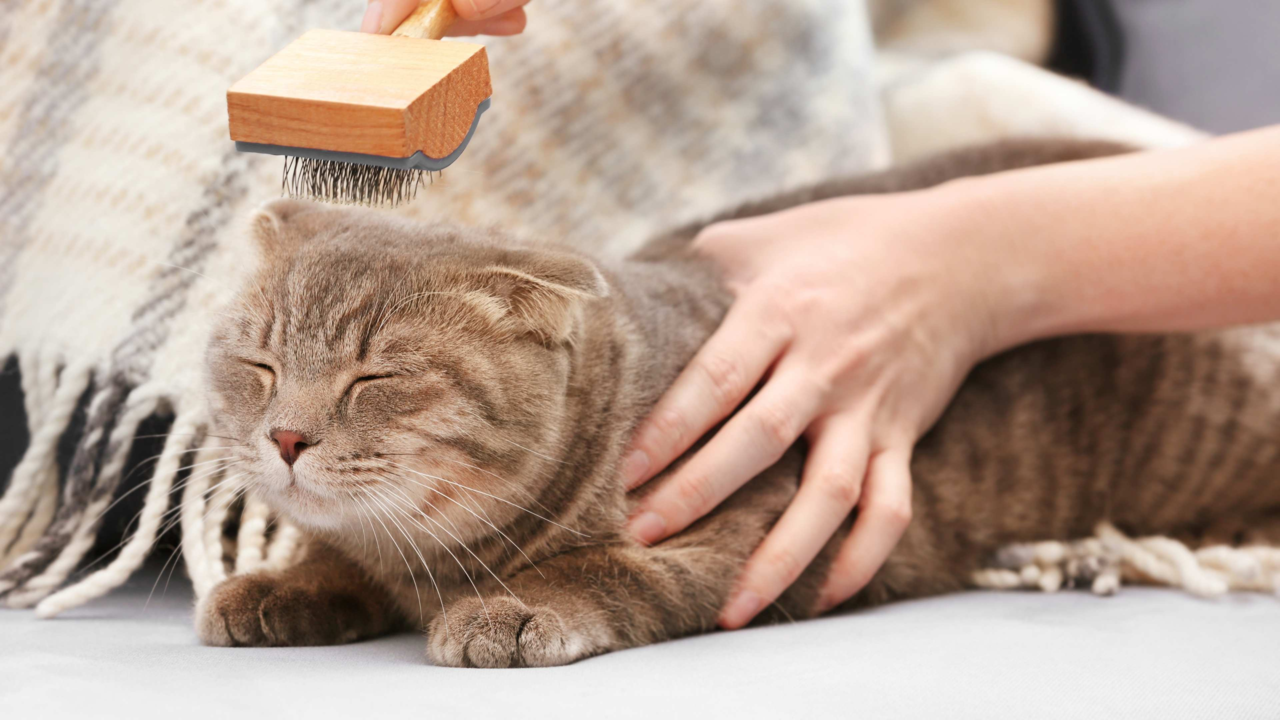
Select brushes based on your cat’s fur type and length. Short-haired cats benefit from rubber brushes that remove loose hair gently. Long-haired cats need wide-toothed combs or slicker brushes to detangle knots. Fine-toothed combs help catch fleas and remove debris. Soft bristle brushes add shine and smooth the coat. Invest in quality tools to avoid hurting your cat’s skin.
Brushing Tips For Efficiency
- Brush in the direction of hair growth to avoid discomfort.
- Start with gentle strokes, especially if your cat is nervous.
- Focus on common problem areas like behind ears and under legs.
- Use slow, steady movements to detangle without pulling.
- Keep grooming sessions short but regular to build trust.
- Reward your cat with treats or praise after grooming.
Signs Your Cat Needs More Grooming
Knowing when your cat needs extra grooming helps keep them healthy and happy. Cats can’t always tell us when they feel uncomfortable. Watching for signs can prevent skin problems and pain. Grooming often improves their mood and coat shine. Pay close attention to changes in your cat’s fur and skin condition.
Matting And Tangles
Mats form when fur sticks together tightly. They pull on your cat’s skin and cause pain. Cats with long or thick fur get mats easier. You may see clumps of fur that don’t brush out. Mats hide dirt and moisture, which cause skin infections. Regular grooming stops mats from forming and keeps fur soft.
Excess Shedding
Shedding is normal, but too much means grooming is needed. Loose fur on furniture or clothes shows your cat sheds a lot. Excess shedding can cause bald spots or itchy skin. Grooming removes dead hair and reduces shedding inside your home. It also helps your cat feel cleaner and more comfortable.

Credit: www.purina.com
Making Grooming Enjoyable
Grooming your cat should be a calm and pleasant time. Cats feel sensitive to touch and sounds. Making grooming enjoyable helps build trust and makes future sessions easier.
Patience and gentle care create a positive experience. Watch your cat’s signals and stop if they feel stressed. Small, regular grooming sessions work best for most cats.
Creating A Calm Environment
Choose a quiet room with little noise or distractions. Soft lighting helps your cat feel safe and relaxed. Use a comfortable surface like a soft towel or blanket.
- Speak softly to soothe your cat
- Keep grooming tools close at hand
- Limit sudden movements
Routine matters. Groom your cat at similar times daily. This builds a sense of security and expectation. A calm space reduces anxiety and helps your cat stay still.
Rewarding Your Cat
Rewards encourage good behavior during grooming. Use treats your cat loves, but give small amounts. Praise your cat gently with soft words and petting.
- Offer a treat after brushing
- Give extra pets or head scratches
- Use a favorite toy to distract
Positive rewards make grooming a happy event. Your cat will learn to look forward to these sessions. Rewards help create a strong bond between you and your cat.
When To Seek Professional Grooming
Knowing when to seek professional grooming for your cat can save you a lot of stress and keep your feline friend comfortable. Some grooming tasks are better left to experts who have the right tools and experience. But how do you decide when it’s time to call in a pro?
Difficult Grooming Situations
Some cats simply don’t cooperate during grooming. If your cat becomes aggressive or overly anxious, professional groomers can handle them safely. Groomers know how to calm nervous cats and avoid scratches or bites.
Long-haired breeds with severe mats are another tricky situation. Trying to cut out mats yourself can hurt your cat or cause skin irritation. Groomers have special tools to remove mats gently and prevent further damage.
Have you ever noticed your cat’s nails grow too long despite your best efforts? Professionals can trim nails quickly and safely, even on cats who resist at home. This reduces the risk of painful nail breaks or infections.
Health-related Grooming Needs
Sometimes grooming is needed because of health issues. Cats with arthritis may find it hard to clean themselves properly, leading to greasy or matted fur. A groomer can help keep your cat clean and comfortable when mobility is a problem.
Skin conditions or allergies might require special shampoos or treatments you don’t have at home. Professionals can apply these safely and monitor your cat’s skin for any changes. This helps prevent infections and speeds up healing.
Older cats or those recovering from surgery often benefit from professional grooming. It reduces stress on their bodies and helps maintain hygiene when they can’t groom well on their own. Would you want to risk hurting your cat by struggling through grooming alone?
)
Credit: www.northroadvet.com.au
Frequently Asked Questions
How Often Should I Groom My Cat?
Grooming frequency depends on your cat’s coat type. Short-haired cats need grooming once a week. Long-haired cats require daily or every-other-day sessions to prevent mats and tangles. Regular grooming keeps your cat’s coat healthy and reduces shedding.
How Long Does A Typical Cat Grooming Session Last?
A typical grooming session lasts 5 to 15 minutes. Short-haired cats usually need less time, about 5 minutes. Long-haired cats require longer sessions, up to 15 minutes, to thoroughly brush and detangle their fur.
Can Grooming Too Long Stress My Cat?
Yes, grooming for too long can stress your cat. Keep sessions short and gentle. Watch for signs of discomfort and stop if your cat becomes anxious. Short, frequent grooming is better than long, infrequent sessions.
What Tools Should I Use For Grooming My Cat?
Use a slicker brush for long hair and a bristle brush for short hair. A comb helps remove tangles and loose fur. Nail clippers and grooming wipes can also be useful during grooming sessions.
Conclusion
Grooming your cat regularly keeps their coat clean and healthy. Short sessions, about 5 to 10 minutes, work best for most cats. Pay attention to your cat’s comfort and mood during grooming. Consistency matters more than long grooming times. Cats enjoy gentle brushing, which helps reduce shedding and hairballs.
Make grooming a calm and positive time for your pet. This simple routine supports your cat’s overall well-being. Keep grooming easy and enjoyable for both you and your cat.

Leave a Reply