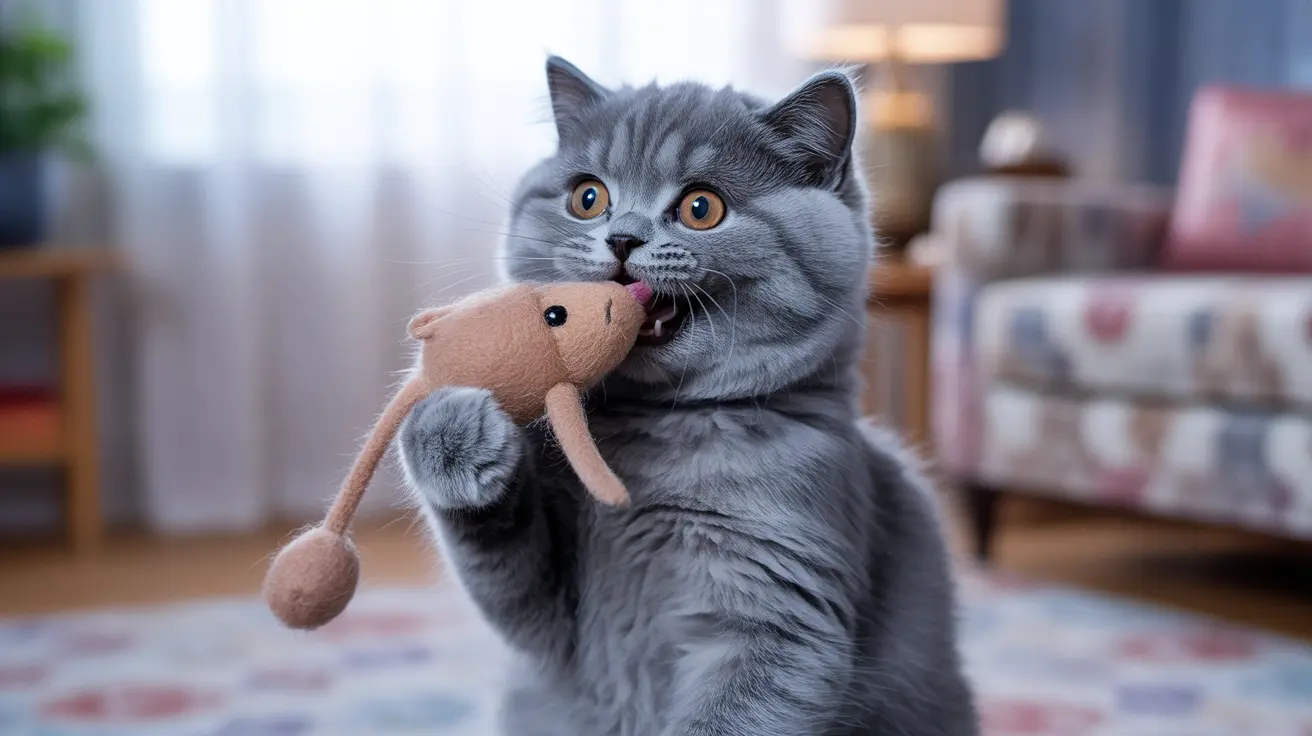
Have you ever noticed your cat meowing while playing with a toy and wondered why? It’s a curious behavior that many cat owners see but don’t fully understand.
Your furry friend’s meow during playtime isn’t just random noise—it’s a way they communicate their feelings, excitement, or even frustration. Understanding why your cat meows with their toy can help you connect better with them and make playtime more enjoyable for both of you.
Keep reading to discover the surprising reasons behind this behavior and learn how to respond in a way that strengthens your bond.

Credit: www.reddit.com
Cat Communication Basics
Cats use meows and sounds to talk with humans and other cats. These sounds show what they want or feel. Understanding cat communication helps us know why cats meow with toys. It shows their mood and thoughts.
Different Types Of Meows
Cats have many meows. Each one means something different. Some common types include:
- Short meows: A simple greeting or attention call.
- Long meows: Often used to ask for something.
- Repeated meows: Show excitement or demand.
- Low-pitched meows: Indicate annoyance or discomfort.
- High-pitched meows: Express happiness or eagerness.
Each meow changes with context and cat personality.
Purpose Of Vocalizations
Cats use sounds to express needs and emotions. Vocalizing helps cats:
- Ask for food or playtime.
- Show happiness or frustration.
- Get attention from owners.
- Communicate during play or hunting.
When a cat meows with a toy, it may be sharing excitement or inviting interaction.

Credit: www.amazon.com
Meowing At Toys
Have you ever noticed your cat meowing while playing with a toy? This curious behavior often puzzles cat owners. Understanding why cats vocalize during play can help you better connect with your furry friend and enhance their playtime experience.
Imitating Prey Sounds
Cats use meowing to mimic the sounds of their natural prey. When your cat chases a toy, the meow might be an attempt to replicate the noises small animals make. This adds a layer of realism to their hunting game and keeps them mentally sharp.
Think about the last time you heard your cat meow at a moving toy mouse. That sound often signals their instinct kicking in, making playtime more engaging and satisfying for them.
Seeking Attention Or Interaction
Your cat may meow at a toy to get your attention. They want you to join the fun or notice what they’re focused on. This is their way of saying, “Hey, look at me!” or “Play with me!”
If you respond by engaging with the toy alongside your cat, you build a stronger bond. Have you tried tossing the toy a little or making it move differently when they meow? It often sparks even more excitement.
Expressing Excitement Or Frustration
Sometimes, meowing during play shows your cat’s emotions. Excitement can make them vocal as they chase and pounce. Conversely, a quick, sharp meow might indicate frustration if the toy is hard to catch.
Observe your cat’s body language alongside the meows. Are they eager and purring, or tense and pacing? This can guide you in adjusting the play to match their mood and keep them happy.
Emotional Triggers
Understanding why your cat meows while playing with a toy often boils down to emotional triggers. Cats don’t meow randomly; their vocalizations can reveal a range of feelings and needs. Recognizing these emotional cues can help you respond better to your cat’s behavior and strengthen your bond.
Playtime Stimulation
When your cat meows during play, it’s often a sign of excitement and engagement. The toy triggers their hunting instincts, and the meow can be a way to express that thrill. Have you noticed how your cat’s vocal pitch changes when they pounce or chase? This shows they’re fully immersed in the moment.
Sometimes, a meow can be your cat’s way of inviting you to join the fun. If you respond by playing together, it reinforces their positive emotions. Don’t ignore these vocal invitations—they’re your cat’s way of saying, “Let’s keep playing!”
Stress And Anxiety Signals
Not all meows during play are joyful. Some cats vocalize because they feel stressed or anxious. If your cat suddenly starts meowing more than usual, especially if the tone sounds urgent or distressed, it might be signaling discomfort.
Changes in the environment, unfamiliar toys, or even your mood can cause this reaction. Watch for other signs like hiding or avoidance. How do you usually react when your cat meows under stress? Your calm presence can help soothe their anxiety.
Behavioral Patterns
Cats often meow when playing with toys due to specific behavioral patterns. These patterns reveal how cats communicate and interact with their environment. Understanding these behaviors helps pet owners respond better to their cats’ needs. The meowing is not random but a form of expression.
These behaviors develop over time and show how cats learn from their surroundings. The sounds they make with toys can indicate excitement, attention-seeking, or an attempt to communicate with their owners. Observing these patterns provides insight into feline habits and emotions.
Learned Responses
Cats learn to meow with toys through repeated experiences. If meowing leads to fun or interaction, they repeat it. This sound becomes a way to get attention or invite play.
Young cats often mimic adult cats or learn from their environment. Over time, meowing during play becomes a habit. This learned response helps cats express their feelings clearly.
Reinforcement From Owners
Owners’ reactions strongly influence a cat’s meowing behavior. When owners respond by playing or talking back, cats feel encouraged to meow more. This positive reinforcement strengthens the behavior.
Ignoring the meow might reduce the frequency, while attention increases it. Cats quickly understand which sounds bring rewards or affection. This interaction shapes their vocal habits during playtime.
Tips To Manage Toy-related Meowing
Cats often meow with toys to express excitement or ask for attention. Understanding this helps reduce unwanted noise and keeps playtime enjoyable. Offering regular play sessions and positive feedback can calm your cat’s meowing during toy interaction.
Cats meowing with toys can be cute, yet puzzling. Understanding their behavior helps manage it effectively. Here are some tips to manage toy-related meowing and foster a positive environment for your feline friend.Encouraging Positive Play
Create a dedicated playtime schedule for your cat. Consistent play sessions can help reduce meowing. Use a variety of toys to keep them engaged. Rotate the toys weekly to maintain their interest. Interactive toys can stimulate your cat’s mind and body. Consider using puzzle feeders to make playtime rewarding.Reducing Unwanted Vocalizations
Avoid responding to meowing with attention. This reinforces the behavior. Instead, wait for silence before engaging with your cat. Gradually increase the duration between meows and attention. Ensure your cat has enough mental and physical stimulation. A tired cat is less likely to meow excessively. Provide a comfortable, quiet space for relaxation. This helps reduce stress-induced vocalizations.
Credit: www.amazon.com
Frequently Asked Questions
Why Does My Cat Meow While Playing With Toys?
Cats meow during play to communicate excitement or seek attention. It shows their engagement and mimics hunting sounds. This vocalization helps them express emotions and connect with their owner during interactive play sessions.
Do Cats Meow To Express Frustration With Toys?
Yes, cats may meow if a toy is hard to catch or move. This vocalization signals mild frustration or a challenge, motivating them to continue playing and improving their hunting skills.
Can A Cat’s Meow Mean It Wants You To Join Play?
Absolutely, cats often meow to invite their owner to participate. This behavior encourages interaction and strengthens the bond between cat and human during playtime.
Is Meowing Normal When A Cat Plays With New Toys?
Yes, meowing is common as cats explore new toys. It reflects curiosity and excitement, helping them communicate their feelings while adapting to unfamiliar objects.
Conclusion
Cats meow with toys to share excitement and seek attention. They want to play and communicate their joy. This behavior shows they feel happy and curious. Understanding this helps build a stronger bond with your pet. Watch your cat’s meows and respond with care.
Enjoy the playful moments and learn what your cat needs. Every meow tells a little story. Stay patient and keep the playtime fun.




Leave a Reply