
Are you thinking about breeding cats or just curious about what it really involves? Understanding cat breeding is more than just pairing two cats together.
It’s about knowing the health, care, and responsibilities that come with it. If you want to make sure your cats stay safe and healthy, and if you’re ready to learn what it takes to be a responsible breeder, this article is for you.
Keep reading to discover the key facts and expert tips you need to know before taking the next step.
Credit: thelittlecarnivore.com
Choosing The Right Cat
Choosing the right cat for breeding is more than just picking a cute feline. It sets the foundation for healthy kittens and a successful breeding journey. Your choice impacts future generations and the well-being of the cats involved.
Selecting Healthy Breeding Cats
Health should be your top priority when selecting breeding cats. Look for cats with clear eyes, clean ears, and a shiny coat—signs of good health. Ask for veterinary records to check for vaccinations, parasites, and any hereditary issues.
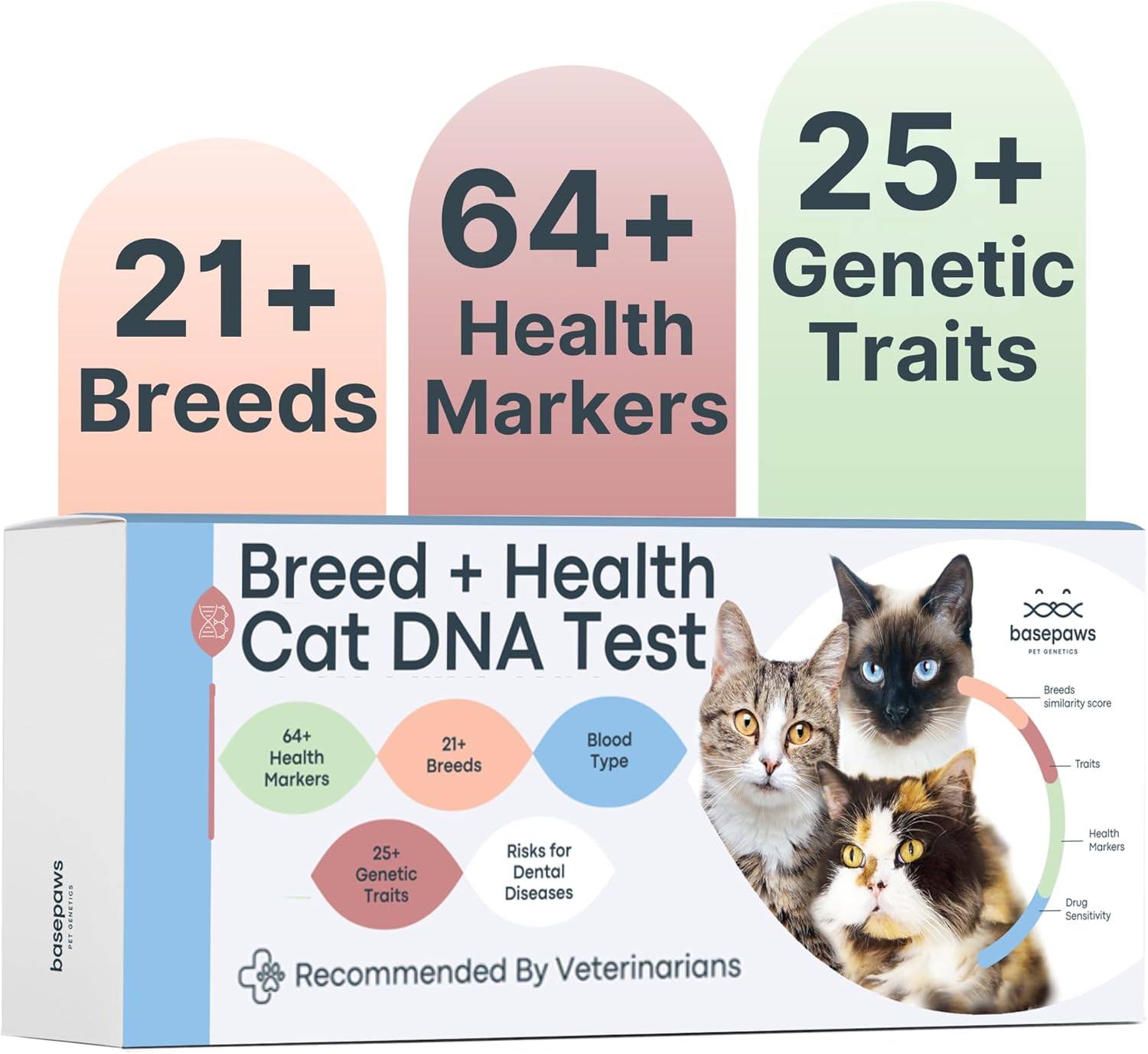
Genetic testing is crucial. It helps avoid passing on diseases like hypertrophic cardiomyopathy or polycystic kidney disease. Remember, a healthy cat breeds healthier kittens, reducing emotional and financial stress down the line.
Considering Breed Characteristics
Each cat breed has unique traits, from size to coat type and activity level. Understand these characteristics to match your breeding goals. Are you aiming for show cats, pets, or working cats? Your choice should reflect this purpose.
Consider how the breed fits your lifestyle and resources. Some breeds require more grooming or have specific dietary needs. You want to ensure you can meet these demands comfortably before proceeding.
Evaluating Temperament And Behavior
Temperament is often overlooked but crucial in breeding. Calm and friendly cats usually produce kittens with better social skills. Spend time observing the cat’s behavior around people and other animals.
Ask yourself: Will this cat be a good role model for its kittens? Aggressive or overly shy cats can pass these traits on, making future homes challenging. Choose cats with balanced, predictable behavior to support happier, well-adjusted litters.
Credit: www.rover.com
Preparing For Breeding
Preparing for cat breeding requires careful thought and planning. Breeding healthy cats means attention to many details. Focus on health, timing, and the environment to help your cats thrive.
Health Checks And Vaccinations
Start with a full health check for both cats. The vet will check for diseases and parasites. Vaccinations must be up to date to prevent illness. Testing for genetic conditions can avoid passing problems to kittens. Healthy cats have a better chance of safe pregnancy and strong kittens.
Optimal Breeding Age And Timing
Breeding at the right age is key. Female cats should be at least one year old. Males can breed from six months, but waiting longer is better. Breeding too early or too late can cause health problems. Cats are most fertile during their heat cycle, usually every two to three weeks in spring and summer. Tracking cycles helps choose the best time.
Creating A Safe Environment
The breeding area must be calm and clean. Provide a quiet, warm space for mating and birth. Use soft bedding to keep cats comfortable. Keep the area free from hazards and loud noises. Limit visitors to reduce stress. A safe environment supports healthy behavior and kitten growth.
Breeding Process Basics
Understanding the basics of cat breeding is essential if you’re considering this journey. It involves careful observation, timing, and a good grasp of feline behavior. Knowing the right signs and how to support your cats through the process can increase the chances of a healthy and successful outcome.
Signs Of Heat In Female Cats
Female cats in heat show clear signs that signal the right time for breeding. You might notice your cat becoming unusually vocal, rubbing against furniture, or showing restlessness. These behaviors usually start a few days into the heat cycle and can last up to a week.
Physical signs include a swollen vulva and increased affection towards people or other pets. Tracking these signs helps you know when to introduce the male cat. Have you ever observed your cat’s change in behavior during heat? Paying attention here is your first step.
Mating Techniques And Tips
Introducing the male and female cats should be done carefully to avoid stress or injury. Start by allowing them to sniff each other through a barrier before any direct contact. This helps both cats get comfortable.
During mating, keep the environment calm and quiet. Avoid forcing the cats to mate; let them take their time. Sometimes, male cats may bite the female’s neck to hold her during mating—this is natural, but always monitor to ensure no harm occurs.
Patience is key. If the cats don’t mate on the first attempt, give them a break and try again later. Have you prepared a safe, quiet space for your cats to interact?
Monitoring Successful Conception
After mating, watch your female cat closely for signs of pregnancy. She may become more affectionate or show changes in appetite within a couple of weeks. Some cats also show slight weight gain or nipple enlargement.
A vet visit can confirm pregnancy through an ultrasound or physical exam. Keep a journal of your cat’s behavior and physical changes to share with your vet. Early detection helps you provide the best care for the expecting mother and her kittens.
Pregnancy Care
Pregnancy care is essential for a healthy cat and her kittens. Proper care helps prevent problems and supports the mother’s well-being. It involves feeding, watching her health, and getting ready for the birth.
Nutrition And Diet Adjustments
Pregnant cats need more calories and nutrients. Feed her high-quality kitten food. This food has extra protein and fat for growth. Divide meals into smaller portions throughout the day. Fresh water must always be available. Avoid giving her treats that are unhealthy or hard to digest.
Recognizing Pregnancy Symptoms
Watch for signs that show pregnancy. Early signs include morning sickness and less activity. Her nipples will become pinker and larger. Her belly will grow after a few weeks. She may also become more affectionate or seek quiet places to rest.
Preparing For Birth
Create a safe, warm place for the mother. Use a box with soft bedding in a quiet room. Keep the area clean and free from noise. Gather supplies like clean towels and a heating pad. Know the signs of labor, such as restlessness and nesting. Have a vet’s contact ready for emergencies.
Kitten Care And Raising
Raising kittens requires attention and patience. Early care influences their growth and behavior. Understanding the basics ensures healthy and happy kittens. This section covers essential aspects of kitten care and raising.
Neonatal Care Essentials
Newborn kittens need warmth and nutrition. Keep them in a quiet, safe space. A soft, warm bed is crucial. Feed them kitten milk replacer every few hours. Avoid cow’s milk as it can harm them. Monitor their weight regularly. Healthy weight gain indicates good health. Handle them gently to avoid stress.
Weaning And Socialization
Begin weaning around four weeks of age. Introduce soft, wet food gradually. Encourage them to eat independently. Socialization starts early. Expose kittens to various sounds and people. This helps them adapt to different environments. Play with them using toys to build trust. Socialized kittens grow into confident cats.
Health Monitoring And Vet Visits
Regular vet visits are essential for kitten health. Schedule their first check-up at six weeks. Vaccinations protect against common diseases. Monitor for signs of illness like lethargy or poor appetite. Early detection prevents serious health issues. Keep their litter box clean to prevent infections. Healthy kittens are active and playful.
Credit: www.kinship.com
Ethical Breeding Practices
Ethical breeding practices focus on the health and well-being of cats. Breeders must care for the animals and protect their future. This means making careful choices to avoid health problems and keeping the breed’s true qualities alive. Ethical breeders also find good homes for kittens, ensuring a happy life for each cat. Respect and responsibility guide every step of the process.
Avoiding Genetic Disorders
Breeders should test cats for common genetic diseases. Only healthy cats should mate to reduce risks. Avoid breeding close relatives to prevent inherited problems. This helps produce strong, healthy kittens. Early health checks keep future generations safe and sound.
Maintaining Breed Standards
Each breed has specific features and traits. Ethical breeders follow these rules to keep the breed pure. They select cats with the best qualities for breeding. This protects the breed’s unique look and character. It also ensures kittens meet show and pet standards.
Responsible Placement Of Kittens
Kittens need safe, loving homes. Breeders should check that new owners can care for the cat well. They should share information about cat care and health. This helps kittens grow healthy and happy. Responsible placement means the cat’s welfare comes first.
Frequently Asked Questions
What Are The Basics Of Cat Breeding?
Cat breeding involves selecting healthy cats with good traits to produce kittens. It requires knowledge of genetics, health, and proper care. Responsible breeders ensure cats are vaccinated, screened for diseases, and matched for temperament to improve breed quality and kitten well-being.
How To Choose The Right Cats For Breeding?
Choose cats with excellent health, temperament, and breed standards. Avoid cats with genetic disorders or poor behavior. Proper selection improves kitten quality and reduces health risks. Always consult a vet before breeding to ensure your cats are fit for reproduction.
When Is The Best Age To Breed Cats?
Female cats should be at least one year old before breeding. Male cats are usually ready around eight months. Breeding too early can harm the cat’s health and kitten development. Wait until cats reach full physical and emotional maturity.
What Health Checks Are Necessary Before Breeding Cats?
Conduct thorough vet exams, including vaccinations and parasite control. Test for hereditary diseases common in the breed. Ensure cats are free from infections or genetic issues. Health checks help prevent passing illnesses to kittens and improve breeding success.
Conclusion
Breeding cats requires knowledge, care, and responsibility. Healthy cats need proper food, space, and vet visits. Understanding genetics helps avoid health problems in kittens. Patience and attention keep both mother and kittens safe. Respect the animals and their needs at every step.
Breeding is not just fun; it’s a serious duty. Keep learning and stay prepared for challenges ahead. Taking good care ensures happy cats and healthy litters. This effort makes cat breeding a rewarding experience.




Leave a Reply