Have you ever wished your cat could be as loyal and playful as a dog? Maybe you want a furry friend who will greet you at the door, follow you around, or even learn some tricks.
What if we told you that some cat breeds behave just like dogs? These unique cats can bring you the best of both worlds—feline independence with a dash of canine charm. Keep reading to discover which cat breeds might be the perfect match for your lifestyle and how they can change the way you think about cats forever.
Traits That Make Cats Dog-like
Cats with dog-like traits often show behaviors that resemble those of dogs. These traits make them more interactive and loyal companions. Understanding these qualities helps identify which cat breeds act more like dogs.
Social Behavior
Dog-like cats enjoy being around people and other pets. They seek attention and like to join family activities. These cats are less shy and more outgoing. They often follow their owners from room to room. Their desire for company is strong, making them great for social homes.
Trainability
Cats that resemble dogs are easier to train. They learn commands and tricks with patience. These cats respond well to treats and praise. Unlike many cats, they can walk on a leash. Their willingness to learn creates a stronger bond with owners.
Loyalty And Attachment
Dog-like cats form deep attachments to their humans. They greet owners at the door and stay close. These cats show affection by rubbing and purring. They often sleep near or on their favorite person. Their loyalty makes them feel like true companions.
Playfulness
Playful cats enjoy interactive games similar to dogs. They chase balls, fetch toys, and enjoy tugging games. These cats stay active and love to explore. Their playful nature keeps them engaged and happy. This energy helps build a lively and fun home environment.
Credit: worldanimalfoundation.org
Top Cat Breeds Known For Dog-like Traits
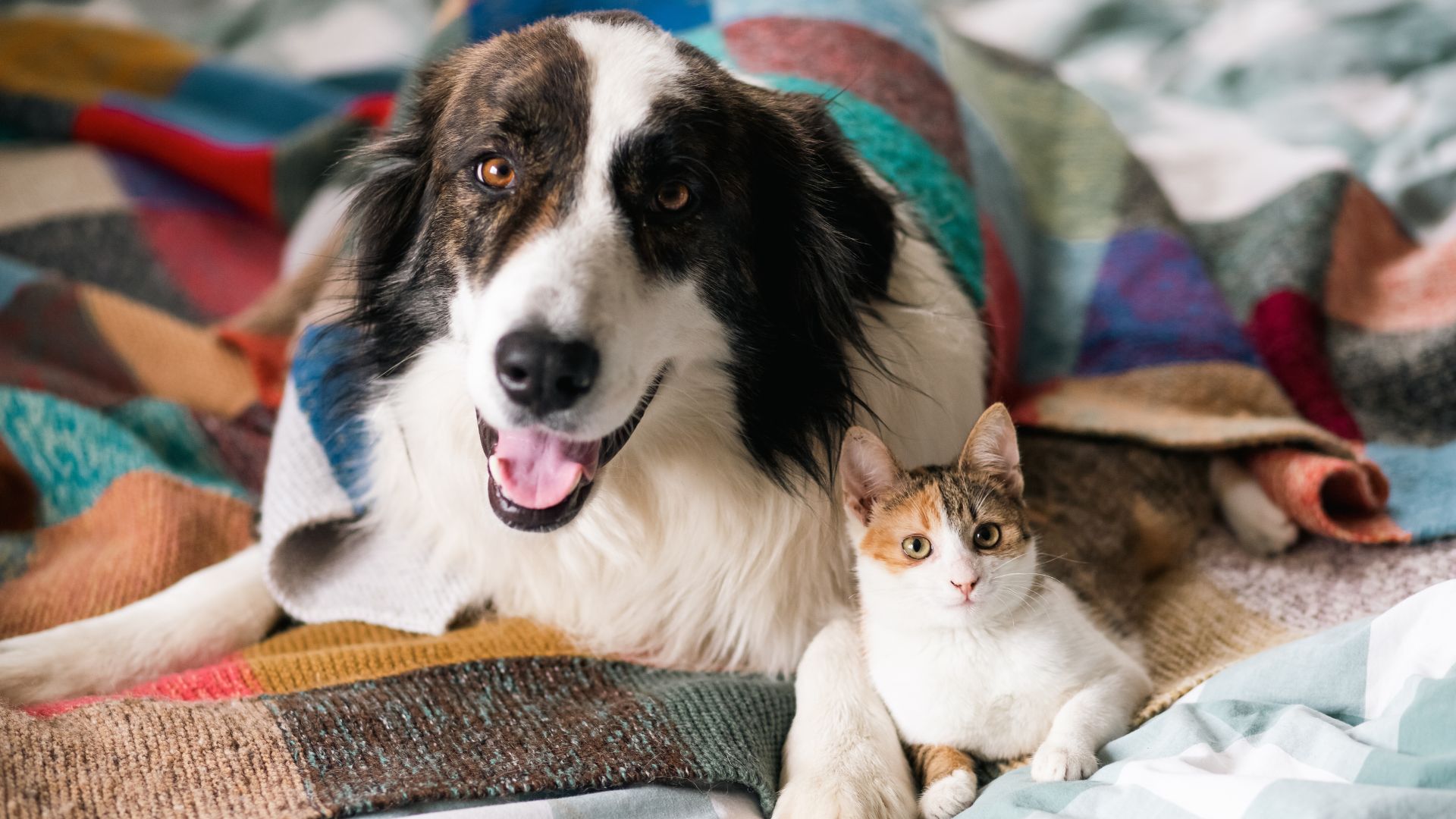
Cats with dog-like traits offer unique companionship. They often show loyalty and playfulness similar to dogs. These breeds enjoy interaction, follow commands, and love being near their humans. Their friendly nature makes them great pets for families and individuals alike.
Siberian
The Siberian cat is strong and agile. It loves to play fetch and enjoys water. This breed often greets owners at the door. Siberians bond deeply with their families and can be very protective.
Maine Coon
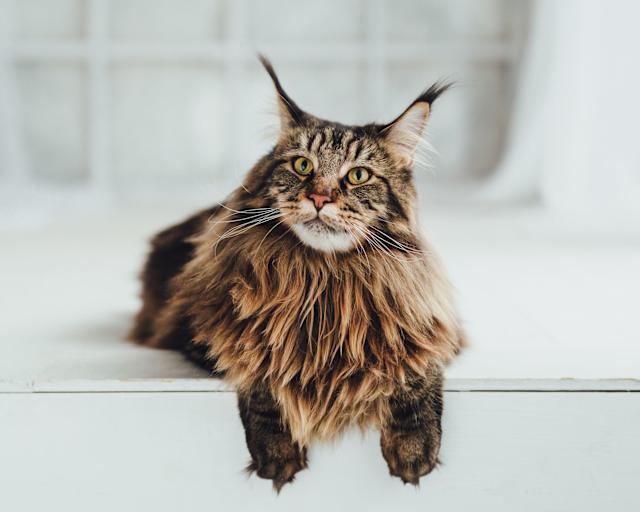
Maine Coons are large and gentle giants. They enjoy being part of family activities. This breed often acts like a dog by following owners around. Maine Coons also like to learn simple tricks and respond to commands.
Sphynx
The Sphynx cat is very affectionate and energetic. It craves attention and loves to cuddle. Sphynx cats often act like dogs by greeting visitors warmly. They enjoy interactive play and social interaction.
Burmese
Burmese cats are playful and social. They form strong bonds with their humans. This breed follows owners from room to room. Burmese cats often enjoy playing games and being active companions.
Ragdoll
Ragdolls are calm and loving cats. They often go limp when held, showing trust. This breed enjoys being carried and cuddled like a dog. Ragdolls respond well to training and are very loyal.
How To Identify A Dog-like Cat
Identifying a cat that behaves more like a dog can be a delightful discovery. These feline friends often show traits that break the usual cat mold, making them more interactive and loyal. If you want a cat that matches your energy and companionship style, it helps to know what behaviors to look for.
Observing Interaction Styles
Dog-like cats tend to seek out social interaction actively. They might follow you around the house or greet you at the door, much like a dog would. Watch if your cat enjoys playtime with toys that mimic fetch or chase games.
Does your cat come when called or show excitement when you enter the room? These are strong signs of a dog-like interaction style. Such cats often prefer human company over solitude and may even enjoy being held or petted more than typical cats.
Response To Commands
Try simple commands like “sit” or “come” and see how your cat reacts. Dog-like cats can learn and respond to basic commands, showing a willingness to engage and please you. Positive reinforcement with treats can speed up this learning process.
Notice if your cat understands and obeys cues compared to ignoring them. This ability reflects a higher level of social intelligence and a desire to interact with you. It’s a clear indicator that your cat thinks more like a dog in terms of training and communication.
Bonding With Owners
Pay attention to how your cat bonds with you over time. Dog-like cats often form strong attachments, seeking physical closeness and comfort. They may follow you from room to room, sleep on your bed, or lean against you during quiet moments.
Does your cat show signs of missing you when you’re away or excitedly greet you on your return? These behaviors show deep emotional bonds that go beyond typical feline independence. Such cats tend to thrive on human interaction and enjoy being a true companion.
Credit: pethelpful.com
Benefits Of Having A Dog-like Cat
Having a cat that acts like a dog brings many unique benefits. These cats often show loyalty and affection like dogs do. They can be playful, social, and enjoy spending time with their owners. This makes them great companions for people who want a pet with a dog’s personality but a cat’s independence.
Companionship
Dog-like cats form strong bonds with their owners. They follow you around the house and enjoy being near you. Their friendly nature makes them great friends for children and adults. These cats often greet you at the door and show excitement when you come home. Their need for attention creates a warm and loving home atmosphere.
Training Opportunities
These cats are easier to train than typical cats. They learn tricks and commands quickly. They respond well to rewards and praise. Training sessions help keep them active and mentally sharp. Teaching them simple commands can improve their behavior and strengthen your bond. They can even learn to walk on a leash like dogs.
Adaptability To Families
Dog-like cats adjust well to family life. They get along with kids and other pets. Their playful nature fits well in busy homes. They are less shy and more open to new people. This makes them ideal for families that want a friendly and social pet. Their easygoing attitude helps reduce stress in the household.
Tips For Encouraging Dog-like Behavior In Cats
Cats that act like dogs often enjoy playing fetch and following simple commands. Choosing breeds known for dog-like traits helps encourage this behavior naturally. Spending time on gentle training and play boosts their social and loyal side.
If you’re a cat owner who dreams of having a feline friend with dog-like traits, you’re not alone. Many cat lovers enjoy the companionship and loyalty that dogs offer. While cats and dogs have their differences, you can encourage your cat to exhibit some delightful dog-like behaviors. Here are some practical tips to help you achieve that.Socialization Techniques
Start early by introducing your cat to various people and pets. This helps them become more comfortable in different social situations. Take it slow and reward them with treats during positive encounters. Expose your cat to diverse environments. Whether it’s a walk on a leash or a visit to a friend’s house, new experiences can encourage outgoing behavior. Gradually increase the complexity of these experiences to build their confidence.Interactive Play
Engage your cat in interactive play sessions. Use toys that mimic prey, like feather wands or laser pointers, to stimulate their hunting instincts. These activities can channel their energy in a positive way. Incorporate games that require teamwork between you and your cat. Activities like fetch or tug-of-war can be great fun and encourage them to bond with you. Consistent playtime helps develop a routine they look forward to.Positive Reinforcement
Reward your cat for exhibiting desired behaviors. Use treats, affection, or playtime to reinforce actions like coming when called or sitting on command. This builds a positive association with these behaviors. Be patient and consistent. Cats may not respond instantly, but with time and encouragement, they’ll start to understand what pleases you. Remember, every cat is unique, and what works for one might not work for another. By applying these tips, you can nurture a stronger bond with your cat and enjoy the best of both worlds. Have you tried any of these techniques with your feline friend? Share your experiences and insights in the comments below!
Credit: www.reddit.com
Frequently Asked Questions
Which Cat Breeds Behave Most Like Dogs?
Breeds like the Maine Coon, Ragdoll, and Burmese show dog-like traits. They are loyal, playful, and enjoy human interaction. These cats often follow their owners and respond well to training, resembling the companionship of dogs.
Do Any Cats Fetch Or Play Catch Like Dogs?
Yes, some cats, especially Abyssinians and Bengals, love fetching toys. They enjoy interactive play and can learn to retrieve and return items, similar to dogs. This behavior strengthens their bond with owners.
Are Certain Cat Breeds More Trainable Like Dogs?
Maine Coons and Siamese cats are highly trainable. They quickly learn commands and tricks, making them resemble dog behavior. Their intelligence and eagerness to please support effective training.
Can Cats Be As Loyal As Dogs?
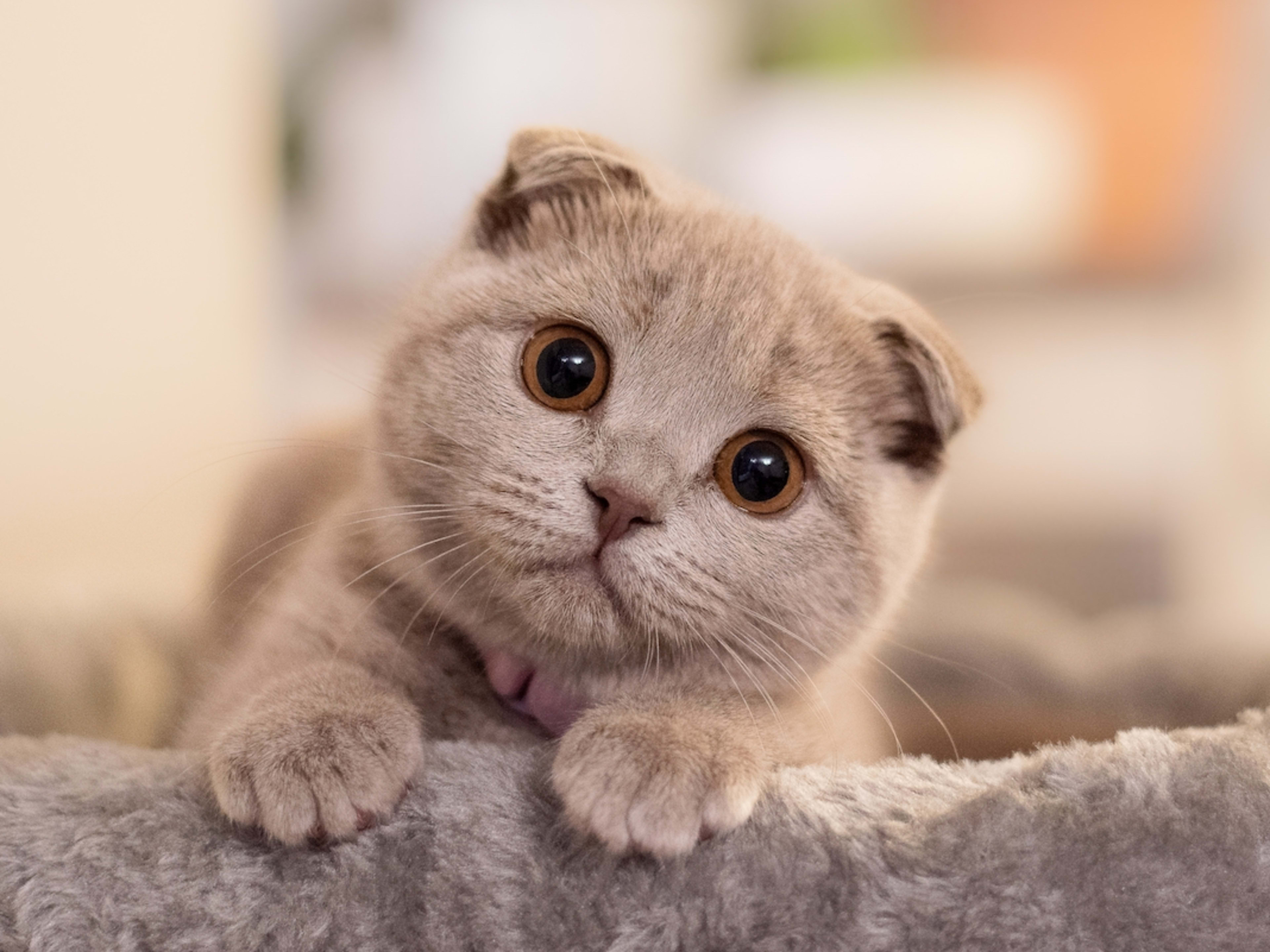
Yes, many cats show strong loyalty to their owners. Breeds like the Scottish Fold and Ragdoll often form deep attachments. They follow owners around and seek affection, demonstrating dog-like loyalty.
Conclusion
Cat breeds that act like dogs bring joy and fun to any home. These cats enjoy playtime, follow commands, and show loyalty. They form strong bonds with their owners and love attention. Choosing one can brighten your life with both cat charm and dog-like traits.
Think about your lifestyle and what fits best. These unique cats prove that pets can surprise us in many ways. A loving friend awaits in these special breeds.




Leave a Reply