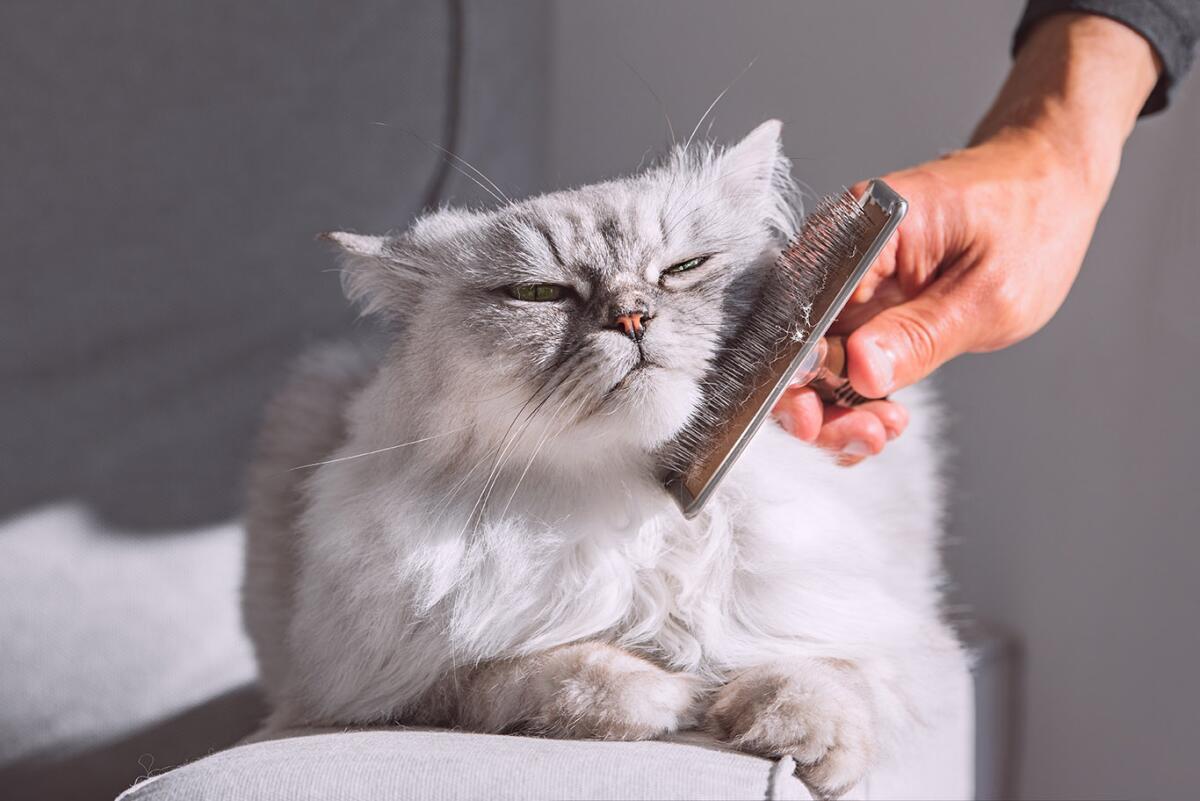
If you’ve ever tried to groom your cat, you know it’s not always an easy task. Your furry friend might squirm, hide, or even scratch when you bring out the brush.
But what if grooming could become a calm, even enjoyable part of your routine? Imagine a cat that welcomes your touch, purring as you brush away loose fur. You’ll discover simple, proven ways to make grooming a positive experience for your cat—and for you.
Keep reading, because the secret to a happy, well-groomed kitty is closer than you think.
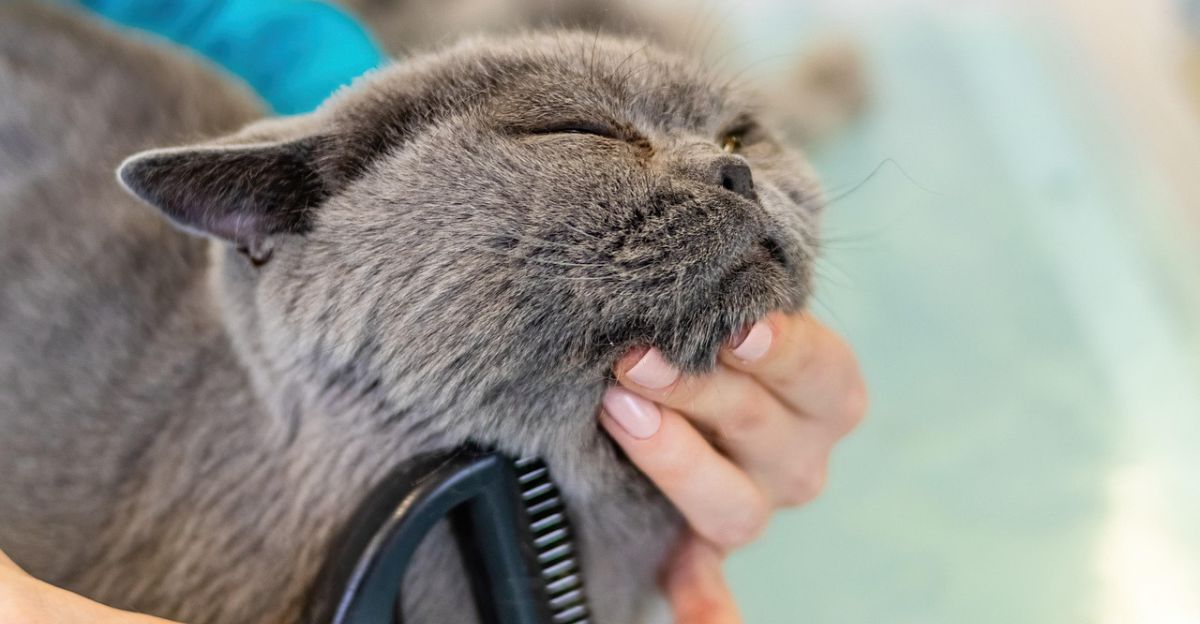
Credit: tryfurgo.com
Choosing The Right Tools
Choosing the right grooming tools can make a huge difference in how much your cat enjoys being groomed. The right brush or comb can turn a stressful experience into a soothing bonding moment for both of you. Think about your cat’s coat type and sensitivity when picking tools, and watch how their attitude changes during grooming sessions.
Types Of Brushes And Combs
Different cats need different brushes. For short-haired cats, a soft-bristle brush or rubber grooming mitt often works best. These tools remove loose fur gently without irritating the skin.
Long-haired cats usually benefit from a slicker brush or a wide-toothed comb. These help untangle knots without pulling too hard. I once switched to a fine-toothed comb for my long-haired cat, and grooming turned from a battle into a calm routine.
If your cat sheds a lot, consider a de-shedding tool. It reaches the undercoat and reduces shedding significantly. But always test the tool gently on a small area to see if your cat likes the sensation.
Using Gentle Grooming Products
Not all grooming products are safe for cats. Avoid harsh shampoos and sprays that can irritate your cat’s skin. Instead, choose products labeled specifically for cats, which are formulated to be gentle.
If your cat has sensitive skin, look for hypoallergenic or natural ingredient options. I found a mild aloe-based spray that calmed my cat’s itchy spots and made grooming less stressful.
Remember to use products sparingly and rinse thoroughly if you bathe your cat. Overuse or residue can cause discomfort, making your cat resist grooming next time. What gentle product might your cat respond to best?
Creating A Calm Environment
Creating a calm environment is essential to help your cat enjoy grooming sessions. Cats are sensitive creatures who pick up on the mood and setting around them. A peaceful space can turn grooming from a stressful event into a bonding moment for both of you.
Picking The Perfect Spot
Choose a quiet, comfortable area where your cat feels safe. This might be a favorite resting spot or a cozy corner with soft blankets. Avoid places with high foot traffic or sudden movements that could startle your cat.
Look for a spot with good natural light, which helps your cat stay relaxed and alert. When I switched my grooming area to a sunny windowsill, my cat became noticeably calmer. Have you noticed how your cat’s behavior changes in different parts of your home?
Minimizing Noise And Distractions
Turn off loud appliances and close windows to block outside noises. Even subtle sounds like a ticking clock or TV chatter can unsettle your cat during grooming. Creating a quiet atmosphere helps your cat focus on the grooming itself.
Consider playing soft, calming music if your cat responds well to it. Keep other pets away during grooming to avoid distractions or competition. Your cat will appreciate the undivided attention, making the experience smoother and more pleasant.
Introducing Grooming Gradually
Introducing grooming gradually helps your cat feel safe and calm. Cats dislike sudden changes. A slow introduction lets them get used to brushing or combing. It builds trust and reduces stress during grooming.
Short And Positive Sessions
Keep grooming sessions brief at first. Just a few minutes are enough. Stop before your cat feels annoyed or tired. Use a gentle touch and calm voice. Short sessions make grooming a happy time. Your cat will wait for the next session with less fear.
Rewarding Good Behavior
Praise your cat after grooming. Give treats or gentle petting. Rewards show your cat that grooming is good. This encourages them to stay calm and relaxed. Over time, your cat will enjoy grooming more and more.
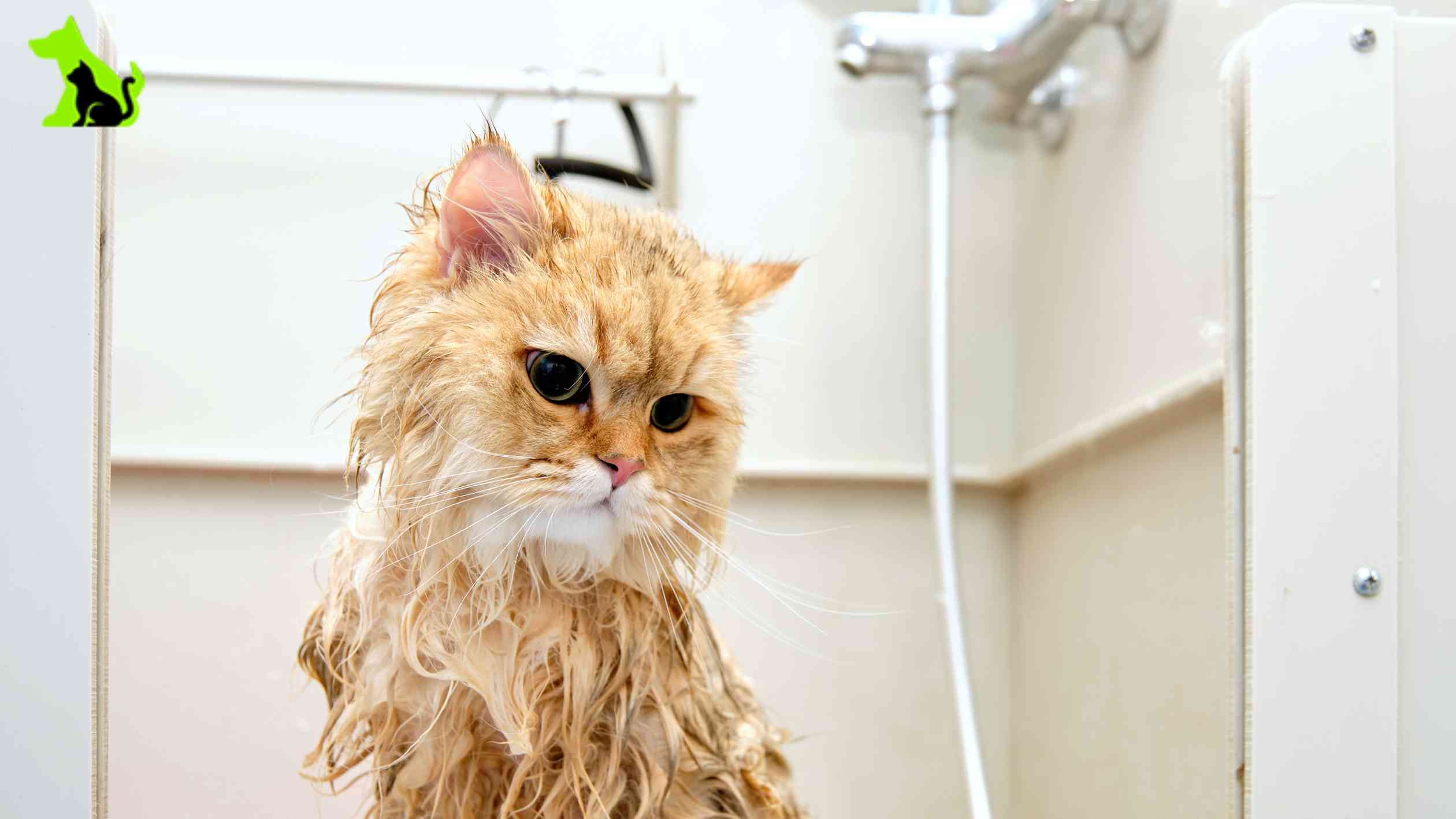
Credit: hellopetsinc.com
Handling Common Grooming Challenges
Grooming your cat can sometimes feel like a battle, especially when you hit those tricky moments that test both your patience and your cat’s tolerance. Handling common grooming challenges requires understanding your cat’s unique reactions and adjusting your approach to make the experience smoother for both of you. Let’s dive into practical ways to overcome the most frequent obstacles during grooming sessions.
Dealing With Sensitive Areas
Some cats have spots that instantly trigger discomfort or defensiveness, like their belly, paws, or tail. These areas can be sensitive because of thin skin, nerve endings, or just personal preference.
Try breaking grooming into shorter sessions focused only on less sensitive spots first. Use a soft brush and gentle strokes to build trust gradually. Over time, you can slowly introduce these delicate zones by combining grooming with treats or play.
Have you noticed your cat twitch or pull away at certain spots? That’s a clue to slow down and be extra gentle there. Remember, forcing these areas too quickly can backfire and make your cat more resistant in the future.
Managing Fear And Anxiety
Fear can turn grooming into a stressful ordeal for your cat. You might see signs like wide eyes, flattened ears, or attempts to escape. These behaviors signal that your cat feels threatened or overwhelmed.
Start by creating a calm environment: dim lights, quiet sounds, and a comfortable surface. Speak softly and move slowly to avoid startling your cat. Sometimes, letting your cat explore the grooming tools before you start can reduce anxiety.
Try incorporating positive reinforcement—offer small treats or affection after each grooming step. This helps your cat associate grooming with good things rather than fear.
Have you ever paused mid-groom to let your cat relax and then resumed later? This tactic can prevent escalation and keep your cat’s trust intact.
Maintaining Regular Grooming Habits
Maintaining regular grooming habits can make a big difference. Cats often become more comfortable with grooming over time. Consistency is key in building trust and making the experience pleasant. This section will guide you through setting a routine and keeping your cat’s coat in top shape.
Setting A Consistent Schedule
Cats thrive on routine. Establish a regular grooming schedule that suits both you and your cat. Choose a quiet time of day when your cat is relaxed. Consistent timing helps your cat know what to expect. This reduces stress and makes grooming enjoyable.
Start with short sessions. Gradually increase the time as your cat becomes more comfortable. Use treats to reward good behavior. This creates positive associations with grooming.
Monitoring Your Cat’s Coat Health
Regular grooming helps monitor your cat’s coat health. Look for any changes in fur texture or appearance. Check for mats, tangles, or bald spots. Early detection of issues can prevent bigger problems.
Pay attention to your cat’s skin. Look for redness, bumps, or parasites. These can indicate underlying health issues. Regular checks ensure your cat stays healthy and comfortable.
Keep tools clean to avoid spreading bacteria. Regularly sanitize brushes and combs. This promotes a healthy grooming environment.

Credit: danspetcare.com
When To Seek Professional Help
Knowing when to ask for professional help with grooming your cat can save both you and your feline friend a lot of stress. Sometimes, despite your best efforts, grooming becomes challenging or even unsafe. Recognizing these moments early helps keep your cat healthy and comfortable.
Signs Your Cat Needs Expert Grooming
Watch for mats and tangles that you just can’t untangle without causing pain. If your cat’s fur is heavily matted, it can trap dirt and moisture, leading to skin infections.
Another sign is if your cat shows intense fear or aggression during grooming sessions. This might mean they need a gentle, experienced hand to handle them properly.
Also, notice if your cat has overgrown nails that are curling or causing discomfort. Trimming nails can be tricky, and an expert can safely manage this without hurting your cat.
Finding A Trusted Groomer
Ask fellow cat owners or your vet for recommendations on groomers who specialize in cats. Not all groomers have the same experience with feline behavior.
Visit the grooming salon before booking an appointment. Check if it’s clean, calm, and if the staff treats cats gently and patiently.
Don’t hesitate to ask about the tools and methods they use. A good groomer will explain their process and answer your questions clearly, helping you feel confident about leaving your cat in their care.
Frequently Asked Questions
How Can I Make Grooming Enjoyable For My Cat?
Start grooming sessions gently and gradually increase time. Use treats to reward calm behavior. Keep the environment calm and quiet to reduce stress. Regular short sessions help your cat get used to grooming.
What Tools Are Best For Grooming Cats?
Use a soft-bristle brush for short-haired cats. Long-haired cats benefit from a wide-toothed comb. Nail clippers designed for cats help with safe trimming. Choose tools that feel comfortable for your cat.
How Often Should I Groom My Cat?
Brush short-haired cats once a week. Long-haired cats need grooming 2-3 times weekly. Regular grooming prevents matting and reduces shedding. Adjust frequency based on your cat’s coat and behavior.
How Do I Calm A Nervous Cat During Grooming?
Speak softly and move slowly around your cat. Offer treats and gentle strokes to build trust. Take breaks if your cat shows signs of stress. Create a quiet space free from distractions.
Conclusion
Making grooming a calm, positive time helps your cat relax. Use gentle strokes and praise often. Keep sessions short and quiet to build trust. Watch your cat’s signals and stop if stressed. Regular grooming keeps your cat healthy and happy.
Patience and kindness are key to success. Enjoy the bonding moments you share together. Grooming can become a peaceful routine for both of you. Try these steps and see your cat feel more comfortable.




Leave a Reply