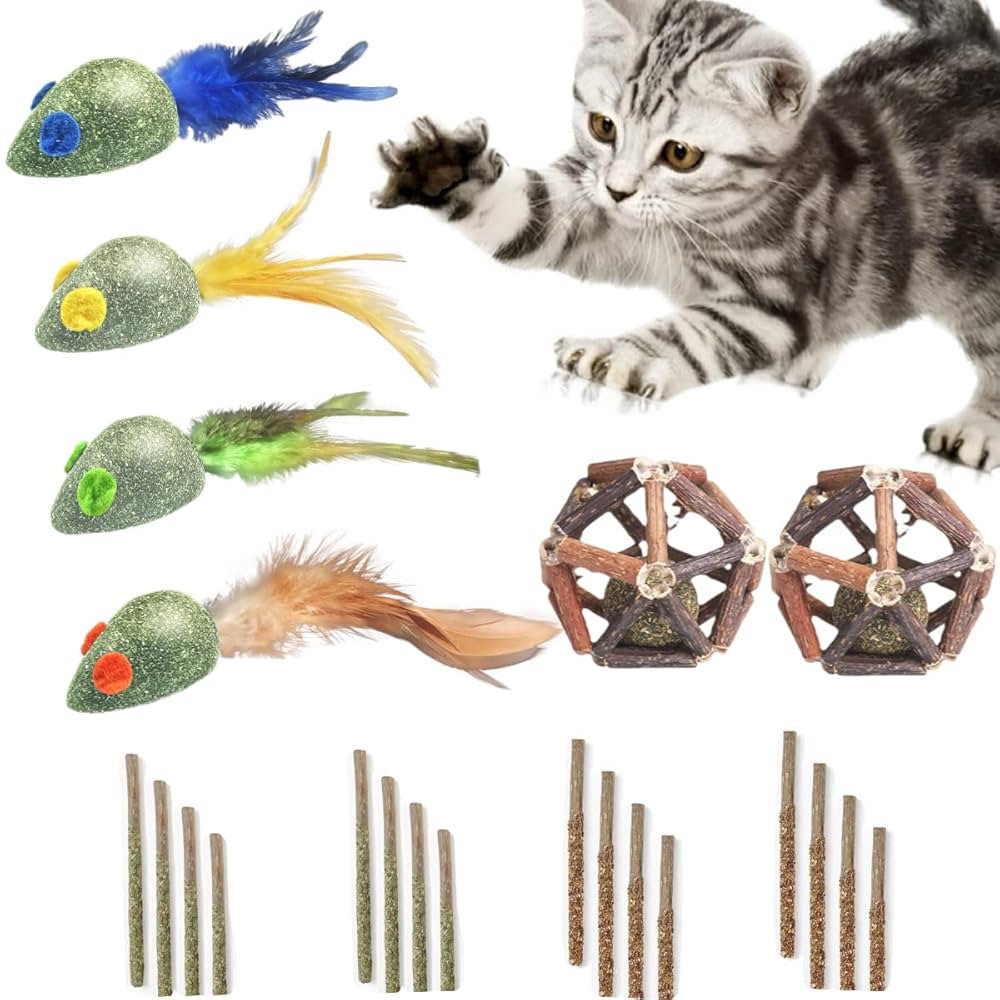
When it comes to choosing toys for your cat, safety should be your top priority. You want to make sure the materials used won’t harm your furry friend, even if they chew or swallow small parts.
But with so many options out there, how can you be sure what’s truly safe? Understanding which materials are gentle and non-toxic can protect your cat from choking hazards, allergies, or poisoning. Keep reading to discover exactly what to look for, so you can pick toys that keep your cat happy and healthy every time they play.
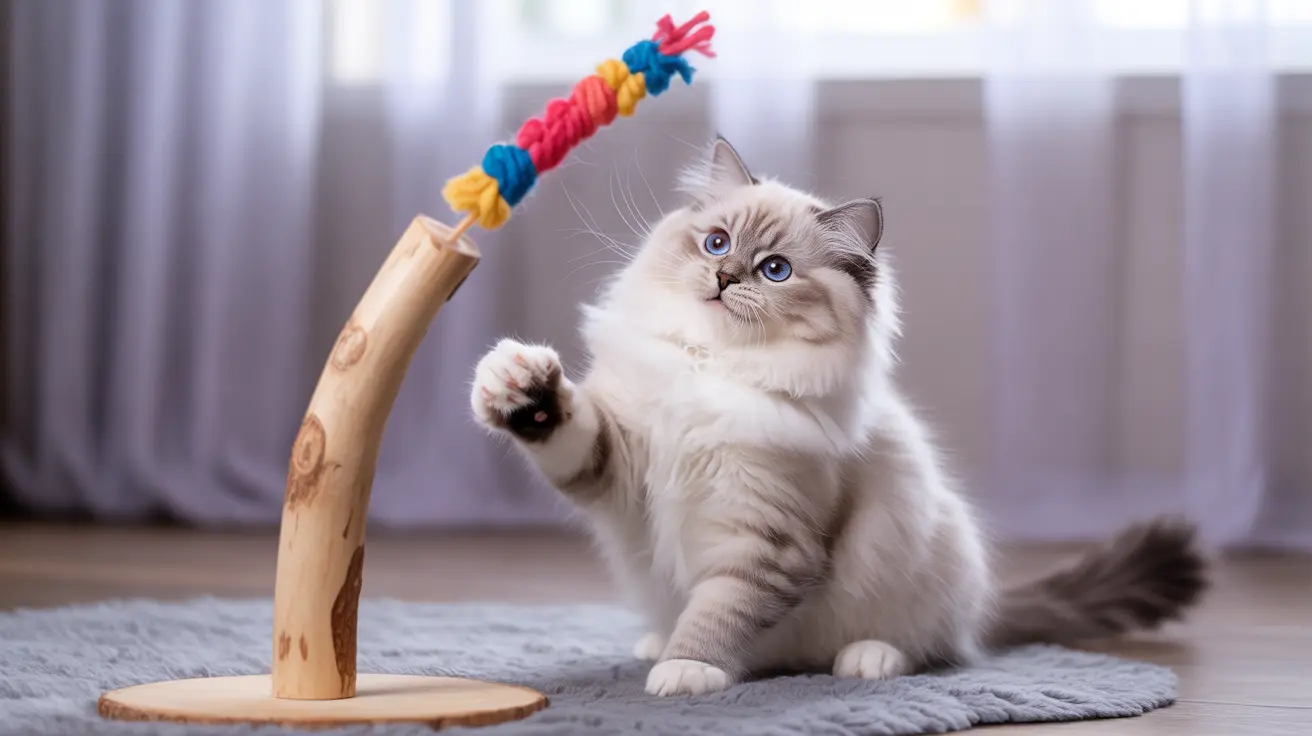
Credit: www.petscare.com
Common Materials In Cat Toys
Choosing the right materials for your cat’s toys is essential for their safety and enjoyment. Cats explore the world with their mouths and claws, so the toy’s material must withstand rough play without breaking apart easily. Understanding common materials can help you pick toys that last longer and keep your feline friend safe.
Natural Fabrics
Natural fabrics like cotton, wool, and felt are popular in cat toys. They tend to be soft and gentle on your cat’s teeth and paws. Many cats love toys stuffed with catnip wrapped in cotton or wool, which adds to the fun.
These fabrics breathe well and usually don’t contain harmful chemicals. However, watch out for loose threads that your cat might swallow. Would you rather choose a toy that feels cozy or one that’s super durable?
Plastics And Rubbers
Plastics and rubbers are common in balls, interactive toys, and treat dispensers. Look for non-toxic, BPA-free plastics to avoid exposing your cat to harmful chemicals. Soft rubber toys are great for chewing but should be sturdy enough to resist tearing.
Hard plastics may crack and create sharp edges, which can hurt your cat. Always inspect these toys regularly for damage. Have you checked your cat’s toys lately for cracks or loose parts?
Metals And Alloys
Metal toys often include bells or small parts inside other toys. Stainless steel is a safe choice because it resists rust and is non-toxic. Avoid metals that can rust or contain lead, which are dangerous if ingested.
Metal components should be securely attached to prevent choking hazards. If your cat enjoys toys with bells, make sure they are well-made and don’t come loose. How often do you examine your cat’s toys for secure fittings?

Credit: www.goodhousekeeping.com
Toxic Materials To Avoid
Knowing which toxic materials to avoid in cat toys is essential for keeping your feline friend safe and healthy. Some materials may seem harmless but can pose serious risks if ingested or chewed on. Let’s take a closer look at the specific dangers lurking in certain common toy components.
Harmful Chemicals
Many cheap cat toys contain harmful chemicals like phthalates, BPA, and formaldehyde. These substances can cause allergic reactions, digestive issues, or even long-term health problems in cats. Always check labels for toys made from natural or certified non-toxic materials.
Have you ever noticed your cat sneezing or licking excessively after playing with a new toy? That could be a reaction to these chemicals. Opting for toys made of organic cotton or untreated wood can reduce these risks significantly.
Small Parts And Choking Hazards
Small pieces like beads, buttons, or bells can easily detach from toys and become choking hazards. Cats love to chew and bat at toys, increasing the chance of swallowing these tiny parts. If your cat is a vigorous player, avoid toys with detachable small components altogether.
Instead, choose toys with securely sewn-on parts or solid construction. Ask yourself: would this piece fit through a toilet paper roll? If yes, it might be too small and unsafe for your cat.
Non-non-toxic Dyes And Paints
Brightly colored cat toys often use synthetic dyes and paints that may contain heavy metals or toxic solvents. These toxins can leach out when your cat chews the toy, posing health risks. Look for toys labeled as using non-toxic, food-grade dyes to ensure safety.
Even natural-looking toys can be risky if the colors are unnatural or overly vibrant. When possible, stick with plain or naturally dyed toys. Your cat’s health is worth choosing safer color options.
Safe Natural Materials
Choosing safe natural materials for cat toys protects your pet’s health and well-being. These materials are gentle on paws and teeth. They avoid harmful chemicals found in some plastics and synthetics. Natural materials also feel more comforting and familiar to cats. Here are some safe options to consider.
Cotton And Wool
Cotton and wool are soft and durable fibers. They create safe toys for cats to bite and bat around. These materials are breathable and less likely to cause allergic reactions. Look for 100% natural cotton or wool without dyes or chemicals. Handmade or organic options often ensure better safety. Avoid loose fibers that can be swallowed.
Organic Catnip
Organic catnip is a natural herb that cats love. It encourages play and exercise. Choose catnip grown without pesticides or chemicals. Organic catnip is safer and has a stronger scent. It is often sewn inside cotton or wool toys. This combo keeps cats entertained and healthy.
Wood And Paper
Wood and paper offer natural textures cats enjoy. Untreated wood blocks or sticks make simple toys. Avoid painted or chemically treated wood. Paper toys can be crinkly or soft for gentle play. Recycled paper is eco-friendly and safe. These materials stimulate curiosity and satisfy scratching urges.

Credit: cats.com
Durability And Safety Features
Durability and safety are the backbone of any great cat toy. You want something that withstands your cat’s sharp claws and energetic play without falling apart or posing risks. Choosing toys with strong construction and safe materials protects your furry friend and saves you money in the long run.
Stitching And Construction
Look closely at the stitching on cat toys. Tight, reinforced seams mean the toy won’t easily rip or spill stuffing that could be harmful if ingested. Double stitching or bar tacking at stress points adds extra strength.
Think about your cat’s play style. If your cat is a heavy chewer or aggressive player, skip toys with loose threads or weak fabric. Durable materials like canvas or felt combined with solid stitching stand up better to rough play.
Non-toxic Glue And Fasteners
Many toys rely on glue and small fasteners to hold parts together. These should be non-toxic and securely attached to avoid any choking hazards. Cats often nibble or chew on toys, so harmful chemicals in glue can cause serious health issues.
Metal fasteners should be smooth and rust-resistant. Plastic parts need to be sturdy and free from sharp edges. If you spot any loose components, it’s safer to replace the toy than risk your cat swallowing something dangerous.
Avoiding Sharp Edges
Sharp edges on toys can injure your cat’s mouth or paws. Check for any hard plastic pieces, exposed wires, or rough seams that could cause cuts. Even small jagged parts can lead to infections or discomfort.
Safe toys have smooth finishes and soft coverings. If a toy has bells or other attachments, make sure they are securely enclosed or made of safe materials. Would you want your cat to play with a toy that could accidentally hurt them?
Homemade Cat Toy Materials
Cotton fabric, felt, and yarn are safe materials for homemade cat toys. These materials are gentle on paws and teeth. Avoid toxic substances like glue and paint. Always ensure there are no small parts that can be swallowed.
Creating cat toys at home can be a rewarding and cost-effective way to keep your feline friend entertained. But ensuring the materials are safe is crucial. Homemade cat toy materials offer the flexibility to customize toys that are both fun and safe for your cat. By using safe household items, recyclable materials, and adding a touch of catnip, you can craft toys that your cat will adore.Safe Household Items
Many everyday household items can be transformed into delightful cat toys. Old socks, for instance, can be repurposed into a fun stuffed toy. Simply fill a sock with some cotton or fabric scraps, tie a knot, and you have a simple toy that cats can bat around. Cardboard boxes are another fantastic option. Cats love to explore and hide, and a cardboard box can provide hours of entertainment. Just ensure there are no staples or tape that your cat could ingest.Recyclable Materials
Why not turn your recyclables into playthings for your cat? Toilet paper rolls are incredibly versatile. You can cut them into rings and let your cat chase them around the floor, or stack them to create a puzzle. Plastic bottle caps can also serve as lightweight toys. Cats enjoy batting them across the floor, and they’re easy to replace if they get lost. Always double-check for any sharp edges that could harm your cat.Diy Catnip Toys
Adding catnip to your homemade toys can make them irresistible. If you have some fabric scraps, you can sew a small pouch and fill it with catnip. Watch as your cat pounces and plays with their new favorite toy. Don’t have sewing skills? No problem! You can make a no-sew catnip toy by tying a bundle of catnip in a piece of cloth and securing it with a string. Just ensure the string is tightly secured so your cat doesn’t unravel it. Are there materials you already have at home that could be turned into a cat toy? Look around and get creative. With some imagination and a focus on safety, your cat can enjoy endless fun with toys crafted from everyday materials.Signs Of Unsafe Toys
Recognizing signs of unsafe toys is crucial for keeping your cat happy and healthy. Toys that seem harmless can quickly become hazards if they show damage or cause unusual behavior in your pet. Paying close attention to these warning signs helps you avoid accidents before they happen.
Wear And Tear Indicators
Inspect your cat’s toys regularly for obvious damage. Look for:
- Frayed strings or threads that could tangle or be swallowed
- Loose parts like eyes, bells, or feathers that might come off
- Cracks or breaks in plastic or rubber that create sharp edges
If you spot any of these, it’s a clear sign the toy is no longer safe. My cat once chewed through a foam ball, and small pieces ended up stuck in her mouth. That was a wake-up call to toss out anything breaking apart.
Behavioral Signs In Cats
Watch your cat’s reactions during playtime. If your cat suddenly shows reluctance, fear, or irritation toward a toy, it might be uncomfortable or painful to use. Excessive chewing or swallowing parts can also indicate the toy is unsafe.
Does your cat cough or gag after playing? These behaviors might suggest the toy has harmful materials or loose pieces. Your pet’s comfort should always guide your choice of toys.
When To Replace Toys
Knowing when to retire a toy is key to your cat’s safety. Replace toys immediately if you notice any damage or if your cat loses interest suddenly.
Even if the toy looks fine, replacing it every few months is a good practice. This keeps your cat engaged and reduces the risk of hidden wear that could cause injury.
Think about your cat’s play style and choose toys built to withstand it. Are you confident your current toys are truly safe?
Tips For Choosing Safe Cat Toys
Choosing safe toys for your cat goes beyond just picking something colorful or fun. Your cat’s health depends on the materials and construction of their toys. Knowing what to look for can prevent choking hazards, allergies, or exposure to harmful chemicals.
Reading Labels And Certifications
Always check the labels on cat toys for information about the materials used. Look for toys made from non-toxic, BPA-free, and phthalate-free materials. Certifications from recognized organizations, like ASTM or CE, can reassure you that the toy meets safety standards.
Does the label specify if the toy is free from harmful dyes or small detachable parts? These details matter because some cats chew aggressively, which can lead to ingestion of dangerous bits. If a label is vague or missing, it’s better to skip that product.
Shopping From Trusted Brands
Trusted brands often invest in quality control and safe materials. They usually offer detailed product descriptions and customer reviews that highlight real-life experiences. Have you ever noticed how some brands respond quickly to safety concerns or product recalls? That’s a good sign of responsibility.
Brands with a solid reputation also tend to use durable fabrics and stitching, reducing the risk of your cat swallowing loose threads or stuffing. Next time you shop, consider brands known for pet safety rather than the cheapest option on the shelf.
Regular Inspection And Cleaning
Even the safest toy can become hazardous if it’s worn out or dirty. Make a habit of inspecting your cat’s toys weekly for tears, loose parts, or signs of chewing damage. How often do you toss out damaged toys before they cause a problem?
Cleaning toys regularly prevents bacteria buildup and keeps your cat safe from infections. Use mild soap and warm water, and avoid harsh chemicals that might irritate your cat’s skin. Dry toys thoroughly before giving them back, so mold and mildew don’t develop.
Frequently Asked Questions
What Materials Are Non-toxic For Cat Toys?
Safe cat toys use natural fibers like cotton, wool, and sisal. These materials are non-toxic and gentle on cats. Avoid plastics and chemicals that can harm your cat. Always check for safe dyes and avoid small parts that cats can swallow.
Are Natural Fabrics Better For Cat Toys?
Yes, natural fabrics like cotton and wool are safer. They are non-toxic, breathable, and less likely to cause allergies. Cats can safely chew and scratch these materials. Synthetic fabrics may contain harmful chemicals or irritants.
Can Cats Safely Play With Wooden Toys?
Wooden toys made from untreated, smooth wood are safe for cats. They are durable and non-toxic. Avoid painted or treated wood, which may contain harmful chemicals. Always supervise play to prevent splinters or choking hazards.
Why Avoid Plastic In Cat Toys?
Plastic toys can contain harmful chemicals like BPA and phthalates. Cats may chew and ingest small plastic pieces, causing choking or poisoning. Opt for natural or certified safe materials to protect your cat’s health.
Conclusion
Safe materials keep your cat happy and healthy during play. Choose toys made from natural fibers, soft fabrics, or non-toxic plastics. Avoid small parts that can break or cause choking. Regularly check toys for damage to prevent harm. Safe toys help your cat stay active and curious.
Playtime becomes fun and worry-free with the right choices. Your cat deserves toys that protect and entertain. Keep safety first, and enjoy watching your cat have fun. Simple steps create a safe play space every day.

Leave a Reply