Are you looking for a fun and easy way to keep your cat entertained? Making a toy for your cat yourself is not only simple but also a great way to show your pet some extra love.
Imagine your cat’s excitement as they chase, pounce, and play with something you created just for them. You’ll discover step-by-step instructions to craft safe, engaging toys using materials you already have at home. Ready to see your furry friend happy and active?
Let’s get started!
Credit: www.green-petfood.com
Benefits Of Diy Cat Toys
DIY cat toys bring many benefits to both cats and their owners. These homemade toys can keep cats happy and healthy. They encourage natural behaviors and reduce boredom. Making toys yourself lets you customize them to your cat’s preferences. It saves money and uses safe materials. Below are key benefits of creating your own cat toys.
Mental Stimulation
DIY toys challenge your cat’s mind. They mimic hunting and problem-solving tasks. This keeps your cat sharp and alert. Toys with hidden treats or moving parts engage curiosity. Mental exercise reduces stress and prevents destructive behavior. Cats love puzzles and new experiences.
Physical Exercise
Homemade toys motivate your cat to move. Chasing, pouncing, and batting improve muscle strength. Active play helps maintain a healthy weight. Exercise also boosts mood and energy levels. Simple toys like feathers or balls encourage playful activity. Regular physical play supports a longer, healthier life.
Bonding Time
Making toys together creates special moments. Playing with your cat builds trust and love. It strengthens your relationship through shared fun. DIY toys show your cat you care. Interactive play reduces loneliness and anxiety. These moments create lasting bonds and happy cats.

Credit: smart.dhgate.com
Materials Needed
Gathering the right materials is the first step to making a fun and safe toy for your cat. The items you choose should be both engaging for your pet and safe to use. You don’t need fancy supplies; many effective toys come from simple, everyday things you already have at home.
Common Household Items
Look around your home for items that can become a cat toy with a little creativity. Old socks, cardboard boxes, and paper towel rolls make excellent bases for toys. Even bottle caps and yarn scraps can catch your cat’s interest.
Have you noticed your cat’s fascination with crinkly sounds? Try using aluminum foil balls or empty plastic containers that make noise when batted around. Just ensure these items don’t have sharp edges that could hurt your pet.
Safe Craft Supplies
Choose supplies that won’t harm your cat if chewed or swallowed. Non-toxic glue, felt, and cotton stuffing are good choices. Avoid anything with small parts that can detach and become choking hazards.
Bright, colorful fabric scraps can add visual appeal and texture. Feathers and bells can be fun, but only if securely attached. Always test a small piece first to see how your cat reacts.
Tools For Assembly
Keep your tools simple and safe to use. Scissors, a hot glue gun (used carefully), and needle and thread are usually enough. If you’re not comfortable with hot glue, fabric glue works well and is safer for quick fixes.
Have you tried using a stapler for attaching cardboard pieces? It’s quick but make sure staples are fully pressed in and inaccessible to your cat. Your goal is a sturdy toy that lasts through many play sessions.
Simple Toy Ideas
Creating toys for your cat can be simple and fun. Homemade toys keep your cat active and happy. Many materials at home can become exciting playthings. These ideas use everyday items to make safe, entertaining toys for cats.
Sock Mouse
Use an old sock to make a soft mouse toy. Fill the sock with cotton or fabric scraps. Add a bit of catnip inside for extra fun. Tie the open end tightly with a string. You can sew or glue small felt pieces for eyes and ears. This toy is soft and easy for cats to carry and bite.
Feather Wand
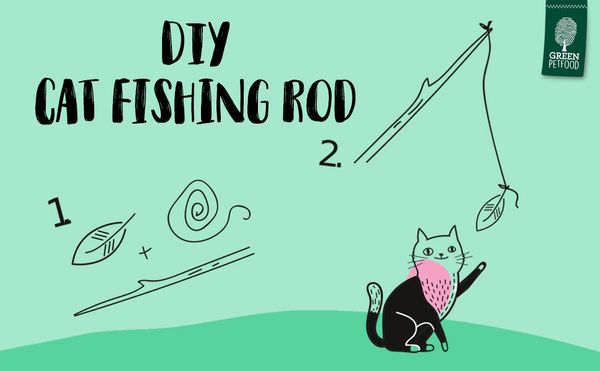
Attach feathers to the end of a stick or pencil. Secure the feathers with strong tape or glue. Move the wand slowly in the air to mimic a bird. Cats love to chase and jump after moving feathers. This toy helps your cat exercise and use hunting skills.
Paper Ball
Crumple a small piece of paper into a ball. Make sure it is tight enough to hold shape. Paper balls are light and easy for cats to bat around. Avoid using paper with ink or shiny surfaces. This simple toy encourages your cat to play and explore.
Interactive Toys
Creating a toy for your cat can be simple and fun. Use everyday items like string or cardboard. Cats love to chase and pounce on moving objects. Make sure the toy is safe, with no small parts that could be swallowed.
A homemade toy can keep your cat entertained for hours.
Interactive toys are a fantastic way to keep your cat mentally stimulated and physically active. These toys encourage your feline friend to engage their natural hunting instincts, providing both entertainment and exercise. Making your own interactive cat toys can be a fun and rewarding experience, and you don’t need to be a crafting expert to create something your cat will love.Treat Dispenser
Creating a treat dispenser is simple and can keep your cat occupied for hours. Start with a small plastic bottle, like an empty water bottle. Poke a few holes in it, just big enough for a treat to fall through. Fill the bottle with your cat’s favorite treats and watch as they nudge, bat, and roll the bottle to release the goodies. This not only provides a tasty reward but also stimulates their problem-solving skills.String Chase
Cats are natural hunters, and a simple string can transform into their prey. Attach a lightweight toy, like a feather or small ball, to the end of a long piece of string. Drag it across the floor and encourage your cat to chase it. Vary the speed and direction to mimic the erratic movements of prey. This game is an excellent way to bond with your cat while giving them the exercise they need.Puzzle Boxes
Puzzle boxes are a great way to challenge your cat’s mind. Use a cardboard box and cut several holes in the sides and top. Place a few toys or treats inside the box. Your cat will be intrigued by the challenge of reaching through the holes to retrieve the items. You can increase the difficulty by varying the size and position of the holes. This is a wonderful way to keep your cat entertained and mentally sharp. By crafting these interactive toys, you provide your cat with enrichment that taps into their natural instincts. Have you tried creating a toy for your cat? It’s a rewarding experience that can deepen your bond while keeping your cat healthy and happy.Recycling For Cat Toys
Recycling household items into cat toys is fun and eco-friendly. Cats love toys that move, crinkle, or roll. Using recycled materials saves money and reduces waste. Many common items can become exciting playthings for your cat.
Cardboard Creations
Cardboard boxes and tubes are perfect for cat toys. Cut small holes in boxes for hiding treats. Roll cardboard tubes to make tunnels or chew toys. Cats enjoy scratching and climbing cardboard. It’s safe and easy to replace.
Bottle Cap Fun
Plastic bottle caps are great for batting games. Clean caps and check for sharp edges before use. Drop a cap on the floor and watch your cat chase it. Add a small bell inside for extra sound. Bottle caps are lightweight and easy to find.
Scrap Fabric Toys
Old clothes or fabric scraps can become soft toys. Cut fabric into small shapes and sew or tie edges. Fill with catnip or crinkly paper for more fun. Avoid fabrics that shed or have loose threads. Fabric toys are gentle and good for cuddling.
Safety Tips
Keeping your cat safe while playing is just as important as making the toy fun and engaging. Your DIY cat toy should never pose a risk to your furry friend’s health or well-being. Paying close attention to safety tips can prevent accidents and give you peace of mind.
Non-toxic Materials
Choose materials that won’t harm your cat if chewed or licked. Avoid paints, glues, or fabrics that contain harmful chemicals. Opt for natural fabrics like cotton or felt, and use pet-safe dyes or untreated wood.
Think about what your cat might ingest. Even small amounts of toxic substances can cause serious issues. Have you checked if the glue you’re using is labeled non-toxic?
Avoid Small Parts
Small pieces like beads, buttons, or tiny bells can easily come loose and become choking hazards. Instead, use larger components that are securely attached and won’t break off during play. Sewing parts together firmly helps keep everything intact.
Imagine your cat swallowing a small part—would you be able to spot it quickly? Removing anything that can be swallowed reduces risk and keeps playtime worry-free.
Regular Inspection
Even the sturdiest toy can wear down over time. Check your cat’s toy regularly for loose threads, broken parts, or sharp edges. Replace or repair damaged toys immediately to avoid injuries.
Do you have a habit of tossing old toys without checking? Making a quick inspection part of your routine keeps your cat’s playtime safe and enjoyable.
Encouraging Play
Encouraging your cat to play with a toy you made can take some creativity and patience. Play isn’t just fun; it keeps your cat active and mentally sharp. You can use simple tricks to make your homemade toy irresistible and keep your cat coming back for more.
Using Catnip
Catnip is a powerful tool for sparking your cat’s interest. Sprinkle a bit of dried catnip on the toy or sew a small pouch filled with it inside. You might notice your cat rolling, rubbing, or batting the toy more eagerly once catnip is added.
However, not all cats respond to catnip. Watch your cat’s reaction and adjust accordingly. Have you tried mixing catnip with other scents your cat likes?
Rotating Toys
Even the best toy can become boring if it’s always available. Rotate your cat’s toys regularly to keep their environment fresh and exciting. Try keeping some toys hidden and swapping them every few days.
Rotating toys also helps you discover which types your cat prefers. You might find that your cat loves feather toys but ignores balls. What new toy could you introduce next to surprise your cat?
Setting Playtime Routine
Cats thrive on routine, and setting specific times for play can build anticipation. Aim for short, frequent sessions throughout the day rather than one long playtime. This mimics the natural hunting behavior of cats and keeps them engaged.
Try linking playtime to moments when your cat is most alert, like after a nap. Have you noticed your cat’s energy peaks? Use those moments to introduce your toy and watch the excitement grow.
Credit: www.kittykickstix.com
Frequently Asked Questions
What Materials Are Best For Homemade Cat Toys?
Use safe, non-toxic materials like felt, yarn, and cardboard. Avoid small parts that cats can swallow. Natural fibers and soft fabrics work well. These materials are durable and safe for cats to play with.
How Can I Make A Simple Cat Toy At Home?
Create a toy using a ball of yarn or a cardboard scratcher. Add feathers or bells for extra fun. Ensure the toy is lightweight and easy for your cat to bat around.
Are Diy Cat Toys Safe For My Pet?
Yes, if made with non-toxic materials and without small detachable parts. Always supervise your cat during playtime. Regularly inspect toys for wear and discard damaged ones to avoid choking hazards.
How Do I Keep My Cat Interested In Homemade Toys?
Rotate toys regularly to maintain interest. Add catnip or interactive elements like feathers. Play with your cat using the toy to encourage engagement and exercise.
Conclusion
Making a toy for your cat can be fun and simple. Use safe materials that your cat will enjoy. Try different shapes and textures to keep your cat interested. Handmade toys save money and help your cat stay active. Watch how your cat plays and adjust the toy if needed.
Small efforts bring big joy for your furry friend. Start today and see your cat’s happiness grow.


Leave a Reply