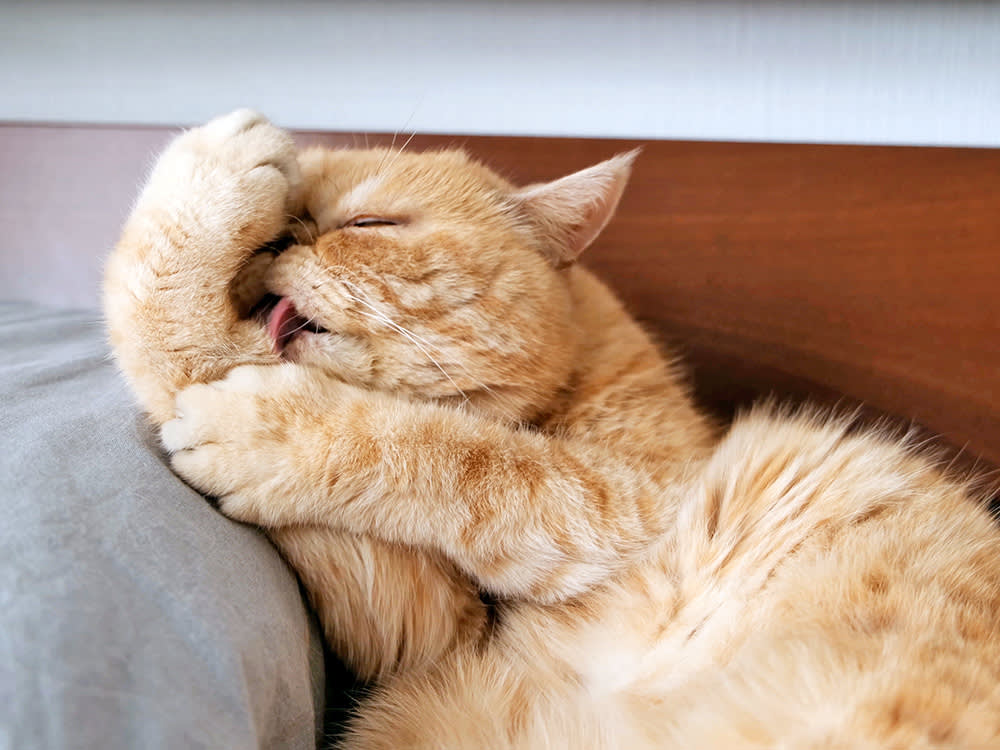
Is your cat spending too much time licking and grooming? You might be worried that this behavior isn’t normal.
Excessive grooming can cause your furry friend discomfort and lead to skin problems. But don’t worry—you’re not alone, and there are simple ways to help your cat feel better. You’ll discover why your cat grooms so much and what you can do to gently stop it.
Keep reading to learn easy tips that will make a big difference for your cat’s health and happiness.
Causes Of Excessive Grooming
Excessive grooming in cats can signal various underlying issues. Understanding the causes helps to address the problem effectively. Cats groom to keep clean, but too much grooming leads to skin damage and hair loss.
Several factors can trigger over-grooming. Some are physical, while others relate to behavior or environment. Recognizing these causes is the first step toward helping your cat.
Stress And Anxiety
Stress can make cats groom more than usual. Changes in the home, loud noises, or new pets often cause anxiety. Grooming acts as a way for cats to calm themselves. If stress lasts long, grooming may become excessive and harmful.
Skin Allergies
Allergies cause itching and discomfort on a cat’s skin. Cats scratch and groom to relieve this irritation. Allergies may come from food, dust, pollen, or flea bites. Identifying the allergen helps reduce the grooming behavior.
Parasite Infestations
Parasites like fleas and mites irritate the skin. Cats respond by licking and biting the affected areas. Parasite infestations often cause hot spots and hair loss. Treating the parasites quickly stops the excessive grooming cycle.
Pain Or Discomfort
Pain from injury or illness may cause a cat to groom a specific spot. Grooming can soothe sore muscles or wounds. Cats hide pain well, so watch for repeated licking of one area. Veterinary care can find and treat the source of pain.
Boredom And Lack Of Stimulation
Bored cats groom out of habit or to fill time. Without enough play or interaction, grooming becomes a repetitive activity. Increasing mental and physical stimulation can reduce this type of grooming. Toys, playtime, and attention keep cats busy and healthy.
:strip_icc()/the-kitty-1011094438-5c3d1af5c9e77c00015e66a6.jpg)
Credit: www.thesprucepets.com
Identifying Grooming Patterns
Recognizing your cat’s grooming habits helps manage excessive licking. Cats groom themselves daily to stay clean and calm. But too much grooming can cause skin issues and stress. Identifying grooming patterns gives clues about why your cat grooms too much. Watch closely for signs and changes in behavior.
Spotting Overgroomed Areas
Check your cat’s fur for patches of missing hair. Look for redness, scabs, or raw skin spots. These signs mean your cat grooms those areas too much. Common spots include belly, legs, and base of the tail. Overgroomed areas might feel sensitive or warm to touch. Regular checks help catch problems early.
Tracking Grooming Frequency
Note how often your cat grooms during the day. Normal grooming lasts a few minutes at a time. Excessive grooming can take up hours or happen repeatedly. Record the time spent grooming to spot any rise. Use a simple journal or phone app to track sessions. Changes in frequency signal discomfort or stress.
Behavioral Changes To Watch
Observe your cat for new or unusual behaviors. Restlessness, hiding, or irritability may appear with overgrooming. Your cat might lick more after stressful events or loud noises. Watch for chewing or biting skin, which worsens damage. Recognizing these changes helps address the root cause fast.
Creating A Calm Environment
Creating a calm environment is essential to help your cat stop excessive grooming. Cats often groom too much because they feel anxious or stressed. By making their surroundings peaceful and secure, you can reduce their urge to over-groom and improve their overall well-being.
Reducing Stress Triggers
Identify what causes your cat stress. It could be loud noises, new pets, or changes in routine. Once you know the triggers, try to minimize or remove them from your cat’s environment.
For example, if your cat reacts to loud TV sounds, keep the volume low or provide a quiet room. If visitors make your cat nervous, give them time to adjust slowly. Have you noticed specific moments when your cat starts grooming more? Observing these will help you act faster.
Providing Safe Spaces
Cats feel more relaxed when they have their own safe spots. Create cozy hideouts with soft bedding where your cat can retreat anytime. These spaces should be away from busy areas in your home.
Consider using cat trees or boxes placed in quiet corners. Your cat will appreciate a place to escape and feel secure. Have you tried giving your cat a private area to calm down? It often reduces stress-related grooming.
Using Calming Products
Calming products can help reduce your cat’s anxiety and stop over-grooming. Items like pheromone diffusers or sprays mimic natural scents that soothe cats. These products are easy to use and can make a big difference.
Another option is calming collars infused with natural herbs. Some cats respond well to supplements with ingredients like L-theanine or valerian root. Have you experimented with calming aids before? Sometimes a simple product can change your cat’s behavior.
)
Credit: www.northroadvet.com.au
Improving Physical Health
Excessive grooming in cats often signals a health issue. Improving your cat’s physical health can reduce this behavior. Focus on regular care and attention to their skin and overall wellness.
Regular Vet Checkups
Schedule vet visits at least once a year. Vets can spot hidden problems early. They check for allergies, infections, and other causes of grooming. Early detection helps prevent intense scratching or licking.
Treating Skin Conditions
Skin problems cause discomfort and over-grooming. Watch for redness, bumps, or hair loss. Use vet-prescribed treatments like creams or medications. Proper treatment soothes the skin and cuts grooming urges.
Parasite Prevention
Fleas and mites irritate cats and trigger grooming. Use flea preventatives recommended by vets. Regularly clean your cat’s bedding and living areas. Parasite control keeps your cat calm and less focused on grooming.
Engaging Your Cat Mentally And Physically
Engaging your cat both mentally and physically is crucial to curb excessive grooming behaviors. Over-grooming can often stem from boredom or lack of stimulation. By providing activities that challenge their minds and bodies, you can help redirect their energy in a healthier way. Let’s explore some practical strategies to achieve this.
Interactive Toys And Games
Interactive toys can be a game-changer for your cat’s mental engagement. Toys like puzzle feeders or electronic mice can captivate their attention for hours. They not only stimulate the mind but also mimic hunting behaviors, offering both fun and exercise.
Have you ever watched your cat pounce on a laser pointer dot? It’s not just fun to watch; it’s excellent for their agility and mental focus. Ensure you rotate toys regularly to keep them novel and interesting for your cat.
Scheduled Playtime
Setting aside dedicated playtime daily can help your cat burn off excess energy. Aim for at least two play sessions a day, each lasting about 10-15 minutes. This routine can help reduce stress and prevent boredom that leads to over-grooming.
Consider using a wand toy to encourage jumping and running. Do you notice your cat seems happier and more relaxed after playtime? It’s because you’re meeting both their physical and emotional needs.
Environmental Enrichment
Creating a stimulating environment is key to keeping your cat entertained. Simple additions like cat trees, shelves, or window perches can make a huge difference. They provide your cat with opportunities to climb and observe, mimicking their natural instincts.
Adding scratching posts or hiding treats around the house can also offer mental stimulation. Have you tried setting up a bird feeder outside a window? Watching birds can be an endless source of entertainment for your feline friend.
By engaging your cat mentally and physically, you not only help curb excessive grooming but also contribute to a happier, healthier pet. What new activities will you try with your cat today?
Using Behavioral Techniques
Using behavioral techniques can be a gentle and effective way to help your cat reduce excessive grooming. These methods focus on encouraging positive habits and gently guiding your cat away from over-grooming without causing stress. Understanding your cat’s behavior is key to shaping new routines that feel natural to them.
Positive Reinforcement
Reward your cat when they take breaks from grooming or engage in other activities. This could be a treat, extra petting, or playtime—whatever your cat enjoys most. Positive reinforcement helps your cat associate less grooming with good things, making them more likely to repeat the behavior.
Think about a time when your cat stopped grooming and looked around for attention. If you immediately gave them a treat, you’d be encouraging that pause in grooming. Could you use this to your advantage?
Redirecting Grooming Behavior
If your cat starts grooming too much, gently redirect their attention to a toy or an interactive game. Offering a scratching post or a puzzle feeder can provide a healthy outlet for their energy and focus. This shift helps distract your cat from the urge to groom excessively.
Try observing when your cat tends to over-groom—is it during moments of boredom or anxiety? Redirecting their energy right at those times can prevent the habit from becoming a constant issue.
Avoiding Punishment
Punishing your cat for grooming too much can increase their stress and make the problem worse. Cats don’t understand punishment in the way humans do, and it can damage your trust. Instead, stay calm and patient as you guide your cat toward better habits.
Have you noticed how your cat reacts to a raised voice or a quick movement? These reactions often increase anxiety, which may trigger more grooming. Wouldn’t a calm, reward-based approach be a better fit for your cat’s sensitive nature?
When To Seek Professional Help
Knowing when to get professional help is crucial if your cat grooms too much. Excessive grooming may hide health or behavior problems. Early action can prevent serious issues. Watch your cat’s grooming habits closely. Changes in behavior or skin condition need attention. Understanding when to seek expert advice keeps your cat healthy and happy.
Recognizing Serious Issues
Excessive grooming can cause bald spots, sores, or redness. Your cat might lick until the skin bleeds. This can lead to infections or pain. Notice if your cat scratches often or seems anxious. Sudden changes in grooming may signal allergies or parasites. Behavioral problems like stress or boredom also cause over-grooming. These signs require prompt attention to avoid harm.
Consulting A Veterinarian
A veterinarian checks for medical causes behind grooming. They examine the skin for infections or parasites. Blood tests may find allergies or hormonal problems. The vet can suggest treatments like medication or special shampoos. Early diagnosis helps stop the problem before it worsens. Regular vet visits support your cat’s overall well-being.
Exploring Veterinary Behaviorists
Some grooming issues stem from stress or anxiety. Veterinary behaviorists specialize in these problems. They observe your cat’s habits and environment. Behaviorists create plans to reduce stress triggers. They may recommend training or calming products. Their expertise helps manage grooming caused by emotional issues. Working with a behaviorist improves your cat’s quality of life.

Credit: www.latimes.com
Frequently Asked Questions
Why Is My Cat Grooming Excessively?
Excessive grooming may signal stress, allergies, or skin issues. It can also indicate boredom or pain. Identifying the cause helps manage the behavior effectively.
How Can I Reduce My Cat’s Over-grooming Habits?
Provide mental stimulation, regular playtime, and a calm environment. Consult a vet to rule out medical causes like allergies or parasites.
Can Diet Affect A Cat’s Grooming Behavior?
Yes, poor nutrition can lead to skin problems, prompting more grooming. A balanced diet with essential fatty acids improves coat health and reduces over-grooming.
When Should I See A Vet For My Cat’s Grooming?
Visit a vet if grooming causes hair loss, sores, or behavioral changes. Early diagnosis prevents complications and ensures proper treatment.
Conclusion
Cats groom to stay clean and healthy, but too much can signal a problem. Watch your cat closely to spot signs of stress or skin issues. Offer toys and attention to keep your cat busy and calm. Regular vet visits help catch health problems early.
Small changes at home can reduce your cat’s grooming habits. Patience and care make a big difference. Your cat will feel better and be happier with these simple steps. Keep trying and enjoy a calm, content kitty.




Leave a Reply