Have you noticed your cat isn’t grooming himself like he used to? It’s natural to expect cats to keep themselves clean, but when your furry friend stops licking and cleaning, it can be worrying.
You might wonder if something is wrong or if your cat needs help. Understanding why your cat won’t groom himself is key to keeping him healthy and happy. Keep reading, and you’ll discover the surprising reasons behind this behavior and what you can do to help your beloved pet feel his best again.
Credit: felinefancy.co.uk
Common Grooming Habits
Understanding your cat’s grooming habits is key to noticing when something might be wrong. Cats are usually meticulous about their cleanliness, spending a good part of their day grooming themselves. But what exactly does normal grooming look like? And how do cats keep themselves clean? Let’s break down these habits so you can better observe your furry friend.
Normal Grooming Behavior
Cats typically groom themselves several times a day, using their tongue to clean their fur. This behavior helps remove dirt, loose hair, and parasites. You might notice your cat licking areas like the face, neck, and legs with focused attention.
Grooming also helps cats regulate their body temperature and reduce stress. If your cat suddenly stops this routine, it might be a sign that something is bothering them physically or emotionally. Have you ever seen your cat skip grooming and wondered why?
How Cats Maintain Cleanliness
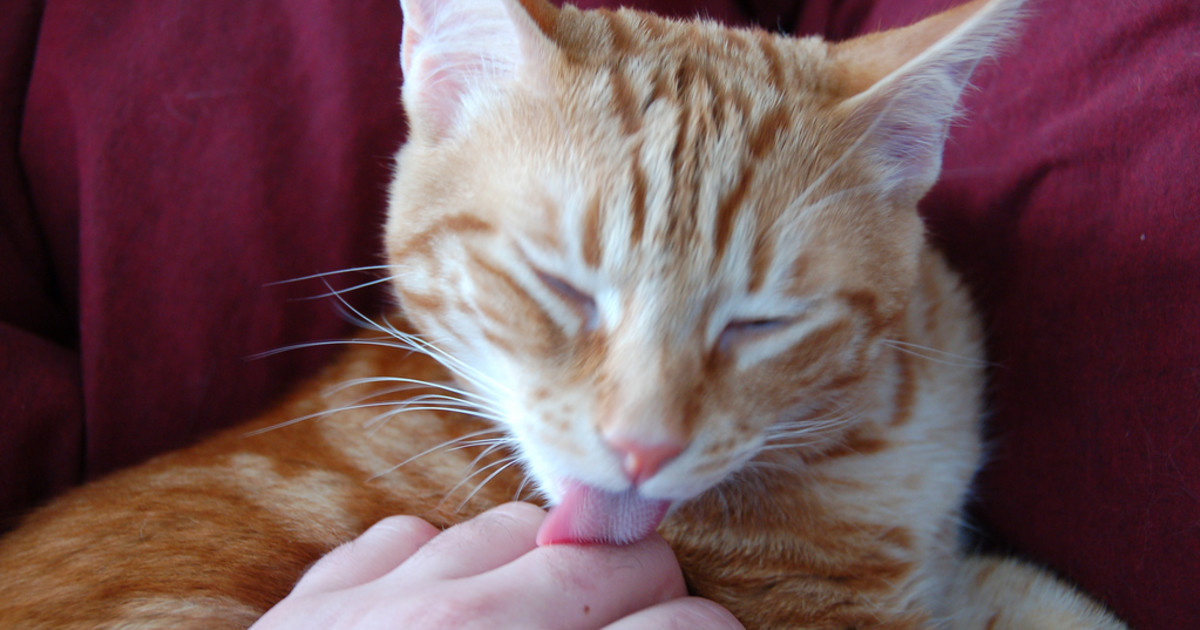
Cats use their rough tongues like tiny combs to detangle fur and spread natural oils. These oils keep their coat shiny and waterproof. They also use their paws to wash their face, moistening them with saliva first.
Besides self-grooming, cats sometimes groom each other, especially if they share a close bond. This social grooming reinforces relationships and helps keep hard-to-reach places clean. Observing whether your cat engages in this behavior can tell you a lot about their social and emotional state.
Credit: pethelpful.com
Health Issues Affecting Grooming
Cats usually keep themselves very clean by grooming. When a cat stops grooming, health problems might be the cause. These issues can make grooming hard or painful. Understanding these health problems can help you support your cat better.
Skin Conditions
Skin problems can stop a cat from grooming. Issues like fleas, allergies, or infections cause itching and pain. Cats may avoid grooming sore or irritated areas. Dry or flaky skin also makes grooming uncomfortable. Watch for redness, bumps, or hair loss on your cat.
Pain And Arthritis
Pain can make grooming difficult for cats. Arthritis is common in older cats and affects joints. Stiffness or soreness can stop cats from reaching parts of their body. They may stop grooming to avoid pain. Notice if your cat moves slowly or limps.
Dental Problems
Dental pain affects grooming habits too. Cats with toothache or gum disease may avoid licking their fur. Mouth pain can make grooming stressful. Bad breath, drooling, or difficulty eating are signs of dental issues. These problems need a vet’s attention for relief.
Emotional And Psychological Factors
Emotional and psychological factors play a big role in a cat’s grooming habits. Cats often stop grooming when they feel stressed or unhappy. These feelings affect their energy and desire to care for themselves. Understanding these factors helps identify why a cat might neglect grooming.
Stress And Anxiety
Stress can make a cat stop grooming. Changes in the environment, loud noises, or new pets cause anxiety. An anxious cat may hide or refuse to clean its fur. Stress lowers their motivation to groom and stay clean.
Common stress triggers include:
- Moving to a new home
- New family members or pets
- Loud or sudden noises
- Changes in daily routine
Stress affects a cat’s behavior and health. Grooming often stops as a sign of distress.
Depression In Cats
Depression can also cause grooming problems. A depressed cat may lose interest in activities like cleaning. This can lead to dirty, matted fur or skin issues. Depression can happen after losing a companion or due to illness.
Signs of depression include:
- Less play and movement
- Hiding or avoiding people
- Loss of appetite
- Neglecting grooming
Recognizing depression helps in finding the right care. A calm, loving environment may encourage grooming again.
Environmental Influences
Environmental factors play a big role in your cat’s grooming habits. If your cat suddenly stops grooming, it might be reacting to something around it. Understanding these influences can help you spot problems early and make your cat feel comfortable again.
Changes In Surroundings
Have you recently moved or rearranged furniture? Cats are creatures of habit and can get stressed by sudden changes. This stress can cause them to stop grooming themselves properly.
Even small changes, like a new pet or different people in the house, can make your cat feel insecure. When your cat feels unsafe, grooming may take a backseat to more urgent concerns. Try to keep your cat’s environment calm and predictable to encourage regular grooming.
Lack Of Stimulation
Is your cat bored or lacking playtime? Without enough mental and physical activity, cats can become depressed or lethargic. This state often leads to less self-care, including grooming.
Think about how you feel when stuck in a dull routine. Your cat can feel the same way. Adding interactive toys, scheduled play sessions, or even a window perch to watch outside can boost your cat’s mood and grooming habits.
Age-related Grooming Challenges
As cats age, you might notice changes in their grooming habits. This can be puzzling, especially if your feline friend was once meticulous about keeping their fur pristine. Age-related grooming challenges are common and understanding them can help you provide the support your cat needs.
Senior Cat Mobility Issues
Aging often brings about mobility issues in cats. Arthritis and joint stiffness are common culprits that make self-grooming difficult. When a cat struggles to reach certain areas, their grooming routine may suffer.
Imagine trying to scratch an itch but your body just won’t cooperate. This can be incredibly frustrating for your pet. To help, consider providing soft beds and ramps to reduce joint strain, allowing your senior cat to move more comfortably.
Cognitive Decline
Cognitive decline in older cats can also impact grooming habits. Just like humans, cats can experience memory and focus issues as they age. They might simply forget to groom or become easily distracted.
Have you ever misplaced your keys and wandered aimlessly trying to remember? Your cat might be experiencing a similar kind of confusion. To support them, maintain a consistent routine and ensure a calm environment to help minimize stress.
Understanding these age-related challenges allows you to empathize and adapt to your cat’s changing needs. How will you support your aging cat today?
Parasites And Allergies
Parasites and allergies often stop cats from grooming themselves properly. These issues cause discomfort and irritation. Cats may avoid cleaning spots that hurt or itch. This behavior can lead to dirty fur and skin problems.
Fleas And Mites
Fleas and mites bite and irritate a cat’s skin. The itching makes cats restless and unhappy. They might scratch or bite themselves a lot. This can cause hair loss and wounds. Heavy infestations can make cats too weak to groom. Check your cat’s fur for tiny moving insects. Fleas often hide near the tail and neck.
Allergic Reactions
Allergies cause redness and swelling on a cat’s skin. Cats may lick or scratch the itchy areas often. This behavior can stop them from grooming normally. Common allergens include food, dust, and pollen. Some cats react to flea saliva too. Allergic cats need special care to feel better. Watch for constant scratching or bald patches.
When To Seek Veterinary Help
Noticing that your cat isn’t grooming himself can be worrying. While sometimes it’s just a phase, other times it signals an underlying issue that needs professional care. Knowing when to seek veterinary help can make all the difference in your cat’s health and comfort.
Warning Signs
Watch closely for changes beyond just skipped grooming sessions. Is your cat suddenly avoiding movement or hiding more often? These behaviors can indicate pain or illness.
Look for physical signs like:
- Mattes or clumps of fur
- Red, irritated skin or sores
- Excessive licking or scratching in one area
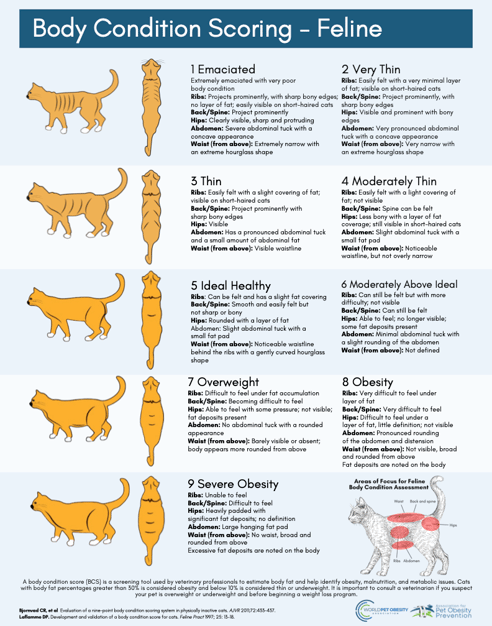
- Weight loss or loss of appetite
- Changes in behavior such as aggression or lethargy
If you notice any of these, don’t wait. Your cat may be trying to tell you something serious.
Diagnostic Procedures
When you bring your cat to the vet, expect a thorough examination. The vet will check your cat’s skin, coat, and overall condition.
They might recommend tests like:
- Blood work to detect infections or organ problems
- Skin scrapings to identify parasites or fungal infections
- Allergy testing if an allergic reaction is suspected
- X-rays or ultrasounds if internal issues are possible
These procedures help pinpoint the cause so your vet can suggest the best treatment. Your cat’s comfort and health depend on accurate diagnosis and timely care.

Credit: www.reddit.com
Tips To Encourage Grooming
Encouraging your cat to groom can improve their well-being. If your feline friend has stopped grooming, there are ways to help. Here are some tips to encourage your cat to groom themselves more frequently.
Regular Brushing
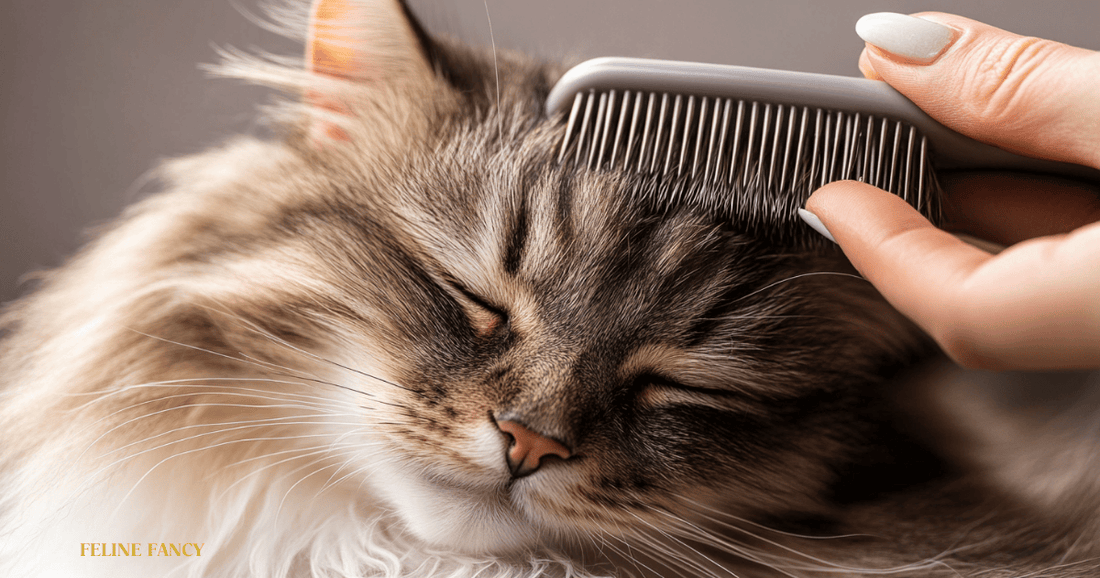
Regular brushing can stimulate your cat’s grooming habits. Use a soft brush and start gently. Brush your cat once a day to remove loose fur. This mimics natural grooming and can encourage self-grooming.
Creating A Stress-free Environment
A calm environment reduces stress and promotes grooming. Ensure your cat has a quiet, safe space. Minimize loud noises and sudden changes. Stress can affect grooming, so create a peaceful home.
Diet And Hydration
A balanced diet affects your cat’s skin and coat health. Provide high-quality food rich in omega-3 and omega-6 fatty acids. Ensure your cat drinks plenty of water daily. Proper hydration supports healthy skin and fur.
Frequently Asked Questions
Why Won’t My Cat Groom Himself Regularly?
Cats may stop grooming due to pain, illness, or stress. Conditions like arthritis or dental issues can hinder grooming. Behavioral changes or anxiety also affect self-care. Observing your cat’s behavior helps identify the cause for proper treatment.
Can Health Problems Cause Grooming Issues In Cats?
Yes, health problems like skin infections, parasites, or obesity often cause grooming difficulties. Illnesses may reduce a cat’s energy or flexibility, making grooming painful or hard. A vet visit is essential to diagnose and treat underlying issues.
How Does Stress Affect A Cat’s Grooming Habits?
Stress can lead to reduced or excessive grooming in cats. Changes in environment or routine cause anxiety, impacting self-care. Stress management, environmental enrichment, and vet advice can help restore normal grooming habits.
When Should I See A Vet About Grooming Problems?
See a vet if your cat stops grooming suddenly or shows bald spots, wounds, or odor. Persistent grooming issues may indicate serious health problems requiring professional care. Early diagnosis improves treatment success and your cat’s comfort.
Conclusion
Cats may stop grooming for many reasons, like illness or stress. Watch your cat closely for changes in behavior or fur condition. Regular vet visits help catch problems early. You can gently help your cat by brushing its fur. Keep the environment calm and comfortable to reduce stress.
Understanding why your cat won’t groom itself improves its health and happiness. Taking small steps makes a big difference for your furry friend. Stay patient and caring—your cat needs your support.




Leave a Reply