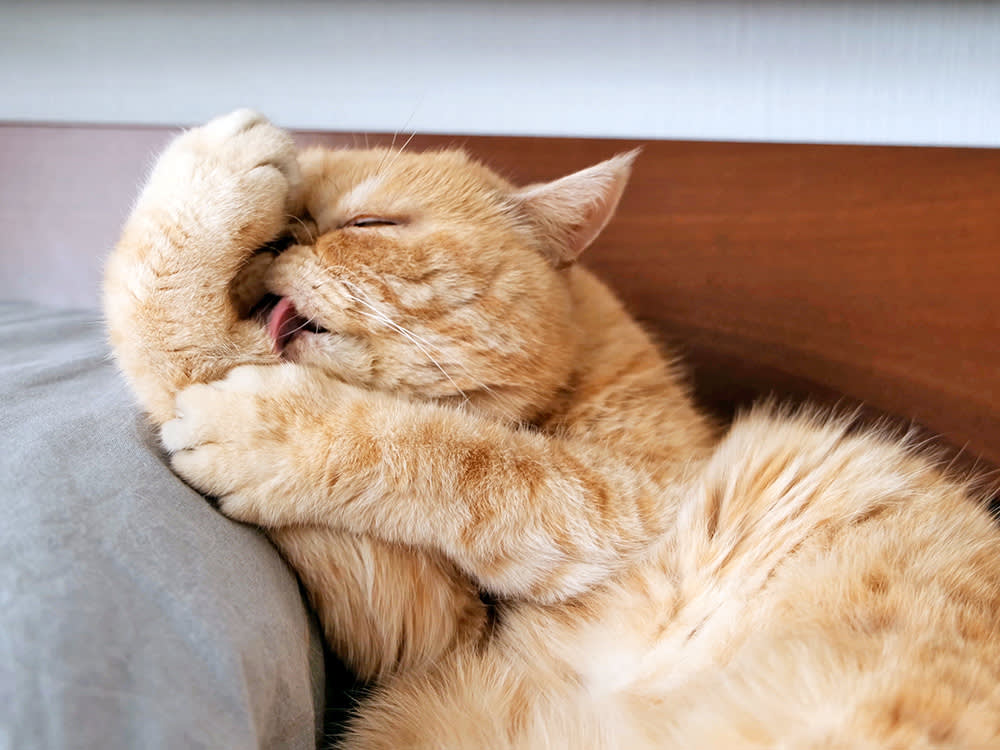
Have you ever watched your cat carefully licking its fur before curling up for a nap and wondered why? It’s not just a cute habit—there’s a fascinating reason behind this grooming ritual.
Understanding why your cat grooms before sleeping can help you connect with your furry friend on a deeper level. You’ll discover the surprising benefits of this behavior and what it means for your cat’s health and happiness. Keep reading, because what you learn might change how you see your cat’s bedtime routine forever.
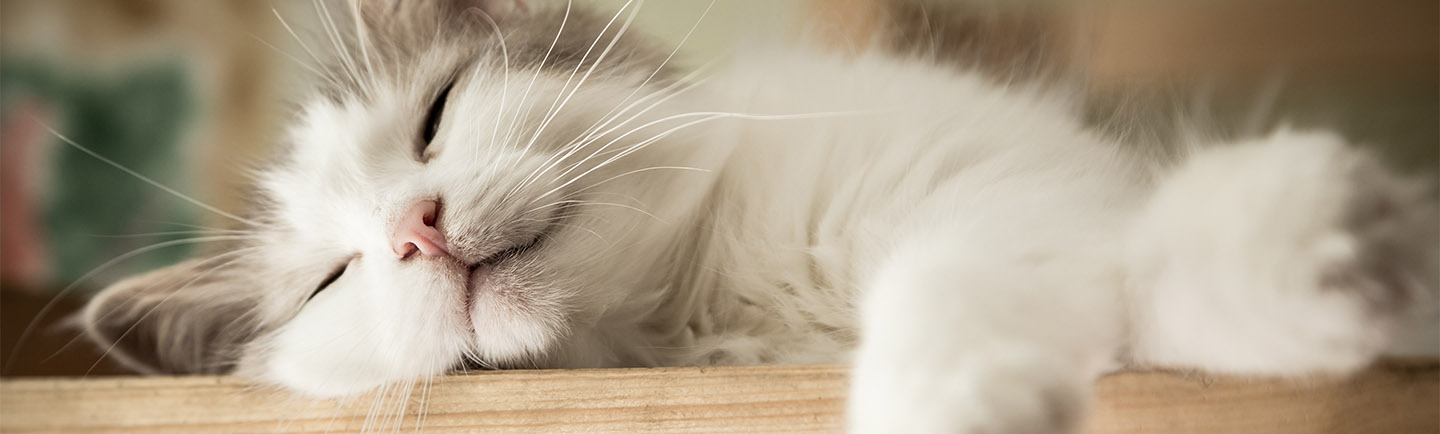
Credit: nexgard.com.au
Cats’ Grooming Habits
Understanding your cat’s grooming habits can reveal a lot about their daily routine and emotional state. Cats often clean themselves before settling down to sleep, but why do they do this so consistently? Observing these habits helps you connect better with your furry friend and notice any changes that might signal health issues.
Frequency And Patterns
Cats groom themselves multiple times a day, sometimes spending up to half of their waking hours cleaning. This behavior isn’t random; it follows a predictable pattern tied to their activity and rest cycles. You might notice your cat grooming more intensely right before sleep, which helps them relax and prepare for rest.
Have you ever noticed your cat pausing after a grooming session just before curling up? This isn’t just about cleanliness—it’s a ritual that signals winding down. Tracking when and how often your cat grooms can give you clues about their comfort level and well-being.
Common Grooming Behaviors
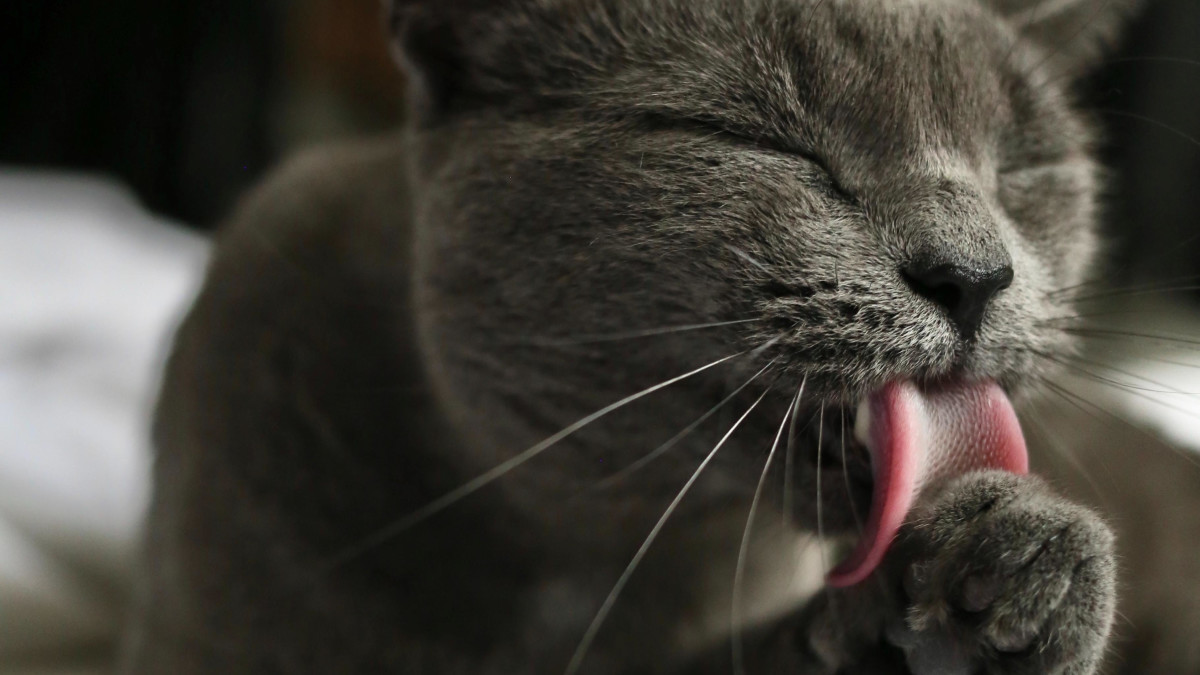
Cats use their tongues, paws, and teeth to groom different parts of their bodies. They start with the face and head, then move to the neck, back, and tail. This sequence is almost like a checklist they follow to ensure every spot is covered.
- Face licking:Cats lick their nose and cheeks to clean sensitive areas.
- Paw licking:They wet their paws to wipe down their head and ears.
- Bite grooming:Gentle nibbling helps remove dirt or loose fur.
These behaviors are not only about hygiene but also comfort. If you see your cat skipping certain grooming steps, it might mean they’re feeling stressed or unwell. Do you pay attention to these small details in your cat’s routine?
Grooming And Sleep Connection
Have you ever noticed your cat meticulously cleaning itself right before curling up to sleep? This behavior is no accident. Grooming and sleep are closely linked in your cat’s daily routine, serving important roles in their well-being and comfort.
Preparing For Rest
Grooming acts as a way for cats to prepare their bodies for sleep. It helps remove dirt, loose fur, and anything that might cause discomfort during rest.
Think about it—would you want to lie down wearing itchy or dirty clothes? Neither would your cat. By grooming, they ensure their fur is clean and smooth, making it easier to settle down comfortably.
This self-care ritual also signals to your cat’s brain that it’s time to wind down. It’s like a bedtime routine that helps them transition from activity to relaxation.
Comfort And Relaxation
Beyond cleanliness, grooming releases endorphins that calm your cat’s mind and body. This natural relaxation tool lowers stress levels, making sleep more restful.
Have you ever felt calmer after a warm bath or a gentle massage? Grooming provides a similar soothing effect for cats.
When your cat grooms before sleep, they’re not just tidying up—they’re creating a peaceful environment for themselves. This habit can help them fall asleep faster and stay asleep longer.
Health Benefits Of Grooming
Cats spend a lot of time grooming themselves before they sleep. Grooming is not just about looking clean. It has many health benefits that help cats stay healthy and comfortable. Grooming helps protect their skin and fur and keeps their body at the right temperature.
Skin And Fur Care
Grooming removes dirt and loose fur from a cat’s coat. It stops mats and tangles from forming. This keeps the fur soft and shiny. Grooming also spreads natural oils across the fur. These oils protect the skin and hair from drying out. Clean skin lowers the chance of infections and parasites. Grooming helps cats avoid skin problems and stay healthy.
Temperature Regulation
Before resting, cats groom to help control their body temperature. Licking spreads saliva on their fur. When the saliva dries, it cools their skin. This works like natural air conditioning. Grooming also removes extra fur. It helps cats stay warm in cold weather or cool in heat. Proper temperature helps cats sleep better and feel relaxed.
Stress Relief Through Grooming
Cats often groom themselves before sleep not just to stay clean but also to manage their stress levels. This grooming acts like a natural calming ritual that helps them unwind and prepare for rest. Understanding this behavior can give you insights into how your cat copes with anxiety and tension.
Calming Effects
Grooming triggers the release of endorphins, which are natural feel-good chemicals in your cat’s brain. These chemicals help soothe their nervous system and create a sense of calm. If you watch closely, you’ll notice your cat’s breathing slows and their body relaxes during grooming, signaling a drop in stress.
Have you ever noticed how your cat becomes more affectionate or mellow after grooming? This is because the calming effects extend beyond just physical cleanliness—they affect their mood too.
Reducing Anxiety
Grooming serves as a distraction from stressful stimuli. When your cat feels anxious—whether it’s due to loud noises or unfamiliar visitors—they often turn to grooming to regain control and feel safer.
This behavior is similar to how humans might fidget or take deep breaths to manage anxiety. If your cat grooms excessively before bed, it might be their way of coping with worries you might not even be aware of.
- Notice if grooming increases during changes in environment or routine.
- Try to create a calm space for your cat to help reduce their anxiety.
- Use gentle petting or soothing voices to support their relaxation.
Next time your cat starts grooming before sleep, ask yourself: what might they be trying to calm down from? Observing this can help you better support their emotional well-being.
Social And Instinctual Reasons
Cats groom before sleeping to remove dirt and odors, ensuring their safety from predators. This grooming ritual also strengthens their social bonds and provides comfort, promoting a sense of security before resting.
Cats are fascinating creatures, and one of their most intriguing behaviors is grooming before they sleep. This seemingly simple act is loaded with social and instinctual reasons. Understanding why cats engage in this ritual can deepen your appreciation for your feline friend and offer insights into their world.Territory Marking
Cats have scent glands located in their skin, particularly around their face and neck. When they groom, they spread their unique scent all over their body. This scent marking isn’t just for claiming territory against other animals; it also creates a familiar and comforting space for themselves. Think about your cat’s favorite sleeping spot. It’s not just about comfort—it’s a carefully marked territory that smells like them. This behavior is a subtle yet powerful way cats maintain their sense of security and ownership over their environment.Instinctual Behavior
Grooming before sleep is deeply rooted in a cat’s instincts. In the wild, cats need to keep their fur clean to prevent parasites and to maintain a stealthy presence. Grooming helps them stay silent by removing smells that could give away their location to predators. Even your indoor cat, safely curled up on the couch, retains these ancient instincts. This ritualistic cleaning is not just about hygiene; it’s a survival mechanism. It’s a way for cats to ensure they’re ready for any situation, even if they’re just preparing for a nap. Engaging with your cat as they groom can be a bonding experience. Why not observe your cat the next time they prepare for sleep? You might notice patterns or preferences that tell you more about their personality. Understanding these behaviors can enhance your relationship with your pet, turning a simple grooming session into a moment of connection.
Credit: www.catsessentials.com
When Grooming Signals Issues
Grooming is a natural behavior for cats before they settle down to sleep. However, sometimes grooming can signal something is wrong. Understanding when your cat’s grooming habits cross the line from normal to concerning can help you spot health issues early.
Excessive Grooming
Have you noticed your cat licking or biting the same spot repeatedly? Excessive grooming can cause bald patches or irritated skin. This behavior might mean your cat is stressed, anxious, or dealing with an allergy.
Watch for frequent licking beyond normal cleaning. If your cat seems obsessed with grooming one area, it’s time to check for fleas, skin infections, or even pain. Don’t ignore this—your cat might be trying to tell you something isn’t right.
Signs Of Discomfort
Grooming might also increase if your cat feels uncomfortable or in pain. Cats often hide discomfort, but changes in grooming can be a subtle clue. You might see them licking wounds, sore spots, or areas affected by arthritis.
Pay attention to your cat’s body language during grooming. If they flinch, growl, or seem restless, there could be an underlying problem. Asking yourself, “Is my cat grooming because they are clean or because they hurt?” can guide your next steps.
Tips For Cat Owners
Cats grooming before sleep is a natural behavior that keeps them clean and calm. As a cat owner, understanding this habit helps you support your pet’s health and happiness. Offering the right care encourages your cat to groom properly and stay comfortable. Watch for signs that might need a vet’s attention.
Encouraging Healthy Grooming
- Provide a quiet and safe resting area.
- Brush your cat regularly to reduce loose fur.
- Keep your cat’s nails trimmed to prevent skin scratches.
- Offer a balanced diet to maintain a healthy coat.
- Make grooming a positive experience with gentle handling.
- Remove mats and tangles gently to avoid discomfort.
When To Consult A Vet
- Notice excessive licking or scratching.
- Check for bald spots or irritated skin.
- Observe changes in grooming habits.
- Look for signs of pain during grooming.
- Seek advice if your cat stops grooming entirely.
- Consult a vet if skin issues persist or worsen.
Credit: www.tippaws.com
Frequently Asked Questions
Why Do Cats Groom Before They Sleep?
Cats groom before sleeping to clean their fur and relax. Grooming removes dirt and loose hair, making them comfortable. It also helps lower their body temperature, promoting better sleep. This behavior is instinctive, ensuring they stay clean and calm before resting.
Does Grooming Before Sleep Help Cats Feel Safe?
Yes, grooming helps cats feel safe by reducing stress. It’s a calming ritual that prepares them mentally for sleep. Grooming releases endorphins, which soothe anxiety and create a sense of security. This routine signals their body that it’s time to rest.
How Does Grooming Affect A Cat’s Sleep Quality?
Grooming improves sleep quality by relaxing muscles and calming the mind. It removes irritants and allergens, preventing discomfort during sleep. This self-care routine helps cats settle faster and enjoy deeper, undisturbed rest.
Can Grooming Before Sleep Prevent Skin Problems?
Regular grooming removes dirt and oils, reducing skin issues. It helps distribute natural oils evenly, keeping skin healthy. Grooming before sleep ensures cleanliness and prevents infections or irritations while resting.
Conclusion
Cats groom before sleep to feel clean and calm. This habit helps them relax and stay healthy. Grooming also keeps their fur soft and free from dirt. It is a natural way for cats to prepare for rest. Understanding this behavior helps us care better for our pets.
Next time you see your cat grooming, remember it’s part of their routine. Simple, natural, and important for their comfort.


Leave a Reply