Are you thinking about bringing a cat into your life? Choosing the right breed can make a big difference in your cat’s health and happiness.
Some cat breeds are known to face more health problems than others, and knowing which ones can help you make a smarter choice. If you want to avoid unexpected vet bills and heartache, you need to understand which cat breed has the most health issues.
Keep reading to find out which furry friends might come with hidden health challenges and what you can do to keep your future companion healthy and happy.
Credit: worldanimalfoundation.org
Common Health Issues In Cats
Understanding the common health issues in cats is essential for any pet owner. Some breeds are more prone to specific problems, and recognizing these can help you provide better care. Are you aware of the health challenges your cat’s breed might face?
Genetic Disorders
Many health problems in cats come from their genes. Certain breeds inherit conditions like hypertrophic cardiomyopathy, a heart disease common in Maine Coons and Ragdolls. Persian cats often face polycystic kidney disease, which can lead to kidney failure.
Knowing your cat’s breed helps you watch for signs early. Regular vet check-ups can catch these issues before they become severe. Have you ever noticed symptoms that seemed unusual but later turned out to be genetic?
Chronic Conditions
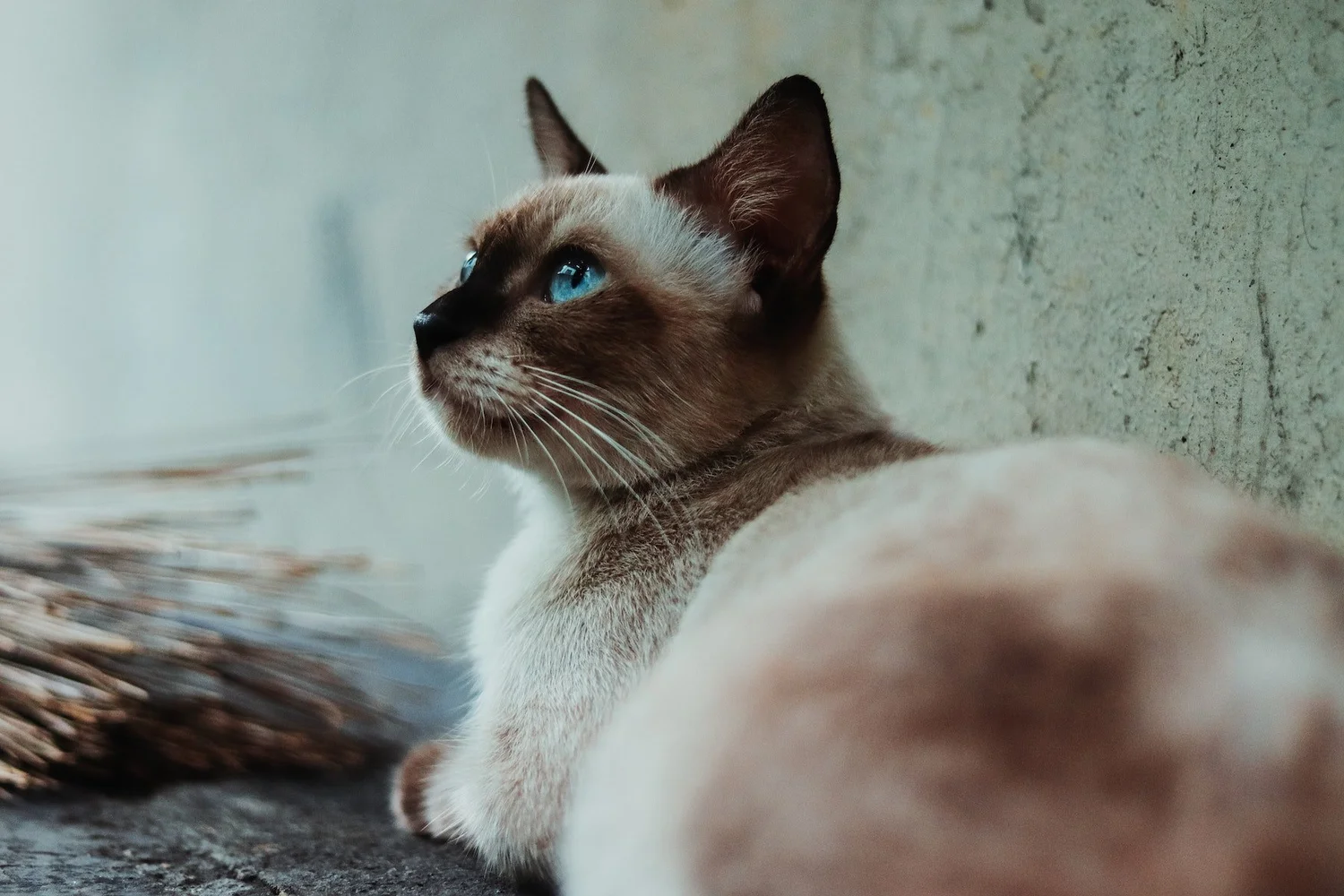
Chronic illnesses like diabetes and arthritis affect many cats as they age. Siamese cats, for example, are more susceptible to asthma and respiratory issues. Obesity is another common problem that worsens chronic diseases and is often linked to poor diet or inactivity.
Managing these conditions requires a mix of proper diet, exercise, and medication. You can make a big difference in your cat’s quality of life by spotting early warning signs. What steps do you take to keep your cat active and healthy?
Infectious Diseases
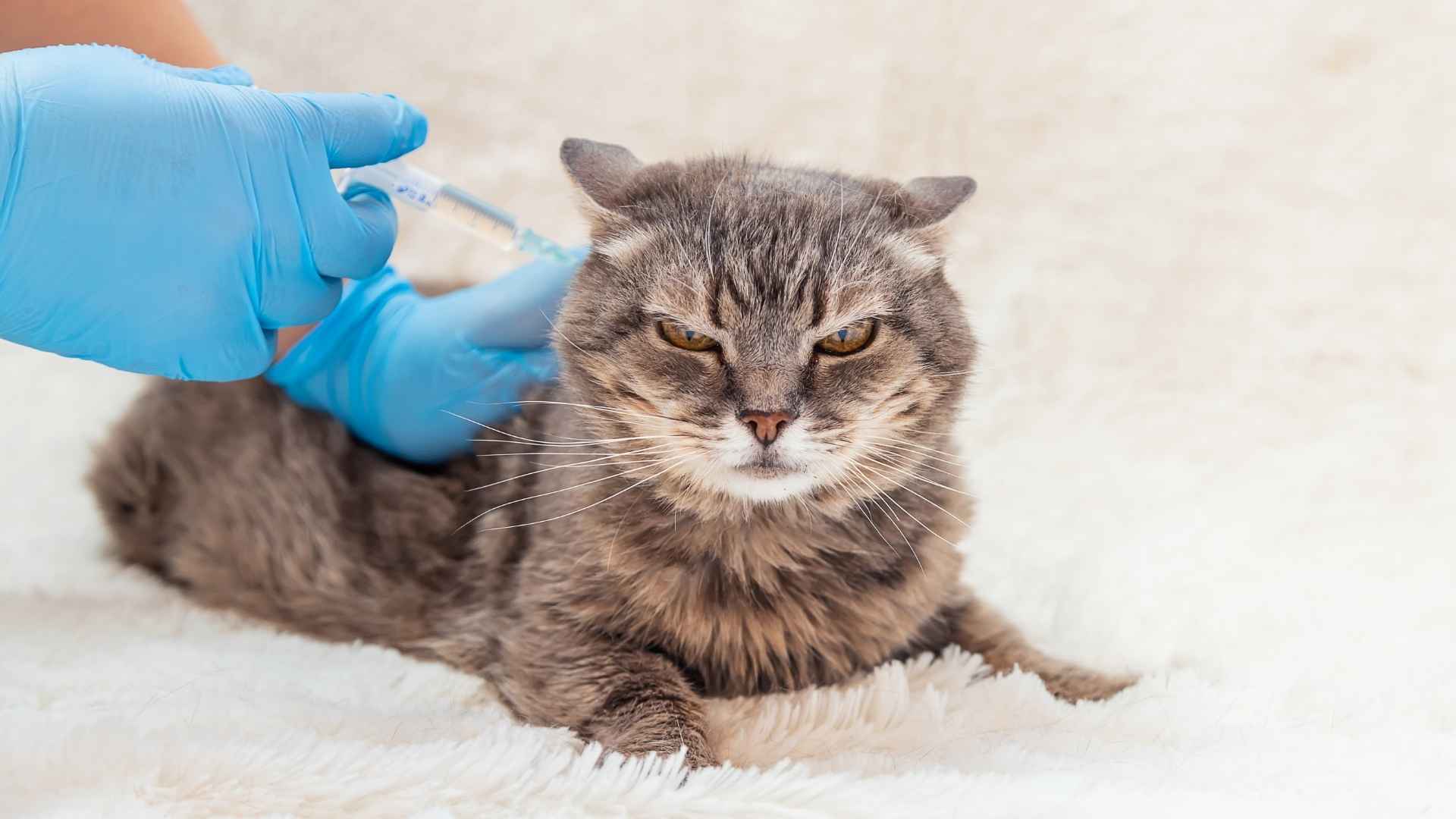
Infectious diseases can strike any cat but may be more severe in certain breeds with weaker immune systems. Feline leukemia virus (FeLV) and feline immunodeficiency virus (FIV) are serious threats that spread through close contact. Vaccinations and regular vet visits are your best defense.
Pay attention if your cat shows symptoms like weight loss, lethargy, or frequent infections. Early diagnosis can save your cat from long-term suffering. Have you kept up with your cat’s vaccination schedule to protect against these risks?
Breeds With Highest Health Risks
Some cat breeds carry a higher risk of health problems than others, which can impact their quality of life and your experience as an owner. Knowing which breeds have these risks helps you prepare for potential medical needs and make informed choices. Let’s look at three breeds known for their health challenges and what you should watch out for if you have one.
Persian Cats
Persians are famous for their luxurious coats and flat faces, but these features come with health costs.
Their brachycephalic (flat) faces often cause breathing difficulties and eye problems like excessive tearing or infections.
You might notice your Persian struggling with nasal congestion or needing frequent eye cleaning. They’re also prone to kidney disease, which requires regular vet checkups.
Sphynx Cats
Sphynx cats lack fur, which makes them unique but also vulnerable.
Without a protective coat, their skin is prone to sunburn, dryness, and infections. Regular bathing is essential to remove oil buildup.
They often have heart issues, such as hypertrophic cardiomyopathy, so heart screenings are important to catch problems early.
Scottish Folds
Scottish Folds are beloved for their folded ears, but this trait hides a serious health risk.
The gene causing ear folding also affects cartilage throughout their body, leading to painful arthritis and mobility issues.
Owners may see stiffness or reluctance to move as the cat ages. Early diagnosis and pain management can improve their comfort.
Causes Behind Breed-specific Problems
Breed-specific health problems in cats often arise from genetic and breeding choices. These problems do not happen by chance. They result from human influence on breeding practices and the physical traits selected for. Understanding these causes helps identify why some breeds face more health issues.
Selective Breeding
Selective breeding focuses on certain traits like color, size, or behavior. Breeders choose cats that show these traits to produce kittens with the same features. This process can reduce genetic diversity. A smaller gene pool increases the risk of inherited diseases. Some health problems become common in specific breeds due to this selection process.
Physical Traits And Health
Certain physical traits can cause health problems. For example, flat-faced breeds often have breathing difficulties. Long-haired cats may suffer from hairballs and skin issues. Traits like body shape or eye size can affect a cat’s comfort and health. Choosing extreme physical features sometimes harms the cat’s well-being.
Inbreeding Consequences
Inbreeding happens when close relatives mate to keep breed traits pure. This practice raises the chance of genetic disorders. It can lead to weak immune systems and shorter lifespans. Inbred cats may show more birth defects and chronic diseases. Avoiding inbreeding is crucial for healthier cat populations.
Credit: www.ministryofcat.com
Signs Your Cat May Be At Risk
Understanding the signs of potential health issues in cats is crucial. Certain cat breeds are more prone to health problems. Recognizing early warning signs can help manage these issues. Some signs are subtle, others more obvious. Keep a close watch on your feline friend.
Behavioral Changes
Cats may hide more than usual. Increased aggression or irritability can be a sign. Changes in eating habits are another red flag. A normally active cat may become lethargic. Watch for any unusual behaviors in your pet.
Physical Symptoms
Look for changes in weight. Sudden weight loss or gain can indicate problems. Check for unusual lumps or bumps on the body. Monitor for coughing or sneezing. Watery eyes or a runny nose can also be symptoms. Pay attention to their coat; it should be shiny and smooth. A dull coat may signal health issues.
Routine Vet Checkups
Regular vet visits are essential for your cat’s health. They can catch issues before they become serious. Discuss any changes you’ve noticed with your vet. Preventative care can extend your cat’s life. Ensure vaccinations are up-to-date. Keep a schedule for regular checkups to maintain good health.
Preventive Measures For Healthier Cats
Keeping your cat healthy goes beyond just love and playtime. Taking preventive measures can drastically reduce the risk of health problems, especially if you know which breeds are more prone to certain issues. Small daily actions can make a big difference in your cat’s quality of life and longevity.
Choosing A Healthy Breed
Some cat breeds are more prone to genetic health problems. Knowing this helps you make a smart choice before bringing a cat home. For example, Persian cats often face respiratory and eye issues due to their flat faces, while Maine Coons are more likely to develop heart conditions.
Ask breeders about the health history of their cats. Avoid breeds with a high risk of hereditary diseases if you want fewer veterinary visits. Have you checked if the breed you love has a common health problem that could be prevented?
Proper Nutrition And Care
Your cat’s diet plays a huge role in its health. Feeding high-quality food that meets your cat’s specific needs supports its immune system and keeps weight in check. Overweight cats often face joint problems and diabetes, so portion control is key.
Also, provide fresh water daily and maintain grooming routines. Cats with long fur, like Himalayans, need regular brushing to prevent matting and skin infections. How often do you check your cat’s coat and teeth for early signs of trouble?
Regular Veterinary Visits
Routine vet check-ups catch health issues before they become serious. Annual or bi-annual visits allow for vaccinations, parasite control, and dental care. Early detection of diseases like kidney problems or diabetes can save your cat’s life.
Keep a record of your cat’s health to notice changes over time. Don’t wait for symptoms to appear—some problems develop silently. When was your last vet visit, and did you discuss breed-specific risks with your veterinarian?
Ethical Breeding And Adoption Tips
Choosing a cat breed with fewer health problems starts with understanding the importance of ethical breeding and thoughtful adoption. Your choices directly impact the wellbeing of cats and the future of their breeds. Knowing where and how you get your feline friend can make all the difference in avoiding health issues commonly tied to poor breeding practices.
Finding Responsible Breeders
Look for breeders who prioritize the health and temperament of their cats over appearance or quick sales. Responsible breeders conduct health screenings, provide detailed lineage information, and allow you to meet the kitten’s parents.
Ask questions about genetic testing and how they handle common breed-specific health problems. A good breeder will be transparent and willing to support you even after adoption.
Adopting Vs. Buying
Have you considered adoption? Shelters and rescues often have cats of various breeds that need loving homes, sometimes including purebreds with fewer health concerns. Adoption gives you a chance to save a life and avoid supporting unethical breeding.
Buying from a breeder can be right if you choose carefully, but adoption often leads to healthier, happier pets. What matters most is the care and environment you provide, not just the pedigree on paper.
Supporting Health-focused Breeding Practices
Support breeders who focus on reducing hereditary diseases by breeding only healthy cats with good genetic backgrounds. Ethical breeders aim to improve the breed’s overall health, not just its looks.
You can help by spreading awareness about the importance of health screenings and by refusing to buy from breeders who ignore these practices. Your choices influence the entire cat community, so ask yourself: Are you encouraging better breeding habits with your purchase?
Credit: worldanimalfoundation.org
Frequently Asked Questions
Which Cat Breed Has The Most Health Problems?
Persian cats are known to have the most health issues. They often suffer from respiratory and kidney diseases due to their flat faces and genetic predispositions. Regular vet check-ups are essential for their well-being.
Why Do Certain Cat Breeds Have More Health Problems?
Genetic factors and selective breeding cause health problems in some cat breeds. Breeders often prioritize appearance over health, leading to inherited diseases. This makes certain breeds more vulnerable to specific conditions.
Are Purebred Cats More Prone To Health Issues?
Yes, purebred cats tend to have more health problems. Limited gene pools increase the risk of hereditary diseases. Mixed-breed cats usually have better overall health due to genetic diversity.
How Can I Prevent Health Problems In My Cat Breed?
Regular vet visits and a balanced diet help prevent health issues. Early detection of diseases improves treatment success. Choosing a reputable breeder also reduces the risk of inherited conditions.
Conclusion
Some cat breeds face more health problems than others. Choosing a healthy breed helps your cat live longer. Regular vet visits catch issues early. Feeding good food keeps cats strong and happy. Always learn about a breed before adopting. Love and care make a big difference.
Healthy cats bring joy to any home. Remember, every cat deserves a happy life.


Leave a Reply