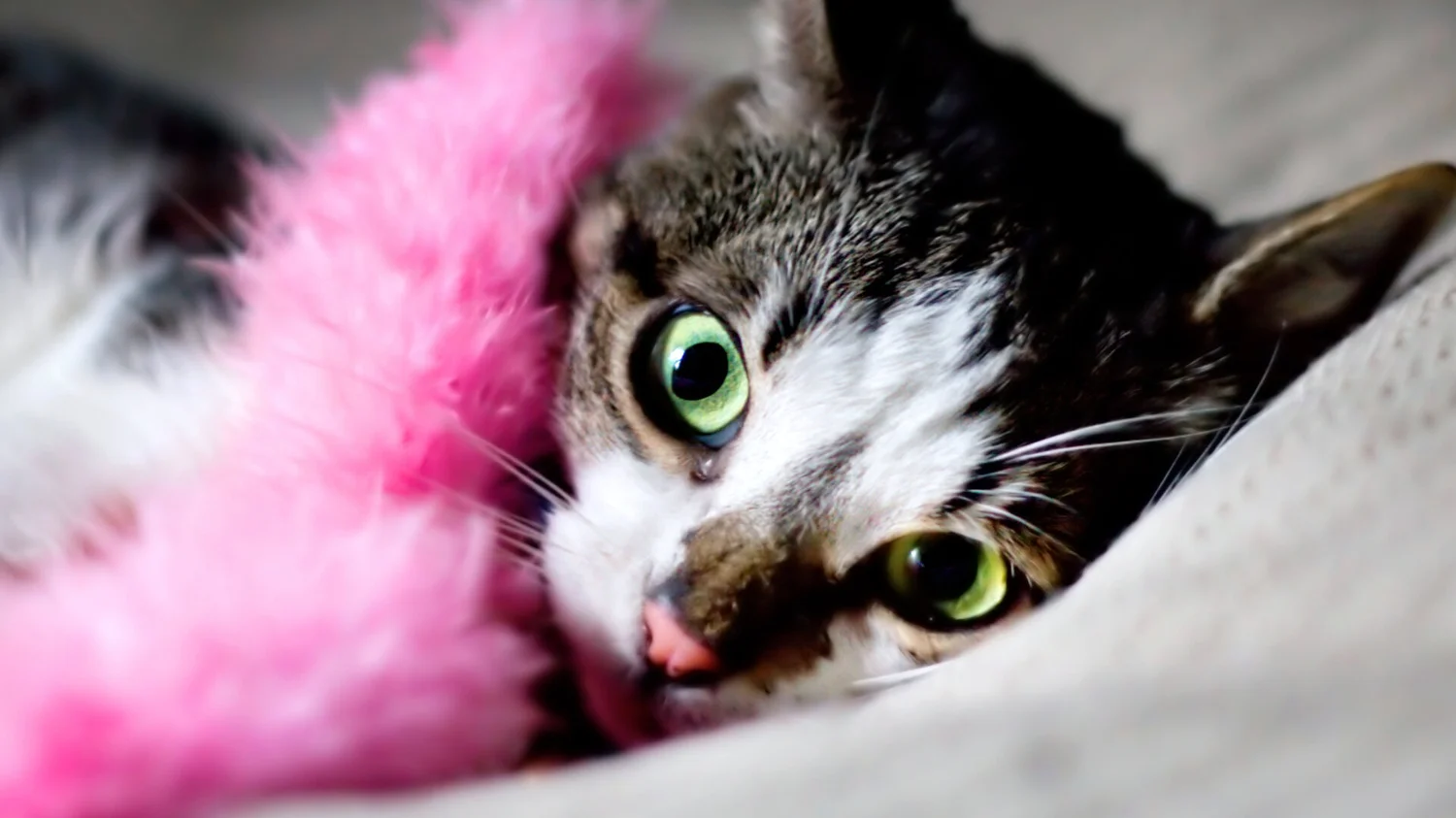
Have you ever noticed your cat crying when she carries her favorite toy around? It might seem strange or even a little sad.
You wonder, “Why does my cat cry when carrying toys? ” This behavior is more common than you think, and understanding it can help you connect better with your furry friend. Keep reading to discover the surprising reasons behind this curious sound and what it means for your cat’s feelings and needs.
You’ll soon see your pet in a whole new light.
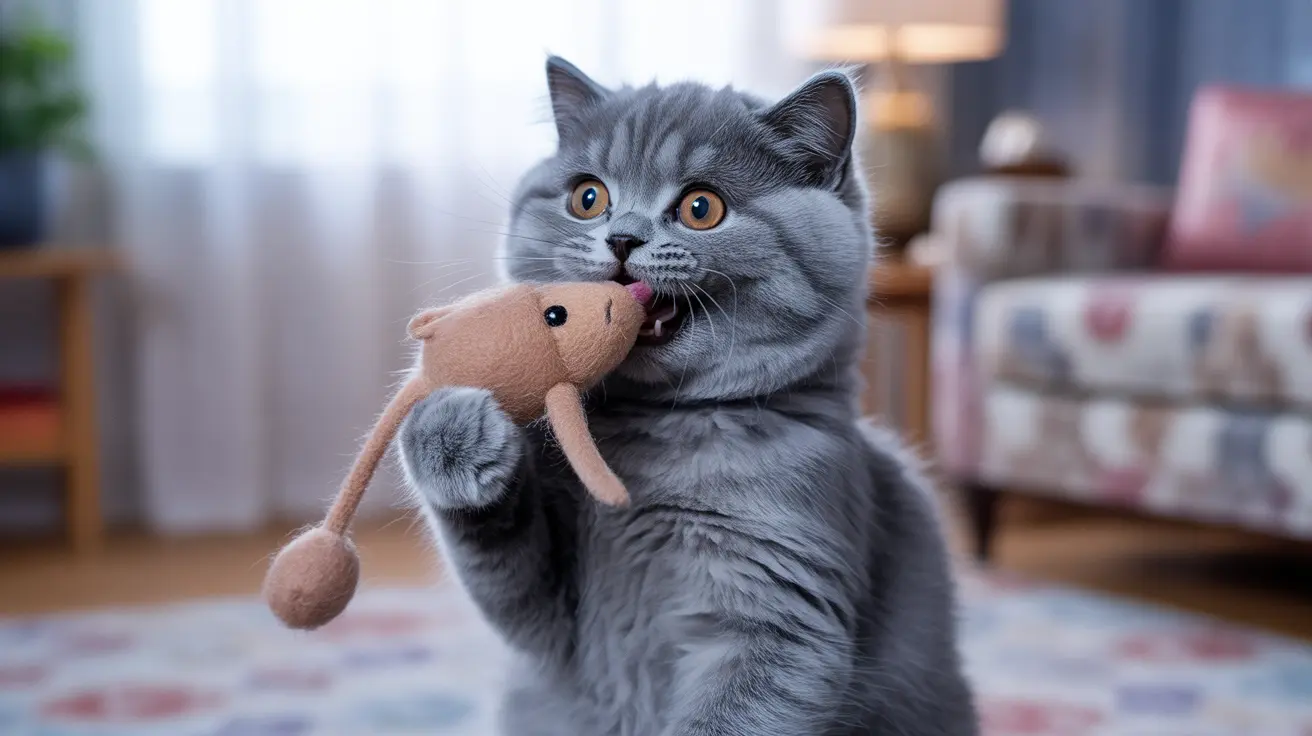
Credit: www.petscare.com
Cat Vocalizations And Emotions
Cats use sounds to express their feelings and needs. These vocalizations vary widely and carry different meanings. Understanding your cat’s cries helps you respond better to their emotions. Carrying toys might trigger specific sounds linked to their mood or intentions.
Types Of Cat Cries
- Meowing:Short or long sounds to get attention or show excitement.
- Yowling:Loud, drawn-out cries often linked to distress or calling.
- Chirping:Quick, sharp sounds usually made during hunting or play.
- Purring:Soft, continuous sound showing contentment or sometimes stress.
Emotional Signals In Cat Sounds
When a cat cries while carrying toys, it may show pride or excitement. Some cats “talk” to their toys as if sharing a catch. Others vocalize to express protectiveness or joy.
These sounds can also signal frustration if the cat struggles to carry or keep the toy. Listening to the tone and pitch helps decode their feelings. Pay attention to the context for a clearer understanding.

Credit: www.youtube.com
Carrying Toys Behavior
Many cats carry toys as part of their natural behavior. This action often puzzles cat owners, especially when their pets cry during the process. Carrying toys can be a way for cats to show their instincts or express emotions. Understanding this behavior helps owners connect better with their feline friends.
Instincts Behind Carrying Objects
Cats carry toys to mimic hunting and gathering. In the wild, mother cats move their kittens by carrying them gently by the neck. Domestic cats sometimes copy this behavior with toys. Carrying objects can also be a way to practice hunting skills. It satisfies their natural urge to catch and carry prey. Crying while carrying might signal excitement or stress. It can also be a way to get attention from owners.
Common Toys Cats Prefer
Cats like toys that feel like real prey. Soft toys shaped like mice or birds are popular choices. Small balls and feathers also attract many cats. Toys that make noise or move can spark more interest. Some cats prefer toys with catnip inside. These toys encourage play and carrying behavior. Owners should offer various toys to find their cat’s favorite.
Reasons For Crying While Carrying Toys
Cats often cry while carrying their toys for different reasons. Understanding these reasons helps you connect better with your pet. Crying is a form of communication and can mean various things depending on the situation.
Some cats cry to get your attention or to invite play. Others may be showing that they want to protect their prized toy. Sometimes, the crying reflects instincts from hunting behavior. It can also signal stress or anxiety in certain cases.
Seeking Attention Or Interaction
Many cats cry to get noticed. They want you to join in their playtime. Carrying a toy and crying can be a way to say, “Look at me!” This behavior often happens when your cat feels lonely or bored. They want to engage with you or other pets in the house.
Expressing Possessiveness
Some cats feel protective over their toys. Crying while carrying the toy shows they want to keep it safe. This behavior is like guarding their treasure. They might hiss or growl if someone tries to take the toy. It is their way of saying, “This is mine.”
Mimicking Hunting Behavior
Carrying toys and crying mimics real hunting actions. Cats often vocalize as they would with prey. This behavior helps them practice skills. It also expresses excitement or focus. The crying can show their pride in catching something important.
Stress Or Anxiety Indicators
Sometimes crying means your cat feels uneasy. Carrying toys may comfort them in stressful moments. Changes in the environment can trigger this behavior. It is a way to self-soothe and feel safe. Watch for other signs to know if your cat is anxious.

Credit: www.youtube.com
How To Respond To Your Cat’s Crying
Responding to your cat’s crying while carrying toys needs care and attention. Cats use sounds to express feelings and needs. Understanding these cries helps build trust and keeps your cat happy.
Interpreting Your Cat’s Needs
Observe the tone and frequency of your cat’s cries. Soft meows may mean contentment or a request for attention. Loud or repeated cries can signal discomfort or stress.
Watch your cat’s body language. Signs like tail flicking or ears back can show frustration. A relaxed posture usually means your cat feels safe and playful.
Encouraging Positive Play
Join your cat in play to strengthen your bond. Use toys that mimic prey to keep your cat interested. Praise your cat with gentle petting or soft words during play.
Offer a variety of toys to prevent boredom. Rotate toys to keep your cat curious and engaged. Create a quiet and safe space for your cat to enjoy toys without disturbance.
When To Consult A Veterinarian
Crying during play can sometimes indicate pain or illness. Notice if your cat cries more than usual or shows other symptoms. Look for changes in eating, grooming, or activity levels.
Seek veterinary advice if your cat’s crying is persistent or paired with unusual behavior. Early check-ups help rule out medical issues. Your vet can provide guidance on managing your cat’s needs.
Preventing Excessive Crying
Cats may cry while carrying toys to show excitement or stress. Understanding their feelings helps reduce excessive crying. Providing calm, safe playtime often soothes them.
Preventing excessive crying in cats can be both simple and rewarding. Cats may cry when carrying toys due to various reasons. Understanding their needs and making small changes can help. Here are some ways to address this behavior.Providing Adequate Playtime
Cats need regular playtime to stay happy. Interactive play sessions can keep them engaged. Use toys like feather wands or laser pointers. Aim for at least 20 minutes of play each day. This helps release pent-up energy. A tired cat is usually a quieter cat.Creating A Comfortable Environment
A cozy home can reduce your cat’s stress. Ensure they have a quiet place to rest. Soft bedding and a warm spot near a window can be soothing. Consider using calming pheromone diffusers. These can make your cat feel more secure. A relaxed cat is less likely to cry excessively.Frequently Asked Questions
Why Does My Cat Cry While Carrying Toys?
Cats often cry when carrying toys to mimic hunting behavior. This vocalization signals excitement or to claim their “prey. ” It’s a natural instinct reflecting their wild ancestors’ behavior during hunting or protecting their catch.
Is My Cat Crying Due To Pain With Toys?
Usually, crying while carrying toys is not pain-related. It’s more about communication or play excitement. However, if crying accompanies limping or distress, consult a vet to rule out injuries or discomfort.
Do Cats Cry To Get Attention When Carrying Toys?
Yes, cats may cry to get your attention while carrying toys. They want you to join their playtime or acknowledge their hunting success. Responding encourages bonding and interactive play with your cat.
Can Crying While Carrying Toys Indicate Stress?
Crying can sometimes indicate stress or anxiety, especially if sudden or excessive. Observe your cat’s overall behavior. If crying seems unusual, consider environmental changes or consult a vet for advice.
Conclusion
Cats cry while carrying toys to show care or seek attention. This behavior is natural and often means your cat feels proud or wants to share. Watching your cat’s actions helps you understand their feelings better. Try to respond gently and enjoy these moments together.
Remember, your cat’s cries are part of their unique way to communicate. Stay patient and loving to build a strong bond with your pet. Every cat is different, so observe and learn what your cat needs.




Leave a Reply