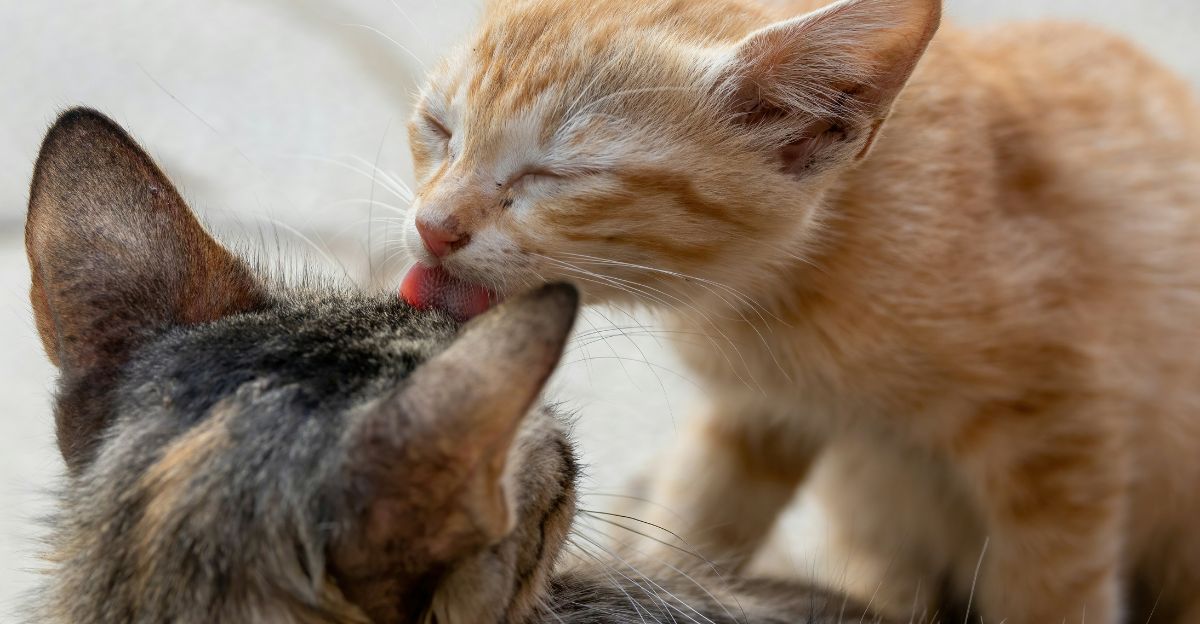
Have you ever watched cats grooming each other and wondered why they do it? Is it just a way to stay clean, or is there something more going on beneath the surface?
You might be surprised to learn that when cats groom each other, it can be about more than just hygiene—it can also be about dominance and social bonds. Understanding this behavior can change the way you see your furry friends and their relationships.
Keep reading to discover the fascinating reasons behind this common cat habit and what it means for your pet’s social life.
Cat Grooming Basics
Cats often groom each other as a social activity. This behavior can establish bonds and reinforce hierarchy. Grooming helps them show affection, maintain cleanliness, and assert dominance in a subtle way.
Why Cats Groom Themselves
Cats groom themselves to stay clean and healthy. Grooming removes dirt, loose fur, and parasites from their coat. It also helps regulate their body temperature. Grooming soothes cats and reduces stress. This behavior keeps their skin healthy and fur shiny. Grooming is part of their daily routine and instinct.
Types Of Grooming Behaviors
Cats show different grooming behaviors. Self-grooming is the most common, where cats lick their fur. Social grooming happens when cats lick each other. This builds trust and strengthens bonds. Sometimes, cats groom to show submission or calm others. Over-grooming can signal stress or health problems.

Credit: basepaws.com
Social Grooming Explained
Social grooming is a common behavior among cats that helps build bonds and maintain group harmony. It goes beyond simple cleaning and plays a role in their social lives. Cats use grooming to communicate trust and friendship. This behavior can reveal a lot about their relationships and social structure.
What Is Allogrooming
Allogrooming means one animal grooming another. In cats, it involves licking and nibbling each other’s fur. This action helps remove dirt, loose fur, and parasites. Cats usually groom areas hard to reach themselves, like the head and neck. This mutual grooming shows cooperation and friendship. It is a sign that cats feel safe together.
Benefits Of Grooming Others
Grooming others helps cats in many ways:
- Strengthens social bonds and trust
- Reduces stress and creates calm
- Helps maintain clean fur and skin
- Supports group harmony and peace
- Signals submission or acceptance in some cases
These benefits explain why cats spend time grooming each other. It is not just about cleanliness but about relationships too.
Grooming And Hierarchy
Grooming plays an important role in cat social life. It is not just about keeping clean. Cats use grooming to build bonds and show social status. Understanding how grooming relates to hierarchy helps us see their complex world. Cats have clear social ranks, and grooming can reveal these roles.
Dominance Signals In Cats
Cats show dominance in many ways. Grooming is one key signal. A dominant cat often grooms others more than being groomed. This shows control and care at the same time.
Other dominance signals include:
- Staring without blinking
- Standing tall and puffing up
- Marking territory with scent
- Controlling access to food or resting spots
Grooming fits into this by reinforcing who leads. The dominant cat may groom a lower-ranked cat to remind it of its place. This behavior strengthens the social order.
Does Grooming Reflect Rank?
Grooming often reflects a cat’s rank in the group. Higher-ranked cats receive grooming from others. They may also groom lower-ranked cats. This creates a bond and shows who is in charge.
Lower-ranked cats usually groom dominant ones to gain favor. Sometimes, grooming helps reduce tension and avoid fights. It acts as a peaceful way to accept hierarchy.
In groups, grooming patterns can show:
- Who is dominant
- Who trusts whom
- Which cats have close relationships
Watching grooming behavior gives clues about cat social life. It is more than just cleaning fur. It is a tool for communication and social structure.
Scientific Studies On Grooming
Scientific studies on cat grooming reveal surprising insights into why cats groom each other. Many people think it’s about dominance, but research shows the story is more complex. Understanding these findings can change how you interpret your cats’ social interactions.
Research Findings On Cat Grooming
Scientists have observed that mutual grooming, or allogrooming, usually strengthens social bonds rather than establishing dominance. Cats often groom those they feel close to, like family members or trusted companions.
Some studies highlight that dominant cats might groom subordinates to show care, not control. This challenges the idea that grooming is mainly a power play. Instead, it appears grooming helps reduce tension and maintain group harmony.
Interestingly, grooming patterns can vary with the group’s social structure. In multi-cat households, grooming often reflects friendship and trust. So, if you notice your cat grooming another, it’s likely a sign of affection, not aggression.
Behavioral Observations
Watching your cats closely can reveal subtle cues about their grooming habits. Cats tend to groom each other around the head and neck, areas they cannot reach themselves. This shows a cooperative behavior rather than dominance enforcement.
Behavioral experts note that cats rarely force grooming. If one cat resists or leaves, the grooming stops, indicating mutual consent. This suggests grooming is more about comfort and connection than a dominance ritual.
Have you noticed your cats pause and look at each other during grooming? That moment often involves silent communication and trust-building. Next time you see this, consider it a peaceful interaction, not a power struggle.
Common Misconceptions
Many people misunderstand cat grooming behaviors. Some believe it shows dominance. Others think it means aggression. This confusion leads to common misconceptions.
Grooming And Aggression
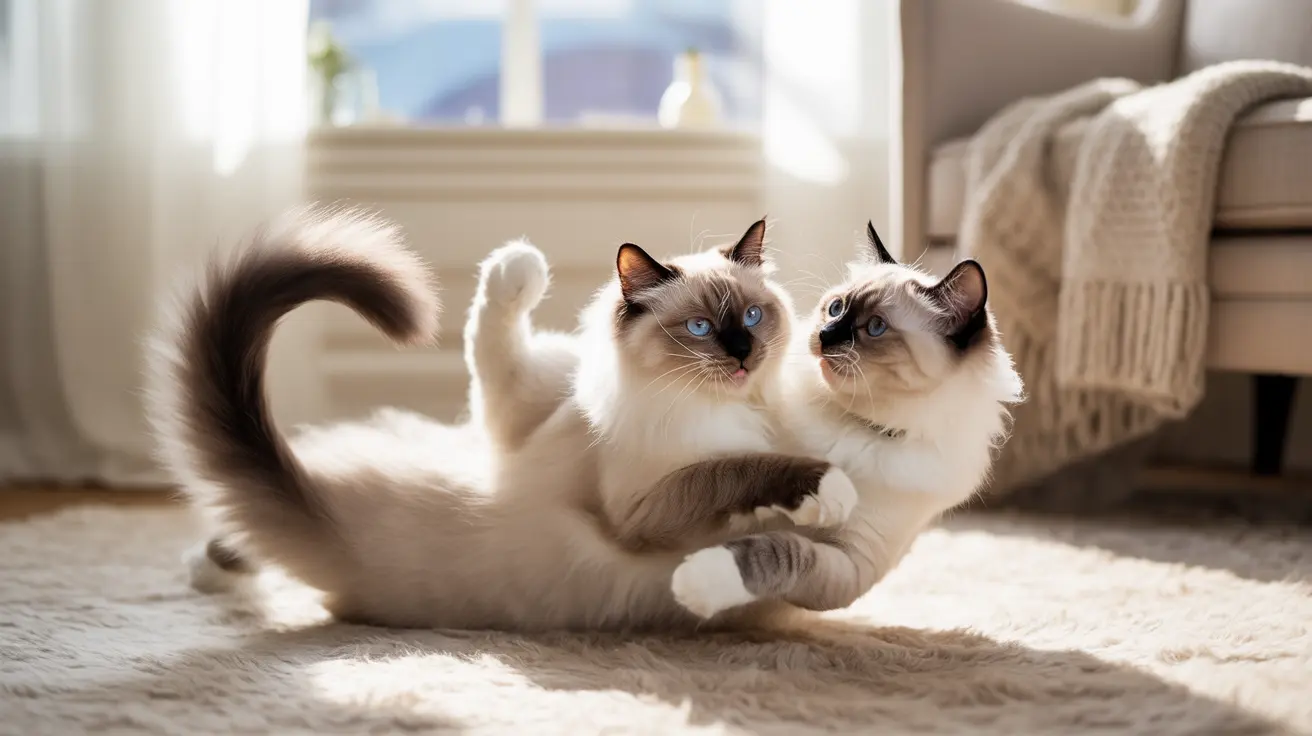
People often link grooming with aggression. They see a cat pinning another down. It looks aggressive but isn’t always. Cats might clean each other to reduce tension. It can strengthen their bond. Not every rough grooming session is a fight. Cats use grooming to calm their environment.
Grooming As A Sign Of Affection
Grooming often means affection among cats. They show love by cleaning each other. It mirrors how a mother cat cares for her kittens. Grooming builds trust and strengthens relationships. A cat grooming another isn’t showing dominance. It’s showing trust and closeness. Cats often groom to comfort each other. This behavior creates a peaceful home atmosphere.

Credit: basepaws.com
Factors Influencing Grooming
Understanding why cats groom each other goes beyond just cleanliness. Grooming can reveal a lot about their social world and interactions. Several factors shape whether grooming is a sign of affection, dominance, or simply routine care.
Relationship Between Cats
Cats that share a close bond often groom each other to strengthen their connection. This mutual grooming, known as allogrooming, helps build trust and reduce tension.
However, grooming can also reflect hierarchy. Dominant cats might groom subordinates more frequently to assert control or reinforce their status.
Have you noticed your cats grooming more after a disagreement or stressful event? This could be their way of restoring peace or reaffirming roles within their group.
Environmental And Social Context
The surroundings and social setup play a big role in grooming behavior. In crowded or stressful environments, grooming might increase as a calming mechanism.
Outdoor cats with larger territories often show different grooming patterns compared to indoor cats living in close quarters. Space and safety influence how and when they groom each other.
Think about your own cats’ environment—does adding more hiding spots or personal space reduce grooming that seems aggressive or dominant?
How To Interpret Grooming Behavior
Understanding how to interpret grooming behavior in cats can reveal a lot about their relationships. Not every grooming session signals dominance or submission. Sometimes, it’s pure affection or a way to reduce tension between felines.
Identifying Friendly Grooming
Friendly grooming often involves gentle licking and nibbling, usually around the head and neck—areas cats can’t easily reach themselves. Watch for relaxed body language: soft eyes, slow blinking, and loose tails.
If you see cats take turns grooming each other, it’s a clear sign of mutual trust. One time, my two cats spent a whole afternoon grooming each other calmly, showing no signs of stress or hurry. That peaceful vibe told me they genuinely enjoy each other’s company.
- Mutual grooming sessions
- Soft, relaxed postures
- Slow, rhythmic licking
- Absence of growling or hissing
Recognizing Stress Or Conflict
Grooming can sometimes mask tension or dominance struggles. If one cat insists on grooming while the other tries to pull away or shows stiff body language, it might be a power play.
Look for signs like pinned-back ears, flicking tails, or sudden pauses in grooming. These subtle cues suggest that the grooming isn’t entirely friendly.
- One-sided grooming without reciprocation
- Attempts to escape or avoid grooming
- Stiff or tense body posture
- Vocalizations such as growls or hisses
Have you noticed your cats grooming but then one suddenly looks annoyed or walks away? That moment often tells you more about their social dynamics than the grooming itself.
Credit: www.petscare.com
Frequently Asked Questions
Do Cats Groom Each Other To Show Dominance?
Cats often groom each other to build bonds, not just to show dominance. Grooming can establish social hierarchy, but it mainly promotes trust and friendship among cats.
How Does Grooming Affect Cat Social Hierarchy?
Grooming helps reinforce social bonds and hierarchy in cat groups. Dominant cats may groom subordinates more often, signaling control and care within the group.
Can Mutual Grooming Reduce Cat Aggression?
Yes, mutual grooming lowers tension and reduces aggression between cats. It creates positive interactions, making cats feel safer and more comfortable together.
Is Grooming A Sign Of Cat Friendship Or Dominance?
Grooming can indicate both friendship and dominance. While it shows affection, dominant cats may groom others to assert status and maintain social order.
Conclusion
Cats grooming each other is not just about keeping clean. It can show trust and friendship between them. Sometimes, grooming helps settle who leads the group. But it’s more about bonding than fighting for power. Watching cats groom reveals their feelings and social ties.
This behavior is a mix of care and quiet communication. Understanding this helps us see cats as social animals. They show love and respect through gentle grooming. It’s a small but important part of how cats live together.




Leave a Reply