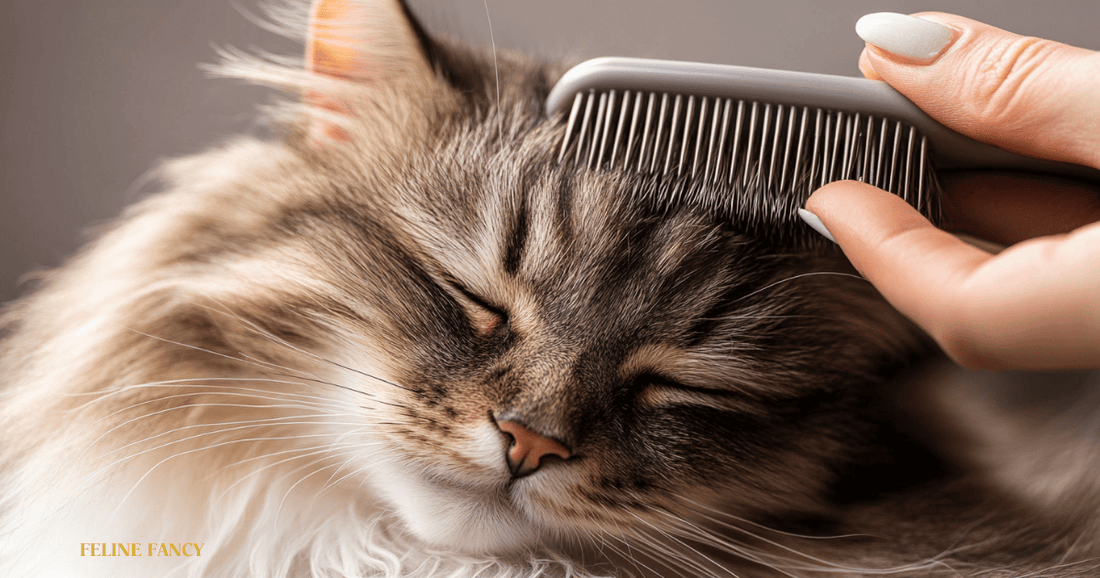
If your cat’s fur is tangled and matted, you know how uncomfortable it can be for both of you. Matted fur isn’t just a cosmetic issue—it can cause pain, skin problems, and even affect your cat’s mood.
But don’t worry, you can help your furry friend feel better with the right grooming techniques. You’ll discover simple, effective steps to safely remove mats and keep your cat’s coat smooth and healthy. Ready to make grooming easier and more comfortable for your cat?
Let’s get started.

Credit: www.angiesmobilepetstyling.com
Causes Of Matted Fur
Matted fur can cause discomfort and skin problems for cats. Understanding why mats form helps prevent and treat them effectively. Several factors lead to tangled and matted fur. Some relate to the cat’s lifestyle and grooming habits. Others depend on breed or health issues. Recognizing these causes allows for better care and a happier pet.
Common Reasons For Tangles
Fur mats develop when hair gets caught and knotted. Cats that do not groom often can have more tangles. Dirt, dust, and loose hair mix and stick together. Sleeping in tight spaces or playing roughly can cause knots. Moisture from rain or spills makes fur clump easily. Lack of regular brushing lets mats form and grow.
Breed And Coat Types Prone To Matting
Long-haired cats are more likely to get mats. Breeds like Persians, Maine Coons, and Ragdolls need extra care. Their thick and silky coats can tangle fast. Double-coated cats also face matting risks. Short-haired cats usually have fewer problems. Still, all cats can develop mats without proper grooming.
Health Issues Affecting Fur
Health problems can reduce a cat’s grooming ability. Arthritis or pain may stop cats from cleaning themselves. Skin infections and allergies cause itching and fur damage. Poor nutrition weakens fur quality and makes it dry. Obesity can limit movement, leading to missed grooming spots. Regular vet checks help catch these issues early.

Credit: petcube.com
Tools For Grooming
Grooming a cat with matted fur requires the right tools. These tools help remove tangles gently and keep your cat comfortable. Using proper grooming tools also protects your cat’s skin and coat health. Here are some essentials to have on hand for effective grooming.
Essential Brushes And Combs
Choose brushes and combs designed for detangling and sensitive skin. Slicker brushes work well for loose mats and dirt. Wide-toothed combs help separate mats without pulling too hard. Fine-toothed combs can reach smaller tangles and remove loose fur. Use gentle strokes to avoid hurting your cat.
Detangling Sprays And Conditioners
Detangling sprays soften matted fur and make combing easier. They reduce pulling and discomfort during grooming. Conditioners help keep fur smooth and less prone to mats. Spray lightly and wait a few minutes before brushing. Always pick products safe for cats and avoid harsh chemicals.
Clippers And Scissors
Clippers remove severe mats close to the skin without pain. Use cat-specific clippers for safety and better control. Scissors are useful for trimming small mats carefully. Rounded-tip scissors prevent accidental cuts. Take time and cut slowly, especially near sensitive areas.
Preparing Your Cat
Preparing your cat for grooming matted fur is crucial to make the process smoother and safer. Cats can be sensitive, and sudden handling might stress them out or cause injury. Taking time to prepare both your cat and yourself sets the stage for effective grooming and helps protect your cat’s well-being.
Creating A Calm Environment
Start by choosing a quiet room where your cat feels comfortable. Remove loud noises and distractions like televisions or other pets. Soft lighting and a familiar blanket or bed can help your cat relax.
Try playing gentle music or using pheromone sprays designed to calm cats. These small touches can reduce anxiety and make your cat more cooperative during grooming. Have treats ready to reward calm behavior and keep the mood positive.
Handling Techniques For Safety
Hold your cat gently but firmly to avoid sudden movements. Use slow, deliberate motions and speak softly to reassure them. If your cat resists, pause and give them a moment to settle before continuing.
Support your cat’s body properly by cradling them or placing them on a non-slip surface. This reduces stress and prevents accidental injury. If your cat has a history of biting or scratching, consider wearing protective gloves or using a towel to wrap them securely but gently.
Checking For Skin Problems
Before starting to remove mats, carefully examine your cat’s skin beneath the fur. Look for redness, swelling, sores, or signs of infection. These issues can worsen if mats are pulled without care.
If you spot any skin problems, it’s best to consult your vet before proceeding. Sometimes mats hide deeper issues like parasites or allergies that need medical attention. Your cat’s comfort and health should always come first.
Removing Matted Fur Safely
Removing matted fur safely is crucial to keep your cat comfortable and prevent skin damage. Matted fur can pull on the skin, causing pain and even infections if left untreated. Handling mats gently and patiently ensures your cat stays calm and stress-free during grooming.
Step-by-step Detangling Process
Start by calming your cat in a quiet space. Use a wide-tooth comb or a specialized dematting tool to gently work through the mats.
- Hold the fur close to the skin to avoid pulling.
- Begin detangling at the edges of the mat, not the center.
- Use short, gentle strokes to loosen knots.
- Apply a detangling spray or conditioner designed for cats to soften stubborn mats.
Be patient and take breaks if your cat shows signs of stress. Remember, rushing can cause discomfort and make your cat wary of grooming next time.
Using Clippers For Severe Mats
Sometimes mats are too tight or large to detangle safely. In these cases, using clippers might be necessary to remove the mat without hurting your cat.
- Choose a quiet clipper with a guard to protect the skin.
- Keep the clipper blade flat against the skin to avoid cuts.
- Work slowly and carefully, clipping small sections at a time.
- Stop frequently to check your cat’s reaction and comfort level.
Have you ever felt nervous using clippers on your cat? Taking it slow and staying calm helps your pet feel safe during the process.
When To Seek Professional Help
If the mats are too close to the skin or your cat becomes overly stressed, it’s best to consult a professional groomer or veterinarian. Professionals have the right tools and experience to handle severe mats without causing pain.
Also, if your cat shows signs of skin irritation, bleeding, or infection under the mats, immediate expert care is necessary. Would you risk hurting your cat trying to remove a difficult mat alone?
Remember, safe grooming protects both your cat’s health and your bond with them.
Preventing Future Mats
Regular brushing keeps your cat’s fur smooth and tangle-free. Use a wide-tooth comb to gently remove small knots before they turn into mats. Consistent grooming helps prevent painful mats and keeps your cat comfortable.
Preventing future mats in your cat’s fur is essential for their comfort and health. Mats can pull on their skin, causing pain and potentially leading to skin infections. By implementing a few simple strategies, you can keep your cat’s coat smooth and mat-free.Regular Grooming Schedule
Consistency is key when it comes to grooming. Establish a regular grooming schedule that suits your cat’s coat type. For long-haired breeds, daily brushing is ideal, while short-haired cats may need brushing only a few times a week. Make grooming a bonding experience. Use gentle strokes and talk soothingly to your cat. This not only helps prevent mats but also strengthens your relationship. Consider using a variety of tools. A wide-toothed comb can help with tangles, while a slicker brush can smooth out the coat. Find what works best for your cat’s fur type.Diet And Hydration Tips
Nutrition plays a crucial role in maintaining a healthy coat. Ensure your cat’s diet includes high-quality proteins and omega fatty acids. These nutrients promote a shiny, mat-free coat. Proper hydration is just as important. Cats often don’t drink enough water. Consider a cat fountain to encourage them to drink more. Pay attention to any changes in your cat’s coat. Dull fur or excessive shedding might indicate dietary deficiencies. Consult your vet if you notice these signs.Keeping Your Cat Active
An active cat is generally healthier, which includes their fur condition. Regular playtime can reduce stress and improve overall health, which reflects in their coat. Encourage your cat to move with interactive toys. Feather wands, laser pointers, or even a simple ball of paper can get them moving and promote blood circulation. Assess your cat’s environment. Are there enough opportunities for them to climb, jump, and explore? Cats love to be curious, and an engaging environment can keep them active. By focusing on these areas, you’re not just preventing mats—you’re enhancing your cat’s quality of life. So, what changes will you make today for your feline friend’s fur?Dealing With Stubborn Mats
Dealing with stubborn mats in your cat’s fur can be challenging. Mats form when loose hair tangles and tightens over time. They can cause discomfort and skin problems if left untreated. Patience and care are essential to remove mats safely. Use gentle techniques to avoid hurting your cat or damaging its fur. Understanding the best home remedies, common mistakes to avoid, and when to seek professional help makes the process easier and safer.
Home Remedies And Products
Start with a wide-tooth comb or a special dematting tool. Gently work through the mat from the edges toward the center. Apply a detangling spray made for cats to soften the fur. Coconut oil can also help loosen mats naturally. Use small amounts and massage gently into the fur. Warm water dampens the mat and makes it easier to comb out. Never pull hard, as this can hurt your cat.
- Use a slicker brush to smooth loose fur
- Apply cat-safe conditioner to soften tough mats
- Trim mats carefully with blunt scissors if needed
Avoiding Common Mistakes
Do not use human hair tools or products on cats. They can cause irritation or damage. Avoid cutting mats too close to the skin. This risks accidental cuts and infections. Do not rush the grooming process; it can stress your cat. Give breaks and rewards to keep your cat calm. Never use harsh chemicals or oils not designed for pets. Always check your cat’s skin for redness or sores after grooming.
Knowing When To Visit The Vet
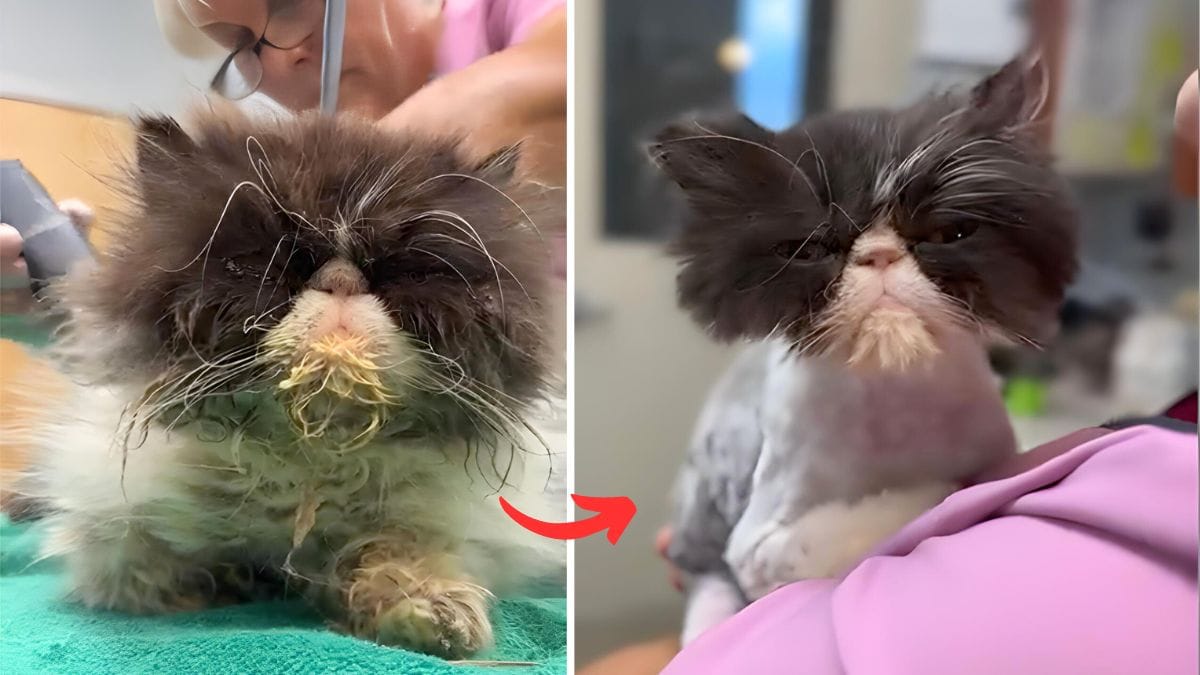
Seek veterinary help if mats are too tight or large. Mats causing skin wounds or infections need professional care. Cats with sensitive skin or health issues need expert grooming. If your cat resists grooming and becomes aggressive, stop and get help. A vet or professional groomer can safely remove mats without harm. Early veterinary advice prevents serious skin problems and pain.
Credit: rockykanaka.com
Frequently Asked Questions
How Do I Safely Remove Cat Matted Fur?
Use a wide-toothed comb and gently detangle small mats. For stubborn mats, carefully trim with blunt scissors. Avoid pulling the fur to prevent hurting your cat. Regular grooming helps prevent mats from forming.
What Causes Cat Fur To Become Matted?
Cat fur mats due to lack of grooming, moisture, and dirt buildup. Long-haired cats are more prone to matting. Health issues or obesity can reduce grooming behavior, increasing mat formation risk.
How Often Should I Groom My Cat To Prevent Mats?
Groom short-haired cats weekly and long-haired cats daily. Regular brushing removes loose fur and prevents tangles. Consistent grooming reduces mat formation and keeps your cat’s coat healthy.
Can I Use A Dematting Tool On My Cat’s Fur?
Yes, a dematting tool helps remove tough mats without pulling. Use it gently and follow the fur’s natural direction. Always be cautious to avoid skin irritation or injury.
Conclusion
Grooming your cat’s matted fur takes patience and care. Start gently to avoid hurting your pet. Regular brushing helps prevent mats from forming again. Use the right tools for your cat’s fur type. Always check your cat’s skin for irritation or sores.
Keep grooming sessions short and calm to reduce stress. With consistent care, your cat stays happy and comfortable. Remember, a little effort goes a long way in keeping fur smooth and healthy.




Leave a Reply