Are you wondering if fleece is a safe choice for your cat’s toys? You want the best for your furry friend, but not all materials are created equal.
Choosing the right fabric can make a big difference in your cat’s health and happiness. You’ll discover the facts about fleece and why it might be a great—or risky—option for your pet’s playtime. Keep reading to protect your cat and make smarter toy choices that keep them safe and entertained.
Benefits Of Fleece For Cat Toys
Fleece is a popular material for making cat toys. It offers many benefits that suit a cat’s play style. The fabric is gentle and strong, making it ideal for pets. Cats enjoy toys that feel good and last long. Fleece meets these needs effectively.
Softness And Comfort
Fleece is soft and smooth to touch. Cats love to cuddle and bite soft toys. The fabric feels cozy on their paws and mouths. It makes playtime more enjoyable for your pet. Softness also reduces the chance of irritation or harm.
Durability And Longevity
Fleece is tough and resists tearing. It holds up well under rough play. Cats often scratch and bite their toys hard. Fleece can handle this stress without falling apart. This means toys last longer and save money.
Ease Of Cleaning
Fleece is easy to wash and dry. Most fleece toys can go in the washing machine. Dirt and pet hair come off quickly. This keeps toys fresh and safe for your cat. Clean toys help prevent germs and odors.

Credit: www.catsnus.com
Potential Risks Of Fleece In Cat Toys
Fleece is a popular choice for cat toys due to its softness and affordability. However, it’s important to understand the potential risks it may pose to your feline friend. Being aware of these dangers helps you make safer choices when selecting or making toys for your cat.
Choking Hazards
Small pieces of fleece can easily come loose during play. Cats love to chew and claw, which can cause fibers or stuffing to detach. These loose pieces might get swallowed, creating choking risks or blockages in the digestive system.
Have you noticed your cat pulling threads or ripping apart their toys? This behavior increases the chance of accidental ingestion. Always check toys for loose parts and replace them if they start to fray.
Toxic Chemicals And Dyes
Not all fleece is created equal—some contain harmful chemicals or dyes that can be toxic if ingested. Your cat’s natural curiosity means they might lick or chew on the toy, exposing themselves to these substances. Look for fleece labeled as non-toxic and free from harmful dyes to reduce this risk.
Think about where the fleece was sourced and how it was treated. Could your cat be absorbing harmful residues? Choosing organic or pet-safe materials can protect your cat’s health over time.
Shedding And Ingestion
Fleece tends to shed fibers, especially after repeated use or washing. These loose fibers can be swallowed by your cat, potentially causing digestive discomfort. If your cat has a sensitive stomach, this risk becomes more significant.
Regularly inspect fleece toys for excessive shedding. If you see a lot of fibers coming off, it might be time to switch to a different material. How often do you clean your cat’s toys to minimize fiber buildup?
Choosing Safe Fleece Materials
Choosing safe fleece materials for cat toys is vital for your pet’s health. Not all fleece fabrics are equally safe or comfortable for cats. Some fleece types may irritate your cat’s skin or pose choking hazards. Selecting the right fleece requires attention to fiber type, certifications, and additives.
Natural Vs Synthetic Fibers
Natural fibers come from plants or animals, such as cotton or wool. They are soft and breathable but may wear out faster. Synthetic fibers, like polyester, are made from plastic materials. They last longer and resist stains but can cause allergies in some cats. Blended fleece fabrics mix natural and synthetic fibers to balance comfort and durability.
Certifications To Look For
Certifications ensure fleece is safe and eco-friendly. Some key certifications include:
- OEKO-TEX Standard 100 – Tests for harmful chemicals.
- GOTS (Global Organic Textile Standard) – Ensures organic fibers.
- CertiPUR – Focuses on non-toxic materials in textiles.
Choosing fleece with these labels reduces health risks for cats.
Avoiding Harmful Additives
Fleece may contain dyes, flame retardants, or softeners. These chemicals can harm cats if ingested or touched. Choose fleece that is free from harsh additives. Look for products labeled “non-toxic” or “pet-safe.” Washing new fleece before use helps remove residual chemicals. Simple precautions keep your cat safe and happy.
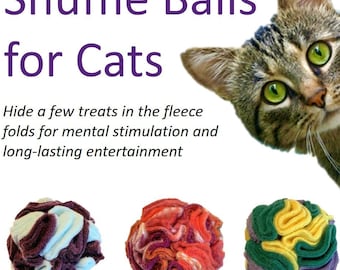
Credit: www.etsy.com
Designing Safe Fleece Cat Toys
Designing safe fleece cat toys is essential to keep your feline friend entertained without risking their health. Fleece is a popular material because it’s soft, washable, and easy to work with. However, safety must be your top priority when crafting toys from fleece to prevent choking hazards or other injuries.
Secure Stitching Techniques
Strong, secure stitching holds the fleece together and prevents your cat from pulling the toy apart. Use tight, even stitches like the backstitch or blanket stitch to reinforce seams. Double stitching stress points, such as corners or edges, adds extra durability.
Loose threads can be tempting for cats to chew on, which might lead to swallowing hazards. Make sure to trim any excess thread and avoid using glue or adhesives that could come off easily.
Avoiding Small Parts
Small parts like buttons, beads, or plastic eyes can become choking hazards if your cat manages to pull them off. Instead, use embroidery or fabric paint to create facial features or patterns. This keeps the toy visually appealing but completely safe.
Ask yourself: would you put this toy in your mouth if it was a child’s toy? If the answer is no, reconsider the design. Your cat’s safety depends on eliminating anything they could swallow.
Appropriate Toy Sizes
Choosing the right size for your fleece cat toy matters more than you might think. Toys that are too small can be swallowed, while overly large toys might discourage play. Aim for a size that fits comfortably in your cat’s paws but is too big to swallow.
Observe your cat’s play style. Do they like to carry toys around or bat them on the floor? Tailor the toy size to match their preferences to keep them engaged and safe.
Maintenance And Cleaning Tips
Fleece is soft and safe for cat toys but needs regular cleaning to stay fresh. Wash gently to avoid damage and keep your cat healthy. Dry completely before use to prevent mold and odors.
Maintaining your cat’s fleece toys is crucial to ensure they remain safe and enjoyable for play. Regular cleaning not only keeps the toys looking fresh but also helps prevent the buildup of dirt and bacteria. Proper maintenance extends the toy’s life, offering your feline friend endless entertainment.Washing Frequency
How often do you wash your cat’s fleece toys? A good rule of thumb is to wash them every two weeks. If your cat has a favorite toy, you might need to wash it more frequently, especially if it shows visible dirt or smells.Safe Cleaning Products
Choosing the right cleaning products is essential. Opt for mild, unscented detergents that won’t irritate your cat’s sensitive nose. Avoid bleach and strong chemicals, as they can be harmful if ingested.Inspecting For Wear And Tear
Regularly check your cat’s fleece toys for signs of damage. Look for loose threads or holes that could pose a choking hazard. If you notice significant wear, consider replacing the toy to ensure your pet’s safety. By following these maintenance and cleaning tips, you can keep your cat’s toys safe and clean. What’s your strategy for maintaining your pet’s favorite playthings?Alternatives To Fleece For Cat Toys
Fleece is popular for making cat toys, but some pet owners seek safer or eco-friendly choices. Alternatives to fleece can offer comfort, durability, and safety. They also add variety to your cat’s playtime. Exploring other materials helps find the best fit for your feline friend’s health and happiness.
Natural Fabrics
Natural fabrics like cotton, linen, and wool are great for cat toys. These materials breathe well and feel soft to cats. They rarely cause allergies or irritation. Organic cotton is a gentle choice. Wool can be durable and warm. Choose tightly woven fabrics for safety. Avoid fabrics with loose threads that cats can swallow.
Eco-friendly Options
Eco-friendly fabrics reduce harm to the environment. Bamboo fabric is soft, strong, and sustainable. Hemp is another tough, natural fiber. Both resist odors and dry quickly. Recycled fabrics help cut waste. Look for toys made from repurposed materials. These options keep your cat safe and support green living.
Diy Toy Ideas
Making your own cat toys is fun and budget-friendly. Use scraps of natural fabric stuffed with catnip or dried herbs. Simple shapes like balls or small pillows work well. You can also wrap yarn around cardboard tubes. Make sure to sew edges tightly. Avoid small parts that can come loose. DIY toys let you control materials and design.
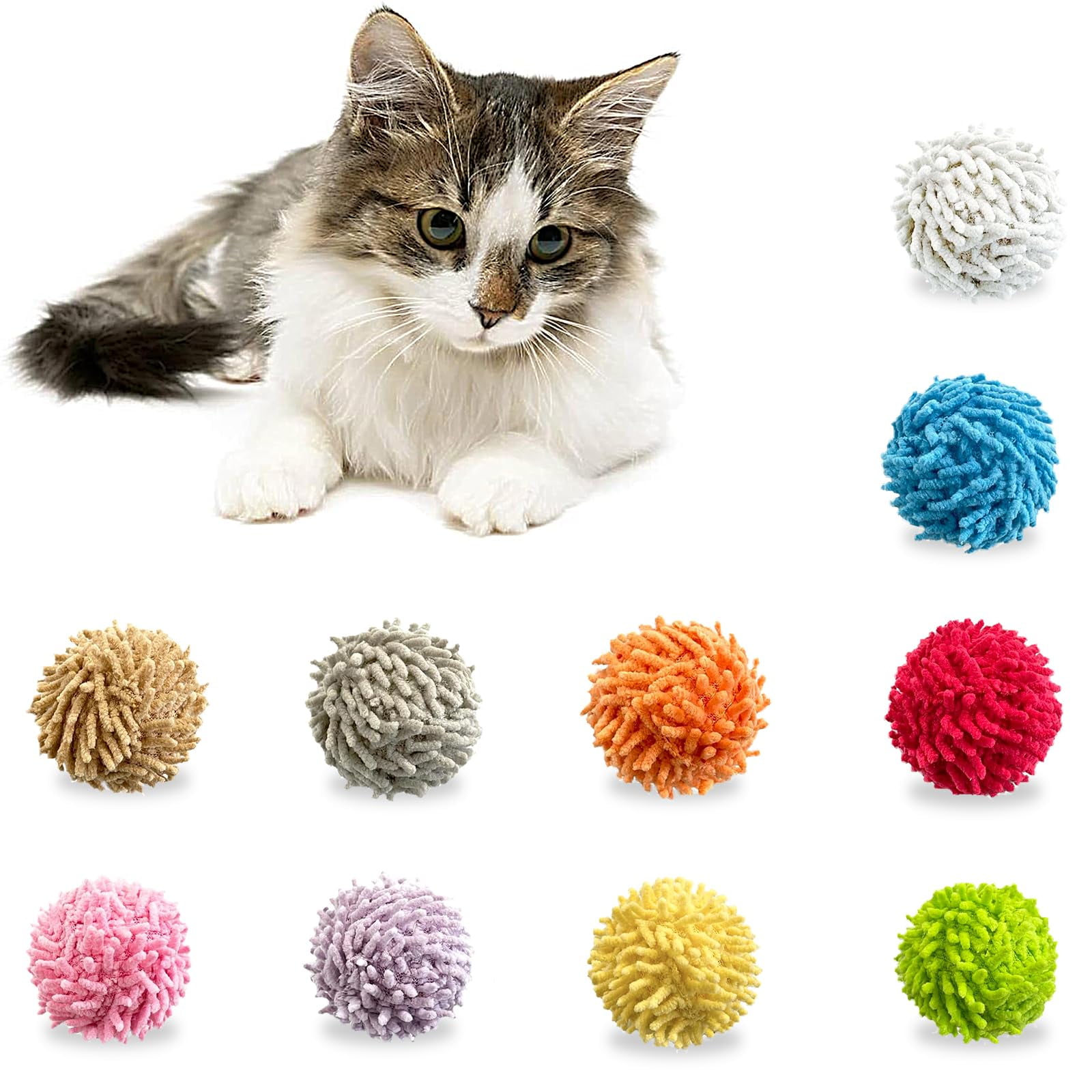
Credit: www.walmart.com
Frequently Asked Questions
Is Fleece Fabric Safe For Making Cat Toys?
Fleece is generally safe for cat toys because it is soft and non-toxic. However, always supervise play to avoid ingestion of loose fibers. Choose high-quality fleece to minimize shedding and ensure durability for your cat’s safety and enjoyment.
Can Fleece Cause Allergies In Cats?
Fleece rarely causes allergies in cats since it is synthetic and hypoallergenic. Still, monitor your cat for any signs of irritation or allergic reactions. If your cat shows sensitivity, discontinue use and consult a veterinarian for alternative toy materials.
How Durable Is Fleece For Cat Toy Construction?
Fleece is moderately durable for cat toys. It withstands light to moderate play but may tear with aggressive chewing. Reinforce seams and avoid stuffing that can be harmful if ingested to enhance longevity and safety of fleece toys.
Should Fleece Cat Toys Be Washed Regularly?
Yes, washing fleece cat toys regularly is important to remove dirt and bacteria. Use mild detergent and cold water to preserve softness and prevent damage. Clean toys help maintain hygiene and protect your cat’s health.
Conclusion
Fleece can be safe for cat toys if used carefully. Choose soft, high-quality fleece without loose threads. Always watch your cat while playing with fleece toys. Small pieces can cause choking or stomach problems. Regularly check toys for wear and tear.
Replace toys when they start to fall apart. Safe play helps keep your cat happy and healthy. Simple care makes fleece toys a good option. Keep your cat’s safety the top priority.




Leave a Reply