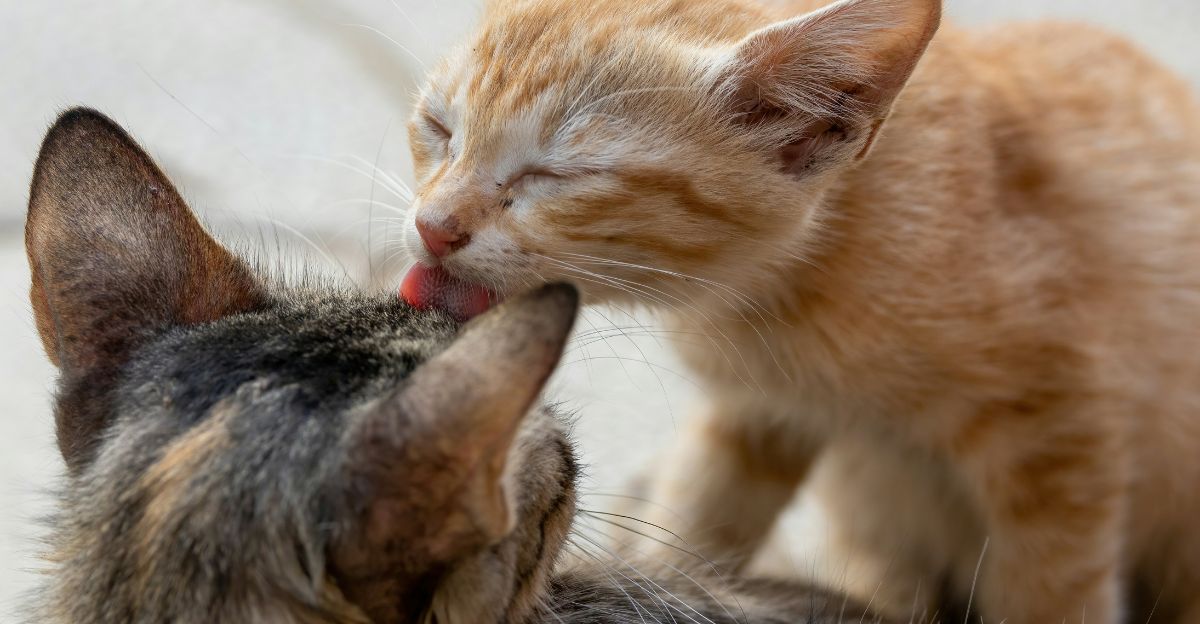
Have you ever watched your cats grooming each other and wondered if it’s completely normal? You might be asking yourself, “Is it okay for cats to constantly groom each other?”
Understanding this behavior can tell you a lot about your cats’ health, mood, and their bond. Keep reading to discover what’s behind this furry habit and when it’s a sign to pay attention. Your cats’ well-being depends on knowing the difference.

Credit: www.catsessentials.com
Reasons Cats Groom Each Other
Cats often groom each other, a behavior that goes beyond simple cleaning. This mutual grooming shows a range of natural instincts and social habits. Understanding why cats do this helps pet owners see the strong bonds between feline friends. Grooming each other is a sign of trust and care.
Social Bonding Among Cats
Cats groom each other to build and maintain strong social connections. This behavior helps them form friendships and reduce conflicts. Grooming signals acceptance and belonging within their group. It creates a peaceful environment where cats feel safe together.
Hygiene And Cleanliness
Grooming helps cats keep clean, especially in hard-to-reach areas. Cats use their tongues to remove dirt, loose fur, and parasites. When cats groom each other, they help cover spots that are difficult to clean alone. This teamwork improves overall hygiene.
Stress Relief And Comfort
Grooming lowers stress and calms cats. The gentle licking releases soothing hormones, making cats feel relaxed. It also strengthens their emotional bond, providing comfort during tense moments. Grooming each other creates a sense of security and peace.
When Grooming Becomes Excessive
Grooming is a natural and healthy behavior for cats, especially when they groom each other to strengthen bonds. However, there comes a point when this behavior crosses the line and becomes excessive. Recognizing when grooming turns into over-grooming can help you protect your cats’ well-being before problems escalate.
Signs Of Over-grooming
Keep an eye out for bald patches or thinning fur on your cats. These areas often indicate that grooming has gone beyond normal. You might also notice red or irritated skin, scabs, or even bleeding.
Another sign is if your cats seem restless or anxious, constantly licking or biting the same spots. If grooming sessions become very long or happen frequently throughout the day, it may suggest a problem rather than simple affection.
Potential Health Issues
Excessive grooming can signal underlying health concerns. Skin infections or parasites like fleas and mites often cause cats to lick excessively. Allergies to food or environmental factors can also trigger this behavior.
Sometimes, pain from arthritis or injuries leads cats to focus on certain areas. If your cats suddenly start over-grooming, a vet visit is essential to rule out medical issues. Do you know what your cat’s normal grooming routine looks like? Tracking this helps catch health problems early.
Behavioral Causes
Stress and anxiety are common behavioral triggers for over-grooming. Changes in the household, such as new pets or moving, can make cats feel uneasy and lead to compulsive licking.
Sometimes boredom or lack of stimulation causes cats to groom excessively. Providing more playtime or interactive toys can redirect their focus. Think about your cats’ environment—are they getting enough attention and mental exercise?
Expert Advice On Managing Grooming
Managing your cats’ grooming habits can be a bit tricky, especially when they seem to groom each other constantly. While mutual grooming is a sign of bonding, too much of it might indicate underlying issues. Knowing how to encourage healthy grooming and when to step in can make a big difference in your cats’ well-being.
Encouraging Healthy Grooming Habits
Observe how your cats groom each other. Healthy grooming usually involves gentle licking and occasional breaks. If you notice one cat obsessively grooming another or any signs of skin irritation, it’s time to intervene.
Provide plenty of toys and interactive play to keep them engaged and distracted. Regularly brushing your cats can also reduce the need for them to groom each other excessively. Make sure each cat has its own space to relax and feel secure.
Addressing Stress And Anxiety
Excessive grooming can sometimes be a sign of stress or anxiety. Changes in the household, new pets, or loud noises might trigger this behavior. Watch for other signs like hiding, loss of appetite, or aggression.
Try to create a calm environment with consistent routines. Using pheromone diffusers or calming sprays can help reduce anxiety. Spend quality time with your cats to reassure them and reduce tension.
When To Consult A Veterinarian
If grooming leads to hair loss, wounds, or persistent redness, it’s time to seek professional advice. A vet can check for allergies, parasites, or skin infections that might be causing discomfort.
Don’t ignore sudden changes in grooming habits. Your vet can also offer behavioral advice or recommend treatments if anxiety is the root cause. Early intervention prevents bigger problems down the road.

Credit: basepaws.com
Impact Of Grooming On Cat Relationships
Grooming plays a crucial role in how cats build and maintain their relationships. It is more than just cleaning fur; it is a way cats communicate and connect. Through grooming, cats express trust, comfort, and friendship. This behavior affects their social life and group harmony.
Strengthening Social Bonds
Grooming helps cats bond deeply. When cats lick each other, they share scents that signal belonging. This act reduces stress and creates a sense of safety. Cats often groom close friends or family members to show affection. It helps them feel part of a group and strengthens trust.
Mutual grooming also calms cats during tense moments. It can stop fights and ease anxiety. Cats that groom each other regularly tend to live together peacefully. Grooming sessions are moments of relaxation and connection.
Possible Grooming Conflicts
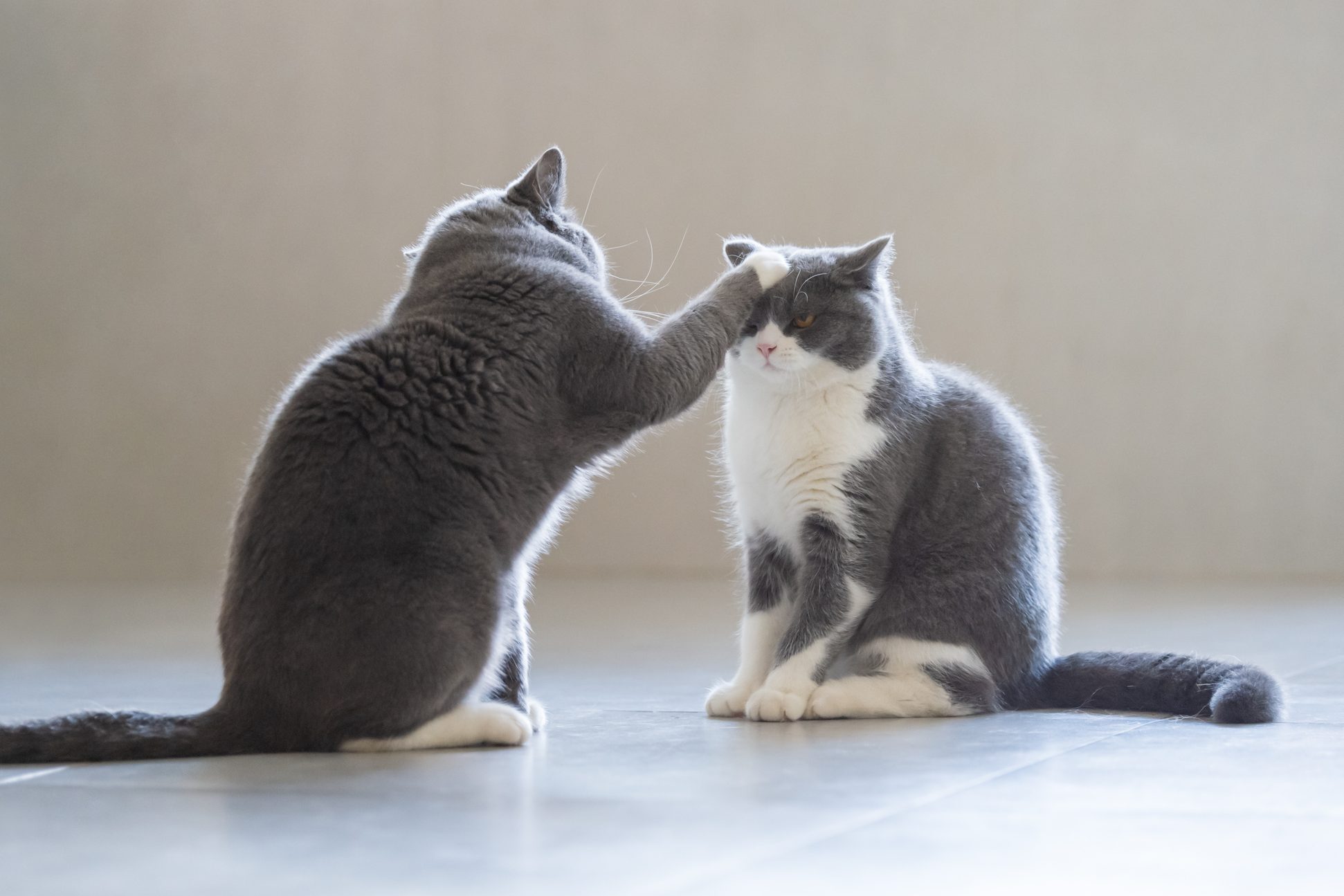
Sometimes grooming can cause problems. Cats may groom too much, leading to irritation or skin damage. Over-grooming can be a sign of stress or health issues. Also, not all cats enjoy being groomed by others. Forced grooming may lead to fights or avoidance.
Dominant cats might groom others to show power. This can make some cats uncomfortable or anxious. Watching their body language helps spot if grooming causes tension. Tail flicks, ears back, or growling are signs of conflict.
Credit: www.rd.com
Frequently Asked Questions
Why Do Cats Groom Each Other Constantly?
Cats groom each other to strengthen social bonds and show affection. It helps reduce stress and maintain group harmony. This behavior also keeps their fur clean and free from parasites. Constant grooming indicates a close, trusting relationship between cats.
Is Constant Grooming A Sign Of Cat Stress?
Constant grooming can sometimes indicate stress or anxiety in cats. However, mutual grooming usually shows comfort and bonding. If one cat grooms excessively alone, it might signal stress or skin issues. Observe behavior to determine if grooming is healthy or a concern.
Can Excessive Grooming Harm Cats?
Excessive grooming may cause skin irritation or hair loss in cats. When grooming is mutual and gentle, it is usually safe. Over-grooming can be a sign of medical or behavioral problems. Consult a vet if grooming seems obsessive or damaging.
How Often Should Cats Groom Each Other?
Cats may groom each other several times daily, depending on their bond. Grooming sessions can last from a few seconds to several minutes. Frequent grooming is normal in close cat companions. Watch for changes in grooming habits as health indicators.
Conclusion
Cats grooming each other shows trust and friendship. It helps them stay clean and calm. Too much grooming might mean stress or health problems. Watch their behavior to keep them happy and safe. Healthy grooming strengthens their bond and comfort.
Always give them space if they seem upset. Good care means happy, well-groomed cats living together. Keep an eye on changes to protect their well-being. Caring for cats means understanding their grooming habits well.




Leave a Reply