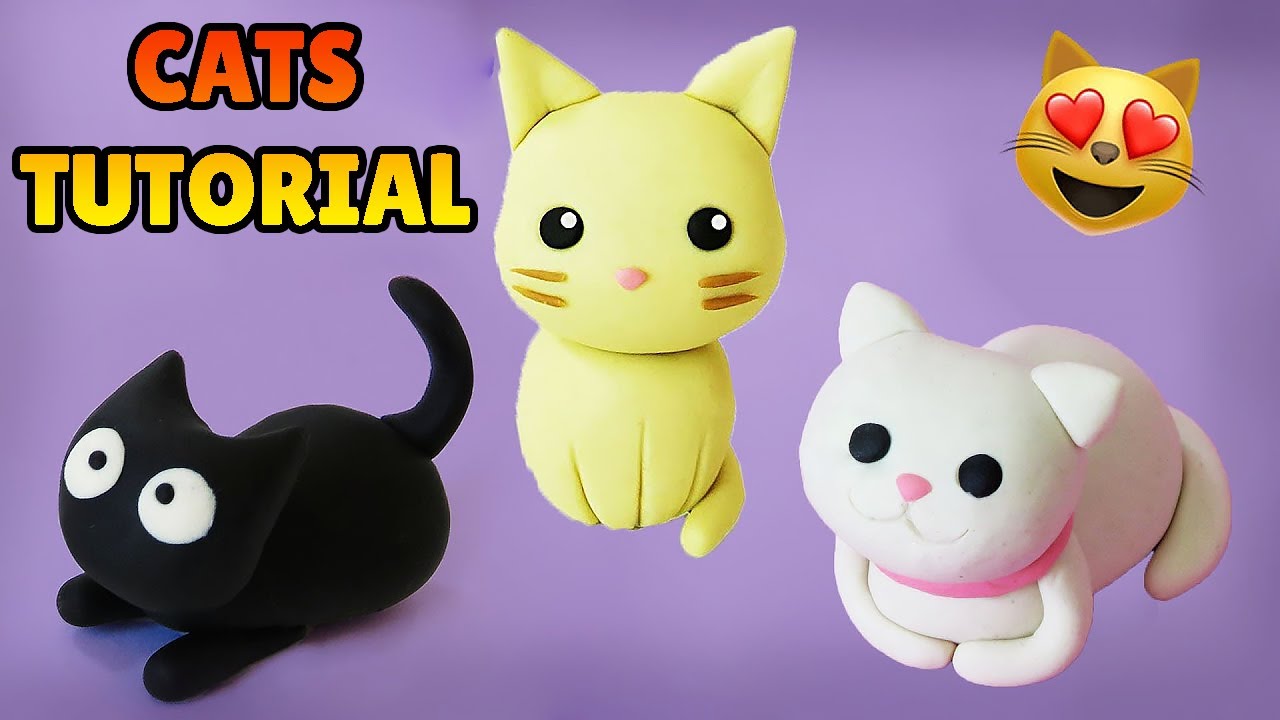
Have you ever wanted to create a cute toy cat that feels special because you made it yourself? Making a toy cat is easier than you might think, and it gives you a chance to bring your own ideas to life.
Whether you want a cuddly friend for yourself or a unique gift for someone you care about, this guide will show you step-by-step how to make a toy cat that you’ll be proud of. Keep reading, and by the end, you’ll have all the tips and tricks to turn simple materials into a charming, handmade toy cat.
Ready to start? Let’s dive in!
Materials Needed
Gathering the right materials is the first step to making a toy cat. Choosing simple and safe supplies helps create a fun and cute toy. Most materials are easy to find at home or in craft stores.
Use soft fabrics and basic tools to make the project enjoyable. Collect all items before starting to avoid interruptions. Below are the essential materials needed for your toy cat.
Fabric For The Body
- Soft felt or cotton fabric
- Choose colors like gray, white, or orange
- About half a yard is enough
Stuffing Material
- Polyester fiberfill is light and fluffy
- Use cotton balls as an alternative
- Enough to fill the toy completely
Thread And Needles
- Strong sewing thread matching fabric color
- Hand sewing needles for easy stitching
- Optional: sewing machine for faster work
Eyes And Nose Details
- Plastic safety eyes or small buttons
- Black embroidery thread for nose and mouth
- Glue to attach small parts securely
Additional Decorations
- Colored felt for whiskers or paws
- Ribbon or small bows for a cute touch
- Fabric markers for extra details

Credit: www.youtube.com
Choosing The Right Fabric
Choosing the right fabric is important for making a toy cat soft and durable. The fabric affects the toy’s feel, look, and how easy it is to sew. Picking the best fabric helps create a toy cat that feels cuddly and lasts long.
Consider the texture and strength of the fabric before starting. Some fabrics are soft but may tear easily, while others are tough but not as comfy. Think about who will play with the toy and how it will be used.
Natural Vs Synthetic Fabrics
Natural fabrics come from plants or animals. Cotton and wool are common examples. They feel soft and breathe well. Synthetic fabrics come from chemicals. Polyester and nylon are popular types. They last longer and resist stains better.
- Natural:Soft, breathable, eco-friendly
- Synthetic:Durable, stain-resistant, easy to clean
Choosing Softness And Texture
Softness makes the toy cat more cuddly. Fleece and minky fabric offer a plush feel. Felt is firmer but easy to cut. Velvet adds a smooth, shiny look. Think about how you want the toy to feel in hands.
Durability And Ease Of Sewing
Choose fabric that is easy to work with. Cotton is simple to sew and holds shape well. Avoid slippery fabrics like satin for beginners. Look for materials that won’t fray or stretch too much. This helps keep the toy cat’s shape after use.
Safety Considerations
Pick fabrics that are safe for children. Avoid fabrics with toxic dyes or loose fibers. Wash the fabric before sewing to remove chemicals. Soft, non-toxic materials are best for young kids.
Basic Sewing Tools
Starting to make a toy cat needs some basic sewing tools. These tools help you cut, sew, and shape the fabric easily. Having the right tools makes your work neat and fast. You don’t need many tools, just a few key items to begin.
Needle
A sharp sewing needle is essential. It helps to stitch the fabric pieces together. Choose a needle size that matches your fabric thickness. A smaller needle works well for thin fabric.
Thread
Thread holds the fabric parts in place. Pick a strong thread that matches your fabric color. Polyester thread is good because it is strong and lasts long.
Fabric Scissors
Use fabric scissors to cut your fabric cleanly. These scissors are sharp and made for cloth. Avoid using regular scissors to keep the fabric edges smooth.
Pins
Pins hold fabric pieces before sewing. They keep everything in place and stop shifting. Use pins with colorful heads to find them easily.
Measuring Tape
A flexible measuring tape helps to measure fabric and patterns. It ensures your toy cat parts are the right size. Soft tapes are easier to use on curves.
Stuffing Material
Stuffing fills the toy cat to give it shape. Use polyester fiberfill or cotton stuffing. Make sure it is soft and safe for children.

Credit: smart.dhgate.com
Cutting The Pattern
Cutting the pattern is a key step in making a toy cat. This step shapes all the pieces that will form your toy. Accuracy here ensures a neat and well-finished toy. Take your time and prepare your materials before cutting. Use sharp scissors for clean edges. Double-check the pattern placement on fabric to avoid mistakes.
Preparing Your Pattern Pieces
Begin by printing or drawing your pattern on sturdy paper. Cut out each piece carefully along the lines. Label each piece with its name and the number needed. This helps keep track during assembly. Pin the paper pattern securely onto your fabric before cutting.
Select soft fabric that is easy to cut and sew. Felt, cotton, or fleece works well for toy cats. Avoid slippery materials that shift while cutting. Wash and iron the fabric to prevent shrinking later. Lay the fabric flat on a clean surface for cutting.
Cutting Tips For Precision
- Cut slowly and follow the pattern edges exactly.
- Keep scissors perpendicular to the fabric for smooth lines.
- Use small snips for curves to maintain shape.
- Cut all pieces at once to ensure matching edges.
- Leave a small seam allowance if not included in the pattern.
Checking Your Cut Pieces
After cutting, lay all pieces flat and compare them to the pattern. Make sure you have the correct number of pieces. Check for any uneven edges or mistakes. Trim any rough spots to improve sewing later. Organize the pieces by size and shape for easy access.
Sewing The Cat Body
Sew the cat body pieces carefully, matching edges and leaving space to turn it inside out. Use small, even stitches for a neat finish. Secure the opening after stuffing the toy to keep the shape firm.
Creating a toy cat is a delightful project that combines creativity with craftsmanship. As you sew the cat body, you’ll see your vision come to life with each stitch. This process is not just about putting pieces of fabric together; it’s about crafting a cherished companion.Stitching The Pieces
Start by aligning the fabric pieces for the cat’s body. Ensure the right sides are facing each other. This detail guarantees that your seams are neat and hidden. Secure the fabric with pins to prevent shifting as you sew. Use a straight stitch to join the edges, leaving about a quarter-inch seam allowance. This small detail helps maintain the shape and durability of the toy. Consider using a different color of thread for a fun contrast. Does it make the cat’s body pop? This choice adds a personal touch to your project.Leaving An Opening
As you sew, remember to leave a small opening. This gap is your gateway to stuffing the cat with love and fluff. Mark this area with pins or chalk so you don’t accidentally sew it shut. This prevents the frustration of having to undo stitches. Have you thought about what type of stuffing you’ll use? Polyester fiberfill is a popular choice for its softness and ease of use. Once you’ve stuffed the body to your satisfaction, hand-sew the opening closed with an invisible stitch. By carefully sewing the cat body, you’re not just making a toy; you’re crafting memories. What will your toy cat’s story be?Stuffing The Toy
Stuffing the toy cat brings it to life and gives it shape. This step makes your creation soft and huggable. Choose stuffing carefully to keep the toy cuddly and durable.
Use clean hands to keep the stuffing fresh and safe. Fill the toy evenly for a smooth look. Avoid lumps to keep the cat soft and nice.
Choosing The Right Stuffing Material
Polyester fiberfill is popular for its softness and ease. Cotton stuffing gives a natural feel but can be heavier. Wool stuffing is warm and firm but may cause allergies. Pick material that suits your toy’s purpose and user.
How To Stuff Evenly
- Start filling from the small parts like paws and ears.
- Push the stuffing gently to avoid gaps.
- Fill the body firmly but do not overstuff.
- Check the shape often and adjust stuffing as needed.
Sealing The Toy After Stuffing
Close the opening with small, tight stitches to keep stuffing inside. Use a needle and matching thread for a neat finish. Make sure the seam is strong to last long.
Closing The Opening
Close the opening carefully by sewing the edges together with small, neat stitches. This keeps the stuffing inside and shapes the toy cat well. Take your time to make the seam tight and even for a clean finish.
Closing the opening of your handmade toy cat is a pivotal step that brings your creation to life. This final touch not only ensures durability but also gives your toy a polished, professional finish. By paying attention to details, you can transform a simple craft into a cherished companion.Understanding The Importance Of A Neat Finish
A clean closure is not just about aesthetics; it also ensures the toy’s longevity. Imagine your little one playing with the toy cat — you’ll want it to withstand those adventures. Securing the opening firmly helps avoid any stuffing mishaps.Choosing The Right Stitch
Opt for a ladder stitch or slip stitch, which are perfect for invisible seams. These stitches blend seamlessly into the fabric, leaving no trace of your work. Practice a few times on scrap fabric to build confidence before tackling the real thing.Preparing Your Needle And Thread
Select a thread that matches your fabric for a cohesive look. Double the thread and knot the end to provide extra strength. A sharp needle is essential to glide through the fabric effortlessly.Step-by-step Closure Process
- Start by pinching the opening edges together, aligning them neatly.
- Insert your needle from the inside to hide the knot.
- Make small, even stitches across the opening, pulling gently to close.
Checking For Gaps
After sewing, run your fingers along the seam to check for any gaps. A quick additional stitch can often remedy minor issues. Taking a moment to inspect your work ensures no stuffing escapes over time.Celebrating Your Accomplishment
Take a step back and admire your work. You’ve created something unique with your own hands. How does it feel to know you’ve brought joy through your craft? By focusing on these details, you ensure your toy cat not only looks great but also holds up to playtime adventures.Adding Features
Adding features to your toy cat brings it to life and gives it a unique personality. This step lets you customize your creation and make it truly special. Small details like the eyes, nose, whiskers, and tail can change the entire feel of your toy.
Eyes And Nose
The eyes are the window to your toy cat’s soul. You can use buttons, beads, or felt to create eyes that match the character you want. Sew or glue them carefully to avoid loose parts, especially if the toy is for a child.
For the nose, a small triangle of pink felt or a tiny embroidered patch works well. Make sure it’s centered and proportionate to the face. Have you tried using different shapes or colors for the nose? It can add a surprising charm.
Whiskers And Tail
Whiskers add a playful touch. Thin strands of embroidery thread or fishing line work perfectly. Attach them securely to avoid shedding, and trim them evenly for a neat look.
The tail gives your toy cat balance and character. Stuff it lightly with cotton or fabric scraps so it’s soft but firm. You can make it straight, curled, or fluffy depending on the personality you want to create. What kind of tail do you imagine for your cat?
Decorating Ideas
Decorating your toy cat is where your creativity truly shines. This step transforms a simple craft into a charming keepsake or gift. You can make your toy cat playful, elegant, or even quirky with the right touches.
Choosing The Right Colors And Patterns
Pick colors that reflect your cat’s personality or your favorite shades. Soft pastels give a gentle look, while bright colors add energy and fun. Mixing patterns like stripes or polka dots can make your toy cat stand out on a shelf.
Adding Facial Features
Use buttons, beads, or embroidery floss to create eyes and a nose. Sewing on whiskers with thin thread can add realism and charm. Have you tried using small felt pieces for ears? It’s an easy way to give your cat more character.
Decorative Accessories
- Attach a tiny collar made from ribbon or lace for a classy touch.
- Glue on miniature bows or bells to make your toy cat playful and cute.
- Consider tiny hats or scarves if you want a seasonal or themed look.
Personalizing With Names Or Messages
Adding a name tag or a small embroidered message turns your toy cat into a special gift. Use fabric paint or embroidery for a neat finish. What words would you choose to make your toy cat uniquely yours?

Credit: www.youtube.com
Safety Tips For Kids
Making a toy cat can be a delightful activity for kids, sparking creativity and fine motor skills. However, safety should always be a top priority during the process. You want to ensure your child enjoys crafting without any risk of harm.
Choose Non-toxic Materials
Always pick materials that are safe for children. Look for fabrics, glues, and paints labeled as non-toxic. Avoid anything with strong chemical smells or harmful ingredients.
Have you checked the labels on your craft supplies lately? Sometimes, even common glue can contain substances that irritate skin or cause allergic reactions.
Supervise Sharp Tools
Scissors, needles, and pins can cause injuries if not handled properly. Always supervise your child when using these tools or opt for child-safe versions. Teach them how to hold and use scissors correctly to prevent accidents.
Remember, even simple tools become dangerous without guidance. Your involvement makes all the difference.
Keep Small Parts Away From Young Children
Buttons, beads, and small decorations can be choking hazards. Keep these items out of reach of toddlers and very young kids. If your child is older, explain why it’s important to handle these parts carefully.
Have you ever considered how fast a small bead can disappear down a curious toddler’s throat? Prevention is better than panic.
Work In A Clean, Organized Space
A tidy workspace reduces the risk of accidents. Clear away unnecessary clutter and keep all tools and materials within easy reach. This helps kids focus and avoid knocking over sharp or hazardous items.
Think about how much smoother a project goes when everything you need is right in front of you, not scattered around.
Wash Hands After Crafting
Encourage your child to wash their hands thoroughly after finishing the toy cat. This removes any glue, paint, or fabric fibers that might irritate skin or eyes. Clean hands also prevent accidental ingestion of craft materials.
Have you noticed how sticky glue can linger? A quick wash keeps your child comfortable and safe.
Frequently Asked Questions
What Materials Do I Need To Make A Toy Cat?
You need fabric, stuffing, thread, needle, scissors, and optional decorations. Choose soft, durable fabric for a cuddly toy cat.
How Long Does It Take To Make A Toy Cat?
Making a toy cat usually takes 1 to 3 hours. Time depends on complexity and your sewing skills.
Can Beginners Easily Make A Toy Cat?
Yes, beginners can make a toy cat by following simple patterns. Start with basic shapes and stitches for best results.
How Do I Personalize My Toy Cat?
Add unique features like colored fabric, buttons, or embroidered eyes. Personal touches make your toy cat special and unique.
Conclusion
Making a toy cat is fun and simple. You can use materials found at home. Each step helps you create a cute, soft toy. Enjoy crafting with your hands and imagination. This project brings joy and a sense of pride.
Try different colors and styles to make it yours. Share your toy cat with friends or keep it close. Handmade toys carry special meaning and memories. Start today and see how rewarding it feels.




Leave a Reply