
Have you ever wondered if all white cats share certain health problems? If you have a white cat or are thinking about adopting one, this is something you need to know.
White cats are stunning and unique, but their color comes with some hidden health risks that could affect your furry friend’s well-being. Understanding these issues early can help you protect your cat and keep it happy for years. Keep reading to discover what health problems white cats commonly face—and what you can do about them.
Common Health Issues In White Cats
White cats are beautiful and often stand out with their striking appearance. However, owning a white cat comes with some unique health concerns you should be aware of. Understanding these common issues can help you provide better care and keep your feline friend healthy and happy.
Genetic Factors
Many health problems in white cats stem from their genetics. The gene responsible for white fur can also affect other parts of their body, especially their ears and eyes.
This genetic link sometimes causes developmental issues, making white cats more prone to certain conditions compared to cats with other coat colors. Have you ever noticed how some white cats seem extra sensitive or behave differently? Genetics often play a big role in this.
Skin Sensitivity
White cats often have very sensitive skin due to the lack of pigmentation. This makes them more vulnerable to sunburn and skin damage.
Spending time outdoors without protection can lead to painful sunburns and increase the risk of skin cancer. You might want to use pet-safe sunblock or limit your cat’s time in direct sunlight, especially during peak hours.
Hearing Impairment
One well-known health issue in white cats is hearing loss, which is linked to their coat color gene. Many white cats are born deaf or develop hearing problems as they age.
This condition varies; some white cats hear perfectly fine, while others may be completely deaf in one or both ears. If your cat doesn’t respond to sounds or seems unusually calm in noisy environments, it’s worth checking with your vet.
Deafness And Its Causes
Deafness is a common health issue seen in many white cats, and it often surprises new cat owners. Understanding the causes behind this condition can help you provide better care and improve your cat’s quality of life. Let’s explore why deafness occurs in white cats and what it means for their behavior and care.
Link Between White Fur And Deafness
The connection between white fur and deafness comes down to genetics. Many white cats carry a gene called the W gene, which is responsible for their striking coat color.
This gene can also affect the development of cells in the inner ear. Without these cells, the cat cannot hear properly, leading to partial or complete deafness.
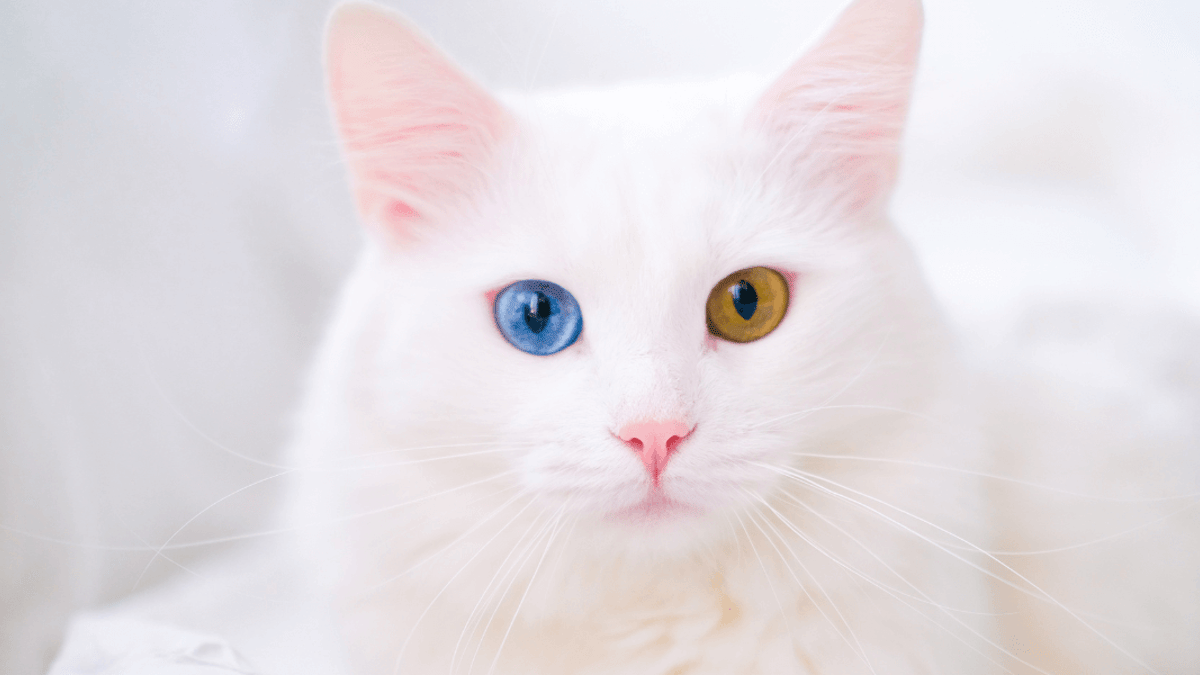
Interestingly, not all white cats are deaf, but the chance increases significantly if the cat has blue eyes. This is because the same gene that causes white fur also influences eye color and hearing ability.
Impact On Behavior And Care
Deafness changes how a cat interacts with its environment. You might notice your white cat startles easily or doesn’t respond when called. This is because they rely more on their other senses, like sight and smell.
To care for a deaf white cat, you’ll need to adjust your approach. Use visual signals like hand gestures or lights to get their attention. Avoid sneaking up on them since they can’t hear you coming.
Have you considered how you would communicate with a pet that can’t hear? Taking time to understand their unique needs can build a stronger bond and keep your cat safe.
Skin Cancer Risks
White cats often face higher skin cancer risks due to their light fur and skin. Sun exposure can cause serious health problems like cancer, especially on ears and nose. Protecting them from strong sunlight is very important.
White cats often face unique health challenges, especially regarding skin cancer risks. Their lack of pigment makes them more susceptible. The delicate skin of white cats, primarily on ears and nose, is vulnerable to harmful UV rays. This exposure increases the risk of developing skin cancer, particularly squamous cell carcinoma. Understanding these risks can help in protecting your feline friend.Sun Exposure And Vulnerability
White cats have less natural protection against sunlight. Their thin fur and pale skin do not shield them well. This makes them prone to sunburn. Sunburned skin can lead to lesions and skin damage. Over time, repeated exposure can cause cancerous growths. Cats love lounging in sunny spots, which increases their risk.Preventive Measures
Limit your cat’s time in direct sunlight. Keep them indoors during peak sun hours. Use UV-protective films on windows to block harmful rays. Consider pet-safe sunscreen for vulnerable areas. Regularly check your cat’s skin for any changes. Early detection of skin issues can prevent serious health problems. Consult a vet if you notice unusual spots or sores.
Credit: cats.com
Eye Conditions In White Cats
Eye conditions are a significant concern for white cats, especially because their unique genetics can make them more prone to certain vision problems. Understanding these issues can help you spot trouble early and seek treatment promptly. Your cat’s eyes are not just windows to their soul—they’re also key indicators of their overall health.
Common Vision Problems
White cats often face specific eye problems linked to their genetic makeup. One common issue is congenital deafness, which sometimes comes paired with vision problems, including poor eyesight or sensitivity to light.
Another frequent concern is heterochromia, where the cat has two different colored eyes. While this looks striking, it can sometimes be associated with underlying eye health issues.
White cats are also at a higher risk of developing cataracts and progressive retinal atrophy (PRA), which can lead to gradual vision loss over time. These conditions are not always obvious at first, making regular vet check-ups essential.
Signs To Watch For
Are you noticing your white cat squinting or pawing at their eyes? These could be signs of discomfort or vision problems. Look out for excessive tearing, redness, or cloudiness in the eyes as well.
If your cat seems hesitant to move around, bumps into furniture, or appears disoriented, it might indicate they are struggling to see clearly. Sudden changes in eye appearance, like swelling or discharge, should prompt an immediate vet visit.
Pay attention to your cat’s behavior and environment. Does your white cat avoid bright rooms or prefer dim lighting? Sensitivity to light can be a subtle sign of eye issues that require professional care.
Health Screening And Care Tips
White cats have unique health challenges that require careful attention. Regular health screening and proper care can help you catch potential issues early and keep your cat happy. Here are some key tips to help you provide the best care for your white feline friend.
Regular Vet Checkups
Scheduling consistent vet visits is crucial for white cats. Their genetic predisposition to deafness and skin cancer means early detection can make a big difference. During these checkups, vets often perform hearing tests and examine their skin for any unusual spots or irritation.
Don’t wait for visible symptoms. Some health problems develop quietly. You can ask your vet to check your cat’s eyes and ears thoroughly, as white cats are more prone to certain issues there.
Protective Measures At Home
Protecting your white cat from excessive sun exposure is essential. Their light skin and fur offer little natural protection against harmful UV rays. You can create shaded areas in your home or garden where your cat can relax safely.
Consider using pet-safe sunscreens recommended by your vet on vulnerable areas like the ears and nose. Also, keeping your cat indoors during peak sunlight hours reduces the risk of sunburn and related skin problems.
Credit: www.diamondpet.com
Credit: wamiz.co.uk
Frequently Asked Questions
What Common Health Problems Affect White Cats?
White cats often face deafness due to a genetic link between white fur and ear function. They may also be more sensitive to sun exposure, risking skin cancer. Regular vet checkups help manage these issues effectively.
Why Are White Cats Prone To Deafness?
White cats with blue eyes have a higher risk of congenital deafness. This condition occurs because the genes controlling white fur can affect inner ear cells. Not all white cats are deaf, but it’s a common concern.
Do White Cats Have Skin Cancer Risks?
Yes, white cats are more vulnerable to skin cancer, especially on ears and nose. Their light skin lacks pigment, offering less protection from UV rays. Limiting sun exposure and using pet-safe sunscreen can reduce this risk.
Can All White Cats Hear Normally?
Not all white cats are deaf, but many have partial or total hearing loss. Deafness is more common in white cats with blue eyes. Hearing tests by a vet can determine their auditory health.
Conclusion
White cats often face unique health challenges, especially with their hearing and skin. Many are prone to deafness and skin cancer due to their light color. Regular vet visits help catch problems early. Protect white cats from too much sun to keep them safe.
Knowing these risks helps owners care better for their pets. Healthy habits and attention can give white cats a happy life. Understanding their needs is key to keeping them well.




Leave a Reply