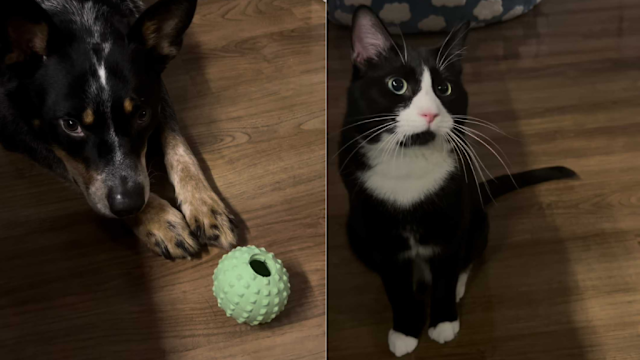
Have you ever wondered if your dog and cat can play with the same toy without any trouble? If you’ve seen them eyeing each other’s favorite playthings, you’re not alone.
Sharing toys might seem simple, but it raises questions about safety, behavior, and happiness for both pets. You’ll discover the surprising truth about how dogs and cats interact with shared toys—and what you can do to keep playtime fun and stress-free for your furry friends.
Keep reading to find out if sharing toys is a good idea and how you can make it work in your home.
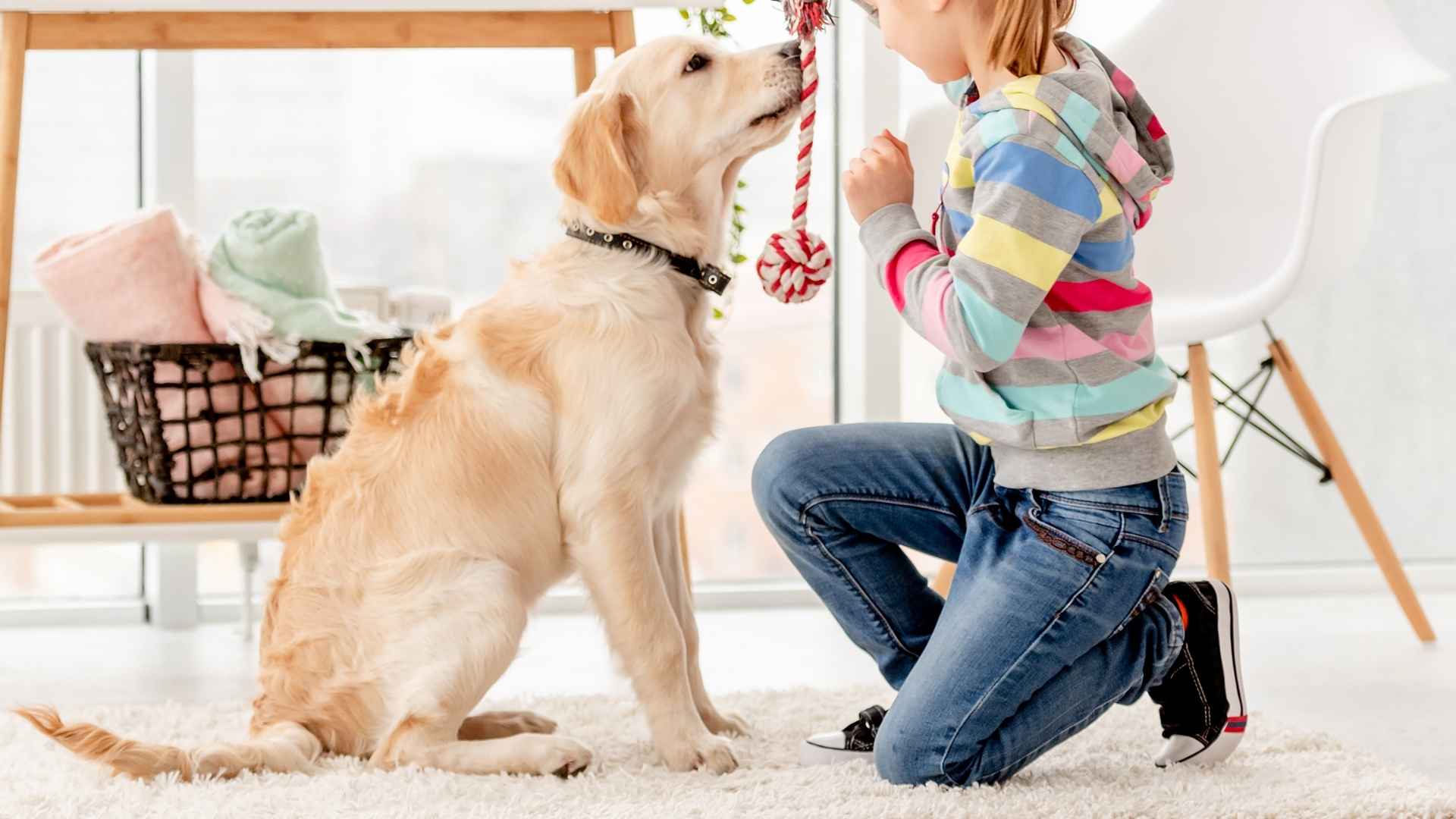
Credit: worldanimalfoundation.org
Benefits Of Sharing Toys
Sharing toys between dogs and cats can bring many positive effects. It helps pets connect and enjoy playtime together. Sharing also teaches important social skills. Pets learn to respect each other’s space and take turns. This can make their relationship stronger and more peaceful.
Building Bond Between Pets
When dogs and cats share toys, they spend time together happily. Playing with the same toy creates trust between them. They start to see each other as friends, not rivals. This bond reduces stress and fights in the home. Pets feel safer and more relaxed around each other.
Encouraging Cooperative Play
Sharing toys helps pets play in a gentle way. They learn to wait for their turn and share attention. Cooperative play also improves their communication skills. Dogs and cats can read each other’s signals better. This leads to more fun and less conflict during playtime.

Credit: www.yahoo.com
Risks Of Sharing Toys
Sharing toys between dogs and cats might seem like a fun way to encourage bonding. However, it comes with several risks that can affect their safety and well-being. Understanding these risks helps you make better choices for your pets.
Potential For Aggression
Dogs and cats have different play styles and communication signals. A toy that excites your dog might stress or annoy your cat, leading to aggressive behavior.
Even a normally calm pet can snap if they feel threatened or possessive over a toy. Have you noticed your pets growling or staring each other down over a shared toy? That’s a red flag you shouldn’t ignore.
Hygiene Concerns
Sharing toys can spread germs and parasites between your dog and cat. Their mouths carry different bacteria, which may cause infections or illness.
Imagine your dog’s slobbery ball being licked by your cat right after—this isn’t just unpleasant but potentially harmful. Regular cleaning of toys is essential, but separate toys reduce this risk drastically.
Choking Hazards
Toys designed for dogs might have parts that are unsafe for cats and vice versa. Small pieces can break off and become choking hazards, especially if both pets chew aggressively.
Think about a cat chasing a dog’s squeaky toy or a dog biting a cat’s feather wand. These scenarios can end in injuries or emergency vet visits. Always check if the toy suits both species before letting them share.
Choosing Safe Toys
Choosing safe toys for both dogs and cats is crucial if you want them to share playtime without risks. Toys should match their chewing strength, play style, and safety needs. It’s not just about fun—it’s about keeping your pets healthy and happy.
Durable Materials
Pick toys made from tough materials that can handle chewing without breaking apart easily. Rubber, nylon, and reinforced fabric often stand up well to dogs’ powerful jaws and cats’ sharp claws. Avoid toys that tear quickly, as small pieces can become choking hazards or cause digestive problems.
Think about your pet’s behavior. Does your dog shred toys fast? Does your cat like to bite or claw aggressively? Choose materials that fit their specific play style to prevent accidents.
Size And Shape Considerations
Ensure toys are the right size for your pets to avoid choking or swallowing dangers. A toy too small can be swallowed, especially by dogs. Too large, and cats might lose interest or struggle to play.
Shapes matter too. Round balls can roll away, causing frustration or competition. Toys with handles or textured surfaces often keep both dogs and cats engaged longer. Could a shared toy accidentally cause possessiveness? Observe how your pets interact to decide.
Non-toxic Components
Always check that the toys are made from non-toxic materials. Pets often chew or lick their toys, so harmful chemicals can cause serious health issues. Look for labels that confirm the toy is BPA-free, lead-free, and made from pet-safe dyes.
If your pet has allergies or sensitivities, choose hypoallergenic options. You might be surprised how many toys contain hidden toxins. Do you know what’s really inside your pet’s favorite toy?
Introducing Shared Toys
Introducing shared toys to dogs and cats can be a fun way to encourage bonding. Both pets enjoy play, but their play styles differ. Careful introduction helps avoid conflicts and makes playtime enjoyable. Shared toys should suit both species and be safe for each. Understanding their behavior during play ensures a positive experience for everyone.
Supervised Playtime
Always watch your pets during their first play sessions with shared toys. Supervision helps prevent fights or accidents. It allows you to step in if either pet becomes too rough or possessive. Keep sessions short at first to gauge their comfort. A calm environment reduces stress and helps pets focus on play.
Observing Pet Reactions
Pay close attention to how your dog and cat react to the shared toy. Look for signs of happiness like tail wagging or purring. Notice if either pet shows fear or aggression. If one pet guards the toy, separate them and try again later. Understanding these signals helps you manage their interactions better.
Gradual Introduction
Introduce shared toys slowly over several days or weeks. Start by letting each pet play alone with the toy. Then allow them to see each other playing separately. Next, bring them together in a calm setting with the toy. Gradual steps build trust and reduce competition over the toy.
Managing Toy Conflicts
Sharing toys between dogs and cats can be challenging. Understanding their play styles helps reduce conflicts. Supervision ensures safer interactions.
Managing toy conflicts between dogs and cats can be challenging. Both pets are curious and playful by nature. Sharing toys can lead to conflicts, impacting their relationship. Understanding and managing these conflicts ensures a peaceful home environment.Recognizing Warning Signs
Watch for signs of tension during play. Growling, hissing, or raised fur indicate discomfort. Pay attention to body language. Cats might arch their backs or swat. Dogs may snarl or snap. Recognizing these signs early helps prevent conflicts.Separating Pets When Needed
Separate pets if play gets rough. Use baby gates or separate rooms. Allow each pet a personal space with their own toys. This reduces competition and stress. Ensure both have enough playtime alone.Redirecting Aggressive Behavior
Redirect aggression with distractions. Introduce new toys or treats. Use positive reinforcement techniques. Reward calm and gentle behavior. Consistent training helps manage aggressive tendencies. Teach them to play nicely together.Alternatives To Sharing
Sharing toys between dogs and cats can cause stress or fights. Each pet has different play styles and needs. Offering alternatives helps keep peace and fun for both pets. These choices also support healthy play and prevent jealousy.
Individual Toys For Each Pet
Give each pet their own toys. Dogs enjoy chew toys and balls. Cats prefer small, soft toys or feather wands. Separate toys reduce competition and promote comfort. Pets feel secure with their own belongings.
Interactive Toys To Distract
Use interactive toys to keep pets busy. Puzzle feeders challenge their minds and provide treats. Motion toys attract attention and encourage play. These toys help pets focus on their own fun, not on each other’s toys.
Rotating Toys Regularly
Change toys every few days. Rotating keeps toys fresh and exciting. Pets stay interested and avoid boredom. This method helps balance attention between dogs and cats without sharing one toy.
Cleaning And Maintenance
Keeping toys clean and well-maintained is essential when dogs and cats share them. It helps prevent the spread of germs and keeps your pets safe and happy. You might be surprised how simple regular care can make a big difference in your pets’ health and enjoyment.
Regular Washing
Wash shared toys often to remove dirt, saliva, and bacteria. Use mild soap and warm water, rinsing thoroughly to avoid any soap residue. Some toys are dishwasher-safe—check the label to save time and ensure a deeper clean.
How often should you wash? Aim for at least once a week if your pets play daily. More frequent washing is needed if your pets have been sick or if the toy gets visibly dirty.
Inspecting For Damage
Check toys regularly for cracks, tears, or loose parts. These can become choking hazards or cause injury. If you notice any damage, remove the toy immediately and decide if it can be repaired or should be discarded.
Pets often chew with enthusiasm, so don’t rely on looks alone. Feel the toy with your hands and watch for small pieces that might break off during play.
Replacing Worn Toys
Over time, toys lose their shape and safety features. Replace worn toys to keep your pets safe and interested. Consider the material and type of toy—soft toys often wear out faster than rubber or plastic ones.
Do you remember the last time you replaced a toy? Keeping track of wear and tear helps you stay ahead and prevent accidents. Fresh toys also keep your pets excited to play together.

Credit: www.animalcareclinicjc.com
Frequently Asked Questions
Can Dogs And Cats Safely Share Toys?
Yes, dogs and cats can share toys if supervised. Choose durable, non-toxic toys to prevent choking or damage. Monitor their interactions to avoid possessiveness or aggression, ensuring safe and positive playtime for both pets.
What Types Of Toys Do Both Dogs And Cats Enjoy?
Interactive toys like balls, feather wands, and treat dispensers appeal to both dogs and cats. Soft plush toys can also work if they suit each pet’s chewing and playing habits. Choose toys that engage both pets safely.
How To Introduce Shared Toys To Dogs And Cats?
Introduce shared toys gradually in a calm environment. Observe their reactions closely and separate toys if tension arises. Reward positive interactions with treats to encourage sharing and reduce competition over toys.
Can Sharing Toys Cause Conflicts Between Dogs And Cats?
Yes, sharing toys can sometimes cause conflicts due to possessiveness. Prevent fights by providing multiple toys and supervising play. Teaching pets to respect each other’s space reduces chances of aggression over shared toys.
Conclusion
Dogs and cats can share toys, but it needs care and patience. Choose toys that suit both pets well. Watch their behavior to avoid fights or stress. Sharing toys can help build a bond between them. Always keep their safety and comfort in mind.
With time, they may enjoy playing together happily. Sharing toys can bring fun and friendship to your home.




Leave a Reply