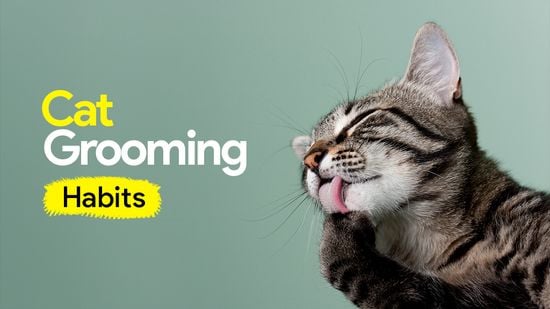
Have you ever wondered what normal grooming looks like for your cat? Understanding your cat’s grooming habits can tell you a lot about their health and happiness.
If you’re unsure whether your furry friend’s grooming is typical or if something might be wrong, this guide is for you. By the end, you’ll know exactly what to expect from your cat’s grooming routine and how to spot any warning signs early.
Keep reading to discover how to keep your cat clean, comfortable, and content every day.

Credit: www.youtube.com
Cat Grooming Basics
Understanding the basics of cat grooming is essential for every cat owner. Grooming is more than just keeping your cat looking neat—it’s about maintaining their health and comfort. Knowing what normal grooming looks like helps you spot any changes that might need attention.
Importance Of Regular Grooming
Regular grooming keeps your cat’s coat clean and free from mats and tangles. It also helps reduce shedding and hairballs, which can make a big difference in your home’s cleanliness. Grooming sessions give you a chance to check for skin problems, parasites, or unusual lumps early on.
When I started brushing my cat daily, I noticed she became more relaxed and even started to enjoy the time together. Isn’t it interesting how something as simple as brushing can strengthen your bond?
Recommended Grooming Frequency
How often you groom your cat depends on their coat type and lifestyle. Short-haired cats usually need brushing once a week, while long-haired breeds often require daily attention. Don’t forget to trim nails every few weeks and clean ears regularly to prevent infections.
Think about your cat’s habits and adjust grooming accordingly. A busy outdoor cat might need more frequent checks, while a mostly indoor, short-haired cat might be fine with less.

Credit: weareallaboutcats.com
Brushing Techniques
Brushing your cat is more than a routine task—it’s a chance to connect and keep their coat healthy. The right brushing technique can prevent hairballs, reduce shedding, and keep your feline friend comfortable. Let’s dive into the details that make brushing effective and enjoyable for both of you.
Choosing The Right Brush
Picking the correct brush depends on your cat’s coat type and skin sensitivity. Slicker brushes with fine wire bristles work well for most cats, especially those with longer hair. For short-haired cats, a rubber brush or grooming glove can remove loose fur gently without irritating the skin.
Think about your cat’s comfort. If your cat resists brushing, try softer bristles or a brush with a comfortable handle for better control. Have you noticed your cat prefers one type over another? Pay attention to their reactions to find the perfect match.
Brushing Short Vs Long Hair
Short-haired cats usually need less frequent brushing, about once or twice a week. Use gentle, quick strokes in the direction of hair growth to remove loose fur and stimulate skin oils.
Long-haired cats require daily brushing to prevent tangles and mats. Brush in sections, holding the fur at the base to avoid pulling on their skin. Regular brushing not only keeps their coat shiny but also reduces the chance of painful knots.
Dealing With Mats And Tangles
Mats can be uncomfortable and even painful for your cat if left untreated. Start by gently loosening the edges of the mat with your fingers or a wide-tooth comb. Patience is key—rushing can hurt your cat and make them fearful of future grooming.
If a mat is stubborn, use a dematting tool carefully, or seek professional grooming help to avoid injury. Have you seen your cat’s relief after a tough mat is removed? That comfort is worth the extra care and time spent.
Bathing Your Cat
Bathing your cat is often seen as a daunting task, but it can be part of normal grooming when done correctly. While cats are excellent self-cleaners, occasional baths help remove dirt, loose fur, or allergens. Understanding when and how to bathe your cat makes the experience less stressful for both of you.
When To Bathe
Most cats don’t need regular baths because they groom themselves effectively. You should consider bathing your cat if:
- They get into something sticky, smelly, or toxic.
- They have a skin condition that requires medicated baths.
- Your vet recommends it for health reasons.
- They are elderly or overweight and can’t groom well on their own.
Have you noticed your cat struggling to clean certain areas? That might be a sign it’s time for a bath.
Safe Bathing Practices
Keeping your cat calm during a bath is key. Use lukewarm water and a mild cat-specific shampoo to avoid irritation. Never use human shampoos, as they can harm your cat’s skin.
Try to bathe your cat in a sink or a small tub with a rubber mat to prevent slipping. Talk softly and move gently to reduce stress. If your cat becomes too anxious, it’s okay to stop and try again later.
Drying Tips
After the bath, wrap your cat in a soft, absorbent towel. Pat gently rather than rubbing to avoid tangling the fur. If your cat tolerates it, you can use a hairdryer on the lowest, coolest setting, keeping it far enough away from the skin.
Make sure your cat is completely dry before letting them go outside or into a cold room. Wet fur can make them uncomfortable and prone to chills. Does your cat enjoy being towel-dried, or do they prefer the warmth of a quiet room to dry off?
Nail Care
Nail care is a crucial part of your cat’s grooming routine. Keeping your cat’s nails at a healthy length prevents discomfort and damage to your furniture. It also protects you from accidental scratches during play or petting.
Many cat owners overlook nail care, but trimming your cat’s nails regularly can make a huge difference in their comfort and behavior. Have you noticed your cat suddenly limping or avoiding certain activities? It might be time to check their nails.
Trimming Tips
Trim your cat’s nails every two to three weeks to avoid overgrowth. Use a pair of nail clippers designed specifically for cats. Avoid cutting too close to the pink part of the nail, known as the quick, as it can cause pain and bleeding.
Keep your cat calm by gently holding their paw and speaking softly. If your cat struggles, try trimming just one or two nails per session. Reward them with a treat afterward to create a positive association.
Signs Of Overgrown Nails
Watch for nails that curl under the paw pads or click loudly on hard floors. Overgrown nails can cause your cat pain and lead to infections if they grow into the skin. You might also notice your cat scratching furniture more aggressively to file down their nails.
Have you seen your cat’s nails snag on carpets or fabric? This could be a clear sign they need a trim. Checking your cat’s nails regularly helps catch these issues early.
Using Scratching Posts
Scratching posts help your cat naturally wear down their nails. Place posts in areas where your cat likes to scratch, such as near windows or their favorite resting spots. Different textures, like sisal or cardboard, can encourage your cat to use them more.
If your cat ignores the scratching post, try sprinkling catnip or using toys to attract them. Regular use of scratching posts reduces the need for frequent nail trims and protects your furniture. Have you noticed your cat’s preference for certain textures or locations?
Ear And Eye Care
Cats keep their ears and eyes clean by gently wiping away dirt with a soft cloth. Regular checks help spot any redness or discharge early. This simple care supports their health and comfort every day.
Ear and eye care is essential for a cat’s overall health. Regular checks prevent infections and discomfort. Cats often groom themselves, but sometimes they need a little help. This section guides you through ear and eye care.Cleaning Techniques
Gently clean your cat’s ears using a damp cotton ball. Avoid using cotton swabs as they might push debris further inside. Regular cleaning prevents wax buildup. For eye care, use a soft cloth dampened with warm water. Wipe from the inner corner to the outer corner. This helps remove any discharge or dirt.Identifying Infections
Look for redness, swelling, or unusual discharge in the ears. These can be signs of an infection. Bad odor from the ears also indicates a problem. For eyes, notice any cloudiness or excessive tearing. Consult a vet if you see these signs. Early detection ensures prompt treatment.Dental Hygiene
Dental hygiene is a crucial part of normal grooming for your cat. Keeping your cat’s teeth clean helps prevent painful dental diseases and keeps their breath fresh. Many cat owners overlook this, but regular care can save your furry friend from discomfort and costly vet visits.
Brushing Cat Teeth
Brushing your cat’s teeth might sound challenging, but it’s easier than you think. Use a soft-bristled toothbrush designed for cats or a finger brush. Start slowly, letting your cat get used to the sensation before attempting a full brushing.
Try brushing a few teeth at first and reward your cat with treats or gentle petting. Consistency is key; aim for brushing several times a week to keep plaque buildup under control.
Dental Treats And Toys
Dental treats and toys are great additions to your cat’s oral care routine. They help reduce plaque and tartar naturally as your cat chews. Look for products approved by veterinary dental organizations to ensure safety and effectiveness.
Not all treats are created equal—some are better at cleaning teeth than others. Toys that encourage chewing also stimulate saliva production, which helps clean the mouth.
Recognizing Oral Issues
Knowing when your cat has dental problems can make a big difference in their health. Watch for signs like bad breath, drooling, difficulty eating, or pawing at the mouth. These often indicate pain or infection.
If you notice any of these symptoms, don’t wait to visit your vet. Early treatment can prevent more serious issues and keep your cat comfortable.
Healthy Coat Maintenance
Maintaining a healthy coat for your cat goes beyond regular brushing. It involves attention to what your cat eats and how well they stay hydrated. A shiny, soft coat reflects overall health and can even prevent skin problems.
Diet And Hydration
Your cat’s diet plays a big role in keeping their fur in top shape. Proteins, especially from animal sources, provide the building blocks for strong hair. Omega-3 and Omega-6 fatty acids help reduce dryness and flakiness.
Have you noticed how your cat’s coat looks dull after a diet change? That’s often a sign of nutrient imbalance. Fresh water availability is just as important—dehydration can make the skin dry, leading to brittle fur.
- Choose high-quality cat food with balanced nutrients.
- Keep multiple water bowls around the house to encourage drinking.
- Wet food can also help increase your cat’s water intake.
Supplements For Skin And Fur
If your cat’s coat seems lackluster despite a good diet, supplements might help. Fish oil capsules or treats rich in omega fatty acids can improve skin elasticity and coat shine. However, it’s crucial to consult your vet before adding supplements.
Some cats respond well to added vitamins like Vitamin E and Biotin, which support skin health and hair growth. But keep in mind, too much of a good thing can cause issues, so dose carefully.
- Ask your vet about the right supplements for your cat.
- Look for products specifically made for feline skin and coat health.
- Monitor your cat for any changes or allergies after starting supplements.
Behavioral Signs During Grooming
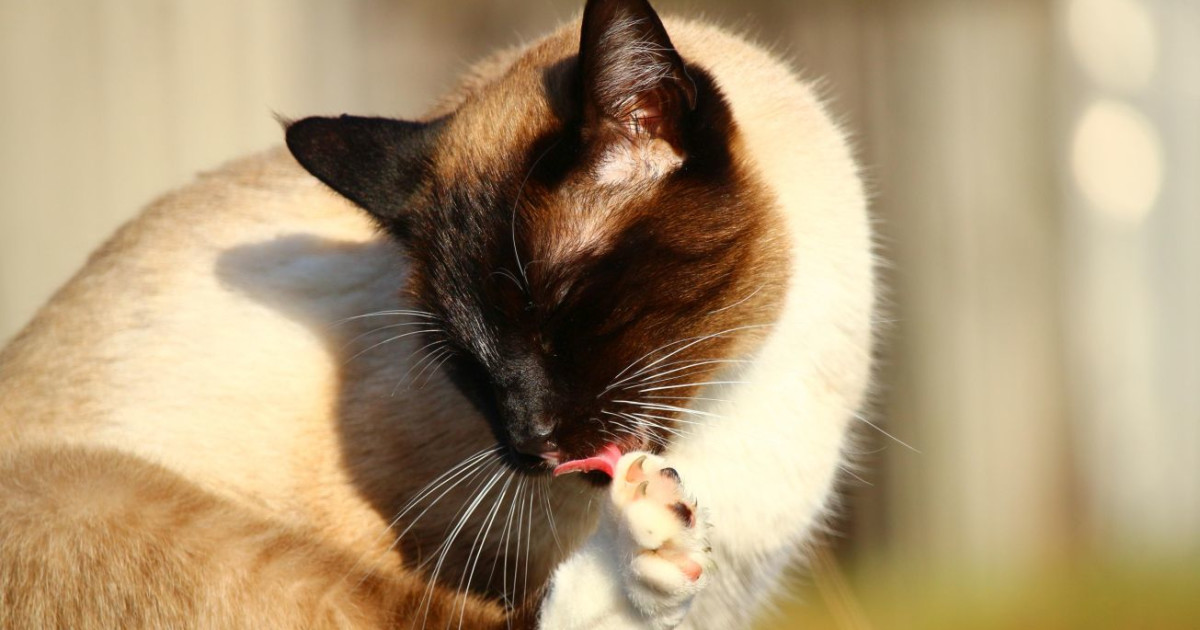
Cats often lick their fur and paws quietly, showing they feel safe and calm. Gentle scratching or nibbling helps keep their coat clean and healthy. Watching these simple actions reveals normal grooming habits in cats.
Understanding your cat’s grooming behavior can reveal a lot about its well-being. Cats are meticulous groomers, often spending hours licking their fur, but what exactly are they communicating during these grooming sessions? Observing your cat’s grooming habits can give you clues about their emotional state, health, and comfort level.Stress Indicators
When your cat is stressed, grooming patterns might change. You might notice excessive licking, particularly in one area, which could lead to bald spots or skin irritation. This behavior often signals anxiety or discomfort. On the flip side, if a cat suddenly stops grooming, it might indicate illness or pain. Cats are usually very particular about cleanliness, so a lack of grooming is a red flag. Keep an eye on their overall demeanor and consult a vet if you notice drastic changes.Making Grooming Enjoyable
Grooming should be a pleasant experience for your cat, and you can play a role in ensuring it stays that way. Regular brushing can help reduce hairballs and keep their coat healthy, turning grooming into a bonding time for both of you. Use tools that your cat finds comfortable. Some cats love a gentle brush, while others prefer a grooming glove. Observe your cat’s reactions to find what they like best. You can even introduce treats or playtime to associate grooming with positive experiences. This way, your cat will look forward to these sessions, reducing stress and making grooming enjoyable for both of you. What have you noticed about your cat’s grooming habits? Being attentive to these behavioral signs can help you ensure your feline friend stays happy and healthy.When To Seek Veterinary Help
Normal grooming keeps a cat’s coat clean and healthy. Sometimes, grooming habits change or skin issues appear. These signs may mean a cat needs veterinary care. Early attention can prevent serious problems and keep your cat comfortable.
Persistent Skin Problems
Look for red, swollen, or scaly skin that does not heal. Constant itching or hair loss is a warning. These signs suggest infections, allergies, or parasites. A vet can diagnose and treat these issues quickly. Untreated skin problems can worsen and cause pain.
Unusual Grooming Behavior
Notice if your cat grooms too much or too little. Over-grooming can cause bald spots or sores. Under-grooming may leave fur dirty or matted. Changes in grooming can signal stress, pain, or illness. A veterinarian can find the root cause and offer solutions.
Credit: pethelpful.com
Frequently Asked Questions
What Does Normal Grooming Mean For A Cat?
Normal grooming is when a cat regularly cleans its fur and skin. It removes dirt, loose hair, and parasites. Grooming also helps cats regulate body temperature and reduce stress. Healthy cats groom themselves multiple times daily, keeping their coat shiny and skin healthy.
How Often Do Cats Groom Themselves Daily?
Cats typically groom themselves 30-50% of their waking hours. This means they groom several times a day to maintain cleanliness and comfort. Frequent grooming helps prevent matting and skin issues. If grooming decreases, it might signal health problems or stress.
Why Do Cats Lick Their Fur While Grooming?
Cats lick their fur to clean and smooth it. Their tongue removes dirt, dead skin, and loose hair. Licking also spreads natural oils that keep fur soft and waterproof. This behavior is essential for hygiene and maintaining a healthy coat.
Can Grooming Habits Indicate A Cat’s Health?
Yes, changes in grooming habits can signal health issues. Over-grooming might show stress, allergies, or parasites. Under-grooming can mean pain, illness, or dental problems. Monitoring grooming helps detect early signs of health concerns for timely care.
Conclusion
Cats groom themselves daily to stay clean and healthy. Normal grooming includes licking fur, cleaning paws, and removing dirt. This helps control shedding and prevents skin problems. Owners should watch for changes in grooming habits as a sign of health issues.
Regular brushing supports their natural grooming and reduces hairballs. Understanding normal grooming helps keep cats happy and well cared for. Simple care routines make a big difference in a cat’s life. Keep an eye on your cat’s grooming to ensure they feel good.




Leave a Reply