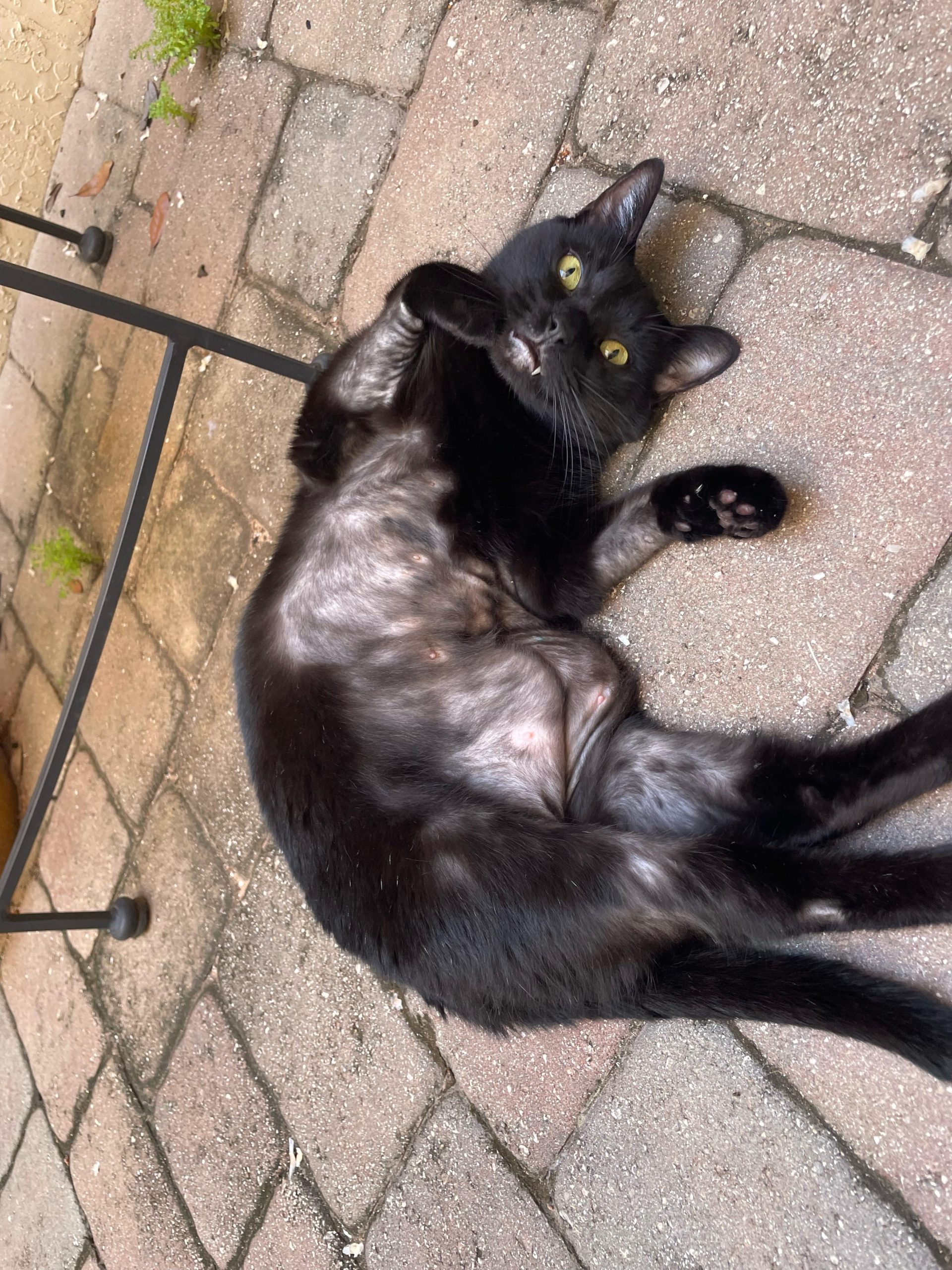
Is your cat grooming itself more than usual? You might have noticed your furry friend licking or biting their fur nonstop.
This can be worrying, and you’re probably wondering, “How do I get my cat to stop grooming so much? ” Excessive grooming can signal stress, allergies, or other health issues. The good news is, there are simple steps you can take to help your cat feel better and reduce this behavior.
Keep reading to discover effective ways to calm your cat and bring back their happy, healthy self.
Causes Of Excessive Grooming
Excessive grooming in cats can signal different underlying problems. Understanding these causes helps address the issue effectively. Cats groom to clean themselves, but too much grooming may cause harm. Identifying why your cat grooms too much is the first step to stop it.
Stress And Anxiety
Stress can make cats groom more than usual. Changes in the home or loud noises may trigger anxiety. Grooming acts as a coping mechanism to relieve stress. Cats may lick or chew their fur to feel calmer.
Allergies And Skin Issues
Allergies often cause itching, making cats groom excessively. Food, pollen, or dust can trigger skin reactions. Skin irritations lead to constant licking and scratching. This behavior can worsen the condition if untreated.
Parasites And Infections
Parasites like fleas cause severe itching and discomfort. Cats try to remove these pests by grooming. Bacterial or fungal infections also cause irritation. These infections make the skin sore, increasing grooming behavior.
Boredom And Lack Of Stimulation
When cats feel bored, they may groom more to pass time. Lack of toys or interaction leads to repeated grooming. This habit can become compulsive without mental stimulation. Providing activities helps reduce excessive grooming.
:strip_icc()/the-kitty-1011094438-5c3d1af5c9e77c00015e66a6.jpg)
Credit: www.thesprucepets.com
Identifying Grooming Problems
Knowing when your cat is grooming too much helps keep them healthy. Grooming is normal but overgrooming can cause harm. It may lead to hair loss, skin wounds, or infections. Watching your cat closely helps spot problems early. Early action can prevent serious health issues.
Signs Of Overgrooming
- Hair thinning or bald patches on the skin
- Red, irritated, or scabby skin spots
- Constant licking or biting of the same area
- Visible wounds or sores from scratching
- Restlessness or agitation during grooming
- Excessive shedding beyond normal levels
When To See A Veterinarian
Visit a vet if your cat shows wounds or bald spots. Seek help when skin looks inflamed or infected. Consult a professional if grooming affects your cat’s behavior or mood. A vet can find underlying causes like allergies or parasites. Early treatment helps your cat heal faster and feel better.
Reducing Stress For Your Cat
Excessive grooming in cats often signals stress. Reducing stress helps calm your cat’s mind and body. Less stress means less need for constant grooming. Focus on creating a peaceful space and steady habits. These steps support your cat’s well-being and comfort.
Creating A Calm Environment
Choose a quiet spot for your cat to relax. Avoid loud noises and sudden movements near their space. Provide soft bedding and cozy hiding places. Keep the area clean and free from clutter. A calm environment soothes anxious cats and lowers stress levels.
Using Pheromone Products
Pheromone diffusers and sprays mimic natural cat scents. They send comforting signals that reduce anxiety. Place diffusers in rooms your cat frequents. Use sprays on bedding or favorite resting spots. These products help create a sense of safety and calm.
Establishing A Routine
Cats thrive on predictability and routine. Feed, play, and groom your cat at the same times daily. Regular schedules reduce uncertainty and stress. Playtime also provides mental and physical exercise. A steady routine helps your cat feel secure and relaxed.
Treating Medical Causes
Treating medical causes can help stop your cat’s excessive grooming. A vet can check for allergies, skin infections, or pain that might trigger this behavior. Addressing these health issues often reduces the need for constant licking and biting.
Excessive grooming in cats can often be a sign of underlying medical issues. Treating these medical causes is crucial in helping your feline friend find relief. By identifying and addressing these health problems, you can significantly reduce your cat’s compulsive grooming behavior.Addressing Allergies
Cats, much like humans, can suffer from allergies. These can be triggered by environmental factors like pollen or household products. Sometimes, food allergies are the culprit. If your cat is constantly grooming, a trip to the vet for allergy testing is a wise move. They can help pinpoint the allergen and suggest solutions, such as special diets or hypoallergenic products. You might be surprised at how a simple change in diet or cleaning products can make all the difference.Managing Parasites
Parasites like fleas or mites can cause intense itching, leading your cat to groom excessively. Regularly check your cat’s fur for signs of fleas or ticks. A flea comb is a handy tool to have for this purpose. If parasites are found, prompt treatment is essential. Over-the-counter solutions or vet-prescribed treatments can effectively manage these tiny pests.Skin Treatment Options
Skin conditions like dermatitis or fungal infections can also cause discomfort, leading to over-grooming. A vet can diagnose these conditions and recommend appropriate treatments. These might include medicated shampoos or topical creams to soothe irritation. Regular bathing with a vet-approved shampoo can help maintain your cat’s skin health. If you notice your cat grooming more than usual, consider these medical causes. Could addressing one of these issues be the key to your cat’s comfort? Understanding the root of the problem is the first step towards a happier, healthier pet.Behavioral Strategies
Behavioral strategies help reduce your cat’s excessive grooming by changing its daily habits. These approaches focus on keeping your cat’s mind and body busy. They lower stress and boredom, which are common causes of over-grooming. Consistent efforts make a big difference in your cat’s behavior over time.
Providing Mental Stimulation
Keep your cat’s brain active with puzzles and toys. Puzzle feeders challenge your cat to work for food. This keeps their mind sharp and distracted from grooming. Rotate toys often to hold their interest. Try hiding treats around the house for a fun treasure hunt. Mental games reduce anxiety and obsessive behaviors.
Increasing Playtime
Daily play helps burn off extra energy and stress. Use interactive toys like feather wands or laser pointers. Play sessions should last at least 15 minutes, twice a day. This physical activity helps your cat relax. Tired cats tend to groom less. Play also builds a stronger bond between you and your pet.
Using Distraction Techniques
Distract your cat at the first sign of over-grooming. Gently redirect their attention with a toy or treat. Create a calm environment with soft music or low lighting. Use calming sprays or diffusers with pheromones. These signals comfort your cat and reduce stress. Distractions stop the grooming cycle before it starts.
Protective Measures
Protective measures are essential when your cat is grooming excessively. These strategies help prevent injury and give your cat’s skin time to heal. You want to make sure your cat stays comfortable while reducing the urge to over-groom.
Using E-collars And Clothing
E-collars, often called “cones,” are a common way to stop your cat from reaching certain areas. They might seem uncomfortable at first, but many cats get used to them quickly.
Soft fabric collars or inflatable collars can be less stressful alternatives to the hard plastic ones. Some pet owners have found that lightweight cat shirts or bodysuits protect the skin and keep the cat from licking.
Have you noticed your cat’s reaction to collars or clothing? Sometimes trying different styles helps you find what your cat tolerates best. Always check for signs of stress or discomfort and never leave these on unsupervised for long periods.
Safe Grooming Alternatives
Redirect your cat’s need to groom by providing safe alternatives. Regular brushing can satisfy their grooming instincts and reduce the urge to overdo it themselves.
Using grooming gloves or soft brushes makes the experience enjoyable. Adding gentle massages during grooming sessions can calm your cat and distract them from licking or chewing their fur.
Consider applying veterinarian-approved sprays or creams that soothe irritated skin. These products can reduce itching and discomfort, making your cat less likely to over-groom.
When To Seek Professional Help
Excessive grooming in cats can signal deeper problems. Knowing when to seek professional help is vital. Persistent licking or bald patches need expert attention. Early intervention improves your cat’s health and comfort.
Veterinary Specialists
Veterinarians check for skin infections, allergies, or parasites. They perform tests to find physical causes. Prescription treatments may stop the over-grooming. A vet visit is necessary if wounds or hair loss appear. Regular check-ups help rule out medical issues.
Animal Behaviorists
Behaviorists identify stress or anxiety triggers. They observe your cat’s environment and habits. Tailored plans reduce nervous grooming and improve wellbeing. Behavior changes can stop compulsive licking. Professional advice supports lasting behavior improvement.

Credit: pennypaws.com

Credit: icatcare.org
Frequently Asked Questions
Why Is My Cat Grooming Excessively?
Excessive grooming can signal stress, allergies, or skin issues. It’s important to observe your cat’s behavior. Consult a vet if grooming seems compulsive or causes hair loss.
How Can I Reduce My Cat’s Over-grooming Behavior?
Provide mental stimulation, regular play, and a stress-free environment. Use calming sprays or pheromone diffusers. Consult your vet for medical causes if needed.
Is Over-grooming Harmful To Cats?
Yes, it can cause skin irritation, hair loss, and infections. Over-grooming may indicate underlying health or emotional problems that require attention.
What Triggers A Cat To Groom Excessively?
Triggers include stress, boredom, allergies, parasites, or pain. Identifying the cause helps in managing and reducing excessive grooming effectively.
Conclusion
Stopping your cat from grooming too much takes patience and care. Watch your cat’s behavior closely every day. Give your cat plenty of toys and attention. Make sure your cat feels safe and calm. Visit the vet if grooming seems painful or extreme.
Small changes can help your cat feel better. Keep trying different ways to keep your cat happy. Your cat will thank you with less grooming soon. Stay calm and gentle throughout the process. Caring for your cat’s health matters most.



Leave a Reply