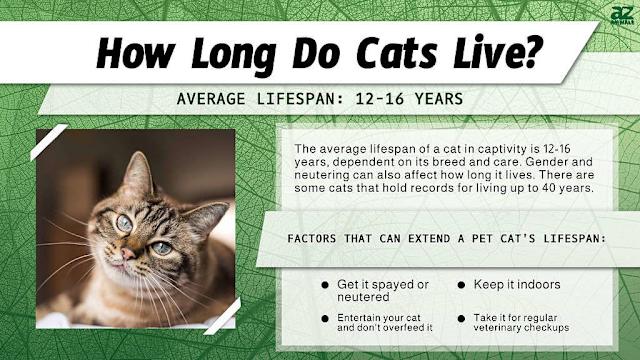
Have you ever wondered if your cat’s breed affects how long they might live? You probably want your furry friend to stay by your side for as many years as possible.
But not all cats are the same when it comes to life expectancy. Some breeds tend to live longer, while others may have shorter lifespans. Understanding these differences can help you give your cat the best care and enjoy more precious moments together.
Keep reading to discover which cat breeds live the longest and what factors play a role in their lifespan.

Credit: www.petscare.com
Cat Breed Lifespans
Cat breed lifespans vary widely and can surprise you. Some breeds naturally live longer, while others have shorter lives due to genetic factors. Understanding these differences helps you prepare better care and set realistic expectations for your furry friend.
Genetics And Lifespan Differences
Genetics play a major role in how long a cat lives. Certain breeds carry inherited health conditions that can shorten their lifespan. For example, Persian cats often face respiratory problems, which may affect their longevity.
On the other hand, breeds like the Siamese tend to live longer, sometimes reaching 15 to 20 years. This variation makes you wonder: how much does your cat’s breed really predict their lifespan?
Average Lifespan Of Popular Cat Breeds
| Cat Breed | Average Lifespan (Years) | Common Health Issues |
|---|---|---|
| Siamese | 15-20 | Respiratory problems, dental issues |
| Persian | 12-17 | Breathing difficulties, kidney disease |
| Maine Coon | 12-15 | Hip dysplasia, heart disease |
| Ragdoll | 12-17 | Heart disease, bladder stones |
| British Shorthair | 14-20 | Obesity, heart disease |
How Lifestyle Affects Lifespan Across Breeds
Breed alone doesn’t decide a cat’s lifespan. Your cat’s daily care plays a huge role. A well-fed, regularly exercised cat with proper vet visits can outlive breed averages.
Think about your own cat. Could small changes in diet or activity add years to their life? Your actions can be the difference between a good life and a long life.
What You Can Do To Support Your Cat’s Longevity
- Provide a balanced diet tailored to your cat’s breed and age
- Schedule regular vet check-ups to catch health issues early
- Keep your cat mentally and physically active to prevent obesity and stress
- Pay attention to breed-specific health risks and manage them proactively
Have you noticed how attentive care has helped your cat thrive beyond expectations? Your commitment can truly extend their years and improve their quality of life.
Factors Affecting Cat Longevity
Cat longevity depends on many factors beyond just breed. These factors influence how long a cat can live and enjoy good health. Understanding them helps cat owners provide the best care.
Genetics And Breed
Genetics play a key role in a cat’s lifespan. Some breeds have natural health issues that shorten life. For example, large breeds may face joint problems. Purebred cats often have more genetic diseases than mixed breeds. Mixed breeds tend to be healthier and live longer on average.
Diet And Nutrition
Proper diet affects a cat’s health and lifespan. Balanced nutrition supports the immune system and organ function. Cats need protein, fats, vitamins, and minerals. Poor diet can cause obesity, diabetes, and other diseases. Feeding high-quality cat food helps maintain ideal weight and energy levels.
Environment And Lifestyle
Living indoors generally extends a cat’s life. Indoor cats avoid dangers like traffic, predators, and infectious diseases. Outdoor cats face more risks and injuries. Stress levels also affect health. A calm and safe environment reduces illness and supports longevity.
Healthcare And Veterinary Care
Regular vet visits catch health problems early. Vaccinations prevent deadly diseases. Parasite control protects cats from ticks and worms. Dental care prevents infections that can spread to organs. Prompt treatment of illnesses improves survival chances and quality of life.
Long-lived Cat Breeds
Have you ever wondered if certain cat breeds are blessed with longer lives? The truth is, just like humans, some cat breeds naturally enjoy a longer lifespan. Understanding which cat breeds tend to live longer can be useful for potential cat owners seeking a lifelong companion. Let’s dive into the world of long-lived cat breeds and explore the fascinating details.
Siamese Cats
Siamese cats are not only known for their striking blue eyes and sleek bodies but also for their impressive longevity. These cats often live well into their late teens and some even reach their twenties. Their social and affectionate nature means they thrive in environments filled with love and attention.
My neighbor’s Siamese, Luna, is 17 years old and still acts like a kitten! Her playful antics are a testament to the vitality often seen in this breed. Have you ever considered how much joy a long-lived, energetic cat could bring to your home?
Burmese Cats
Burmese cats are another breed known for their long lives, often living between 16 to 18 years, sometimes even longer. Their robust health and playful demeanor make them delightful companions for families and singles alike. Their silky coats and affectionate nature only add to their charm.
With a Burmese cat, you’re not just getting a pet; you’re gaining a loyal friend for many years. Imagine the endless cuddles and companionship you could experience with a Burmese by your side.
Ragdolls
Ragdolls are famous for their gentle temperament and beautiful, fluffy coats. They typically enjoy a life expectancy of 15 to 20 years. Their laid-back nature and loving disposition make them ideal pets for those seeking a calm and affectionate feline.
These cats are known for their docile nature, often flopping into the arms of anyone who picks them up, hence the name “Ragdoll.” If you’re looking for a serene and cuddly companion to share your years with, a Ragdoll might be the perfect choice for you.
Have you ever considered how choosing a long-lived cat breed could enhance your life? Whether it’s the vibrant Siamese, the affectionate Burmese, or the serene Ragdoll, each offers a unique and enduring companionship. Which breed resonates with you?
Breeds With Shorter Lifespans
Some cat breeds tend to have shorter lifespans compared to others. Understanding these differences can help you prepare better care routines and set realistic expectations. Let’s take a closer look at a few breeds known for their relatively shorter lives and what that means for you as a cat owner.
Persian Cats
Persians often face health challenges due to their flat faces, which can lead to breathing difficulties and eye problems. These issues sometimes shorten their lifespan to around 12 years, less than many other cats. If you have a Persian, regular vet visits focusing on respiratory and eye care are essential to help extend their quality of life.
Exotic Shorthairs
Exotic Shorthairs share many traits with Persians, including their facial structure, which affects their health. Their typical lifespan ranges from 12 to 15 years, but respiratory and dental problems can lower that. You can support your Exotic Shorthair by maintaining a clean environment and closely monitoring their breathing and oral health.
Maine Coons
Maine Coons are larger cats and tend to have a lifespan around 10 to 13 years, somewhat shorter than many other breeds. They are prone to heart conditions like hypertrophic cardiomyopathy (HCM), which can impact longevity. Regular heart screenings are a practical step you can take to catch potential issues early and help your Maine Coon live a healthier life.
Mixed Breed Cats And Longevity
Mixed breed cats often surprise many with their resilience and health. Unlike purebred cats, they carry a diverse gene pool that can influence their longevity in unique ways. Understanding how mixed breed cats fare in terms of lifespan can help you care better for your feline friend.
Genetic Diversity And Health Benefits
Mixed breed cats usually have greater genetic diversity. This diversity can reduce the risk of inherited diseases common in purebred cats.
For example, some purebreds are prone to heart or kidney problems due to limited gene pools. Mixed breeds often avoid these issues, potentially leading to longer, healthier lives.
Common Lifespan Range For Mixed Breed Cats
On average, mixed breed cats live between 12 to 16 years. With proper care, many reach their late teens or even early twenties.
This range overlaps with many purebreds, but the variability in mixed breeds makes individual lifespan less predictable.
How Lifestyle Impacts Longevity More Than Breed
Your cat’s daily life plays a huge role in how long they live. Nutrition, exercise, regular vet visits, and a safe environment can all add years to your cat’s life.
Even a mixed breed cat can face health challenges if neglected or exposed to risks like outdoor hazards or poor diet.
Do You Know Your Cat’s Background?
Not all mixed breed cats have unknown ancestry. Some come from rescue groups or shelters with partial breed information.
Knowing your cat’s background can help anticipate potential health issues and tailor preventive care.
Is Mixed Breed Always Healthier?
It’s tempting to think mixed breed cats always live longer due to fewer genetic problems. But environment and care often outweigh genetics.
Have you noticed your own mixed breed cat’s health compared to purebreds? Your observations could challenge common beliefs about lifespan and breed.

Credit: www.aol.com
Tips To Extend Your Cat’s Life
Extending your cat’s life takes consistent care and attention. Small habits build a healthy and happy cat. Focus on health, diet, safety, and activity. Each area helps your cat live longer and feel better.
Regular Vet Visits
Routine vet check-ups catch problems early. Vaccinations protect against common diseases. Dental care prevents painful infections. Discuss your cat’s breed and age with the vet. Tailored advice helps manage breed-specific risks.
Balanced Diet
Feed high-quality food suited to your cat’s needs. Proper nutrition supports the immune system and energy levels. Avoid overfeeding to prevent obesity. Fresh water should always be available. Treats are fine but keep them limited.
Safe And Stimulating Environment
Keep your home safe from hazards like toxic plants or chemicals. Provide cozy resting spots and quiet areas. Enrich your cat’s space with scratching posts and toys. A stimulating environment reduces stress and boredom.
Exercise And Mental Health
Encourage daily play to keep muscles strong. Interactive toys boost mental sharpness and focus. Spend time bonding through gentle petting and games. A happy cat is less likely to develop stress-related illnesses.
Common Myths About Cat Lifespan
Many people believe certain myths about how long cats live based on their breed. These myths can cause misunderstandings about your cat’s health and care needs. Let’s clear up some common myths and give you real insights into cat lifespans.
Different Breeds Have Drastically Different Lifespans
It’s easy to assume that some breeds live much longer than others. While breed can influence health risks, the difference in lifespan is often smaller than you think.
Take the Siamese and the Maine Coon, for example. Both can live well into their teens, but their lifespans overlap significantly. Your cat’s environment, diet, and vet care often play a bigger role than breed alone.
Purebred Cats Live Shorter Lives Than Mixed Breeds
This myth suggests purebreds face more health problems, leading to shorter lives. Yes, some purebreds carry genetic issues, but responsible breeders reduce these risks.
Mixed breeds benefit from genetic diversity, but they aren’t immune to health problems. What really matters is regular vet checkups and a healthy lifestyle for any cat.
Older Cats Can’t Adapt To New Environments
Many assume older cats struggle to adjust, impacting their wellbeing. I once moved an 11-year-old cat to a new home, and she adapted quickly with patience and care.
Age doesn’t limit your cat’s ability to thrive in new surroundings. Providing comfort and routine helps any cat feel secure, no matter their age.
Indoor Cats Always Live Longer Than Outdoor Cats
Indoor cats generally avoid accidents and predators, which helps extend their lives. But indoor life isn’t risk-free; obesity and boredom can shorten lifespan.
Outdoor cats get more exercise and mental stimulation but face dangers like traffic and fights. Balancing safety and activity is key for a long, happy life.
Can You Really Predict How Long Your Cat Will Live?
Predicting lifespan isn’t an exact science. Instead of guessing, focus on what you can control: good nutrition, regular vet visits, and lots of love.
How do you care for your cat to help them live their best life? Sharing your experience might help others debunk these myths too.

Credit: www.petscare.com
Frequently Asked Questions
Do Cat Breeds Affect Life Expectancy?
Yes, cat breeds can influence lifespan. Some breeds like Siamese tend to live longer, while others may have shorter lifespans due to genetic factors or health risks. Breed-specific traits and care also play key roles in overall longevity.
Which Cat Breeds Live The Longest?
Siamese, Burmese, and Ragdolls often have longer lifespans, sometimes reaching 15-20 years. These breeds generally have fewer genetic health issues and benefit from good care, contributing to their extended life expectancy.
How Does Genetics Impact Cat Lifespan?
Genetics determine susceptibility to diseases and overall health. Purebred cats may inherit breed-specific conditions, affecting longevity. Mixed-breed cats often have greater genetic diversity, which can lead to a longer, healthier life.
Can Lifestyle Change A Cat’s Life Expectancy?
Yes, proper diet, regular vet visits, and exercise significantly improve a cat’s lifespan. Indoor cats usually live longer than outdoor cats due to fewer risks from accidents or infections.
Conclusion
Different cat breeds can have varied life spans. Genetics, health, and care all play roles. Some breeds live longer due to strong genes. Others may face more health problems early on. Regular vet visits help catch issues fast. Good food and exercise keep cats healthy.
Love and attention also improve their lives. Knowing breed traits helps prepare for care needs. Every cat deserves a happy, long life. Choosing the right breed matters but care matters most.



Leave a Reply