
Have you ever wondered what health risks might be hiding in your home because of cat urine and feces? If you have a feline friend, it’s important to know that these waste products can cause more than just bad smells.
They can affect your health in surprising ways you might not expect. Understanding these dangers can help you protect yourself and your family. Keep reading to discover the key health issues linked to cat urine and feces—and learn how to keep your home safe and healthy.
Toxoplasmosis Risks
Toxoplasmosis is a disease caused by a tiny parasite called Toxoplasma gondii. Cats are the main carriers of this parasite. The parasite can be found in cat urine and feces. This poses health risks to humans, especially to pregnant women and people with weak immune systems.
Transmission Through Cat Waste
The parasite is shed in cat feces. It takes one to five days for the parasite to become infectious. People can catch it by:
- Touching cat litter or soil contaminated with feces
- Not washing hands after cleaning the litter box
- Eating unwashed vegetables or fruits from contaminated soil
Direct contact with cat urine is less common but still risky.
Symptoms And Effects On Humans
Most healthy people show no symptoms. Some may feel mild flu-like symptoms such as:
- Fever
- Muscle aches
- Swollen lymph nodes
In pregnant women, the infection can harm the unborn baby. It can cause:
- Miscarriage
- Birth defects
- Developmental problems
People with weak immune systems risk serious complications like brain damage.
Preventive Measures
- Clean the litter box daily, before parasites become infectious
- Wear gloves when handling cat waste or soil
- Wash hands thoroughly with soap and water after cleaning
- Keep cats indoors to reduce their risk of infection
- Cook meat thoroughly, as undercooked meat can carry the parasite
- Pregnant women should avoid cleaning litter boxes if possible

Credit: justcatsclinic.com
Respiratory Problems
Respiratory problems linked to cat urine and feces are more common than many pet owners realize. The strong odors and harmful particles released can irritate your lungs and airways. This can lead to coughing, wheezing, and difficulty breathing, especially for those with existing respiratory conditions.
Ammonia In Cat Urine
Cat urine contains high levels of ammonia, a chemical that forms as the urine breaks down. Ammonia has a sharp, pungent smell that can quickly fill a room. Breathing in ammonia over time irritates the lining of your respiratory tract, causing inflammation and discomfort.
Even small amounts can trigger symptoms like throat irritation or coughing. If you’ve ever entered a room with strong cat urine odor, you might have felt your eyes water or your breathing become shallow.
Impact On Asthma And Allergies
If you or someone in your home has asthma or allergies, cat urine and feces can worsen symptoms. The ammonia and other particles act as triggers, leading to asthma attacks or allergic reactions. Sneezing, wheezing, and shortness of breath can occur more frequently.
Children and elderly family members are especially vulnerable to these effects. Have you noticed your allergy symptoms flare up after cleaning the litter box or being around a cat’s mess?
Ventilation And Cleaning Tips
- Keep rooms well-ventilated:Open windows and use fans to help disperse ammonia fumes quickly.
- Clean litter boxes daily:Removing waste regularly reduces ammonia buildup and odors.
- Use enzyme-based cleaners:These break down urine molecules instead of just masking the smell.
- Consider air purifiers:HEPA filters can capture airborne particles linked to respiratory irritation.
- Wear a mask:Protect your lungs when cleaning litter boxes or dealing with accidents.
Taking these steps can greatly reduce respiratory risks in your home. What simple changes can you make today to protect your breathing and your loved ones?
Bacterial Infections
Bacterial infections from cat urine and feces are more common than many pet owners realize. These infections can pose serious health risks, especially if hygiene is overlooked. Understanding the bacteria involved and how they affect your health helps you protect yourself and your loved ones.
Common Bacteria In Cat Feces
Cat feces can carry several harmful bacteria, including Salmonella, Campylobacter, and E. coli. These bacteria thrive in warm, moist environments, making litter boxes a potential hotspot. Even if your cat appears healthy, they can still shed these bacteria in their waste.
Salmonella is notorious for causing food poisoning-like symptoms in humans. Campylobacter often leads to diarrhea and abdominal cramps. E. coli can cause severe digestive distress and sometimes more serious complications.
Potential For Gastrointestinal Issues
If you come into contact with these bacteria, you might experience nausea, vomiting, diarrhea, and stomach pain. Children, elderly people, and those with weakened immune systems are particularly vulnerable. Have you ever noticed stomach issues after cleaning a litter box without gloves? That could be a sign of bacterial exposure.
Besides immediate symptoms, some infections can cause long-term health problems if untreated. For instance, Campylobacter infections have been linked to autoimmune conditions. Paying attention to your symptoms after contact with cat waste is crucial for early treatment.
Hygiene Practices To Avoid Infection
To reduce your risk, always wear disposable gloves when handling litter boxes. Wash your hands thoroughly with soap and water afterward. Avoid touching your face during cleaning to prevent bacteria from entering your body.
- Clean litter boxes daily to limit bacterial growth
- Use a scoop to remove waste instead of hands
- Disinfect the litter box weekly with pet-safe cleaners
Consider placing litter boxes in well-ventilated areas to reduce airborne bacteria. If you have multiple cats, use multiple litter boxes to minimize contamination. These steps keep your home safer and your family healthier.
Parasitic Threats
Cat urine and feces can carry parasites that cause serious health problems. These include infections like toxoplasmosis, which can affect the brain and organs. Exposure to these parasites may lead to flu-like symptoms and long-term health risks.
Cat ownership brings joy and companionship, but it also brings responsibility, especially when it comes to managing waste. Among the significant risks posed by cat urine and feces are parasitic threats. These tiny invaders can have big implications for both your cat’s health and yours. Understanding these threats is crucial to ensuring a safe and healthy environment for you and your furry friend.Types Of Parasites Found In Cat Waste
Cat waste can harbor a variety of parasites, each with its own set of risks. Common parasites include roundworms, hookworms, and tapeworms. Toxoplasma gondii, a microscopic parasite, is also of particular concern, especially for pregnant women and individuals with weakened immune systems. You might not see these parasites, but they can linger in cat litter and soil, posing a risk if you’re not careful. Regularly cleaning the litter box and using gloves can help minimize exposure to these parasites. It’s also important to wash your hands thoroughly after handling cat waste.Health Implications For Humans
The parasites found in cat waste can cause serious health issues in humans. For instance, Toxoplasmosis, caused by Toxoplasma gondii, can lead to flu-like symptoms and, in severe cases, damage to the brain, eyes, or other organs. Roundworms and hookworms can cause gastrointestinal issues and skin conditions. Pregnant women need to be especially cautious, as some parasites can affect fetal development. Regular hygiene practices and prompt waste disposal can significantly reduce these risks. Are you taking the necessary precautions to protect yourself and your family?Regular Vet Checkups And De-worming
Keeping your cat healthy is the first step in preventing parasitic threats. Regular vet checkups are essential to catch any potential issues early. Your vet can perform tests and recommend a de-worming schedule tailored to your cat’s needs. De-worming isn’t just a one-time event; it should be part of your cat’s routine healthcare. This proactive approach keeps your pet healthy and reduces the risk of parasites entering your home. Are you scheduling regular vet visits and following through with de-worming recommendations? By staying informed and proactive, you can create a safe environment for both you and your cat. Remember, a little diligence can go a long way in preventing these microscopic threats.Mental Health Concerns
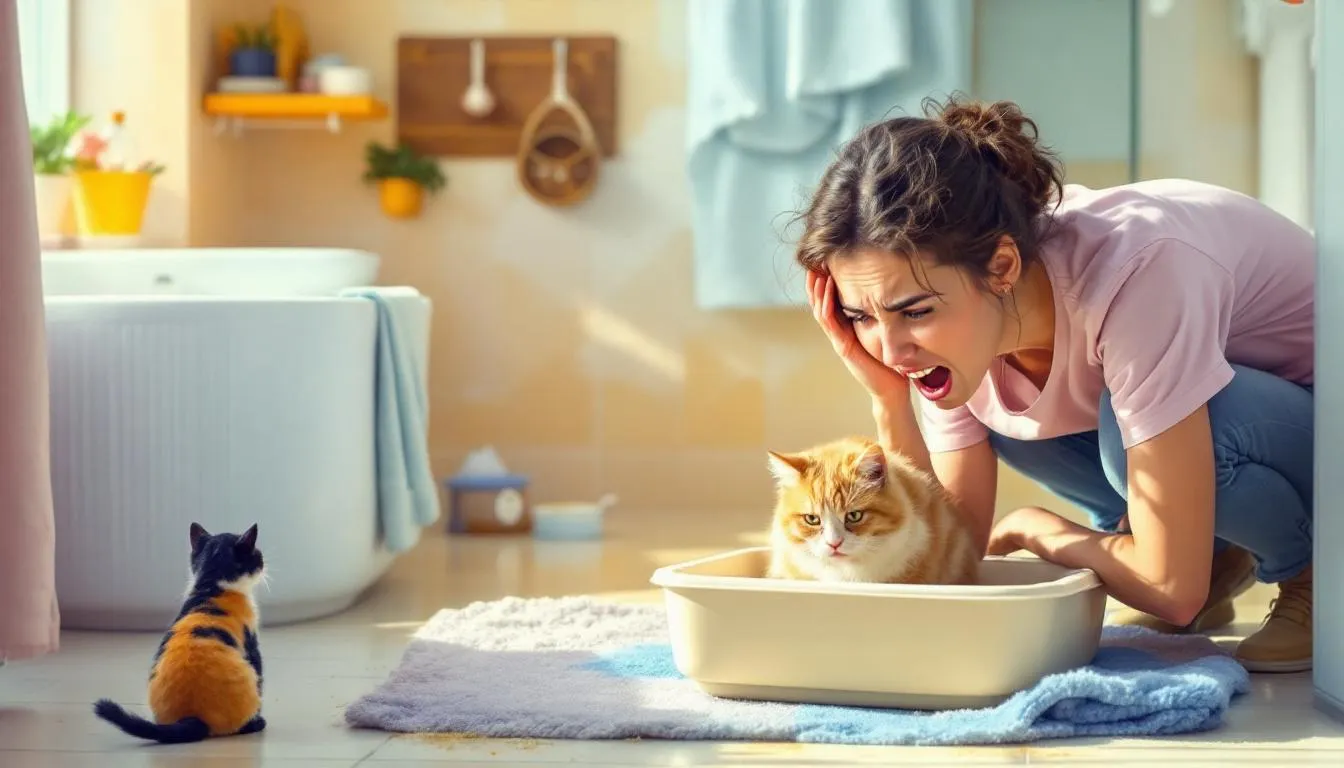
Mental health concerns linked to cat urine and feces are often overlooked. The strong smell and mess can cause stress and anxiety. This stress can affect daily life and overall well-being. Understanding how these issues arise helps in managing them better.
Stress From Odors And Cleanliness
The smell of cat urine is sharp and hard to ignore. It can linger for days or weeks. This persistent odor can cause headaches and irritability. A dirty litter box adds to the discomfort. The constant need to clean can feel overwhelming. These factors together create a stressful environment.
Impact On Quality Of Life
Living with the smell or sight of cat waste lowers life quality. It may cause embarrassment when guests visit. People might avoid spending time at home. Sleep can be disturbed by the unpleasant odor. Stress from these issues can lead to mood swings. It affects focus and energy for daily tasks.
Strategies For Managing Stress
Keeping a clean litter box is key to reducing stress. Using odor-neutralizing products can help control smells. Ventilating rooms often improves air quality. Setting a cleaning schedule makes the task easier. Taking breaks and practicing relaxation also supports mental health. Seeking support from friends or professionals can provide relief.
Credit: www.astrobrite.net
Safe Cleaning Techniques
Cleaning cat urine and feces safely protects your health and home. These wastes carry bacteria and parasites that cause illnesses. Using the right safety steps reduces risks of infections and bad odors. Proper cleaning keeps your space fresh and safe for everyone.
Protective Gear Recommendations
Wear gloves to avoid direct contact with waste. Use disposable gloves for easy cleanup. A mask helps prevent breathing in harmful particles. Protective eyewear guards your eyes from splashes. Wear old clothes or an apron to protect your skin and clothing.
Effective Cleaning Agents
Use enzymatic cleaners to break down urine and feces stains. These cleaners remove odors completely. Avoid ammonia-based products since they smell like urine and confuse cats. A mixture of white vinegar and water works well for fresh stains. Use baking soda to absorb odors after cleaning.
Disposal Of Cat Waste
Place waste in a sealed plastic bag before throwing it away. Dispose of the bag in an outdoor trash bin. Clean litter boxes regularly to prevent bacteria buildup. Wash your hands thoroughly after handling cat waste. Keep waste disposal areas clean and dry to avoid germs.
Credit: vetic.in
Frequently Asked Questions
What Health Risks Does Cat Urine Pose To Humans?
Cat urine contains ammonia and bacteria that can cause respiratory issues. It may trigger allergies and worsen asthma symptoms. Prolonged exposure increases the risk of infections and lung irritation, especially in children and sensitive individuals.
Can Cat Feces Transmit Diseases To Humans?
Yes, cat feces can carry parasites like Toxoplasma gondii, which causes toxoplasmosis. This infection is risky for pregnant women and immunocompromised people. Proper hygiene and litter box cleaning reduce the risk of disease transmission.
How Does Cat Urine Affect Indoor Air Quality?
Cat urine releases ammonia vapors that pollute indoor air. High ammonia levels can irritate eyes, nose, and throat. Poor ventilation worsens symptoms, making it essential to clean urine spots promptly and ventilate rooms regularly.
Are Children More Vulnerable To Cat Urine-related Health Problems?
Children have developing immune and respiratory systems, making them more sensitive to cat urine’s harmful effects. Exposure can cause asthma attacks, allergies, and infections. Keeping litter boxes clean and out of children’s reach helps reduce risks.
Conclusion
Cat urine and feces can cause serious health problems. They carry germs that may lead to infections. Breathing in their smell can harm your lungs. Children, elderly, and sick people face higher risks. Cleaning litter boxes often and washing hands helps protect you.
Keeping your home clean reduces chances of illness. Stay aware and take simple steps to stay safe. Your health matters, so act wisely around cat waste.



Leave a Reply