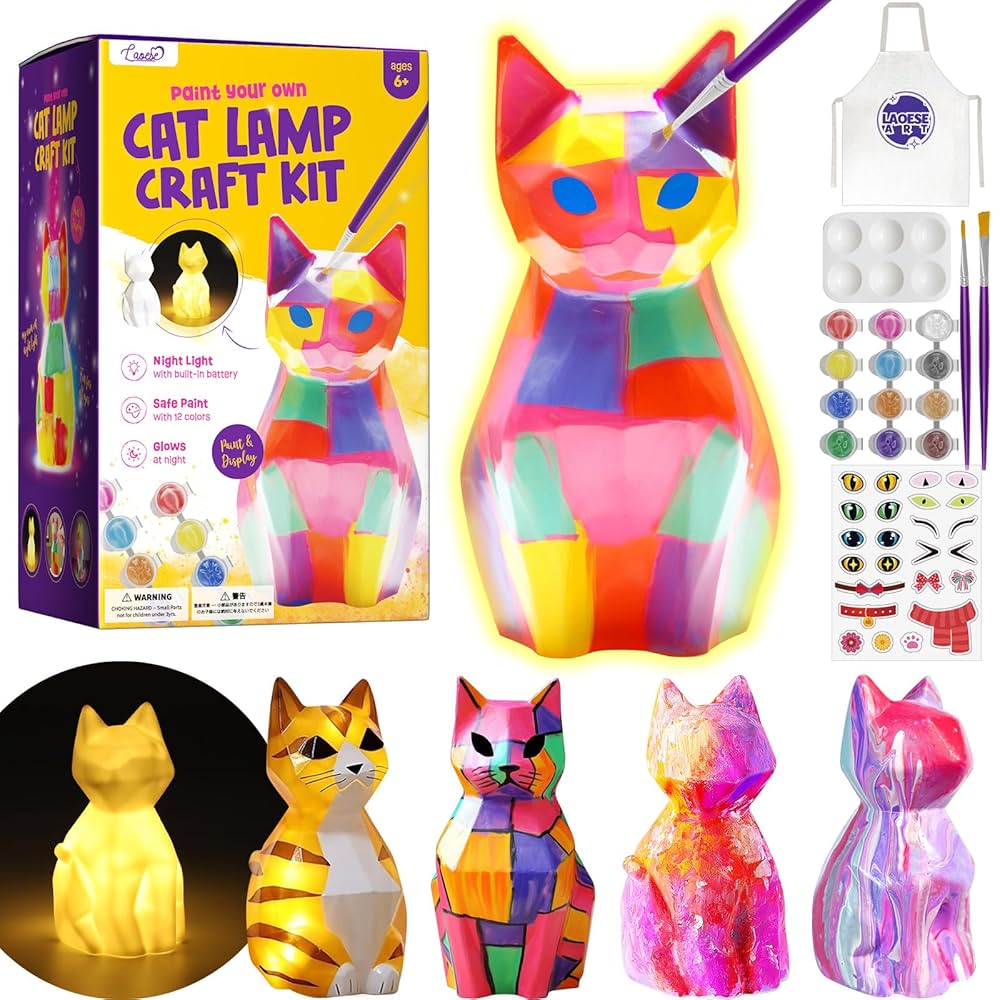
Have you ever looked at your cat’s favorite toy and thought about giving it a fresh new look? Repainting cat toys might seem like a fun way to make them look brand new.
But is it really safe for your furry friend? Before you grab that paintbrush, it’s important to understand the risks and what you should consider to keep your pet healthy and happy. Keep reading, because what you learn here could protect your cat from hidden dangers you didn’t even know existed.
Risks Of Repainting Cat Toys
Repainting cat toys may seem like a fun way to refresh them. Still, it carries several risks that pet owners should consider carefully. Paints can contain harmful chemicals that pose health dangers. Cats often chew and lick their toys, increasing exposure to these substances. Understanding these risks helps protect your cat’s health and well-being.
Toxicity Of Paints
Many paints have toxic ingredients like lead, solvents, and heavy metals. These chemicals can poison cats if ingested or inhaled. Even small amounts of toxic paint can cause serious health problems. Symptoms may include vomiting, drooling, and breathing difficulties. Non-toxic paints made specifically for pet use are rare and often expensive.
Potential Allergic Reactions
Paint fumes and ingredients can cause allergic reactions in cats. Signs include itching, redness, and swelling around the mouth or paws. Some cats may develop respiratory problems like sneezing or coughing. Allergies can worsen over time with repeated exposure. Avoiding repainting reduces the chance of triggering these reactions.
Impact On Cat Behavior
New smells from paint can confuse or scare cats. They may stop playing with their toys altogether. Cats rely on scent to recognize their belongings. Strong chemical odors disrupt this recognition and cause stress. Stress can lead to hiding, aggression, or loss of appetite. Keeping toys in their original state helps maintain normal behavior.
Choosing Safe Paints
Choosing the right paint for cat toys is crucial for your pet’s safety. Some paints contain harmful chemicals that can cause illness. Always pick paints designed to be safe for animals. This reduces risks and keeps playtime fun and healthy. Understanding paint types and certifications helps make a smart choice.
Non-toxic Paint Options
Non-toxic paints are safe for pets and humans. They do not contain heavy metals or harmful solvents. Look for paints labeled as “non-toxic” or “pet-safe.” Natural paints made from plant dyes or clay are good choices. Avoid paints with lead, mercury, or other dangerous ingredients.
Water-based Vs Oil-based Paints
Water-based paints dry quickly and have low odor. They are easier to clean and generally safer for pets. Oil-based paints last longer but release strong fumes. These fumes can harm your cat’s lungs. Choose water-based paints to reduce health risks and ensure quick drying.
Certifications To Look For
Certifications prove that a paint meets safety standards. Check for these common labels:
- AP Non-Toxic Seal from ACMI
- ASTM D-4236, indicating safe use for art materials
- OEKO-TEX Standard 100, showing absence of harmful substances
These certifications help confirm that the paint is safe for repainting cat toys.
Preparing Cat Toys For Painting
Preparing cat toys for painting needs careful cleaning to remove dirt and oils. Choose non-toxic, pet-safe paints to protect your cat’s health. Avoid sharp edges or small parts that could harm your pet after repainting.
Preparing your cat’s toys for a fresh coat of paint requires careful steps. Ensuring the safety of your feline friend is paramount. Begin by gathering all necessary materials and setting up a clean workspace. This will help streamline the process and keep it organized.Cleaning And Drying
Start with cleaning the toys thoroughly. Use mild soap and warm water for best results. Scrub gently to remove dirt and grime. Rinse well to ensure no soap residue remains. After washing, dry the toys completely. Moisture can ruin paint and lead to mold. Use a clean towel or air dry them naturally.Removing Old Paint Safely
Check the toys for old paint. If present, it must be removed carefully. Avoid harsh chemicals that could harm your cat. Use a scraper or sandpaper for manual paint removal. Work in a well-ventilated area to avoid inhaling dust. Always wear a mask for protection.Surface Preparation Tips
Once clean, prepare the toy surfaces for new paint. Sand any rough areas to ensure smoothness. A smooth surface helps paint adhere better. Use fine-grit sandpaper for best results. Wipe the toys with a damp cloth to remove any sanding dust. This ensures a clean surface for painting.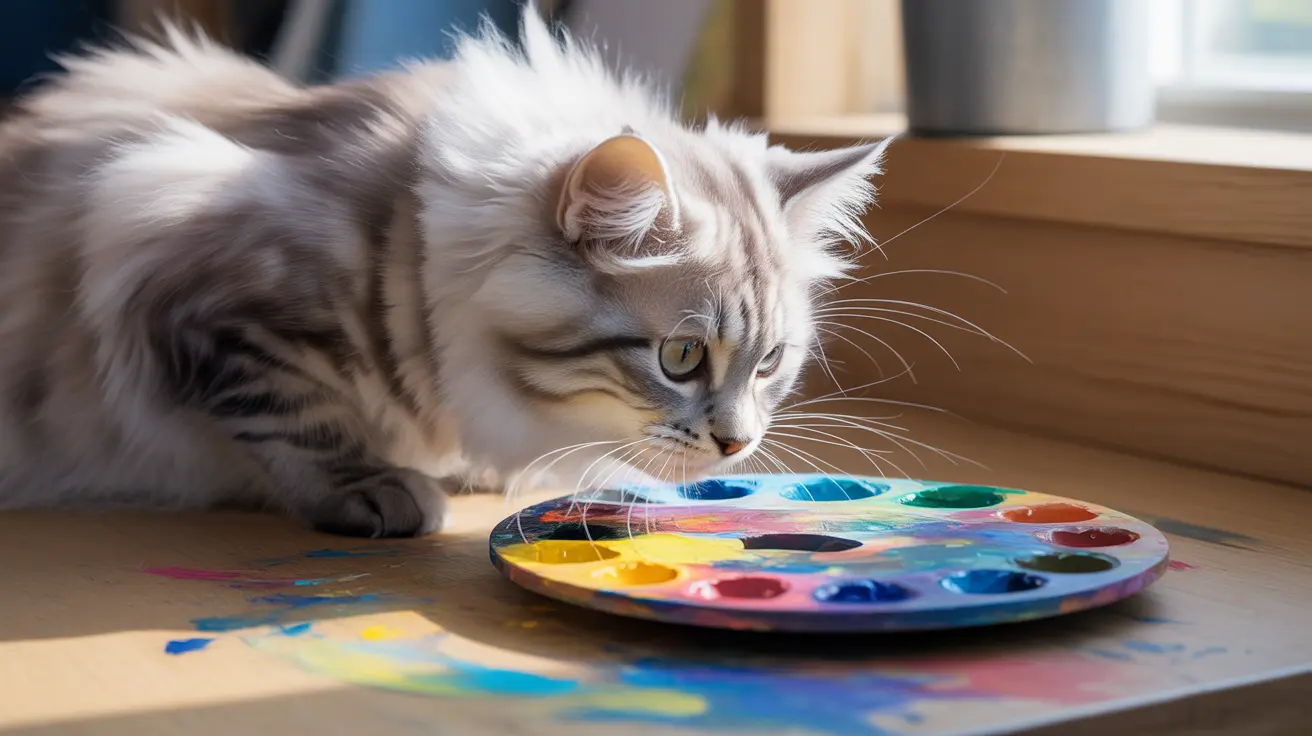
Credit: www.petscare.com
Painting Techniques For Safety
Painting cat toys requires careful techniques to keep your pet safe. The right methods stop harmful chemicals from reaching your cat. Applying paint properly helps the coat last long and prevents flakes that cats might swallow. Follow simple painting tips to create a safe and beautiful toy.
Applying Thin, Even Coats
Use thin layers of paint instead of thick ones. Thin coats dry faster and stick better to the toy’s surface. Apply paint evenly to avoid clumps or rough areas. This prevents your cat from chewing on loose paint chips. A small brush or spray paint can help spread paint smoothly.
Ensuring Proper Drying Time
Let each coat dry fully before adding another. Proper drying stops paint from peeling or sticking together. Place the toy in a well-ventilated area to speed up drying. Avoid rushing the process to keep the paint strong and safe for your cat’s play.
Avoiding Paint Chipping
Choose non-toxic, pet-safe paints made for toys or children’s items. Seal the paint with a clear, non-toxic finish to protect it from chipping. Regularly check the toy for any cracks or flakes. Replace or repaint the toy if paint starts to peel to protect your cat from harm.
Post-painting Care
Post-painting care is crucial to keep cat toys safe and enjoyable. Proper care ensures no harmful chemicals remain on the toy’s surface. It also helps the paint set well and prevents peeling. Taking time to care for the toy after painting protects your cat’s health.
Curing Time Before Use
Allow the painted toy to dry fully before giving it to your cat. Most paints need at least 24 to 48 hours to cure completely. A longer curing time reduces the chance of toxic fumes or wet paint harming your pet. Place the toy in a well-ventilated area to speed up drying.
Inspecting For Paint Damage
Check the toy carefully for cracks or chips in the paint after it dries. Damaged paint can flake off and be swallowed by your cat. Remove any loose paint pieces before letting your pet play with the toy. Regularly inspect the toy for new damage during use.
Monitoring Your Cat’s Reaction
Watch your cat closely the first few times it plays with the repainted toy. Look for signs of irritation, coughing, or unusual behavior. Stop using the toy immediately if your cat shows any discomfort. Your pet’s safety is the top priority after repainting any item.
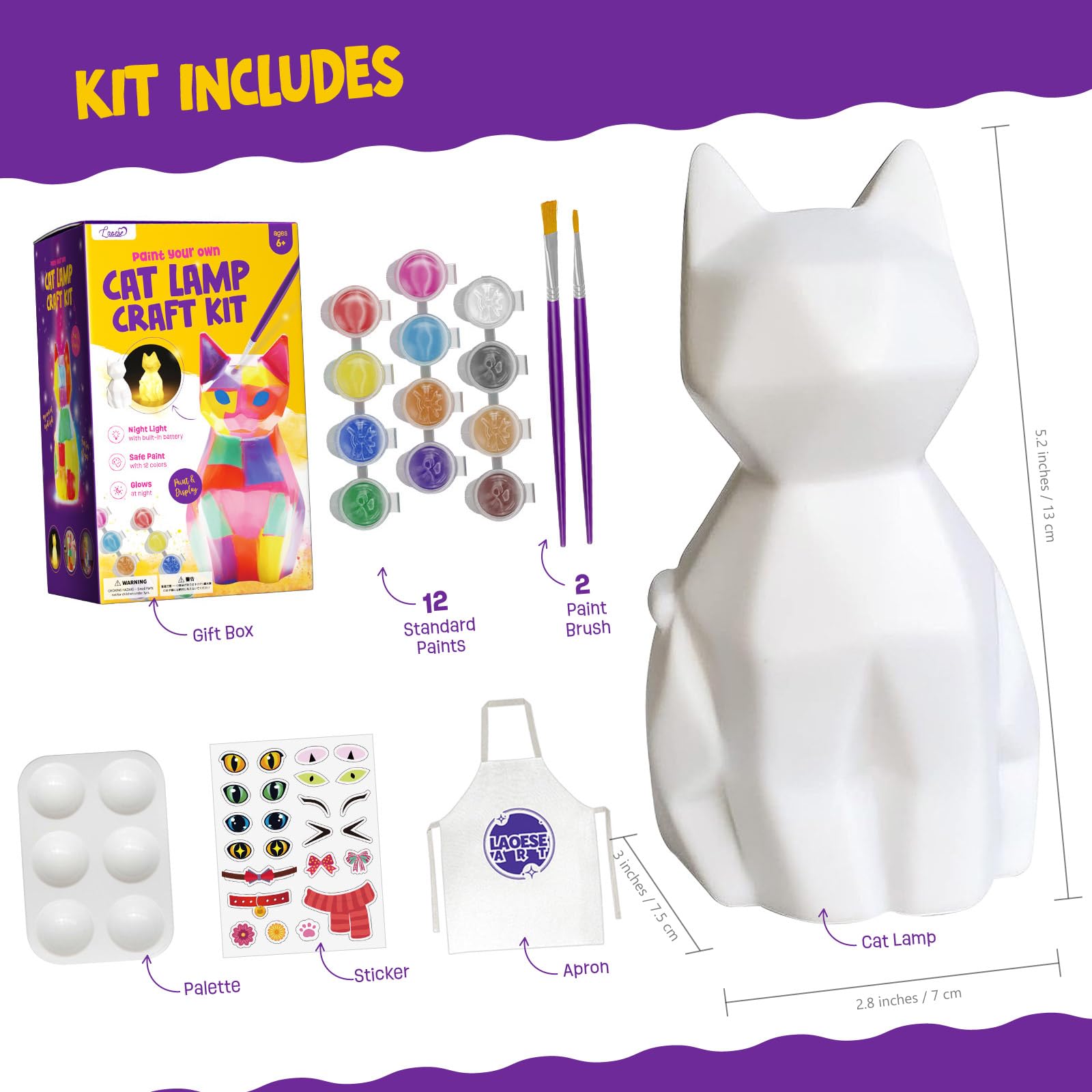
Credit: www.amazon.ca
Alternatives To Repainting
Repainting cat toys might seem like a quick fix to refresh their look, but it often raises safety concerns for your furry friend. Luckily, there are safer and creative alternatives that let you customize or renew your cat’s playthings without risking exposure to harmful chemicals. These options can keep your cat entertained and your peace of mind intact.
Using Safe Stickers Or Wraps
Decorating toys with pet-safe stickers or wraps is an easy way to add color and personality. Look for stickers made from non-toxic materials that won’t peel off easily or leave residue. Vinyl wraps or washi tape can also work, as long as you monitor your cat’s interaction to prevent chewing or swallowing.
This method lets you change the toy’s appearance frequently without any mess or fumes. Have you tried adding playful patterns or your cat’s name to their favorite toy using stickers? It’s a simple touch that can make the toy uniquely theirs.
Replacing With New Toys
Sometimes, the best option is to replace worn-out toys with new ones designed with safety in mind. Many brands offer vibrant, colorful toys made from pet-safe dyes and materials. Choosing fresh toys ensures your cat stays safe from toxic paint while enjoying a fresh play experience.
Think about rotating toys regularly to keep your cat interested and reduce the urge to chew on painted surfaces. How often do you refresh your cat’s toy collection? Keeping an eye on wear and tear can save you from risky repainting attempts.
Diy Non-painted Customizations
You can customize toys without paint by using fabric, ribbons, or natural materials. Wrapping a toy with colorful yarn or attaching feathers and bells adds sensory excitement without harmful substances. These additions can be easily changed or removed if your cat loses interest.
Try sewing small pouches filled with catnip to attach to existing toys for a fresh twist. Have you noticed how simple tweaks can turn an old toy into a new favorite? Creativity here is about safety and fun combined.

Credit: www.amazon.ca
Frequently Asked Questions
Is It Safe To Repaint Cat Toys At Home?
Repainting cat toys can be risky if non-toxic paints are not used. Always choose pet-safe, non-toxic paint to avoid health hazards. Proper drying and ventilation are essential to ensure no harmful fumes remain. Consult your vet if unsure about repainting safety.
What Type Of Paint Is Safe For Cat Toys?
Use non-toxic, water-based acrylic or pet-safe paints for cat toys. Avoid oil-based, lead-based, or spray paints that can harm cats. Check product labels for safety certifications. These paints dry quickly and do not emit harmful fumes, making them safe for pets.
How To Ensure Repainted Toys Are Safe For Cats?
Allow the paint to dry completely in a well-ventilated area before giving toys to cats. Avoid using toxic or strong-smelling paints. Inspect toys regularly for peeling paint, which could be ingested. Replace toys if paint shows wear or damage to keep cats safe.
Can Repainting Affect A Cat’s Health?
Yes, repainting with toxic paints can cause poisoning or allergic reactions in cats. Ingesting paint chips or inhaling fumes can lead to respiratory or digestive issues. Always use pet-safe materials and supervise your cat after introducing repainted toys to prevent health risks.
Conclusion
Repainting cat toys can be risky if you use unsafe materials. Choose non-toxic, pet-safe paints only. Always let toys dry fully before giving them to cats. Keep your pet’s health as the top priority. Regularly check toys for damage or peeling paint.
Safe play means happy cats and peace of mind. Think twice before repainting and always put safety first. Your cat deserves toys that are both fun and safe.



Leave a Reply