Have you ever wondered how many breeds of hairless cats exist? If you’re curious about these unique feline friends, you’re in the right place.
Hairless cats are not only fascinating to look at but also have distinct personalities that make them special. Knowing the different breeds can help you decide which one might be the perfect companion for you. Keep reading to discover the surprising variety of hairless cats and what makes each breed stand out.
Your next feline friend could be one of these extraordinary breeds!
Hairless Cat Varieties
Hairless cats stand out in the feline world with their unique appearance and charming personalities. You might be surprised to learn that there isn’t just one type of hairless cat. Several breeds have developed this striking trait, each with its own characteristics and history.
Sphynx
The Sphynx is the most famous hairless cat breed. Known for its friendly and energetic nature, it loves attention and thrives on human interaction. Their skin feels warm and soft, which often surprises first-time owners.
Peterbald
Originating from Russia, the Peterbald is a graceful and slender breed. It can have varying degrees of hairlessness, from completely bald to a fine fuzz. Their elegant look pairs with a playful and social temperament that makes them great companions.
Donskoy
The Donskoy, also called the Don Sphynx, has a unique genetic background. Unlike the Sphynx, which has a recessive gene for hairlessness, the Donskoy’s hairlessness comes from a dominant gene. This breed often has wrinkled skin and a loving personality.
Bambino
The Bambino combines the hairlessness of the Sphynx with the short legs of the Munchkin. This breed is playful and curious, often amusing owners with its energetic behavior. Their compact size and bald skin make them quite the conversation starter.
The Ukrainian Levkoy is known for its folded ears and hairless body. This breed has a distinctive look that sets it apart even among hairless cats. They are affectionate and enjoy being around people, making them a loyal pet choice.
Have you ever wondered which hairless cat breed would fit your lifestyle best? Each of these varieties offers something special, whether it’s their personality, appearance, or care needs. Understanding these differences can help you choose a companion that truly suits you.
:strip_icc()/spruce-pets-minskin-cat-a39902959c2a468c9d4a0dd40a043fcb.png)
Credit: www.thesprucepets.com
Sphynx Cat
The Sphynx cat stands out in the world of hairless breeds with its unique appearance and charming personality. If you’ve ever wondered what makes this breed so special, you’re in for a treat. Let’s take a closer look at its origins, physical traits, and what you can expect from its temperament.
Origins And History
The Sphynx cat first appeared in the 1960s in Canada when a natural genetic mutation caused hairlessness. Breeders then worked to develop a stable breed by carefully mating these cats with other domestic cats. Today, the Sphynx is recognized worldwide and loved for its distinct look and friendly nature.
Physical Traits
Unlike most cats, the Sphynx has no fur, but its skin feels warm and soft, almost like suede. You’ll notice wrinkles around its head and body, which add to its unique appearance. Their large ears and lemon-shaped eyes give them an alert and curious expression.
- Hairless but not completely bald—fine fuzz covers their skin
- Muscular body with a rounded belly
- Wide chest and long, slender legs
These physical traits mean the Sphynx requires special care, like regular skin cleaning and protection from cold weather. Have you ever considered how a cat without fur stays warm? The Sphynx’s body actually generates more heat to compensate.
Personality And Temperament
Sphynx cats are known for their affectionate and social nature. They crave human attention and often follow their owners around the house, eager to be involved in daily activities. This breed rarely prefers solitude, making them perfect companions if you want a pet that feels like family.
They also tend to be playful and intelligent, enjoying interactive toys and games that challenge their minds. Their friendly temperament often extends to other pets, so they can fit well in multi-pet households.
What kind of bond do you want with your cat? If you’re looking for a loyal, loving, and engaging friend, the Sphynx might be the perfect match.
Peterbald Cat
The Peterbald cat is a striking example of a hairless breed that captivates cat lovers with its unique look and charming personality. Originating from Russia, this breed stands out not just because of its lack of fur, but also due to its elegant body structure and affectionate nature. If you’re curious about a cat that combines beauty with warmth, the Peterbald might just be the perfect match for you.
Breed Background
The Peterbald breed was developed in the early 1990s in St. Petersburg, Russia, through crossing the Oriental Shorthair and the hairless Donskoy cat. Breeders aimed to create a cat with a slender, graceful body and a hairless or partially hairless coat. This breed gained recognition quickly due to its distinct appearance and friendly disposition.
Unlike some hairless breeds that have a single coat type, Peterbalds can have varying coat textures, including completely bald, velour, brush, or flocked. This diversity makes each Peterbald cat unique in appearance.
Distinct Features
- Body:Slender and muscular with long legs and a fine bone structure, giving them an elegant look.
- Head:Wedge-shaped with large, almond-shaped eyes that express curiosity and intelligence.
- Skin:Ranges from completely hairless to a soft, peach-fuzz texture depending on the coat type.
- Ears:Large and set high on the head, enhancing their alert and lively expression.
Touching a Peterbald cat feels different from other cats. Their skin is warm and soft, often compared to suede or warm velvet. This unusual texture can surprise new owners but quickly becomes something they cherish.
Behavioral Traits
Peterbald cats are known for their affectionate and social nature. They thrive on human interaction and often follow their owners around the house, seeking attention and companionship.
They are highly intelligent and curious, making them playful and entertaining pets. You might find your Peterbald exploring new corners of your home or engaging with puzzle toys designed to challenge their minds.
If you enjoy a cat that is interactive and bonds closely with you, the Peterbald’s loyalty and warmth can be very rewarding. Have you noticed how some cats almost seem to understand your mood? Peterbalds often pick up on their owner’s emotions, offering comfort when needed.
Donskoy Cat
The Donskoy Cat, known for its striking appearance and unique personality, is a breed that captivates cat lovers worldwide. Often mistaken for the more popular Sphynx, the Donskoy has its own distinct lineage and characteristics. With their hairless bodies and expressive eyes, these cats offer a combination of elegance and intrigue that is hard to resist.
Development And Origin
The Donskoy Cat originated in Russia during the late 1980s. The breed started when a professor discovered a hairless kitten that would become the foundation for this unique lineage. Unlike other hairless cats, the Donskoy’s lack of fur is due to a dominant gene, which sets it apart from the recessive gene responsible for the Sphynx’s hairlessness.
Appearance Details
Donskoy Cats are medium-sized with a muscular build. Their skin feels warm and soft, often compared to a suede-like texture. They have large ears, almond-shaped eyes, and a distinctive wrinkled appearance that adds to their exotic look.
Temperament And Care
These cats are known for their affectionate and friendly nature. They love human interaction and are often described as dog-like in their loyalty and playful behavior. Caring for a Donskoy requires regular skin maintenance to keep their skin healthy and free from oil buildup.
Have you ever wondered what it’s like to share your home with a Donskoy Cat? Their interactive nature makes them a delight to have around, often following you from room to room. However, their need for warmth and attention means they might not be the best fit for someone looking for a low-maintenance pet.
Ukrainian Levkoy
The Ukrainian Levkoy is a striking hairless cat breed known for its unique appearance. It stands out with a folded ear shape and a soft, almost bald skin. This breed attracts cat lovers who want an unusual but affectionate pet.
Breed Creation
The Ukrainian Levkoy was created by crossing the Scottish Fold and the Donskoy. Breeders aimed to combine the folded ears with hairless skin. The breed started in Ukraine in the early 2000s. Selective breeding refined its distinct look and temperament.
Unique Characteristics
- Folded ears that bend forward and down
- Hairless, elastic skin that feels soft to touch
- Slender, medium-sized body with long legs
- Large, almond-shaped eyes
- Wrinkled forehead adding to its expressive face
Personality Profile
The Ukrainian Levkoy is friendly and playful. It enjoys human company and often seeks attention. This breed adapts well to homes with children and other pets. It shows curiosity and intelligence in daily activities. Despite its exotic look, it is gentle and calm.
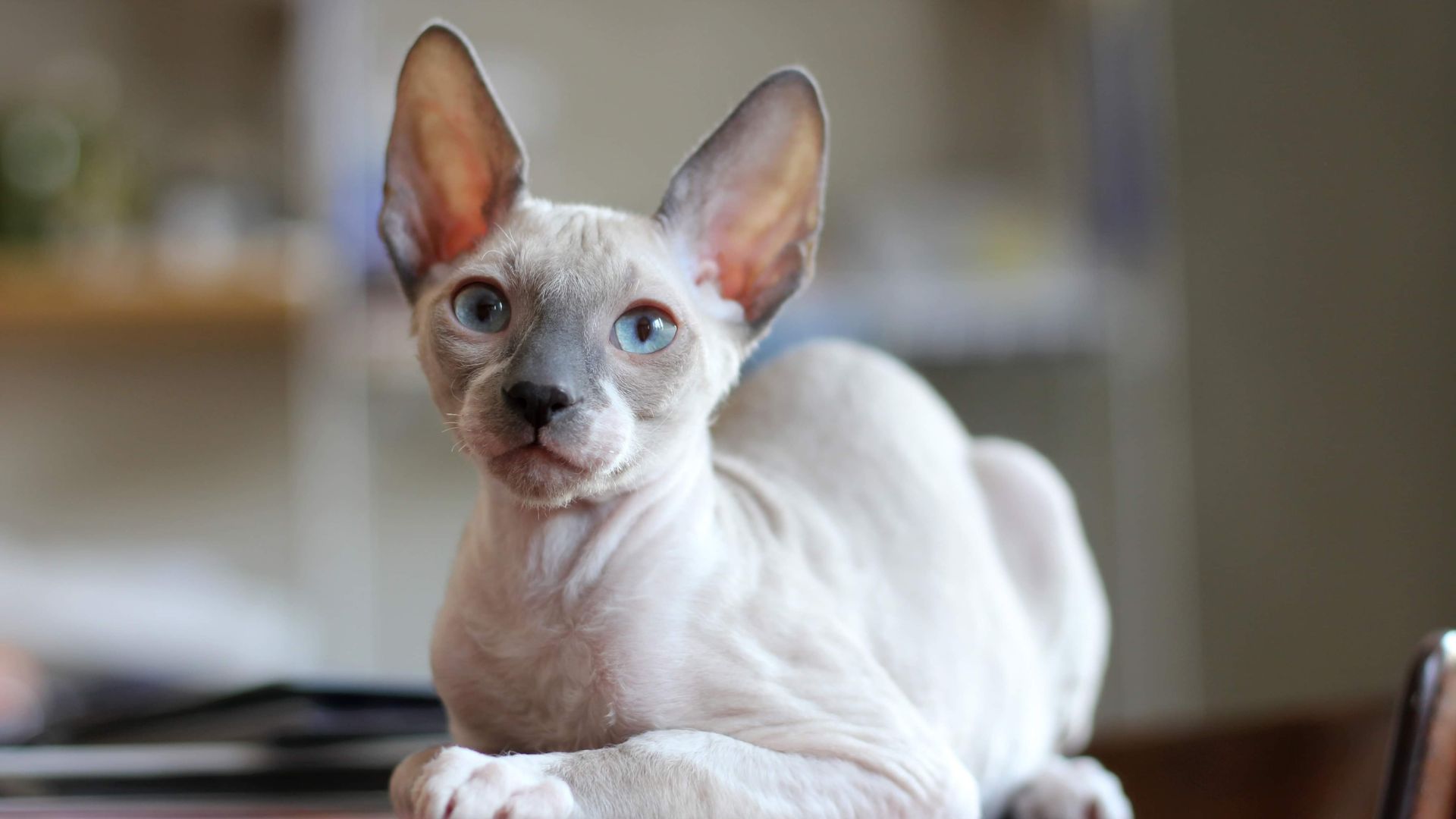
Credit: www.petsradar.com
Bald Cat Care Tips
Taking care of a hairless cat requires a bit more attention than caring for their furry counterparts. Their unique skin needs, health concerns, and diet all play a vital role in keeping them happy and healthy. If you have a bald cat or are thinking of getting one, these care tips will help you provide the best environment for your unique feline friend.
Skin Maintenance
Your bald cat’s skin is exposed and delicate. Without fur to protect it, dirt and oils build up quickly, making regular cleaning essential.
Use a gentle, hypoallergenic wipe or a damp cloth to clean their skin once or twice a week. Avoid harsh soaps as they can dry out the skin and cause irritation.
Don’t forget to check for any redness or sores during cleaning. Bald cats can get sunburned easily, so keeping them indoors or applying vet-approved sunblock is important.
Health Considerations
Bald cats may be more sensitive to temperature changes. You’ll want to provide warm bedding, especially during colder months.
Keep an eye on their overall behavior and skin condition. Sudden changes can indicate health issues that need a vet’s attention.
Many hairless breeds are prone to certain genetic conditions. Regular vet check-ups will help catch any problems early and keep your cat in top shape.
Diet And Nutrition
A hairless cat’s higher metabolism means they often need more calories than furry cats. Feeding nutrient-rich food is key.
Look for high-protein diets that support healthy skin and energy levels. You might notice your bald cat eating more often or seeming hungrier.
Ask your vet about supplements that promote skin health, like omega fatty acids. Keeping their diet balanced supports their unique needs and helps them thrive.
Choosing The Right Hairless Cat
Choosing the right hairless cat takes thought and care. These unique pets need special attention and fit different lifestyles. Understanding your daily routine and home environment helps pick the perfect companion. Each breed offers distinct traits and needs. Consider factors beyond looks for a happy pet and owner.
Lifestyle Compatibility
Hairless cats require warmth and gentle care. They do not have fur to protect them from cold. A home with steady temperature suits them best. Some breeds are more active and playful. Others prefer calm and quiet spaces. Match the cat’s energy with your lifestyle. Time for grooming and skin care is important. Hairless cats need regular baths to keep skin healthy. Busy schedules may not fit well with these pets.
Allergy Factors
Hairless cats are often chosen by allergy sufferers. They produce fewer allergens than furry cats. Still, no cat is fully hypoallergenic. Allergies can vary by person and cat breed. Spending time with a hairless cat before adoption helps. Notice any allergy symptoms or reactions early. Keep the home clean to reduce allergens. Air purifiers and frequent cleaning support allergy management.
Adoption Advice
Adopt from trusted shelters or breeders. Learn about the cat’s health history and temperament. Meet the cat several times before deciding. Ask about care needs and costs. Hairless cats may have skin issues or special diets. Prepare your home with warm bedding and skin care supplies. Consider adopting adult cats for known personalities. Patience and love make the transition easier for both.

Credit: www.yahoo.com
Frequently Asked Questions
How Many Breeds Of Hairless Cats Exist Worldwide?
There are about six recognized hairless cat breeds globally. These include Sphynx, Peterbald, Donskoy, Ukrainian Levkoy, Bambino, and Elf. Each breed has unique traits but shares the common hairless appearance.
What Is The Most Popular Hairless Cat Breed?
The Sphynx is the most popular hairless cat breed. Known for its friendly nature and wrinkled skin, it’s widely loved. The breed originated in Canada and is often seen in homes and shows.
Are All Hairless Cats Naturally Born Hairless?
Most hairless cats are naturally born without fur due to genetic mutations. Breeders selectively breed these traits. However, some cats may appear hairless due to illness, but true hairless breeds are genetically hairless.
Do Hairless Cat Breeds Differ In Temperament?
Yes, hairless cat breeds differ in temperament. For example, Sphynx cats are social and affectionate, while Donskoy cats are playful and curious. Each breed has distinct personality traits to consider before adoption.
Conclusion
Hairless cats come in several unique breeds, each with special traits. They offer a distinct look and friendly personalities. Knowing the different breeds helps you choose the right pet. These cats need care suited to their skin and health. They make loving companions for many families.
Exploring their variety shows how diverse pets can be. Hairless cats are truly one of a kind.



Leave a Reply