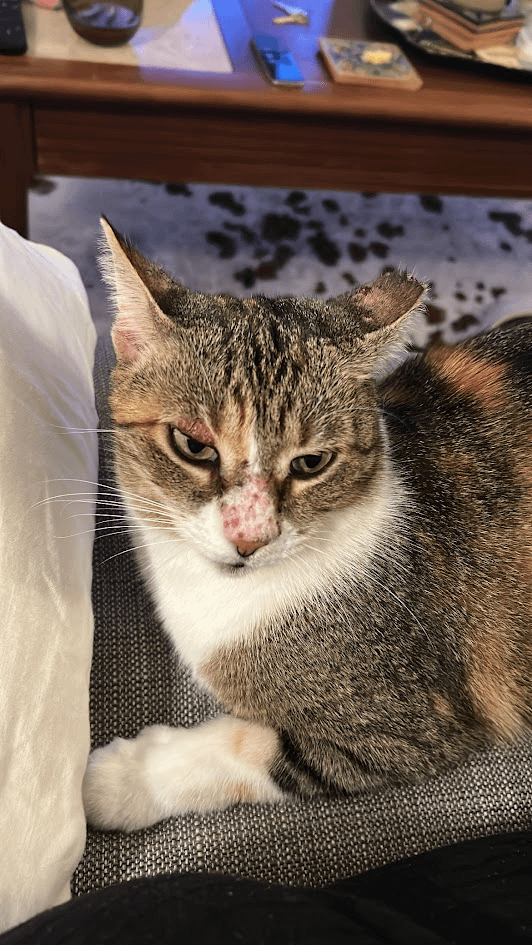
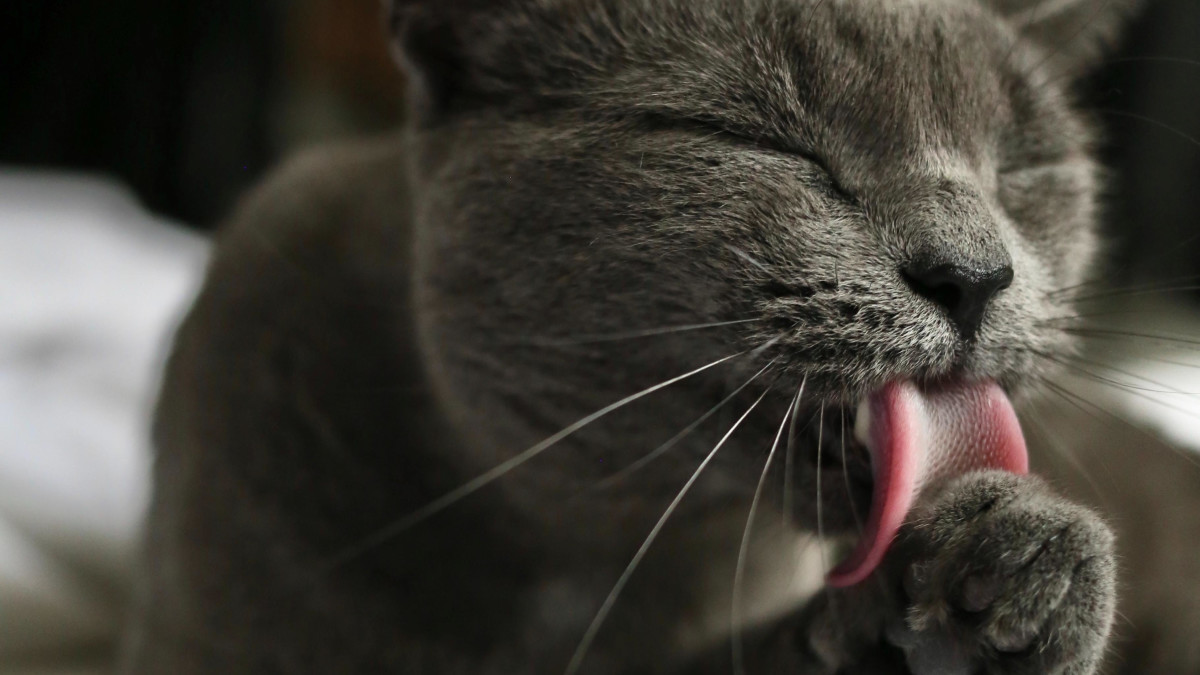
Have you noticed your cat spending more time licking and grooming than usual? You might be wondering, “Why is my cat over grooming himself?”
This behavior can seem harmless at first, but when it becomes excessive, it could be a sign that something is wrong. Your cat can’t tell you what’s bothering him, but his grooming habits can speak volumes. You’ll discover the surprising reasons behind over grooming and what you can do to help your furry friend feel better.
Keep reading—you won’t want to miss these important insights that could improve your cat’s health and happiness.
Signs Of Over Grooming
Over grooming in cats is a sign that something is wrong. It may indicate stress, allergies, or skin problems. Knowing the signs helps you act quickly to keep your cat healthy. Watch closely for changes in fur and behavior. These clues can tell you if your cat is over grooming.
Common Symptoms To Watch
- Patchy fur or bald spots
- Red, irritated, or inflamed skin
- Scabs or sores from scratching
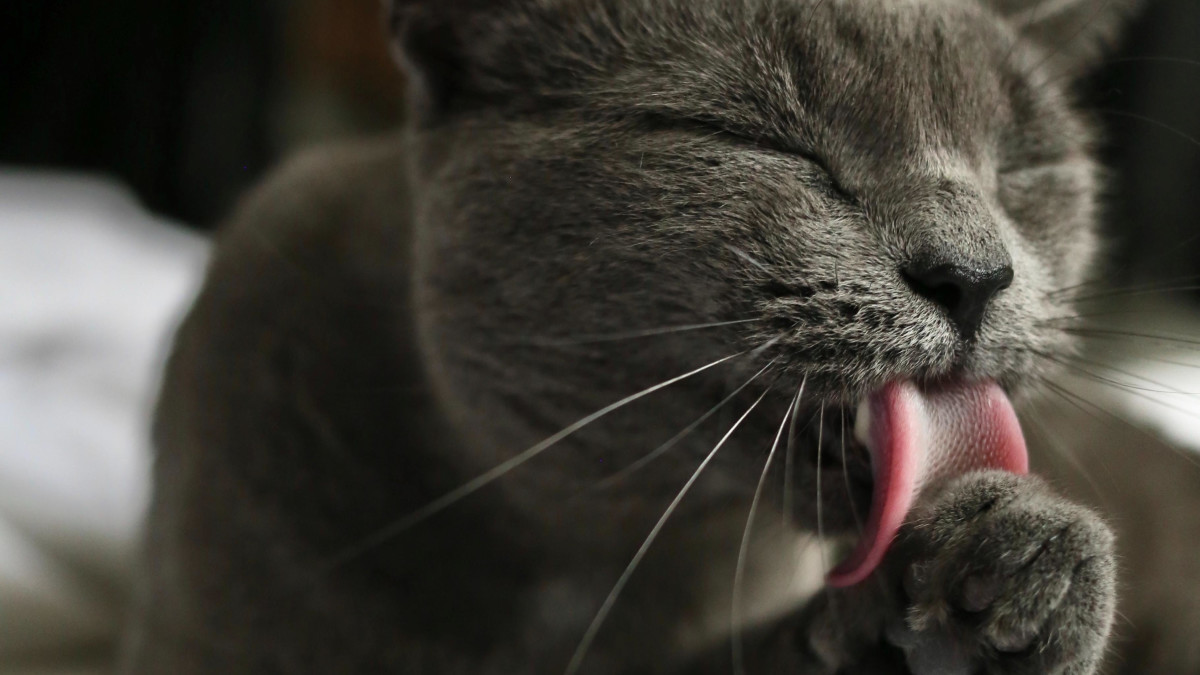
- Excessive licking or biting at one area
- Dry or flaky skin
These symptoms often appear on the belly, legs, or tail. Check your cat’s coat regularly to catch issues early.
Behavioral Changes
- Restlessness or pacing
- Hiding more than usual
- Avoiding interaction or play
- Increased irritability or aggression
- Excessive grooming sessions lasting longer
These changes may show your cat feels stressed or uncomfortable. Notice any new habits or shifts in mood alongside physical symptoms.
Physical Causes
Cats often groom themselves to stay clean. Excessive grooming can signal physical problems. These problems cause discomfort and lead to over grooming. Understanding physical causes helps spot issues early. It also guides proper care and treatment.
Skin Allergies And Irritations
Skin allergies trigger itching and redness. Cats scratch and lick to ease discomfort. Allergens include pollen, dust, and certain foods. Chemical irritants in cleaning products also cause reactions. Persistent irritation leads to hair loss and sores. Regular vet checks can identify allergies early.
Parasites And Fleas
Parasites like fleas cause intense itching. Flea bites irritate the skin and cause discomfort. Cats bite and lick to remove these pests. Flea infestations often cause patches of missing fur. Regular flea control prevents infestations. Early treatment avoids skin infections.
Pain And Discomfort
Pain in joints or muscles can cause over grooming. Cats lick painful areas to soothe themselves. Injuries or arthritis often cause this behavior. Over grooming in one spot may signal hidden pain. A vet exam can find the exact cause. Treating pain reduces excessive grooming.
Environmental Triggers
Environmental triggers can cause your cat to over groom. These triggers affect a cat’s mood and behavior. Over grooming is often a sign of discomfort or stress. Recognizing environmental causes helps you address the issue early. Cats are sensitive to changes around them. Their grooming habits change with their surroundings.
Stress And Anxiety Factors
Stress is a common reason for over grooming. Loud noises, new pets, or visitors can upset your cat. Anxiety makes cats groom more to calm themselves. This behavior acts like a coping mechanism. Watch for signs like hiding or restlessness. These signs often come with over grooming.
Changes In Household
Moving to a new home or rearranging furniture can stress cats. New people or animals in the house cause confusion. Cats take time to adjust to these changes. During this period, over grooming may increase. Keeping a quiet, safe space helps them feel secure.
Lack Of Stimulation
Boredom leads to excessive grooming in cats. Without enough play or interaction, cats self-soothe by grooming. They need toys, climbing areas, and attention. Daily playtime reduces stress and stops over grooming. Mental and physical activities keep your cat happy and healthy.

Credit: www.reddit.com
Medical Conditions Linked To Over Grooming
Over grooming in cats can signal medical issues like allergies, skin infections, or parasites. Pain from arthritis or other illnesses may also cause excessive licking. Recognizing these conditions helps protect your cat’s health and comfort.
Over grooming in cats can be a sign of underlying medical conditions. If your feline friend is grooming excessively, it might not just be a quirky habit. Understanding the potential medical causes can help you ensure your cat’s well-being.Hormonal Imbalances
Hormonal imbalances, such as those caused by thyroid issues, can lead to over grooming. Cats may lick themselves excessively because they feel itchy or uncomfortable. Have you noticed your cat’s fur thinning or bald spots appearing? This could be a clue pointing towards a hormonal issue. A visit to the vet can help diagnose and manage these imbalances.Infections And Dermatitis
Skin infections and dermatitis are common culprits behind over grooming. When a cat’s skin is irritated or infected, they will try to soothe it by licking. This can lead to even more irritation or open sores. Have you ever had an itch you couldn’t ignore? Imagine how frustrating that must be for your cat. Identifying and treating the root cause of these skin problems is crucial.Neurological Issues
Neurological issues might also play a role in your cat’s grooming habits. Conditions affecting the nervous system can cause compulsive behaviors, including excessive grooming. If your cat seems to groom obsessively despite having no visible skin issues, consider discussing neurological causes with your vet. Could there be a deeper issue at play? By recognizing these medical conditions, you can be proactive in seeking the right care for your cat. Regular vet visits and attentive observation are key to maintaining your furry friend’s health and happiness.Treatment And Care
Addressing a cat’s over grooming requires careful treatment and care. The first step is to find the cause. Treatment can vary from medical to behavioral approaches. Understanding each option helps provide the best care for your cat. Acting quickly can prevent further damage to your pet’s skin and fur.
Veterinary Diagnosis
A vet will check your cat’s skin and fur for signs of infection or allergies. They may perform tests such as skin scrapings or blood work. Identifying parasites like fleas is common. The vet looks for stress-related causes too. Accurate diagnosis is key to effective treatment.
Medications And Therapies
Medications might include antibiotics, antifungals, or anti-inflammatory drugs. Flea treatments are often necessary to stop itching. Your vet may prescribe special shampoos or topical creams. In some cases, pain relief or antihistamines help reduce discomfort. Consistent use of these treatments supports healing.
Behavioral Interventions
Stress can cause over grooming. Behavioral changes reduce anxiety and boredom. Provide toys and playtime to keep your cat engaged. Create a calm and safe environment. Sometimes, calming pheromone sprays or diffusers help. Patience and attention are important during this process.
Credit: pethelpful.com
Preventing Over Grooming
Preventing over grooming in your cat is essential to keep them healthy and happy. Over grooming can lead to skin problems and emotional distress. Taking proactive steps will help your cat feel secure and reduce the urge to groom excessively.
Creating A Calm Environment
Stress often triggers over grooming in cats. You can help by providing a quiet space where your cat feels safe. Try using soft lighting and familiar blankets to make this area cozy.
Have you noticed if loud noises or new visitors seem to upset your cat? Reducing these stressors can make a big difference. Even simple changes, like closing curtains or playing gentle music, can soothe your pet.
Regular Health Checks
Sometimes, over grooming is a sign of an underlying health issue. Regular visits to the vet ensure your cat isn’t suffering from allergies, parasites, or skin infections. Early detection helps prevent serious problems.
Keep an eye on any changes in your cat’s behavior or skin condition. If you spot bald spots or redness, schedule a check-up quickly. Your vet can also recommend treatments or diet changes to improve skin health.
Enrichment Activities
Boredom can cause your cat to over groom. Providing toys, scratching posts, and interactive playtime keeps their mind and body active. This distraction reduces stress and the urge to groom excessively.
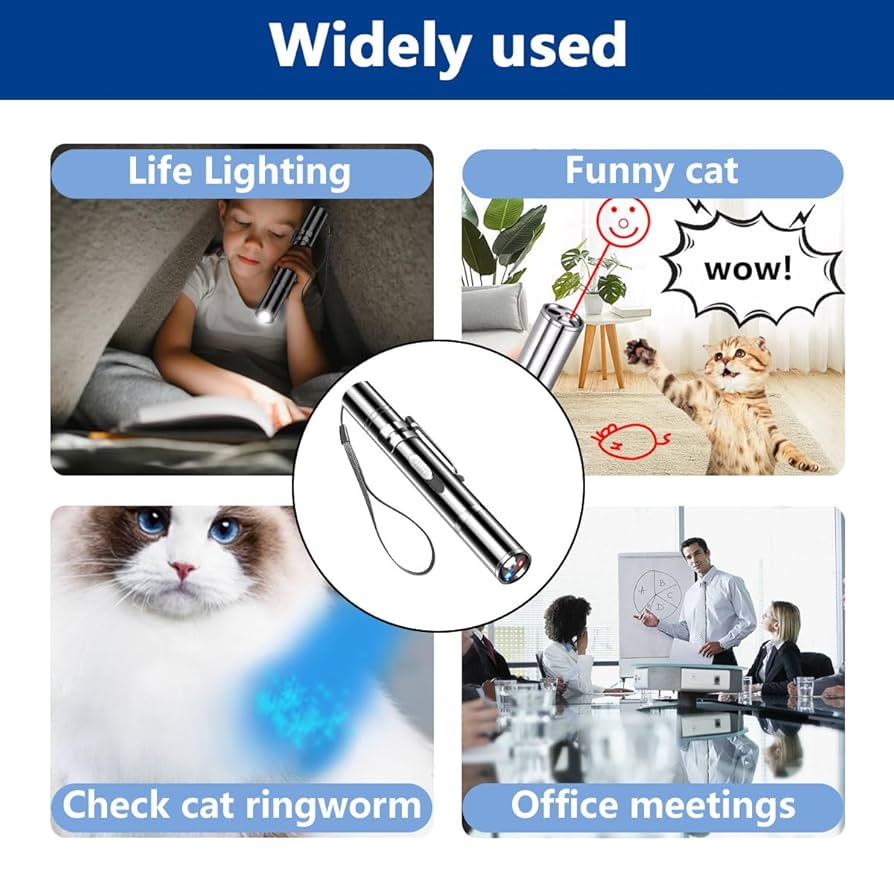
Try rotating toys to keep your cat interested and engaged. Have you ever seen your cat perk up when you use a feather wand or laser pointer? These simple tools can turn grooming time into playtime.

Credit: pennypaws.com
Frequently Asked Questions
Why Is My Cat Grooming Excessively?
Excessive grooming in cats often signals stress, allergies, or skin infections. It can also indicate parasites like fleas. Over grooming may lead to hair loss or skin damage, so monitoring your cat’s behavior and consulting a vet is crucial for proper diagnosis and treatment.
Can Stress Cause A Cat To Over Groom?
Yes, stress is a common cause of over grooming in cats. Changes in environment, new pets, or loud noises can trigger anxiety. Stress-induced grooming serves as a coping mechanism but may cause skin irritation or bald spots. Reducing stress helps manage this behavior effectively.
How Do Allergies Trigger Over Grooming In Cats?
Allergies cause itching and discomfort, prompting cats to groom excessively. Common allergens include food ingredients, pollen, dust, and flea bites. Over grooming due to allergies can result in inflamed or raw skin. Identifying and avoiding allergens is key to reducing this behavior.
When Should I See A Vet For My Cat’s Over Grooming?
Visit a vet if your cat’s grooming causes bald patches, wounds, or constant licking. Persistent over grooming might indicate infections, parasites, or behavioral issues. Early veterinary assessment ensures proper diagnosis and timely treatment to prevent further complications.
Conclusion
Cats groom to stay clean, but too much can signal a problem. Stress, allergies, or skin issues often cause over grooming. Watching your cat’s behavior helps catch these signs early. A vet visit can find the exact cause and offer relief.
Helping your cat feel calm and healthy is key. Pay close attention and act quickly to keep your cat happy. Over grooming is a sign—don’t ignore it.

Leave a Reply