Is your cat spending too much time licking and biting its fur? Over grooming can cause painful bald spots and skin problems that you definitely want to avoid.
You might wonder why your furry friend is doing this and how you can help. The good news is, there are simple steps you can take to stop your cat from over grooming and keep it happy and healthy. Keep reading to discover easy and effective ways to protect your cat’s well-being—you won’t want to miss these tips!
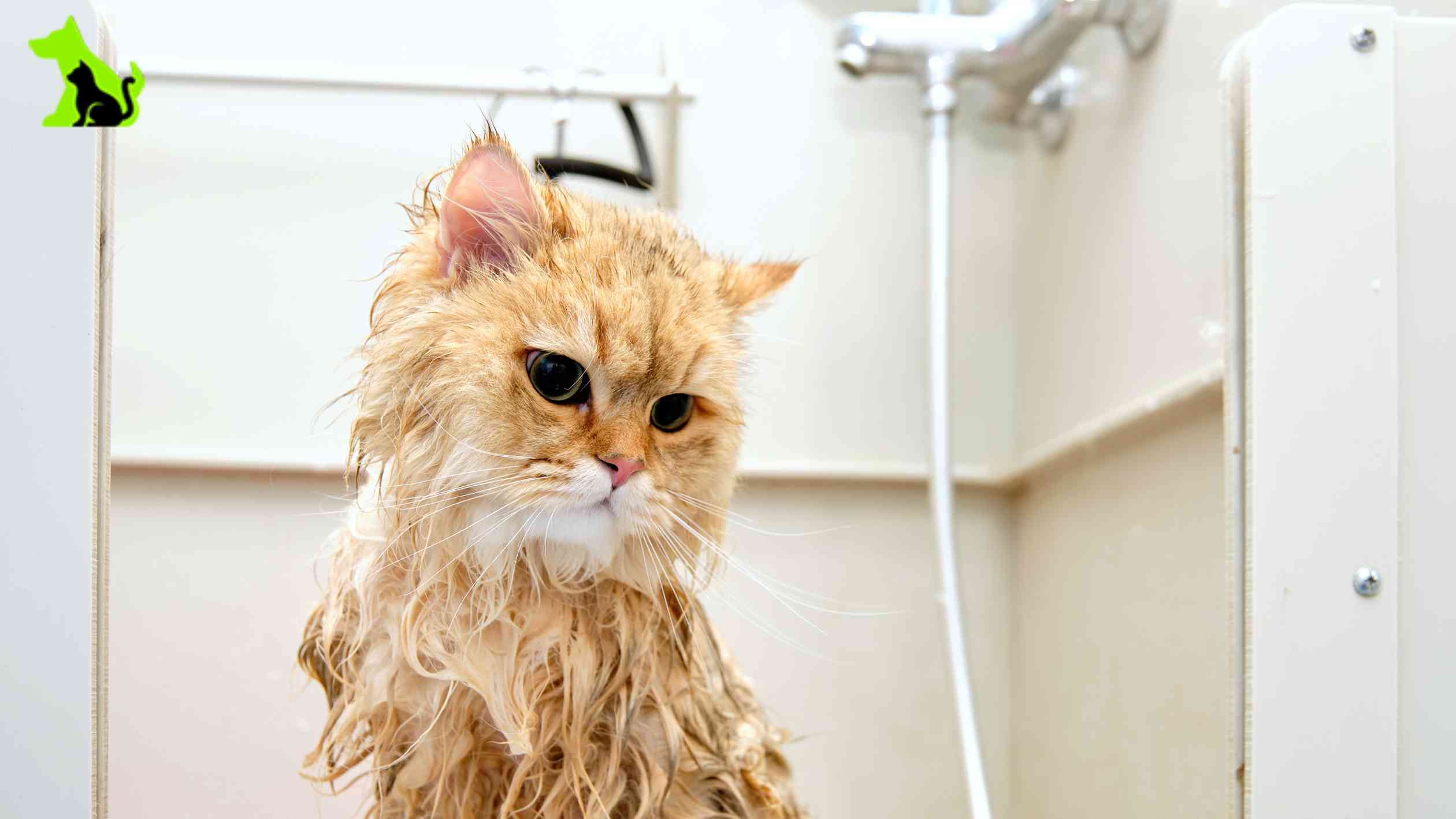
Credit: hellopetsinc.com
Causes Of Over Grooming
Over grooming in cats is a common problem that can have several causes. Understanding these causes helps in finding the right way to stop this behavior. Cats groom themselves to stay clean, but too much grooming can harm their skin and fur. Identifying the reasons behind this behavior is the first step to helping your cat feel better.
Stress And Anxiety
Stress and anxiety are major triggers for over grooming. Cats can become nervous from changes in their environment. Loud noises, new pets, or moving homes can cause stress. Over grooming becomes a way for cats to comfort themselves. It acts like a calming activity but can lead to skin damage.
Allergies And Skin Issues
Allergies often cause itching and discomfort. Cats with allergies may lick or bite their skin more. Common allergens include certain foods, dust, or pollen. Skin problems like dry skin or rashes also cause over grooming. These issues make the skin sensitive and irritated.
Parasites And Infections
Parasites such as fleas and mites cause intense itching. Cats try to remove these pests by grooming excessively. Infections from bacteria or fungi can also lead to over grooming. These infections cause pain and discomfort, prompting cats to lick or bite the area.
Boredom And Lack Of Stimulation
Boredom is a less obvious cause of over grooming. Cats need mental and physical activities to stay healthy. Without enough stimulation, they may groom themselves too much. This behavior fills the void when cats feel lonely or bored. Providing toys and playtime helps reduce this problem.
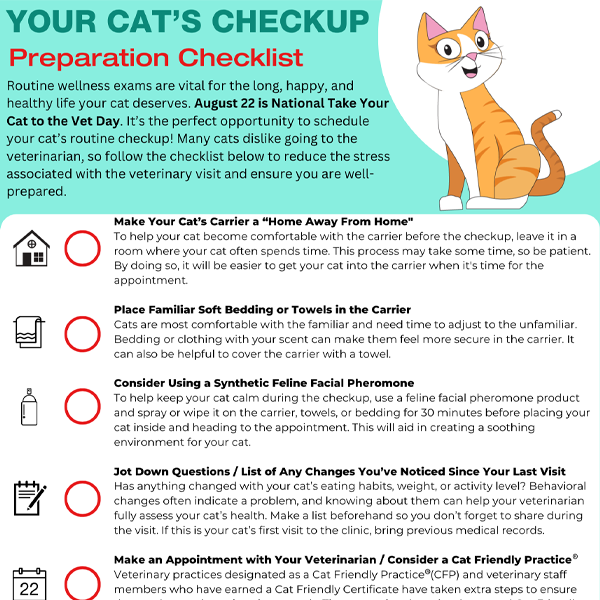
Credit: catfriendly.com
Signs To Watch For
Recognizing the signs your cat is over grooming can save you from bigger health issues down the road. Your cat can’t tell you when something feels off, so you need to be their eyes and ears. Watch closely for subtle and obvious changes in their skin and behavior that could indicate discomfort or stress.
Bald Patches And Redness
Check your cat’s fur regularly for any bald spots. These patches often appear in areas your cat can easily reach, like their belly, legs, or around the neck.
Redness or inflammation in these areas signals irritation or possible infection. Have you noticed your cat’s skin looking raw or scaly? That’s a red flag to act quickly.
Excessive Licking And Chewing
It’s normal for cats to groom themselves, but excessive licking or chewing is a problem. If your cat spends an unusual amount of time licking one spot, it might be painful or itchy.
Try timing how long they focus on one area. Is it more than a few minutes? This behavior often leads to skin damage, so don’t ignore it. What might be causing your cat to obsess over that spot?
Behavioral Changes
Over grooming often comes with noticeable shifts in your cat’s mood or habits. Your usually playful cat might become withdrawn or irritable.
Look for signs like restlessness, hiding, or even aggression. These changes can indicate stress or discomfort linked to their grooming habits. How well do you know your cat’s normal behavior to spot these changes quickly?
Veterinary Care Options
Veterinary care plays a key role in stopping your cat from over grooming. A vet can find the root cause of this behavior. They use several tools and tests to understand why your cat grooms too much. This helps create a clear plan to help your cat feel better and stop the behavior.
Medical Diagnosis
The vet will start with a full health check. They look for skin problems like infections or parasites. Blood tests may check for hormonal or internal issues. This step is vital to rule out physical causes of over grooming. Early diagnosis helps prevent further damage to your cat’s skin.
Allergy Testing
Allergies often cause itching, leading to over grooming. The vet may suggest allergy testing to find triggers. Tests can include blood work or skin prick tests. Identifying allergens helps control your cat’s environment better. This reduces itching and the urge to over groom.
Treatment Plans
Treatment depends on the diagnosis. It may include:
- Medications for infections or parasites
- Anti-itch creams or sprays
- Special diets for food allergies
- Environmental changes to remove allergens
- Behavioral therapies if stress causes grooming
Following the vet’s plan closely improves your cat’s health. Regular check-ups ensure the treatment works well. This helps your cat return to normal grooming habits quickly.
Environmental Adjustments
Making changes to your cat’s surroundings can help reduce over grooming. Cats react to their environment. A calm, interesting, and safe space lowers stress and stops excessive licking.
Reducing Stress Triggers
Stress is a common cause of over grooming. Loud noises, new pets, or changes in routine can upset cats. Keep the home quiet and stable. Avoid sudden moves or loud sounds. Use calming scents or pheromone sprays. These tools help cats feel safe and calm.
Enriching The Environment
Bored cats groom more. Provide toys to keep them busy. Puzzle feeders and scratching posts add fun. Change toys often to hold interest. Play with your cat daily. Active cats stay mentally and physically healthy. This reduces the need to over groom.
Providing Safe Spaces
Cats need places to hide and rest. Create cozy spots with blankets or boxes. Quiet corners work well. These spaces let cats relax alone. It lowers anxiety and stops over grooming. Make sure these areas are easy to reach and comfy.
Diet And Nutrition Tips
Proper diet and nutrition play a key role in stopping your cat from over grooming. A well-fed cat has healthier skin and fur, which reduces itching and discomfort. Feeding the right foods supports your cat’s overall wellness and calms skin issues that cause excessive licking.
Balanced Diet Benefits
A balanced diet gives your cat essential nutrients for skin and coat health. Proteins, fats, and vitamins help keep fur shiny and skin strong. Avoid cheap foods with fillers or artificial ingredients. Choose high-quality cat food with real meat and natural components. This improves your cat’s immune system and lowers skin problems linked to over grooming.
Supplements For Skin Health
Some supplements can boost skin health and reduce irritation. Omega-3 and omega-6 fatty acids help soothe inflammation and dryness. Vitamin E supports skin repair and protects cells. Consult your vet before adding supplements. They can recommend safe options and correct doses for your cat’s needs.
Hydration Importance
Water is vital for keeping your cat’s skin hydrated and elastic. Dry skin causes itching and triggers over grooming. Always provide fresh, clean water in multiple spots around your home. Wet cat food is another good source of hydration. Proper hydration supports healing and prevents skin problems.
Behavioral Training Techniques
Behavioral training helps reduce your cat’s stress and stops over grooming. Using gentle distractions and positive rewards encourages healthy habits. Consistent routines and playtime keep your cat calm and engaged.
Behavioral training techniques can help manage your cat’s over-grooming habits. These techniques focus on changing your cat’s behavior gently and effectively. Consistency and patience are key to success. By understanding these methods, you can create a healthier environment for your furry friend.Redirecting Attention
Redirect your cat’s focus during grooming. Use toys or treats to shift attention. A feather wand or a laser pointer can be effective. Engage your cat with these distractions. This breaks the grooming cycle.Positive Reinforcement
Reward your cat for not over-grooming. Use treats or gentle petting as rewards. Praise your cat when it stops grooming excessively. This encourages desirable behavior. Consistent rewards build positive habits over time.Interactive Playtime
Incorporate interactive play into daily routines. Playtime reduces stress and boredom. Use toys like balls or puzzle feeders. These engage your cat mentally and physically. A tired cat is less likely to over-groom.Use Of Protective Gear
Protective gear can help stop cats from over grooming. It acts as a barrier between their teeth or claws and their skin. This gear prevents damage and allows the skin to heal. Using the right protective gear keeps your cat safe and comfortable.
Elizabethan Collars
Elizabethan collars, also called e-collars or cones, are common protective gear. They fit around the cat’s neck and stop them from licking or biting sore spots. These collars are made of plastic or soft fabric. They come in different sizes to fit your cat well.
While wearing an e-collar, cats cannot reach most parts of their bodies. This helps prevent further irritation or injury. Some cats may find them annoying at first. Patience and gentle encouragement help cats adjust quickly.
Protective Clothing
Protective clothing is another option to reduce over grooming. These clothes cover areas your cat tends to lick or scratch. They come as shirts, bodysuits, or wraps made from soft, stretchy fabric.
Protective clothing keeps wounds clean and stops cats from biting their fur. It is useful for cats who dislike collars or have trouble with cones. Make sure the clothing fits snugly but is not too tight. Choose breathable materials to keep your cat comfortable.
When To Use Them
Use protective gear when your cat is over grooming to the point of injury. If you see red, raw skin or hair loss, gear can protect these spots. Protective gear works best combined with vet care and behavior changes.
Do not leave gear on too long. Check your cat’s skin often to watch for healing. Remove gear during supervised play and feeding to reduce stress. Protective gear is a helpful tool for healing and comfort.

Credit: www.latimes.com
Frequently Asked Questions
What Causes Cats To Over Groom Themselves?
Cats over groom due to stress, allergies, parasites, or skin infections. Identifying the cause helps in effective treatment and prevention.
How Can I Stop My Cat From Over Grooming?
Provide a calm environment, use vet-recommended treatments, and address allergies or parasites. Regular play and attention reduce stress-induced grooming.
Is Over Grooming Harmful To Cats?
Yes, over grooming can cause hair loss, skin wounds, and infections. It weakens your cat’s skin and overall health.
When Should I Consult A Vet For Over Grooming?
If your cat grooms excessively for days or shows skin damage, consult a vet immediately. Early diagnosis prevents complications.
Conclusion
Cats over groom for many reasons. Stress, allergies, or boredom can cause this behavior. Watch your cat closely to spot signs early. Provide toys and playtime to keep them busy. Keep their environment calm and comfortable. Check with a vet if over grooming gets worse.
Treating the cause helps your cat feel better. A happy cat grooms just the right amount. Small steps make a big difference over time. Care and attention help your cat stay healthy.



Leave a Reply