Have you ever wondered if cats play with toys when they’re out in the wild? You might think toys are just a fun thing for pet cats at home, but what about their wild cousins?
Understanding this can change the way you see your furry friend’s behavior. Keep reading, and you’ll discover surprising facts about how wild cats interact with their environment—and why your cat’s playtime is more than just fun. This insight could even help you choose better toys for your pet.
Ready to uncover the truth? Let’s dive in.
Cats And Play Behavior
Cats show strong play behavior from a young age. Play helps them learn skills needed for hunting and survival. This behavior appears in both domestic and wild cats. Yet, the way they play changes based on their environment and needs.
Play In Domestic Cats
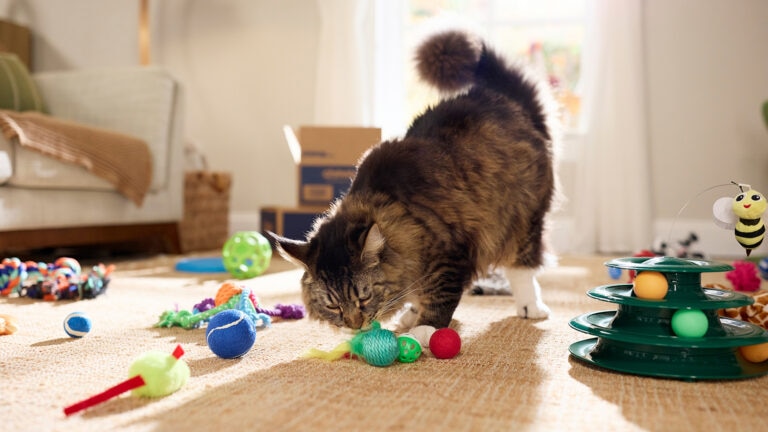
Domestic cats often play with toys like balls, feathers, and strings. These toys mimic prey and trigger hunting instincts. Play keeps them active and helps prevent boredom. It also strengthens their bond with humans. Indoor cats especially need play to stay healthy and happy.
Play In Wild Cats
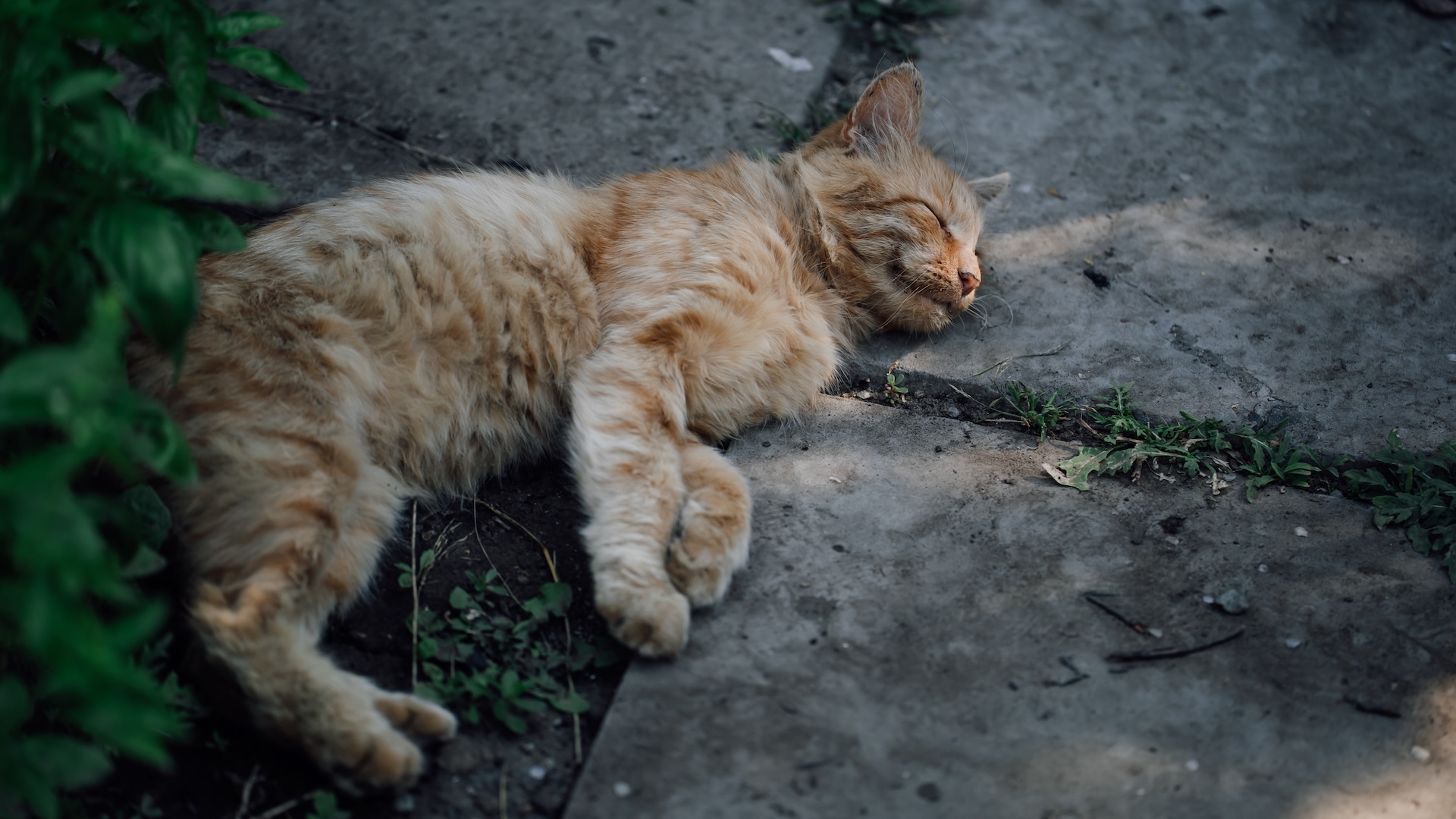
Wild cats play to practice hunting skills and improve agility. Their play includes stalking, pouncing, and chasing. They use natural objects like sticks, leaves, or small animals to play. Play is less frequent in wild cats due to survival demands. Yet, it remains vital for young cats to develop strength and coordination.
Credit: www.livescience.com
Types Of Toys Wild Cats Encounter
Wild cats interact with various objects in their environment that serve as toys. These items help them practice hunting skills, stay active, and relieve stress. Their “toys” are often natural and linked to survival.
Natural Objects As Toys
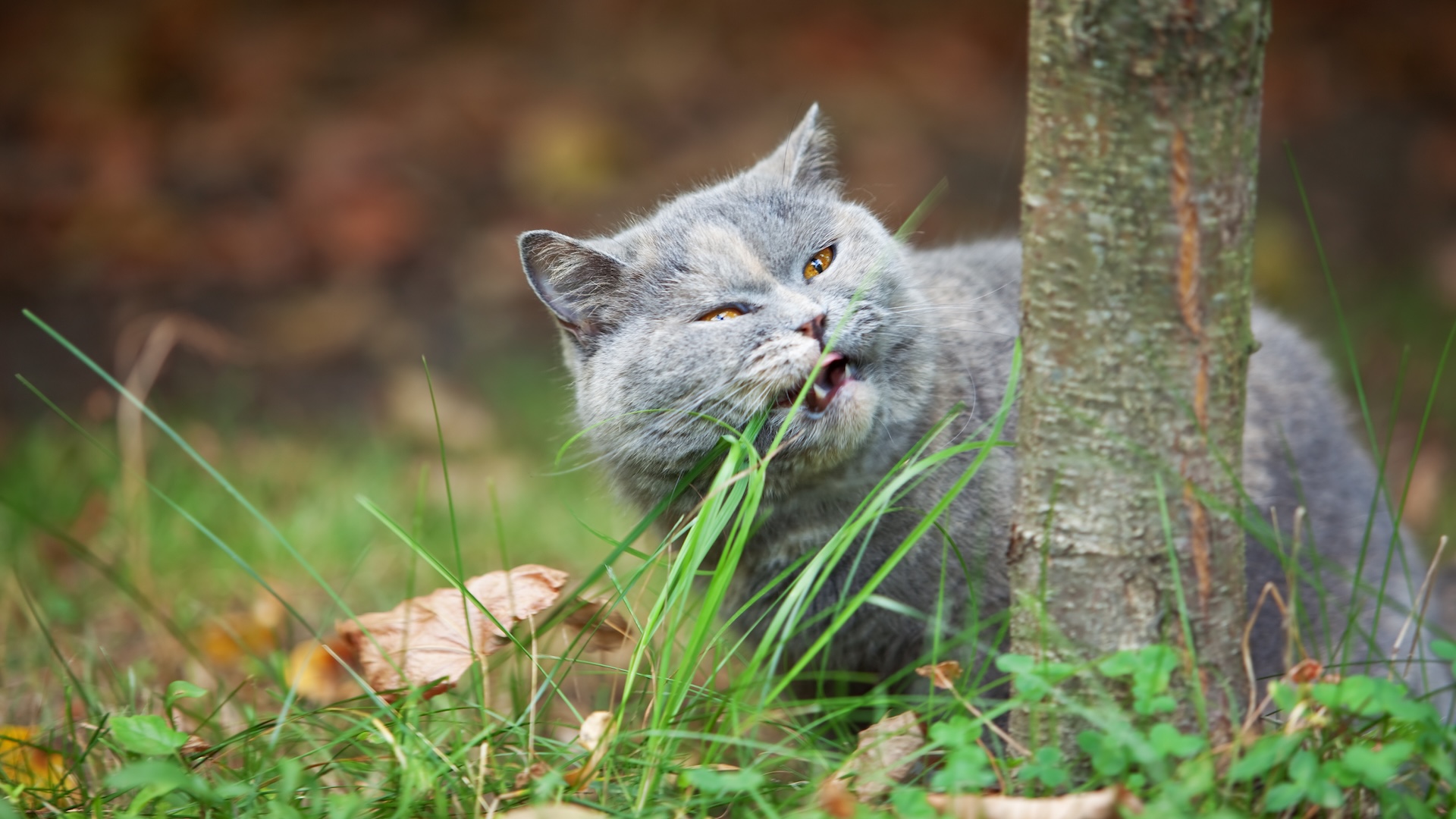
Wild cats often use natural objects for play. Leaves, sticks, and stones are common items they bat around. Rolling logs or swatting falling pine cones also catch their attention. These objects move unpredictably, mimicking prey behavior. Playing with them sharpens reflexes and coordination.
Prey As Playthings
Live prey acts as a primary toy for wild cats. Small animals like birds, rodents, and insects become targets for stalking and pouncing. This play hones hunting techniques and builds muscle strength. Sometimes, cats catch prey but do not eat it immediately. Instead, they toss or chase it to improve agility and focus.
Reasons Behind Play In Wild Cats
Wild cats don’t just play to pass time—they have clear reasons that help them survive and thrive. Play is a critical part of their development and daily life, sharpening skills and building strength. Understanding why wild cats engage in playful behavior can change how you see your own pet’s antics.
Hunting Skill Development
Play mimics hunting, allowing young cats to practice stalking, pouncing, and capturing. Even adult wild cats use play to refine these essential skills without the risk of injury. Have you noticed how your cat’s toy chase looks like a mini hunt? This natural practice readies them for real prey situations.
Social Interaction
Play also helps wild cats bond and communicate with each other. It teaches boundaries and builds trust among siblings or group members. When your cat plays with others, it’s not just fun—it’s a way to learn social cues and cooperation.
Exercise And Stimulation
Physical activity through play keeps wild cats fit and alert. It prevents boredom and mental stagnation by challenging their minds and bodies. Do you give your cat enough toys or activities to keep their instincts sharp? Without stimulation, even the wildest hunters can become sluggish.
Credit: www.livescience.com
Differences Between Domestic And Wild Play
Understanding the play behavior of cats offers insights into their nature. Domestic cats and their wild counterparts show differing play habits. These differences arise due to their environments and instincts. Let’s explore how play varies between these feline lifestyles.
Safety And Environment
Domestic cats play in safe, controlled environments. Their play areas are usually homes or gardens. These spaces offer protection from predators and other dangers. Toys are often soft and designed for safety. Owners supervise play to prevent accidents.
Wild cats face different conditions. Their environment is unpredictable. Play often involves natural elements like leaves or twigs. Wild cats learn to be cautious. They must be aware of predators and other threats. Safety is a constant concern during play.
Purpose Of Play
For domestic cats, play is mostly for entertainment. They enjoy chasing toys and engaging in fun activities. Play helps them exercise and stay fit. It also strengthens their bond with humans.
Wild cats play for survival skills. Play mimics hunting and stalking prey. It hones their instincts and abilities. This practice prepares them for real hunting situations. Play is essential for their survival in the wild.
Surprising Wild Cat Play Behaviors
Wild cats surprise many by showing playful behaviors that don’t always involve hunting. You might think their play is all about stalking and pouncing on prey, but wild cats often interact with other objects and activities that seem purely for fun. These behaviors reveal a side of wild cats that is curious and engaging, much like your domestic feline friends.
Play With Non-prey Objects
Wild cats don’t limit their play to just chasing mice or birds. They often engage with leaves, sticks, and even shadows as toys. Imagine watching a young bobcat batting at a falling leaf just for the thrill of the movement—it’s play, not hunting.
This kind of play helps sharpen their reflexes and keeps their minds active. Next time you see your cat chasing a feather or a string, remember that wild cats also find joy in simple, non-prey objects. Could your cat’s favorite toy be echoing a natural wild instinct?
Play In Solitary Cats
Most wild cats are solitary hunters, yet they still find ways to entertain themselves. They often practice stalking and pouncing alone, which hones their skills for real hunting scenarios. This solitary play is a mix of exercise and mental stimulation.
Watching a tiger cub quietly stalking a twig shows how even alone, play serves a purpose. If your cat spends a lot of time playing solo, it’s not loneliness—it’s survival training in action. What do you think your cat learns from its solo play sessions?
Impact Of Play On Survival
Play is more than just fun for wild cats; it is a vital behavior that directly impacts their survival. Through play, young cats develop crucial skills needed to hunt and protect themselves. This natural activity shapes their ability to adapt to ever-changing environments and threats.
Learning And Adaptation
Wild cats use play to practice hunting techniques. They mimic stalking, pouncing, and biting on leaves, insects, or small animals, refining their precision and timing. These repeated actions prepare them for real-life challenges where a single missed catch could mean hunger.
Play also helps cats adjust to new surroundings. By exploring different objects and creatures during play, they gather information about their environment. This builds their confidence and sharpens instincts, making them more agile and aware of dangers.
Stress Relief
Stress affects animals just as much as it affects you. Play acts as a natural outlet for wild cats to release tension and anxiety from their harsh environment. When a cat chases a moving leaf or pounces on a bug, it experiences a moment of focus and joy that eases stress.
This stress relief is crucial for maintaining health and alertness. A calm and playful cat can react faster to predators and threats. Have you noticed how your own pet seems more alert and happy after a good play session? It’s the same instinct at work in the wild.

Credit: www.goodhousekeeping.com
Frequently Asked Questions
Do Wild Cats Engage With Toys Or Objects?
Wild cats interact with natural objects like sticks or leaves. They use these for play-like behavior, which hones hunting skills and coordination.
Why Do Wild Cats Play If Not With Toys?
Wild cats play to practice hunting and social skills. Play behavior helps young cats learn survival techniques and improve agility.
How Does Play Benefit Wild Cats’ Survival?
Play strengthens muscles, sharpens reflexes, and teaches hunting tactics. It also fosters social bonds within groups, enhancing cooperation.
Are Wild Cat Play Behaviors Similar To Domestic Cats?
Yes, wild cats show similar play patterns. Both use stalking, pouncing, and chasing to develop essential skills.
Conclusion
Wild cats do play with objects in their environment. They chase, bat, and pounce on leaves, insects, or small animals. These actions help them practice hunting skills. Play is important for young cats to learn survival techniques. Toys in the wild are natural and simple, unlike store-bought ones.
Observing this behavior helps us understand cats better. It shows their playful nature is natural, not just for fun at home. Cats use play to stay sharp and active every day.




Leave a Reply