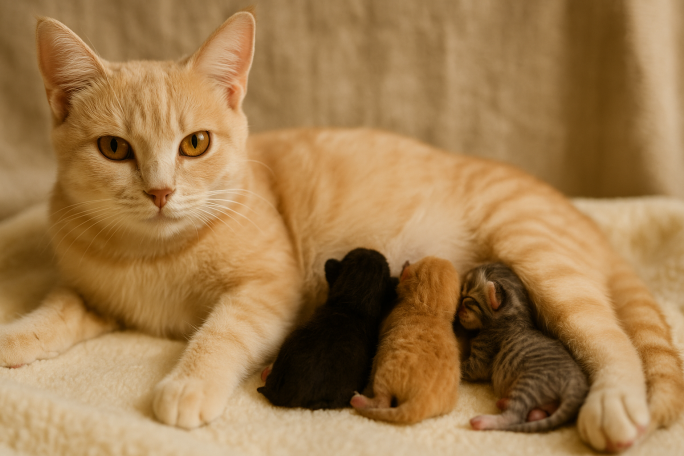
Have you ever wondered when cats start breeding and what signs to look for? Understanding this important stage in your cat’s life can help you take better care of her health and well-being.
Whether you’re a new cat owner or thinking about managing your cat’s breeding, knowing the right time and what to expect is crucial. You’ll discover the key facts about when cats begin to breed, how to recognize the signs, and what steps you should take next.
Keep reading to make sure you’re fully prepared for this important moment in your cat’s life.

Credit: www.catbreedingforbeginners.com
Cat Reproductive Age
Understanding when cats start breeding means first knowing their reproductive age. This is the time when a cat becomes capable of having kittens. It varies depending on several factors, including breed and health.
Typical Age For First Heat
Most cats experience their first heat between 5 and 12 months old. Smaller breeds often reach this stage earlier, sometimes as young as 4 months. Larger breeds may take up to a year or more.
Think about your own cat’s behavior—have you noticed sudden changes like increased vocalizing or restlessness? These could be signs she’s entering her first heat.
Breed Variations In Maturity
Different breeds mature at different rates. For example, Siamese cats often hit sexual maturity earlier than Maine Coons. This means you need to watch your cat closely, no matter her breed.
Considering breed specifics can help you prevent unwanted litters. Knowing your cat’s breed traits gives you a practical edge in planning her care.
Signs Of Sexual Maturity
Recognizing sexual maturity involves more than age. Look for behaviors like rubbing against objects, increased affection, or restlessness. You may also notice a swollen vulva or changes in her vocal patterns.
Have you ever felt caught off guard by your cat’s sudden mood swings? These signs often mean she’s ready to breed, signaling the need for responsible pet management.
Heat Cycle Details
Cats usually begin their breeding cycle around six months old. This cycle is called the heat cycle or estrus. Understanding the heat cycle helps pet owners manage their cat’s behavior and health. The cycle has clear signs and patterns. Recognizing these signs can make caring for your cat easier.
Duration And Frequency
The heat cycle lasts about 7 to 10 days. It can repeat every 2 to 3 weeks during breeding season. This season often starts in early spring and lasts until fall. Indoor cats may have heat cycles all year. Some cats may have longer or shorter cycles depending on their health and environment.
Behavioral Changes
Cats in heat show changes in behavior. They may become more vocal and restless. Some cats rub against furniture or people more often. They may roll on the floor or raise their hindquarters. These behaviors signal they are ready to mate. Owners might notice sudden mood swings or clinginess.
Physical Symptoms
Physical signs of heat include swelling of the vulva. Some cats may have a slight discharge. Their tails often move to the side when touched. You may notice increased grooming in the genital area. These symptoms usually appear at the start of the heat cycle. They help indicate your cat is fertile and ready to breed.
Breeding Readiness
Knowing when your cat is ready to breed is crucial for her health and the well-being of her future kittens. Breeding readiness isn’t just about age—it involves a combination of health, maturity, and proper care. Paying attention to these factors helps you make responsible decisions and avoid common pitfalls.
Health Requirements
Your cat must be in excellent health before breeding. A visit to the vet for a full check-up is essential to rule out illnesses or parasites that could affect pregnancy or kittens.
Vaccinations should be up to date, and your cat should be free of infections. Have your vet test for feline leukemia and immunodeficiency viruses, as these can be passed to kittens.
Think about the long-term health impact. Would you breed a cat with chronic issues? Ensuring good health protects both mom and kittens.
Ideal Age For Breeding
Cats usually reach sexual maturity between 5 to 9 months, but this doesn’t mean they’re ready to breed right away. Breeding too early can cause serious health problems.
Most experts recommend waiting until your cat is at least one year old. By then, she is physically mature enough to handle pregnancy and motherhood.
Does your cat show signs of heat cycles regularly? This is a good sign she’s approaching breeding readiness, but age and health should guide your decision more than behavior alone.
Nutritional Needs
Good nutrition is the foundation for breeding readiness. Your cat needs a diet rich in protein, vitamins, and minerals to support her body through pregnancy and nursing.
Switch to a high-quality kitten or all-life-stages formula that provides extra calories and nutrients. You’ll notice increased energy and better coat condition once the diet improves.
Have you adjusted her feeding schedule to meet these new needs? Regular, smaller meals can help her maintain strength and prepare her body for the demands ahead.
Mating Process
The mating process for cats is a natural and instinctive ritual. It plays a crucial role in ensuring the survival of the species. Understanding this process helps cat owners manage and care for their pets better.
How Cats Mate
Cats mate with a unique and complex behavior. Males and females communicate through vocalizations and scent marking. The female cat, or queen, signals her readiness by vocalizing loudly. The male, or tomcat, responds by approaching the female cautiously. During mating, the male bites the female’s neck. This behavior is typical and not harmful. The entire process is brief, often lasting a few minutes.
Male Cat Fertility
Male cats become fertile around six months old. They reach full sexual maturity by one year. Tomcats can mate with multiple females during the breeding season. They are always ready to mate when they detect a receptive female. Their fertility is influenced by their health and environment. Providing a healthy diet and stress-free environment supports fertility.
Female Cat Receptiveness
Female cats, or queens, go into heat several times a year. This period is known as estrus and lasts for about a week. During this time, queens are more affectionate and vocal. They may display unusual behaviors like rolling on the ground. The female’s receptiveness attracts males from the surrounding area. Receptive behavior is a clear signal for mating readiness.
Pregnancy And Care
Understanding cat pregnancy is important for their health and well-being. Care during this period helps both the mother and her kittens. Knowing what to expect makes the process smoother and safer.
Gestation Period
The gestation period for cats lasts about 63 to 65 days. This is roughly nine weeks from conception. Small variations depend on the cat’s age and health. During this time, the kittens develop fully inside the mother.
Signs Of Pregnancy
Several signs show a cat is pregnant. Noticeable changes include:
- Swollen, pink nipples
- Increased appetite
- More sleeping
- Weight gain
- Behavioral changes, like seeking more affection
These signs usually appear after the third week of pregnancy.
Prenatal Care Tips
Proper care keeps the mother cat healthy and strong. Follow these tips:
- Feed high-quality, nutrient-rich food
- Provide fresh water at all times
- Create a quiet, comfortable nesting area
- Keep the cat indoors to avoid infections
- Visit the vet for regular check-ups
Early veterinary care can catch problems fast. Avoid giving any medicine without vet advice.
Risks Of Early Breeding
Breeding cats too early can lead to serious problems that affect their health and behavior. Many cat owners might not realize how risky it is to allow kittens to breed before they are fully mature. Understanding these risks can help you make better decisions for your cat’s well-being and future.
Health Complications
Early breeding puts a lot of stress on a young cat’s body. Their reproductive organs may not be fully developed, increasing the chances of difficult births or infections.
One personal experience: A friend’s cat, bred at just six months, faced severe complications during labor and needed emergency veterinary care. This could have been avoided by waiting until she was older.
Besides birthing problems, early pregnancies can lead to anemia, weakened immune systems, and even long-term reproductive issues.
Behavioral Issues
Cats bred too early may show signs of stress and anxiety. They might become more aggressive or withdrawn due to hormonal imbalances caused by premature breeding.
Have you noticed unusual mood swings in a young cat that started having kittens early? This is often a direct result of early breeding.
Behavioral problems can make it harder for you to care for your cat and affect their interaction with family members and other pets.
Impact On Growth
Kittens need time to grow and develop before they take on the demands of pregnancy and motherhood. Breeding too soon can stunt their physical growth.
Young cats might remain smaller or weaker because their energy is diverted to supporting pregnancy rather than their own development.
Think about this: allowing a cat to fully mature first gives her a better chance at a healthy pregnancy and a longer life.
Spaying And Neutering
Spaying and neutering are crucial steps in managing cat populations. These surgical procedures prevent cats from breeding, helping control unwanted litters. They also offer health and behavioral benefits for cats and make living with them easier.
Benefits Of Sterilization
- Reduces risk of certain cancers and infections.
- Prevents unwanted pregnancies and reduces stray populations.
- Decreases aggressive behavior and territorial marking.
- Improves overall lifespan and quality of life.
- Helps control overpopulation and protects wildlife.
Optimal Timing
Most veterinarians recommend spaying or neutering cats before six months old. Early sterilization prevents the first heat cycle in females. It also stops males from developing strong mating behaviors.
Consult your vet for the best time based on your cat’s health and breed. Some cats may need to wait if they are too young or sick.
Post-surgery Care
- Keep your cat calm and indoors for several days.
- Check the incision daily for swelling or redness.
- Prevent licking or biting the wound with a protective collar.
- Follow your vet’s instructions on feeding and medication.
- Contact your vet if you notice unusual behavior or symptoms.

Credit: dremmanuelfontaine.com
Responsible Breeding Practices
Responsible breeding practices are essential for healthy and happy cats. Breeding requires care, knowledge, and respect for the animals. It means choosing the right cats, avoiding health problems, and thinking about the cats’ well-being. Good breeders work hard to improve the breed and protect cats from harm.
Selecting Breeding Cats
Choose cats with strong health and good behavior. Both male and female cats should be free from diseases. Look for cats with good temperaments and traits that match breed standards. Avoid cats with obvious defects or illnesses. Proper health checks and vet visits are necessary before breeding.
Avoiding Genetic Issues
Genetic problems can cause serious health issues in kittens. Test breeding cats for common genetic diseases in their breed. Keep records of family history to avoid inbreeding. Select cats that complement each other’s genes to reduce risks. Prevent passing harmful traits to future generations.
Ethical Considerations
Breeding should focus on animal welfare, not profit. Provide safe and clean living spaces for cats. Never breed cats too young or too old. Limit the number of litters per cat to protect their health. Prepare to care for kittens or find good homes for them. Respect the lives and needs of all cats involved.

Credit: www.youtube.com
Frequently Asked Questions
When Do Cats Typically Start Breeding?
Cats usually start breeding around 5 to 12 months old. This age varies by breed and environment. Early breeding can affect their health, so consider spaying or neutering for better control.
How Often Can Cats Breed In A Year?
Female cats can go into heat multiple times yearly, especially in spring and summer. They may have 2 to 3 litters annually if not spayed.
What Are The Signs A Cat Is Ready To Breed?
Signs include loud vocalization, restlessness, rubbing against objects, and raised hindquarters. These behaviors indicate your cat is in heat and ready to mate.
Is It Safe For Cats To Breed At A Young Age?
Breeding too early can cause health issues and complications. It’s best to wait until the cat is at least one year old for safer reproduction.
Conclusion
Cats usually start breeding around six months old. Female cats can have several litters a year. Knowing this helps you plan for their care. Responsible pet owners should consider spaying or neutering. This prevents unwanted litters and keeps cats healthy.
Always watch for signs of heat in your cat. Early attention helps avoid surprises and stress. Breeding is natural but requires careful management. Keep your cat safe and comfortable during this time. Understanding breeding helps you be a better cat owner.



Leave a Reply