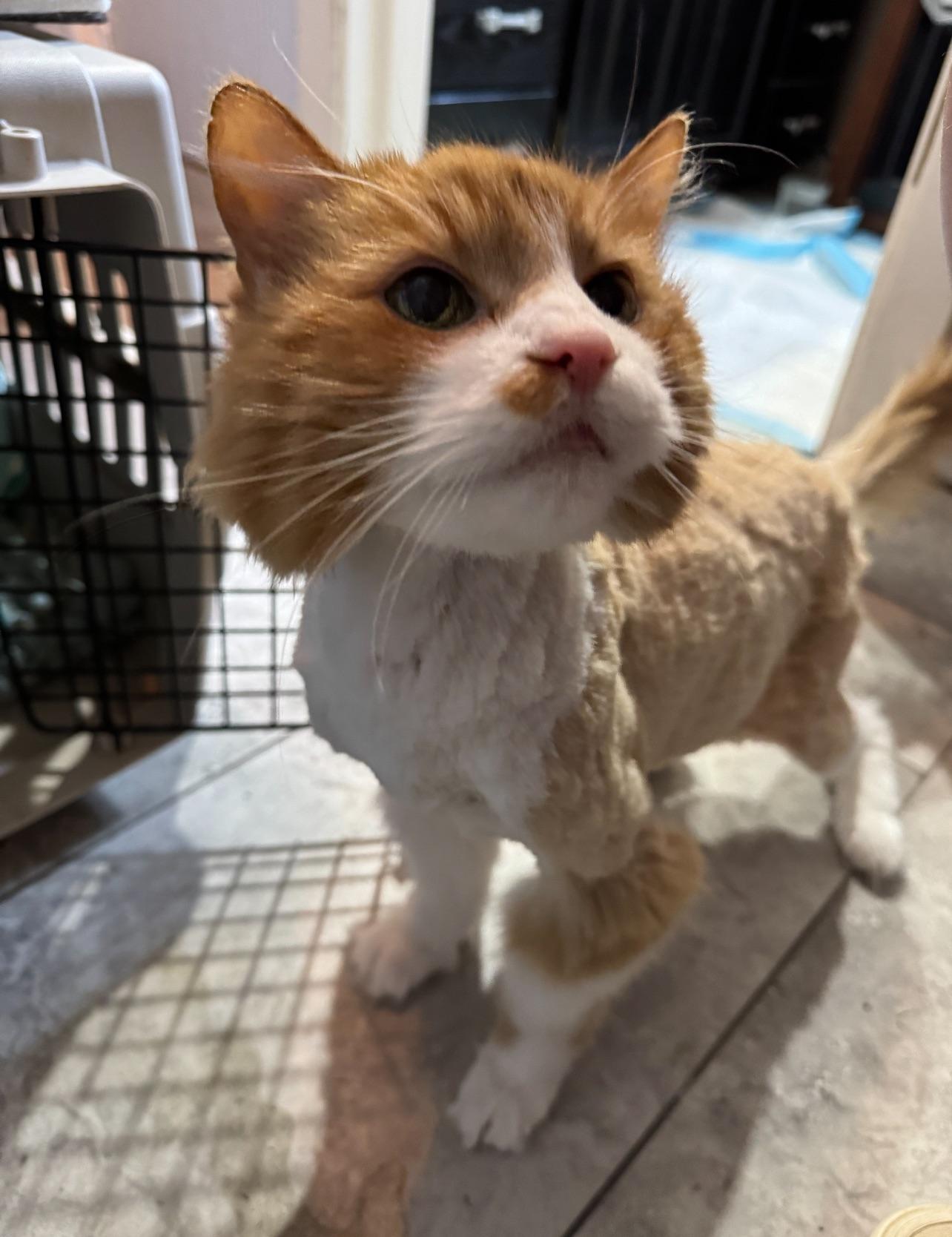
Have you ever wondered if it’s still possible to groom your 21-year-old cat? At this age, your furry friend may need extra care, but you might be unsure where to start or if grooming is even safe.
Taking care of an elderly cat can feel overwhelming, but the truth is, gentle grooming can make a huge difference in their comfort and happiness. You’ll discover simple, effective ways to keep your senior cat clean and comfortable—helping you strengthen your bond and improve their quality of life.
Keep reading to learn how you can make grooming a positive experience for your beloved companion.
Challenges Of Grooming Senior Cats
Grooming a 21-year-old cat brings unique challenges that go beyond the usual brushing and bathing routines. Your senior cat’s aging body and changing behavior require more patience and a gentle approach. Understanding these challenges helps you provide better care and keeps grooming a positive experience for both of you.
Common Age-related Changes
As cats age, their fur often becomes thinner, drier, and more prone to mats. You might notice your cat’s coat losing its shine and becoming patchy in some areas. These changes make grooming more delicate and time-consuming.
Older cats also tend to groom themselves less effectively due to decreased flexibility and energy. This means you may need to step in more frequently to prevent dirt buildup and skin issues.
Health Issues Affecting Grooming
Health problems like arthritis, dental disease, or vision loss can make grooming painful or stressful for your senior cat. Arthritis, for example, can make it painful for them to hold certain positions during brushing.
Skin conditions and allergies become more common with age, requiring extra care to avoid irritation. You should watch for signs of discomfort and consult your vet if your cat resists grooming suddenly.
Behavioral Considerations
Senior cats may develop anxiety or become more sensitive to touch. Your cat might react differently to grooming sessions than in their younger years, sometimes even becoming aggressive or withdrawn.
Try to keep grooming sessions short and calm. Use soft strokes and speak gently to reassure your cat. Have you noticed your older cat becoming more restless or less trusting during grooming? Adjusting your approach can make a big difference.

Credit: www.reddit.com
Preparing For Grooming Sessions
Preparing for grooming sessions with a 21-year-old cat requires patience and care. Older cats have delicate skin and less energy. Gentle preparation helps make the experience calm and safe for both of you.
Understanding your cat’s needs and comfort levels is key. Taking time to prepare can reduce stress and improve cooperation. The right tools, environment, and mindset create a positive grooming routine.
Choosing The Right Tools
Soft brushes work best for older cats. They prevent skin irritation and feel gentle. Small combs help remove loose fur without pulling. Avoid harsh or heavy tools that could hurt your cat.
Keep grooming supplies clean and ready. Use pet-safe wipes for sensitive spots. Have towels nearby for quick clean-ups. The right tools make grooming easier and safer.
Creating A Comfortable Environment
Pick a quiet, warm room with soft lighting. A calm space helps your cat relax. Use a soft blanket or cushion for your cat to lie on. Keep distractions like loud noises or other pets away.
Speak softly and move slowly. Let your cat adjust to the space before starting. Short, calm sessions work better than long ones. Comfort encourages your cat to stay calm and still.
Setting Realistic Expectations
Grooming an elderly cat takes time and patience. Don’t expect long grooming sessions. Short sessions of a few minutes work best. Watch your cat’s reactions and stop if stressed.
Focus on small areas at a time. Celebrate small progress and gentle cooperation. Remember, your cat’s comfort is the priority. Gentle care helps maintain health and happiness.
Grooming Techniques For Older Cats
Grooming an older cat requires extra care and patience. Their skin is thinner and more fragile. Their fur may be less shiny and prone to mats. Regular grooming helps keep them comfortable and healthy. It also strengthens your bond and lets you check for any skin issues or lumps.
Brushing And Detangling
Use a soft brush designed for cats. Gently brush in the direction of hair growth. Avoid pulling hard to prevent discomfort. Focus on areas prone to tangles like behind the ears and under the legs. Detangle mats slowly with a wide-toothed comb. If mats are tight, consider professional help to avoid hurting your cat.
Bathing Tips For Sensitive Skin
Choose a mild shampoo made for cats with sensitive skin. Use lukewarm water, not hot. Wet your cat gently and apply shampoo carefully. Rinse thoroughly to remove all soap. Dry your cat with a soft towel, avoiding rubbing. Keep bath sessions short to reduce stress. Bathing too often can dry their skin, so limit baths to when truly necessary.
Nail Care And Trimming
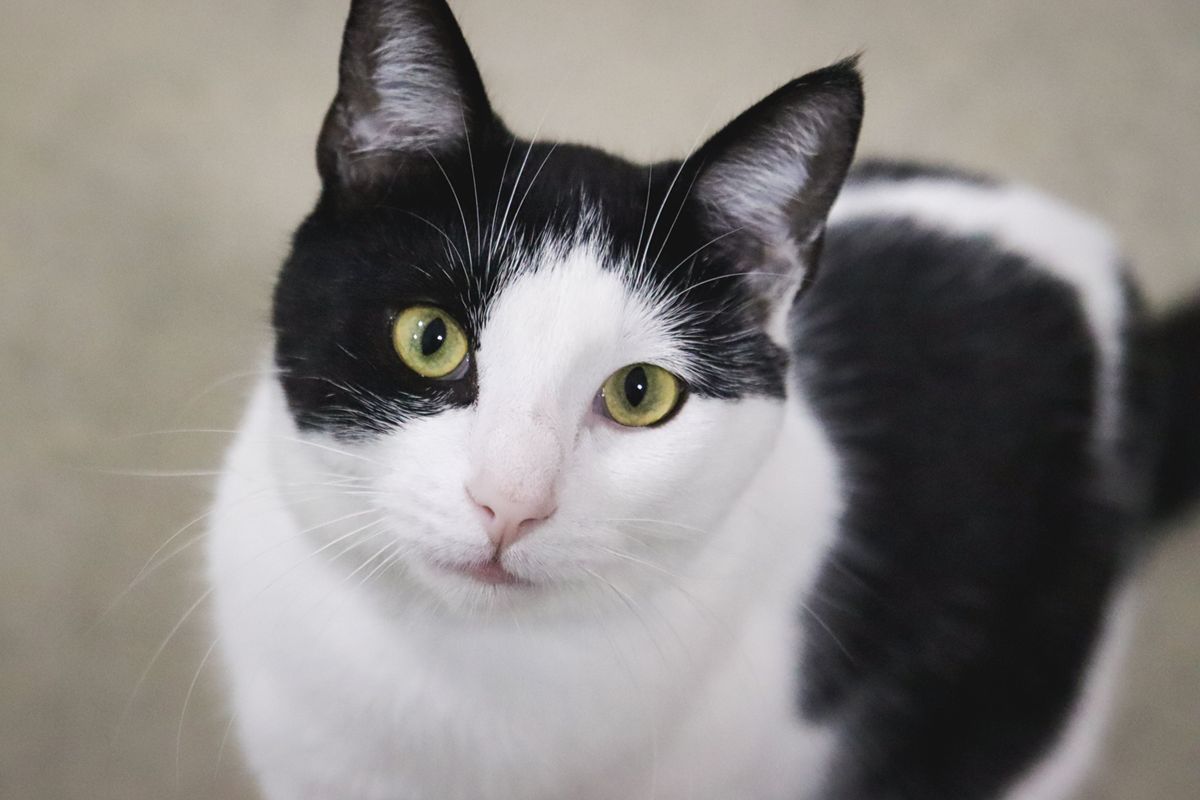
Older cats may have brittle nails. Check nails weekly for length and condition. Use a small, sharp nail clipper made for cats. Trim only the sharp tips, avoiding the quick (the pink part inside). If your cat resists, try trimming a few nails at a time. Reward your cat with gentle petting or a treat after trimming.
Credit: cats.com
Monitoring Health During Grooming
Grooming a 21-year-old cat is more than just a routine task; it’s an opportunity to closely monitor their health. As cats age, they become more susceptible to various health issues. Regular grooming sessions allow you to keep an eye on potential problems and ensure your feline friend remains comfortable and healthy.
Spotting Skin Issues
During grooming, pay close attention to your cat’s skin. Look for any redness, irritation, or flaky patches. These could indicate allergies, infections, or other skin conditions that require veterinary attention.
Older cats may develop sensitive skin. Use a gentle brush and be mindful of any areas where your cat seems uncomfortable. If you notice excessive scratching or grooming, it might be time for a check-up.
Checking For Lumps And Bumps
Run your fingers gently over your cat’s body to check for lumps and bumps. These can be benign, but they can also indicate more serious conditions, such as tumors.
Consistency is key. Make this a regular part of your grooming routine to catch any changes early. If you find anything unusual, consult your vet for further evaluation.
Identifying Signs Of Discomfort
Watch your cat’s behavior closely during grooming. Signs of discomfort could include twitching, vocalizations, or attempts to move away. This might indicate joint pain, especially common in senior cats.
Consider using a soft brush and take breaks if your cat seems distressed. Your goal is to make grooming a pleasant experience while ensuring your cat’s health is in check.
Regular grooming sessions are not just about maintaining your cat’s appearance. They offer a vital opportunity to monitor health and well-being. Are you making the most of these moments with your aging feline friend?
Supporting Mobility And Comfort
Supporting mobility and comfort is key when grooming a 21-year-old cat. Older cats may move slower and feel stiffness. They need extra care to stay comfortable during grooming. This helps keep their skin healthy and reduces stress. Gentle touch and proper tools make grooming easier and more pleasant for senior cats.
Gentle Handling Methods
Handle your senior cat with slow, calm movements. Avoid sudden touches that might startle or hurt them. Support their body fully when lifting or holding. Use soft strokes instead of firm brushing. Pay attention to signs of discomfort or pain. Let your cat take breaks if needed. This approach builds trust and eases anxiety during grooming.
Using Supportive Accessories
Use tools designed for older cats. Soft brushes and combs reduce pulling on delicate fur. A non-slip mat helps your cat stay steady while grooming. Consider a padded surface for extra comfort. Lightweight grooming gloves protect your hands and soothe your cat. These accessories make grooming safer and more comfortable for your aging pet.
Encouraging Regular Grooming Habits
Keep grooming sessions short and frequent. Regular brushing prevents mats and tangles from forming. This reduces pain and skin problems in older cats. Praise your cat gently after each session. Offer treats to create positive associations. Establishing a routine helps your cat accept grooming as part of daily life.
When To Seek Professional Help
Grooming a 21-year-old cat can be challenging. Older cats often have special needs that require extra care. Knowing when to seek professional help protects your cat’s health and comfort. It ensures grooming stays safe and stress-free for your senior pet.
Recognizing Grooming Challenges
Senior cats may develop mats or thick fur that is hard to comb. They might resist grooming due to pain or weakness. Look for signs like:
- Excessive shedding or bald spots
- Unusual odor or dirty fur
- Swelling or skin irritations
- Difficulty moving during grooming
These signs suggest your cat needs expert grooming care.
Choosing A Groomer Experienced With Seniors
Not all groomers have experience with elderly cats. Find one who understands senior cat behavior and health. They use gentle techniques and patient handling. Check if the groomer:
- Is trained in senior pet care
- Uses safe grooming tools
- Can recognize health problems
- Offers calm, quiet environments
This choice protects your cat from stress and injury.
Veterinary Assistance For Grooming Issues
Sometimes grooming problems link to medical issues. Arthritis, dental problems, or skin disease can affect grooming. A vet can:
- Check your cat’s overall health
- Prescribe treatments to ease pain
- Recommend safe grooming methods
- Suggest professional grooming services
Veterinary advice ensures your cat’s grooming stays healthy and safe.

Credit: www.reddit.com
Frequently Asked Questions
Can You Groom A 21 Year Old Cat Safely?
Yes, you can groom a 21 year old cat safely. Use gentle strokes and avoid stressful handling. Regular grooming helps with coat health and comfort.
How Often Should A Senior Cat Be Groomed?
Senior cats should be groomed at least once a week. More frequent grooming may be needed if they have mobility issues or thick fur.
What Grooming Tools Are Best For Elderly Cats?
Soft-bristle brushes and grooming wipes work best for elderly cats. Avoid harsh combs that might irritate their sensitive skin.
Can Grooming Improve A 21 Year Old Cat’s Health?
Grooming improves circulation, reduces mats, and helps detect skin issues early. It also strengthens your bond with your senior cat.
Conclusion
Grooming a 21-year-old cat is possible with care and patience. Older cats need gentle handling and regular grooming to stay healthy. Watch for signs of discomfort and adjust grooming steps as needed. Keep sessions short to avoid stress and maintain a calm environment.
Regular grooming helps prevent mats and supports your cat’s well-being. Remember, your love and attention make a big difference in your senior cat’s life. Small efforts keep your cat comfortable and happy in their golden years.



Leave a Reply