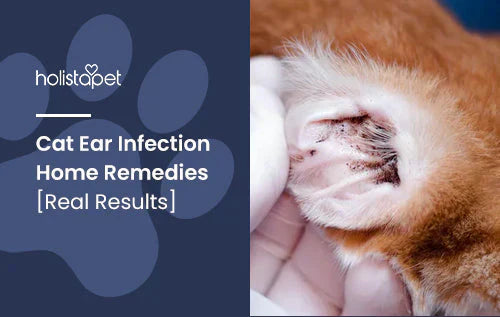
Have you ever noticed your cat scratching or licking more than usual around their favorite toys? It might make you wonder—can cats get a yeast infection between their toys?
You care deeply about your furry friend’s health, and understanding this hidden risk can help you keep them happy and comfortable. You’ll discover how yeast infections happen, what signs to watch for, and simple steps you can take to protect your cat and their beloved playthings.
Keep reading to make sure your kitty stays healthy and playful every day.
Yeast Infections In Cats
Yeast infections in cats can cause discomfort and itching. These infections occur when yeast, a type of fungus, grows too much on the cat’s skin or inside the ears. Yeast loves warm, moist places and can affect cats of any age or breed. Understanding the causes and symptoms helps keep your cat healthy and happy.
Common Causes
- Warm, damp environments on the skin
- Allergies that weaken the skin barrier
- Weakened immune system
- Excessive moisture from licking or bathing
- Dirty or contaminated toys and bedding
Symptoms To Watch For
- Itching and scratching frequently
- Red, inflamed skin patches
- Scaly or greasy skin
- Unpleasant odor from skin or ears
- Hair loss in affected areas
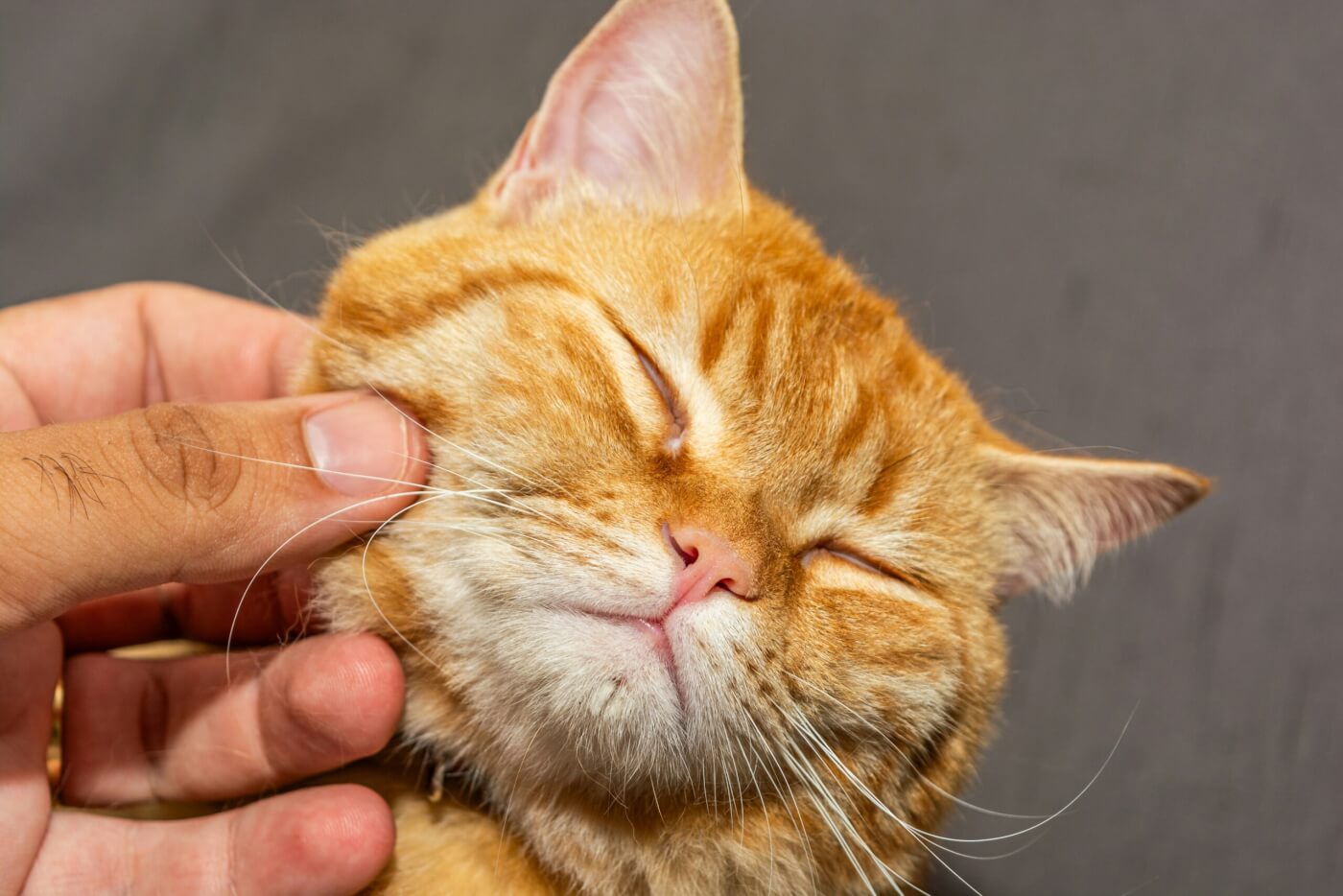
Credit: www.peta.org
Toys As A Yeast Infection Source
Pets bring joy, but their toys can sometimes hide unseen health risks. Cats’ toys may become breeding grounds for yeast infections if not properly maintained. Understanding how toys contribute to yeast growth helps you protect your feline friend’s health effectively.
How Toys Can Harbor Yeast
Yeast thrives in warm, damp environments, and cat toys often provide just that. Toys left damp after play or stored in humid areas encourage yeast growth on their surfaces. If your cat chews or licks these contaminated toys, the yeast can transfer to their skin or mouth, increasing infection risk.
Think about your cat’s favorite plush mouse or rubber ball. These items can absorb saliva and moisture, creating a perfect spot for yeast to multiply. Regular cleaning and drying are essential to prevent this hidden hazard.
Types Of Toys That Are Risky
Not all toys pose the same threat. Soft, fabric toys tend to soak up moisture and saliva, making them prime yeast hosts. Similarly, foam-filled or porous rubber toys can trap dirt and yeast beneath their surfaces.
- Plush toys:Easily absorb moisture and harder to clean thoroughly.
- Foam toys:Porous texture holds moisture and yeast.
- Rubber toys with grooves:Dirt and yeast can lodge in crevices.
In contrast, hard plastic or silicone toys are less likely to harbor yeast if wiped clean regularly. Do you inspect your cat’s toys often? A quick check and cleaning routine can reduce the risk dramatically.
Preventing Yeast Infections
Preventing yeast infections in cats is key to keeping them healthy and happy. Yeast thrives in warm, damp environments, which can develop around toys left dirty or moist. Regular care of your cat’s playthings reduces the risk of infections. Clean toys and choose the right materials for safe play. Simple habits protect your cat from discomfort and health issues.
Cleaning And Sanitizing Toys
Wash your cat’s toys often to remove dirt and yeast spores. Use warm water and mild soap to clean surfaces. Rinse thoroughly to avoid soap residue. Dry toys completely before giving them back to your cat. Damp toys can encourage yeast growth. For plush toys, use a gentle cycle in the washing machine. Hard toys can be wiped with pet-safe disinfectants. Regular cleaning keeps germs and yeast away.
Safe Toy Materials
Choose toys made from materials that resist moisture and bacteria. Hard plastic and rubber toys are easier to clean and dry quickly. Avoid porous materials that trap dirt and moisture. Soft toys should be washable and dry fast to prevent yeast growth. Natural materials like untreated wood can harbor yeast and mold. Prioritize materials that promote hygiene and safety. Safe toys reduce the chance of infections for your cat.

Credit: petite-store.com
Treating Yeast Infections
Cats can develop yeast infections, sometimes hidden near their toys. Keeping toys clean helps prevent these infections and keeps cats healthy. Watch for signs like itching or redness around their play area.
Treating yeast infections in cats, especially when it involves their toys, can be a bit of a challenge. Not only do you want to ensure your furry friend is comfortable and healthy, but also that their environment is free from recurring infections. With the right approach, you can tackle the issue and keep your cat happy and itch-free. Let’s dive into some practical strategies for treating yeast infections.Veterinary Diagnosis
When you suspect a yeast infection, it’s crucial to get a professional diagnosis from a veterinarian. They will conduct a thorough examination and may take skin swabs to confirm the presence of yeast. An accurate diagnosis ensures that your cat receives the most effective treatment. Ignoring symptoms or self-diagnosing can lead to prolonged discomfort for your pet. A vet can also rule out other underlying conditions that may mimic yeast infections. Remember, your cat’s health is a top priority, and an expert’s guidance is invaluable.Home Care Tips
Once you have a diagnosis, there are several home care strategies you can adopt. Regularly clean your cat’s toys with a pet-safe disinfectant to prevent the spread of yeast. Consider washing plush toys in hot water and wiping down plastic toys thoroughly. Keeping your cat’s environment clean is equally important. Vacuum frequently and wash bedding to eliminate any lingering spores. You might also explore dietary changes, as some experts suggest that a grain-free diet can reduce yeast growth. Engage with your cat’s health actively. Notice any changes in their behavior or skin condition and adjust your care routine accordingly. Your proactive approach can make a significant difference in their recovery and overall well-being.Maintaining Cat Hygiene
Maintaining good hygiene for your cat is essential to prevent infections, including yeast infections. Cleanliness helps keep your cat healthy and comfortable. It also reduces the risk of bacteria and fungi growing on their skin and toys.
Regular care and a clean environment support your cat’s overall well-being. Cats that stay clean are less likely to develop skin problems.
Regular Grooming
Brush your cat’s fur daily to remove dirt and loose hair. This keeps their coat healthy and reduces the chance of skin infections. Check their ears and paws for any signs of redness or irritation. Bathing your cat occasionally with gentle pet shampoo can help remove excess oils and yeast. Keep your cat’s nails trimmed to avoid scratches that could get infected.
Environment Cleanliness
Clean your cat’s toys regularly to stop yeast growth. Use mild soap and warm water to wash plastic and rubber toys. Soft toys should be washed in a washing machine on a gentle cycle. Replace toys that are damaged or very dirty. Vacuum and clean the areas where your cat spends most time. This removes hair, dirt, and allergens that can affect your cat’s skin. A clean space reduces the risk of yeast infections spreading.
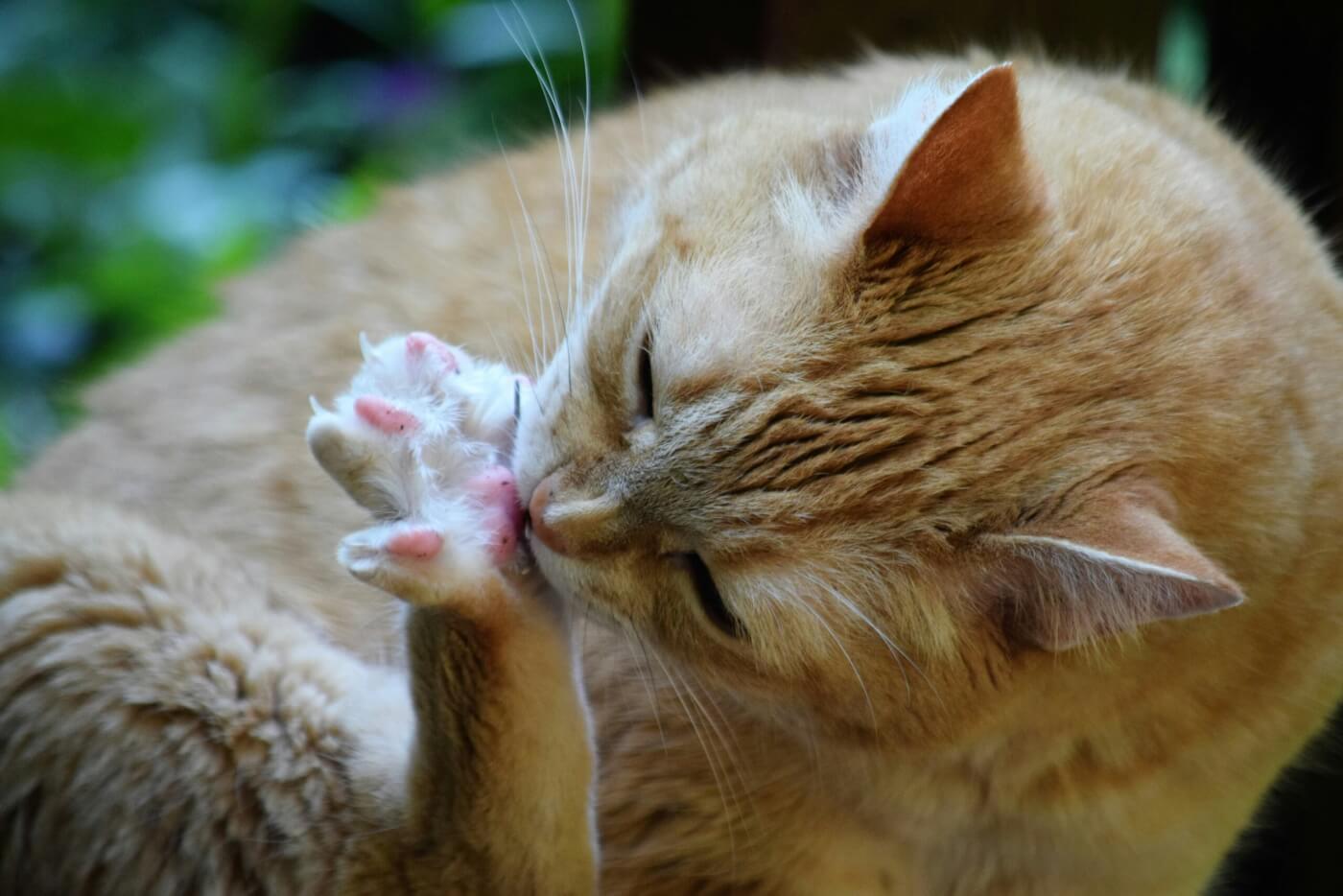
Credit: www.peta.org
Frequently Asked Questions
Can Cats Get Yeast Infections From Their Toys?
Yes, cats can develop yeast infections if their toys are dirty or damp. Yeast thrives in moist, warm environments, so unclean toys may harbor fungi that cause infections.
How Do Yeast Infections Affect Cats’ Skin?
Yeast infections cause redness, itching, and irritation on cats’ skin. They may scratch or lick the affected areas excessively, leading to discomfort and possible secondary infections.
What Are Signs Of Yeast Infection In Cats?
Signs include redness, itching, flaky skin, and a musty odor. Cats may also show hair loss and inflammation, especially around paws, ears, or where toys contact their body.
How Can I Prevent Yeast Infections From Cat Toys?
Regularly clean and dry your cat’s toys to prevent yeast growth. Store toys in a dry place and replace old or damaged toys frequently for hygiene.
Conclusion
Cats can get yeast infections, but toys are rarely the cause. Keeping toys clean helps reduce any risk. Watch your cat for signs of infection. Early treatment makes recovery easier. Regular vet visits keep your cat healthy. Simple steps protect your furry friend from yeast problems.
Stay alert and care for your cat’s hygiene. Healthy cats are happy cats.




Leave a Reply