Have you ever watched your cat spend ages licking its fur and wondered just how much time it actually spends grooming each day? You might be surprised to learn that grooming is more than just a way for cats to stay clean—it’s a vital part of their daily routine.
Understanding what percentage of their waking hours cats dedicate to grooming can reveal a lot about their health, habits, and happiness. Keep reading to discover fascinating facts about your feline friend’s grooming habits and why this self-care routine matters more than you think.
Credit: www.petscare.com
Daily Grooming Habits
Cats spend a good part of their day cleaning themselves. Grooming is more than just staying clean. It helps cats cool down and relax. Grooming also keeps their fur healthy and free of dirt. Understanding how much time cats spend grooming gives insight into their daily life.
Average Grooming Time
On average, cats spend about 30% to 50% of their waking hours grooming. This means they can spend up to 5 to 7 hours a day cleaning themselves. Grooming includes licking their fur, paws, and face. This time varies depending on the cat’s age and personality. Younger cats may groom less, while older cats often spend more time.
Factors Affecting Grooming Duration
Several factors influence how long a cat spends grooming:
- Breed:Long-haired cats need more grooming than short-haired breeds.
- Health:Illness or pain can reduce grooming time.
- Environment:Dirty or dusty surroundings may increase grooming.
- Stress:Stress can either increase or decrease grooming behavior.
- Temperature:Cats groom more in hot weather to cool down.
Grooming is a key part of a cat’s daily routine. It keeps them healthy and comfortable.
Credit: www.latimes.com
Why Cats Groom So Much
Cats spend about 30 to 50 percent of their waking hours grooming themselves. This helps keep their fur clean, cool, and free from parasites. Grooming also soothes and relaxes them.
Cats are fascinating creatures, particularly when it comes to their grooming habits. It’s no secret that they spend a significant amount of their waking hours attending to their fur. Have you ever wondered why they do this so diligently? Understanding the reasons behind a cat’s grooming routine can provide insight into their behavior and overall well-being.Hygiene And Cleanliness
Cats are naturally clean animals. Grooming helps them remove dirt, loose hair, and external parasites like fleas. This self-cleaning mechanism ensures their coat remains in pristine condition, which is crucial for their health and comfort. Regular grooming also prevents matting, which can lead to skin issues. It’s like your cat’s way of taking a daily shower, ensuring they smell fresh and feel comfortable. Have you noticed how they often groom right after eating? It’s their way of tidying up, similar to how you might wipe your mouth after a meal.Temperature Regulation
Grooming plays a vital role in helping cats regulate their body temperature. When a cat licks its fur, saliva spreads across the coat and evaporates, providing a cooling effect. This is particularly important during warmer months when overheating can be a concern. Conversely, grooming helps fluff up their fur, creating an insulating layer to trap heat. This natural temperature control mechanism is crucial for their survival in varying climates. Are you living in a region with extreme temperatures? Your cat’s grooming habits could be their way of adapting to the environment.Stress Relief
Grooming isn’t just about cleanliness or temperature regulation; it’s also a form of stress relief for cats. When they feel anxious or bored, they often resort to grooming as a calming activity. The repetitive motion and focus required can be soothing, much like how humans might find comfort in meditation or a warm bath. If your cat is grooming excessively, it might be a sign of stress or anxiety. Observing when and how often your cat grooms can offer clues about their emotional state. Is your feline friend licking more than usual during a loud thunderstorm? It might be their way of coping with the noise and stress. Understanding these nuances can help you provide a more comforting environment for your furry companion.Grooming Differences By Age And Breed
Cats spend a significant part of their day grooming, but how much time they dedicate can change based on their age and breed. These differences affect not only their appearance but also their comfort and health. Understanding these variations can help you better care for your feline friend.
Kitten Vs Adult Cats
Kittens usually spend less time grooming compared to adult cats. They are still learning how to groom effectively and often rely on their mother for help. As they grow, cats become more skilled and thorough, increasing their grooming time to about 30-50% of their waking hours.
Adult cats use grooming not just to clean but also to regulate body temperature and reduce stress. If you notice your adult cat grooming less than usual, it could signal health issues. Have you observed your kitten struggling to clean certain spots? That’s normal and part of their learning curve.
Long-haired Vs Short-haired Breeds
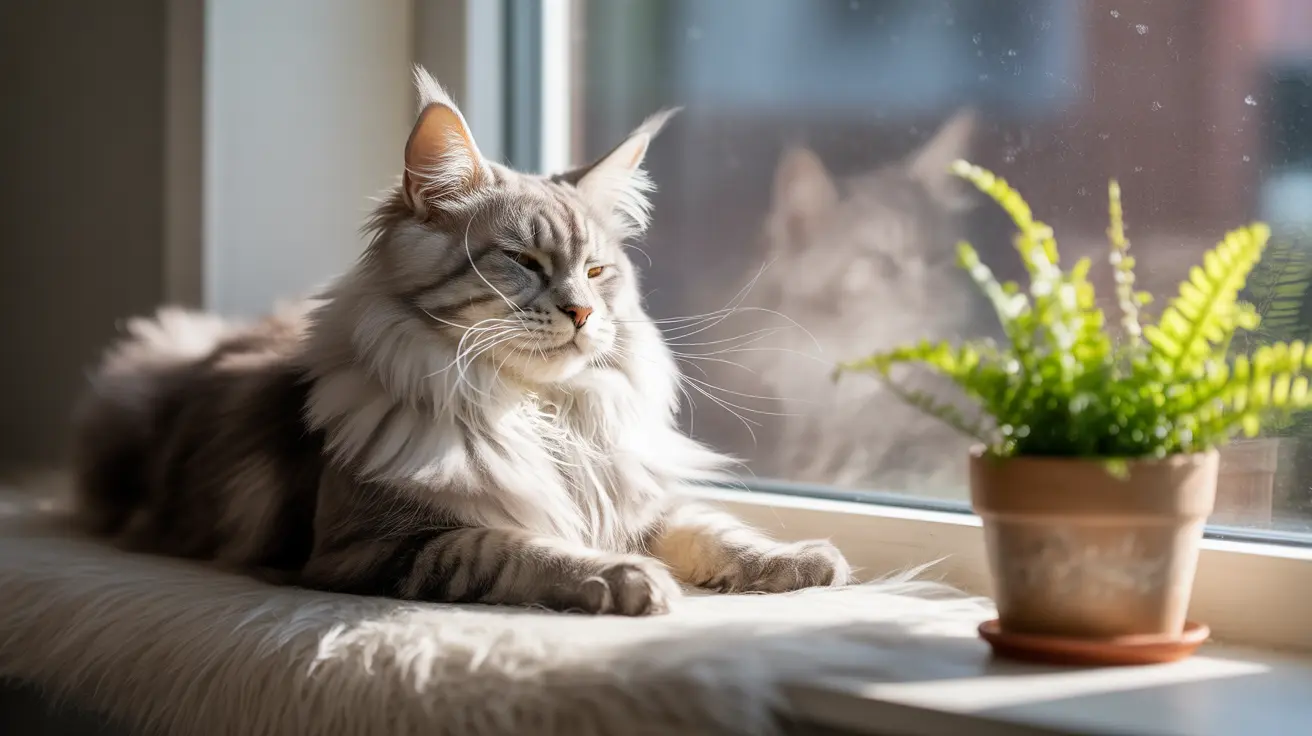
Long-haired breeds like Persians and Maine Coons spend more time grooming than short-haired breeds. Their thick fur requires extra care to prevent mats and tangles. You might see them dedicating up to 50-60% of their waking hours to grooming.
Short-haired cats, such as Siamese or American Shorthairs, groom less because their fur is easier to maintain. Still, they keep up a regular grooming routine to remove loose hair and dirt. If your long-haired cat seems to spend an excessive amount of time grooming, it could indicate skin irritation or stress.
- Kitten grooming time is usually less than adults.
- Long-haired cats need more grooming time than short-haired ones.
- Changes in grooming habits can signal health or emotional issues.
Impact Of Grooming On Cat Health
Cats spend a significant portion of their waking hours grooming, and this behavior has a deep impact on their health. Grooming is more than just keeping their fur clean; it plays a vital role in preventing health issues and maintaining overall well-being. Understanding how grooming benefits your cat can help you support their natural habits and spot any problems early.
Preventing Parasites
Grooming acts as a natural defense against parasites like fleas and ticks. When your cat licks its fur, it removes dirt and potential pests before they can cause harm.
If you notice your cat grooming excessively or scratching a lot, it might signal a parasite problem. Regular checks combined with grooming help keep these pests under control without always needing medication.
Maintaining Skin Health
Grooming stimulates oil production in your cat’s skin, which keeps the coat shiny and healthy. These natural oils also create a barrier against dryness and irritation.
When cats groom, they distribute these oils evenly, preventing flaky skin or bald patches. If your cat’s fur looks dull or patchy, it could mean their grooming routine is interrupted or they have an underlying skin issue.
Signs Of Grooming Issues
Grooming is a natural and essential part of a cat’s daily routine, but sometimes it can signal health or emotional problems. Noticing changes in your cat’s grooming habits is key to catching issues early. You might ask yourself: is my cat grooming too much, or not enough? Both extremes can point to underlying concerns that need your attention.
Overgrooming Symptoms
Overgrooming happens when a cat spends excessive time licking or biting its fur. You may see bald patches or raw, irritated skin, especially around the belly, legs, or face. Sometimes, your cat might chew on the same spot repeatedly, causing scabs or redness.
Other signs include:
- Constant licking even after baths or outdoor exposure
- Restlessness or anxiety behaviors accompanying the grooming
- Changes in appetite or mood
Ask yourself: is your cat stressed by a new environment or something in its routine? Overgrooming can be a response to pain, allergies, or anxiety. Consulting a vet can help pinpoint the root cause quickly.
Under-grooming Warning Signs
On the flip side, under-grooming means your cat is not cleaning itself enough. This can lead to a dull, greasy, or matted coat. You might notice dandruff or even a buildup of dirt and oil on the fur.
Look out for these red flags:
- Unkempt fur with tangles or mats
- Strong odor coming from the coat
- Visible skin issues like flakes, redness, or sores
Under-grooming can signal pain, arthritis, or dental problems that make grooming uncomfortable. If your cat suddenly stops grooming, consider whether it might be struggling physically or emotionally.
Have you observed any changes in your cat’s grooming habits recently? Paying close attention and acting early can prevent bigger health problems down the road.

Credit: www.latimes.com
How Owners Can Support Grooming
Supporting your cat’s grooming habits plays a vital role in their overall health and happiness. Cats spend a significant portion of their waking hours grooming themselves to stay clean and comfortable. As an owner, you can help make this process easier and more effective, especially for cats that might struggle with grooming due to age, health, or breed characteristics.
Regular Brushing Tips
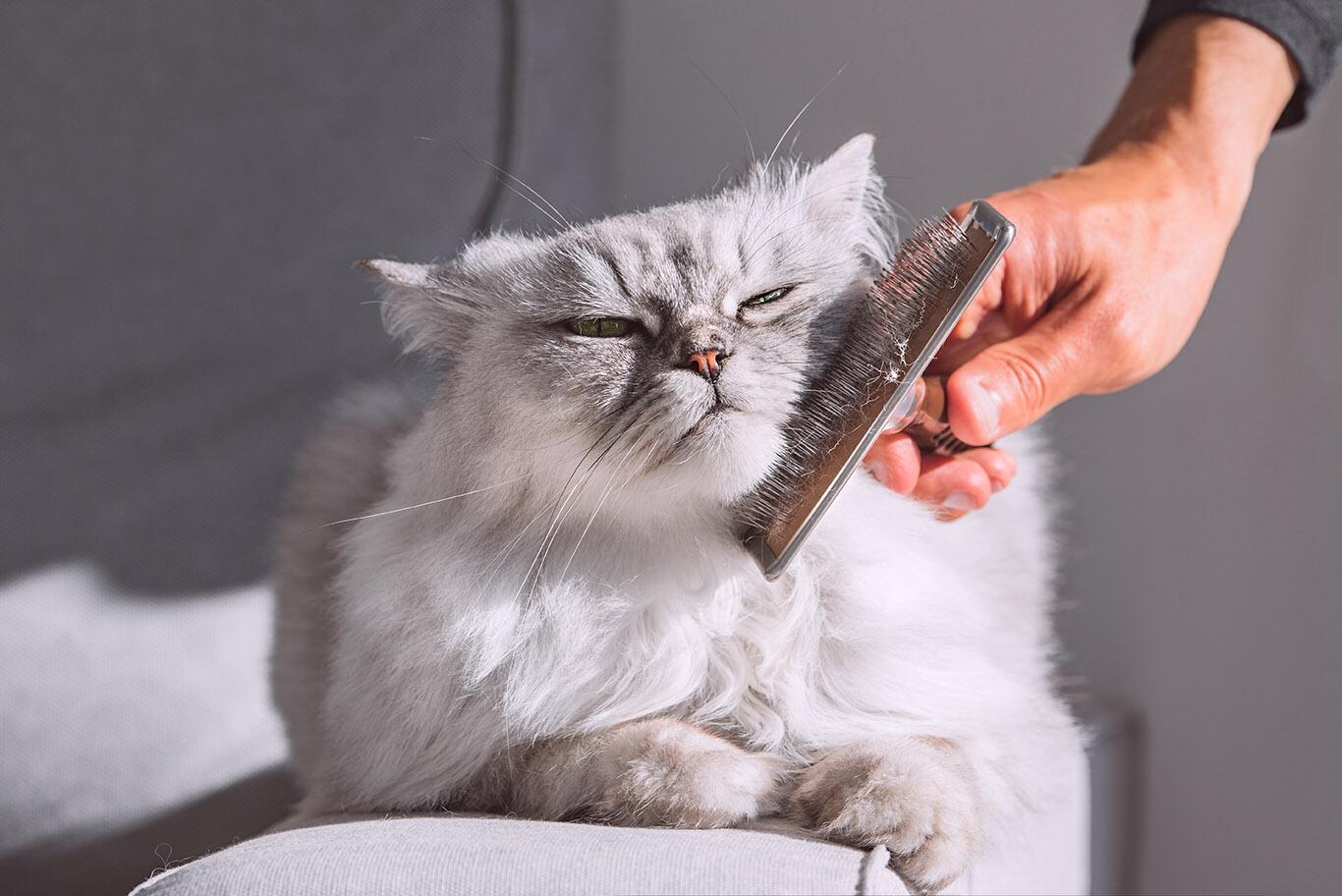
Brushing your cat regularly helps remove loose fur and prevents matting, especially in long-haired breeds. Use a brush suitable for your cat’s coat type and be gentle to avoid causing discomfort. Try brushing in short sessions and reward your cat with treats to create a positive experience.
Pay attention to areas your cat can’t easily reach, like behind the ears and under the legs. This can reduce hairballs and skin issues while strengthening your bond. Have you noticed your cat’s fur shedding more during certain seasons? Brushing more frequently during these times can make a big difference.
When To Consult A Vet
If your cat suddenly spends much less time grooming or shows signs of excessive grooming, it could indicate health problems. Look out for bald patches, redness, or sores on the skin, which may signal allergies, parasites, or stress. Don’t wait if you see these signs—consult your vet promptly to address any underlying issues.
Older cats or those with arthritis might find grooming painful and need your extra help. Your vet can recommend special grooming tools or treatments to ease discomfort. Have you ever thought about how changes in grooming habits might be your cat’s way of asking for help?
Frequently Asked Questions
How Much Time Do Cats Spend Grooming Daily?
Cats spend about 30 to 50 percent of their waking hours grooming themselves. This behavior helps keep their fur clean, regulates body temperature, and reduces stress.
Why Do Cats Groom Themselves So Often?
Cats groom to remove dirt, parasites, and loose fur. Grooming also stimulates blood flow and helps them relax and bond with other cats.
Does Grooming Affect A Cat’s Health?
Yes, regular grooming keeps a cat’s coat healthy and prevents skin infections. It also helps detect health issues early, such as wounds or parasites.
Do All Cats Groom Equally?
No, grooming varies by breed, age, and health. Younger and healthy cats groom more, while older or sick cats may groom less frequently.
Conclusion
Cats spend a large part of their day grooming. This helps them stay clean and healthy. Grooming also calms them and keeps their fur shiny. Understanding this helps you care better for your cat. Next time you see your cat licking, remember it’s natural and important.
Their grooming time shows how much they value comfort and cleanliness. Keep watching, and you’ll notice how much time they spend on this quiet activity. It’s part of what makes cats so special and unique.



Leave a Reply