Are you looking for fun and easy ways to keep your cat or dog entertained? Making toys for your pets at home is a great way to save money and show them love.
Imagine watching your furry friend play with something you created just for them. You’ll discover simple steps to make safe, exciting toys that will keep your pets happy and active. Keep reading, and you’ll find ideas that anyone can try, no matter your skill level.
Your pet’s new favorite toy is just a few minutes away!

Credit: www.yahoo.com
Materials Needed
Gathering the right materials is key to making safe toys for cats and dogs. Choose items that are non-toxic and sturdy. Using pet-friendly fabrics ensures comfort and durability. Basic tools help in crafting and assembling the toys efficiently.
Safe Household Items
- Old socks without holes
- Empty plastic bottles (without caps)
- Cardboard tubes from paper towels
- Fabric scraps from worn-out clothes
- Soft yarn or string (avoid thin threads)
- Non-toxic glue or tape
Pet-friendly Fabrics
- Cotton cloth – soft and breathable
- Fleece – gentle and durable
- Canvas – tough for chewing
- Denim – strong and long-lasting
- Microfiber – easy to clean
Tools Required
- Scissors with sharp edges
- Needle and thread for sewing
- Hot glue gun (use carefully)
- Measuring tape or ruler
- Marker or chalk for fabric
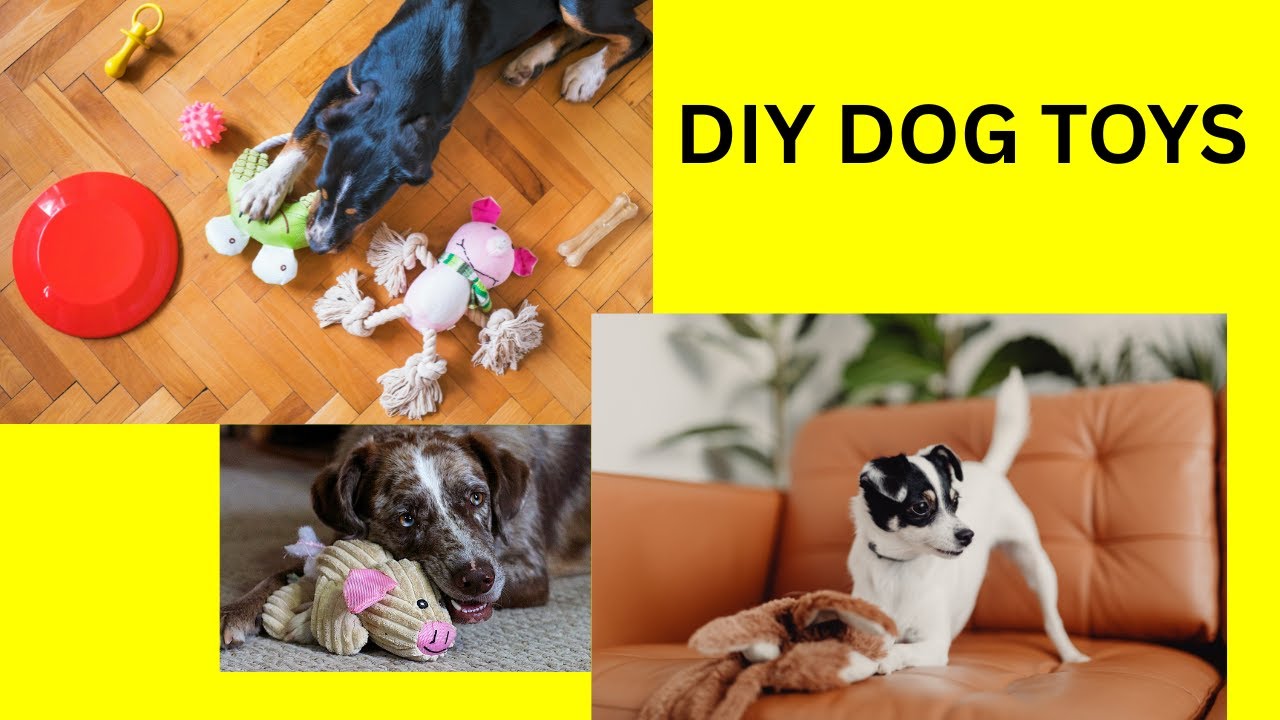
Credit: www.youtube.com
Diy Cat Toys
DIY cat toys bring joy and exercise to your feline friend. These toys keep cats active and curious. Making toys at home saves money and uses safe materials. Cats love toys that mimic hunting and play behaviors. Crafting simple toys is fun and easy for all skill levels.
Simple Feather Wand
Create a feather wand with a stick and feathers. Attach a few colorful feathers to one end of a stick. Use string or tape to secure feathers tightly. Move the wand slowly to mimic bird flight. Cats enjoy chasing and pouncing on the feathers. This toy encourages jumping and quick reflexes.
Homemade Catnip Sock
Fill a small sock with dried catnip for an instant toy. Tie a knot to close the sock securely. Catnip scent attracts cats and stimulates play. Cats like to bat, carry, and kick the sock. Replace the catnip regularly to keep the scent fresh. This toy is soft and safe for indoor play.
Cardboard Puzzle Toys
Cut holes in a small cardboard box to create a puzzle toy. Place treats or small toys inside the box. Cats use paws to fish out treats through the holes. This toy sharpens hunting skills and provides mental stimulation. Use sturdy cardboard for longer-lasting fun. Change the contents to keep your cat interested.
Diy Dog Toys
Creating your own dog toys is a fun way to keep your furry friend entertained and mentally stimulated. DIY toys can be tailored to your dog’s size, chewing habits, and favorite activities. Plus, you get the satisfaction of knowing exactly what materials are involved—no hidden chemicals or unsafe parts.
Making toys at home often saves money and reduces waste. You might even find that your dog prefers a homemade toy over store-bought ones. Have you noticed how some dogs get bored quickly with expensive toys? DIY options can be changed up easily to keep playtime exciting.
Tennis Ball Treat Dispenser
Take a regular tennis ball and cut a small slit large enough for treats to fall out slowly. Your dog will have to roll and nudge the ball to get the treats, which keeps them engaged longer. It’s a simple way to combine playtime with a tasty reward.
Use high-quality tennis balls to avoid any toxic materials. This toy encourages problem-solving skills and can help slow down fast eaters. Have you tried watching your dog figure out how to get every last treat? It’s entertaining for both of you.
Braided T-shirt Tug Toy
Grab some old cotton t-shirts and cut them into strips. Braid three or more strips tightly to create a durable tug toy. This is perfect for interactive play and helps satisfy your dog’s natural urge to chew and pull.
Using soft fabric means it’s gentle on your dog’s teeth and gums. Plus, you can wash it easily when it gets dirty. What old clothes do you have lying around that could get a second life as a dog toy?
Frozen Peanut Butter Chew
Fill a sturdy rubber toy or ice cube tray with natural peanut butter and a little water, then freeze it. This creates a cool, tasty chew that soothes your dog’s gums and keeps them busy. It’s especially great during hot weather or teething phases.
Make sure the peanut butter you use doesn’t contain xylitol, which is toxic to dogs. You can mix in small bits of carrot or apple for extra flavor and texture. Have you noticed how long your dog can focus on a frozen treat like this?
Safety Tips
Choose soft, non-toxic materials to avoid harming pets. Always check toys for loose parts that pets could swallow. Supervise playtime to keep your pets safe and happy.
Crafting toys for your furry friends can be a delightful and rewarding experience, but ensuring their safety is paramount. You wouldn’t want your playful creation to pose any risk to your beloved pet. Let’s explore some key safety tips that will help you make toys that are not only fun but also safe for your cats and dogs.Non-toxic Materials
Choosing the right materials is crucial. Always opt for non-toxic options like natural rubber, cotton, or hemp. If you’re using fabrics, make sure they’re free from dyes or chemicals that could be harmful if ingested. Consider your pet’s tendency to chew. If they are aggressive chewers, materials like untreated wood or thick, durable textiles are better choices. Remember, if it’s safe enough for a baby, it’s likely safe for your pet too.Avoid Small Parts
Small parts can be a choking hazard. Ensure every component of the toy is big enough that your pet can’t swallow it. This is especially important for dogs and cats who love to chew and nibble on their toys. Think about the durability of the toy. If a part can easily break off, it may not be suitable for your pet. Prioritize seamless designs where possible to minimize the risk of small parts becoming detached.Supervision While Playing
Always supervise your pet with a new toy. It allows you to see how they interact with it and if any safety concerns arise. This is particularly important for the first few play sessions. Keep an eye on wear and tear. Even the safest toy can become dangerous if it starts to break apart. Regularly check toys for signs of damage and replace them as needed. Creating toys for your pets is a wonderful way to bond and show your love, but their safety should always come first. Have you ever made a toy that your pet adored? What did you learn from the experience?Customizing Toys
Customizing toys for your cat or dog turns a simple plaything into a personalized treasure. It makes the toy more appealing and engaging, keeping your pet interested for longer. By tailoring toys to your pet’s unique preferences, you create moments of joy and stimulation that benefit their health and happiness.
Adding Scents
Adding scents to toys can instantly grab your pet’s attention. Pets rely heavily on smell, so a scented toy feels more alive and intriguing to them.
You can use pet-safe essential oils, like lavender or chamomile, to calm anxious pets. For a playful boost, try rubbing the toy with a little bit of catnip for cats or a hint of chicken broth for dogs.
Have you noticed how your dog reacts differently to a toy after it smells like something familiar? That’s the power of scent at work.
Adjusting Size
Size matters when it comes to pet toys. A toy that’s too big or too small can be frustrating or even dangerous for your pet.
Measure your pet’s mouth and paws before choosing or making a toy. For example, a small dog will need a lighter, smaller toy to carry and chew comfortably, while a large dog benefits from a sturdier, bigger toy to withstand their strength.
Could adjusting the size of a toy make playtime safer and more enjoyable for your pet? Experiment and observe their comfort closely.
Incorporating Sound
Sound adds an exciting layer to any toy. Pets often respond enthusiastically to squeaks, crinkles, or bells embedded in toys.
You can sew small bells inside fabric toys or insert a squeaker to catch your pet’s curiosity. Just ensure the sound is not too loud or harsh to avoid stressing your pet.
Does your cat chase a noisy ball more eagerly? Or does your dog prefer a silent chew toy? Tailoring sound to your pet’s play style keeps them coming back for more fun.
Benefits Of Diy Toys
Making toys for cats and dogs at home offers many benefits. These DIY toys keep pets happy and healthy. They are fun, affordable, and customizable. Crafting toys lets you tailor them to your pet’s needs and preferences. Pets enjoy the new challenges and activities these toys provide. DIY toys improve pets’ mental and physical well-being. They also strengthen the bond between you and your furry friends.
Mental Stimulation
DIY toys challenge pets to think and solve problems. Pets stay sharp and alert with new puzzles or interactive toys. Boredom reduces, and destructive behavior decreases. Mental exercise is essential for pets’ happiness and health.
Physical Exercise
Homemade toys encourage pets to move and play more. Active pets maintain a healthy weight and strong muscles. Exercise helps pets release energy and reduce stress. Creative toys can motivate pets to run, jump, and chase.
Bonding Time
Making toys together strengthens your relationship with pets. It creates moments of joy and trust. Playing with DIY toys builds a deeper connection. Pets feel loved and cared for through shared activities.

Credit: fremontvets.com
Frequently Asked Questions
What Materials Are Safe For Homemade Pet Toys?
Use non-toxic, pet-safe materials like cotton, fleece, and natural rubber. Avoid small parts that pets can swallow. Always choose durable fabrics and avoid harmful chemicals to ensure your pet’s safety and health while playing.
How Can I Make Toys For Cats At Home?
Create simple toys using string, feathers, or paper balls. Cats love interactive toys that mimic prey. Homemade wand toys with feathers or crumpled paper balls are great for stimulating hunting instincts and keeping cats active.
What Are Easy Diy Dog Toys To Make?
Make tug toys using braided fleece or old t-shirts. Stuff socks with treats for a fun challenge. These toys are affordable, easy to make, and help keep dogs entertained and mentally stimulated.
How Do I Ensure Pet Toys Are Durable?
Choose strong, chew-resistant fabrics and double-stitch seams. Test toys regularly for wear and tear. Durable toys prevent choking hazards and last longer, providing safe and continuous fun for your pets.
Conclusion
Making toys for cats and dogs can be fun and rewarding. It helps pets stay active and happy every day. Using safe, simple materials keeps your pets healthy. You save money and create special toys they love. Try different ideas to find what your pet enjoys most.
Spend time with your furry friends while crafting. Small efforts bring big smiles and wagging tails. Keep creativity alive and watch your pets play happily.



Leave a Reply