Have you ever noticed your cat isn’t grooming itself like usual? It can be worrying, right?
You might wonder if giving your cat a bath is the right thing to do. After all, cats don’t usually like water. But what if your furry friend needs help staying clean? You’ll discover when and how to bathe a cat that isn’t grooming.
You’ll learn simple tips to keep your cat healthy and comfortable without stress. Keep reading to find out what you should do to help your cat feel its best.

Credit: www.latimes.com
Reasons Cats Avoid Grooming
Cats usually groom themselves to stay clean and healthy. Grooming helps remove dirt, loose fur, and parasites. Sometimes, cats stop grooming. This can worry their owners. Understanding why cats avoid grooming is important. It helps decide if bathing is necessary and how to care for your cat better.
Health Issues Affecting Grooming
Illness can cause grooming problems in cats. Pain from arthritis or injury makes grooming hard. Skin infections or allergies may cause discomfort. Dental problems can reduce grooming due to mouth pain. Parasites like fleas can irritate skin and stop grooming. Older cats may lose interest in grooming due to weakness or sickness.
Behavioral Causes
Stress or anxiety can make cats stop grooming. Changes in environment or routine may upset them. Fear from loud noises or strangers can reduce grooming. Depression in cats can lower their self-care habits. Some cats may avoid grooming after trauma or neglect. Lack of social interaction also plays a role in grooming behavior.
Environmental Factors
Hot or cold weather affects how cats groom. Wet or dirty surroundings can discourage grooming. Poor diet may lead to dull fur and less grooming. Lack of access to clean water reduces grooming frequency. Overcrowded or dirty living spaces can cause stress. Cats in these conditions often avoid grooming altogether.
Signs Your Cat Needs A Bath
Cats usually groom themselves to stay clean. Sometimes, they may miss spots or avoid grooming. This can cause dirt and other issues to build up. Knowing when your cat needs a bath helps keep them healthy and comfortable.
Visible Dirt And Odor
Check your cat’s fur for dirt, dust, or sticky substances. A strong or bad smell means your cat may need a bath. Dirt and odor can irritate your cat’s skin and cause discomfort.
Skin Problems
Look for redness, sores, or flaky skin on your cat. These signs may show an infection or allergy. Bathing with special shampoo can soothe skin problems and remove irritants.
Matted Fur
Matted fur feels tight and clumps together. It can trap dirt and cause pain. Cats with long hair need more care to avoid mats. A gentle bath helps loosen mats and clean the fur properly.
Preparing For The Bath
Preparing your cat for a bath is very important. Cats that do not groom themselves need extra care during bathing. Preparation helps reduce stress for both you and your cat. It also makes the bath safer and easier. Planning before the bath sets the stage for a calm experience.
Gathering Supplies
Collect all needed items before starting the bath. This prevents leaving your cat alone in water. Prepare:
- A gentle cat brush
- Cat-friendly shampoo
- Two towels
- A cup or small container for rinsing
- A non-slip mat for the sink or tub
- A spray nozzle or pitcher
Keep everything within arm’s reach. This helps keep control during the bath.
Choosing The Right Shampoo
Select a shampoo made for cats only. Human or dog shampoos can harm their skin. Choose one without strong scents or harsh chemicals. Look for labels saying “hypoallergenic” or “for sensitive skin.” Avoid shampoos with insecticides unless your vet advises them. Using the right shampoo keeps your cat’s coat healthy and soft.
Setting Up A Safe Bathing Area
Find a small, enclosed space like a sink or tub. Use a non-slip mat to prevent slipping. Keep water warm but not hot, around 100°F (38°C). Prepare towels nearby for drying quickly. Remove any items that can fall or scare your cat. Close doors and windows to stop your cat from escaping. This setup creates a calm and secure place for bathing.
Bathing Techniques For Reluctant Cats
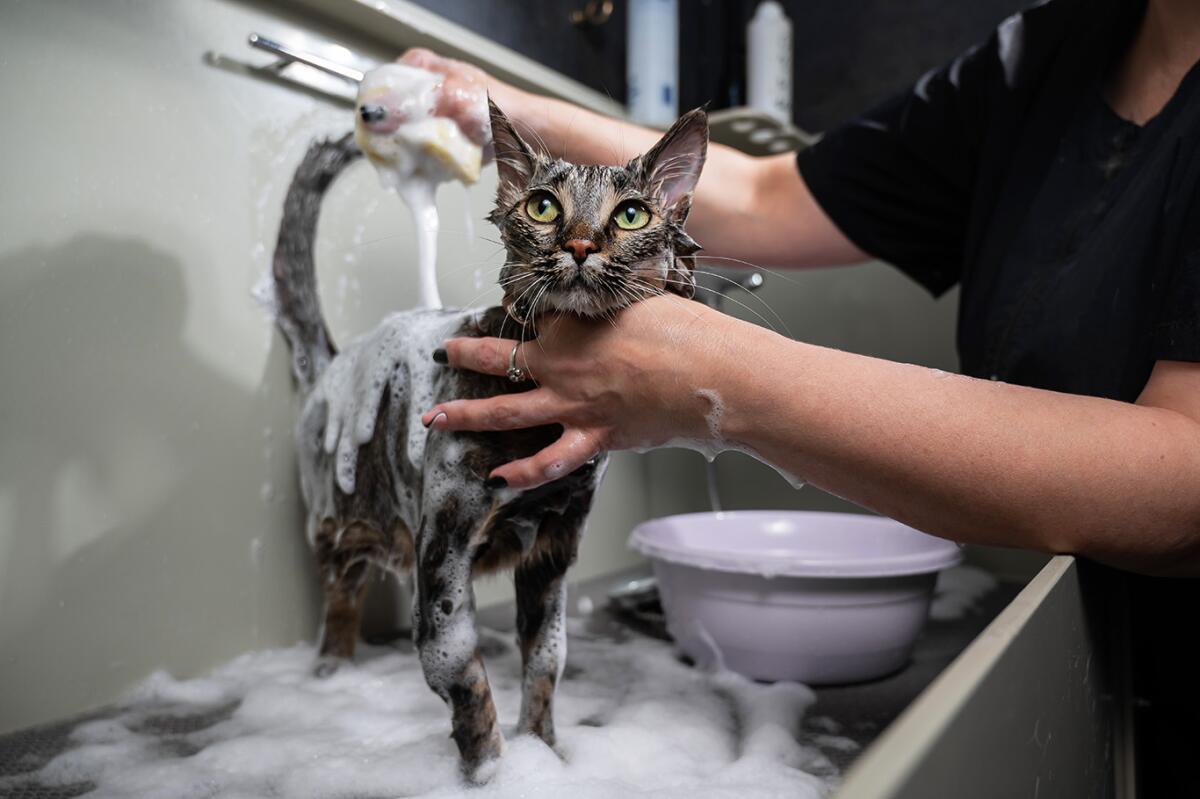
Bathing a cat that avoids grooming requires patience and gentle handling. Use lukewarm water and a calm voice to ease stress. Short baths with minimal water help keep reluctant cats clean without overwhelming them.
Bathing a cat that resists grooming can be tricky. Cats often dislike water, making the process challenging. Yet, regular cleaning is crucial for their hygiene. Proper techniques can ease the stress for both you and your feline friend.Calming Your Cat
Create a serene environment. Play soft music to soothe your cat. Use a calm voice to reassure them. Gently pet your cat before the bath. Consider using calming sprays or diffusers. These can reduce stress levels.Step-by-step Bathing Process
Prepare all necessary items first. Fill the tub with lukewarm water. Keep the water level low. Use a cat-safe shampoo. Wet your cat slowly using a cup. Lather gently, avoiding the face. Rinse thoroughly to remove all soap. Wrap your cat in a warm towel. Dry them gently but thoroughly.Handling Resistance Safely
Stay patient and calm if your cat resists. Use a gentle but firm grip. Avoid holding your cat too tightly. Speak softly to comfort them. Consider using a non-slip mat in the tub. This can help your cat feel secure. If needed, ask someone to assist you. They can hold the cat while you wash.Post-bath Care
Bathing a cat that does not groom itself needs special care afterward. Proper post-bath care helps your cat feel safe and clean. It also prevents stress and skin problems. Focus on drying, brushing, and rewarding your cat to build trust and comfort.
Drying Your Cat
Use a soft, absorbent towel to gently pat your cat dry. Avoid rubbing hard, as it can irritate the skin. Keep your cat in a warm room to prevent chills. If your cat allows, use a hairdryer on the lowest, coolest setting. Move the dryer slowly and keep it far from the fur to avoid burns.
Brushing And Grooming
Brush your cat’s fur to remove loose hair and prevent mats. Use a comb with smooth teeth or a soft brush suitable for your cat’s fur type. Start with short sessions and be gentle. Grooming also helps you check for skin issues or parasites. Regular grooming supports healthy fur and skin.
Rewarding Good Behavior
Give your cat treats or gentle petting after the bath. Praise your cat softly to create a positive experience. Rewards help reduce fear of future baths. Spend time playing or cuddling to strengthen your bond. Positive reinforcement makes your cat more relaxed next time.

Credit: www.reddit.com
Alternatives To Bathing
Bathing a cat that isn’t into grooming can be a challenge, but you don’t always have to resort to a full bath. There are gentler and less stressful ways to keep your feline friend clean and comfortable. These alternatives can help maintain your cat’s hygiene without the hassle and anxiety that a bath might cause.
Spot Cleaning
Spot cleaning is a simple and effective way to tackle small dirty areas on your cat’s coat. Use a damp cloth or a soft brush to gently wipe away dirt or debris from specific spots.
This method works great if your cat only has a little mess on their paws or face. It’s quick, easy, and avoids the stress of a full bath.
Professional Grooming Services
Sometimes, the best solution is to let experts handle it. Professional groomers know how to manage cats that dislike water and can provide thorough cleaning without distressing your pet.
They also have special tools and shampoos designed for sensitive skin. Have you considered how much easier your life could be with a skilled groomer’s help?
Using Grooming Wipes
Grooming wipes are a fantastic alternative if you need a quick freshen-up. These wipes are formulated specifically for cats and can remove dirt and odors safely.
They’re portable and mess-free, making them ideal for on-the-go cleaning or between grooming sessions. Next time your cat gets a little grimy, reach for a grooming wipe before pulling out the water bowl.
When To Consult A Veterinarian
Knowing when to consult a veterinarian about your cat’s grooming habits can make a big difference in your pet’s health. If your cat isn’t grooming itself properly, it may be a sign of deeper issues that you shouldn’t ignore. Watching for specific warning signs helps you act quickly and keep your cat comfortable and healthy.
Persistent Grooming Issues
If your cat stops grooming for more than a day or two, it’s time to pay attention. Cats usually keep themselves clean daily, so a sudden lack of grooming could indicate pain or discomfort. You might notice matted fur, greasy patches, or even a strong odor, which shows your cat can’t keep up with its usual routine.
Have you seen your cat avoiding grooming because of a sore paw or injury? These persistent issues often need a vet’s examination to find the root cause and offer relief.
Skin And Health Concerns
Look closely at your cat’s skin and coat. Redness, swelling, hair loss, or wounds are clear signs that something is wrong. These symptoms might mean allergies, infections, parasites, or other health problems that require professional care.
Ignoring skin issues can lead to pain and infections that worsen over time. If your cat scratches excessively or shows bald spots, don’t wait—schedule a vet visit to prevent further damage.
Behavioral Changes
Changes in your cat’s behavior can be just as important as physical symptoms. Is your cat hiding more than usual or acting irritable when you try to pet it? These signs can indicate stress or pain linked to grooming difficulties.
Sometimes, a cat’s refusal to groom is a silent cry for help. If you notice your cat’s mood shifting or it seems less active, it’s wise to consult your vet to uncover any underlying health issues.
Credit: www.purina.com
Frequently Asked Questions
Can You Bathe A Cat That Doesn’t Groom Itself?
Yes, you can bathe a cat that avoids grooming. Use gentle cat shampoo and warm water. Be calm and patient to reduce stress. Avoid frequent bathing as it may dry their skin.
How Often Should You Bathe A Non-grooming Cat?
Bathing frequency depends on your cat’s condition. Generally, bathing once a month or when dirty is enough. Overbathing can cause skin irritation. Consult a vet for specific advice if your cat has skin issues.
What Supplies Do You Need To Bathe A Cat?
You need cat-safe shampoo, a towel, a cup for rinsing, and a non-slip mat. Use lukewarm water and keep the room warm. Avoid human shampoos, as they can harm your cat’s skin.
Is Bathing Stressful For Cats That Don’t Groom?
Bathing can be stressful for many cats. Prepare by trimming nails and brushing fur. Speak softly and move slowly to calm your cat. Use treats and praise to make it positive.
Conclusion
Bathing a cat that isn’t grooming needs care and patience. Cats dislike water, so stay calm and gentle. Use warm water and cat-safe shampoo only. Watch for signs of stress or discomfort during the bath. Regular brushing can help reduce the need for baths.
If the cat still avoids grooming, consult a vet to find the cause. Clean cats stay healthy and happy. Taking small steps can make bathing easier for both you and your cat. Trust the process and keep your cat’s comfort first.



Leave a Reply