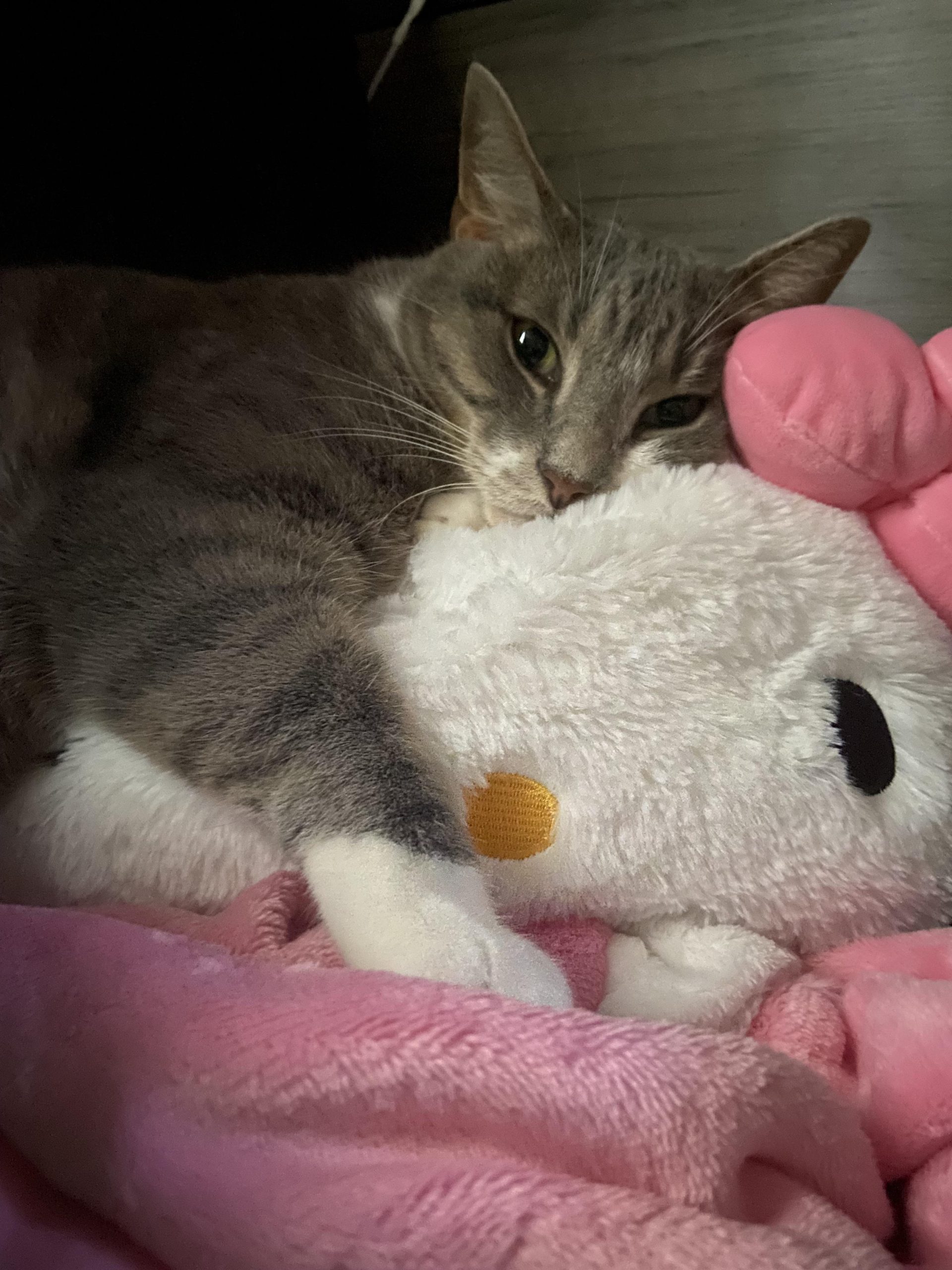
Have you ever watched your cat chase a toy mouse or bat at a feather wand and wondered, “Does my cat really know these toys aren’t real?” It’s a question that puzzles many cat owners like you. Understanding what your furry friend thinks about their toys can change the way you play and bond with them.
Keep reading, because uncovering this secret will help you connect with your cat on a whole new level and make playtime more fun for both of you.

Credit: www.amazon.ca
Cat Play Behavior
Cats love to play. Play is not just fun for them. It helps them practice skills they need to survive. Watching a cat play shows us how deep their instincts run. Even with toys that are not real, cats show strong interest. Their play behavior tells us much about how they see their world.
Instincts Behind Play
Play taps into a cat’s natural hunting instincts. Cats are born hunters. They use play to sharpen these skills. Stalking, pouncing, and chasing are all part of their play. Even indoor cats keep these behaviors alive. Toys mimic the movements of prey, keeping instincts active.
Hunting Simulation
Toys act like pretend prey for cats. This simulation helps cats practice hunting safely. They chase feather wands, bat at balls, and stalk laser dots. These actions mirror real hunting steps. The movement of toys triggers hunting responses. Cats often focus intensely, as if hunting real animals.
Role Of Curiosity
Curiosity drives cats to explore toys deeply. They sniff, paw, and bite new objects. This investigation helps them learn about their environment. Toys offer new shapes, textures, and sounds. Curiosity keeps cats engaged and mentally sharp. It also makes play an exciting adventure.
Credit: www.theguardian.com
Perception Of Toys
Understanding how cats perceive their toys can change the way you choose and use them. Cats don’t see toys the same way humans do. To them, toys are more than just colorful objects—they engage their senses and instincts in unique ways.
Sensory Cues Cats Use
Cats rely heavily on their senses to interpret the world around them. Sight, sound, touch, and smell all play a part when they interact with toys. Your cat might ignore a toy that lacks sensory appeal, but come alive around one that mimics real prey.
Think about the last time your cat suddenly pounced on a feather wand. That quick movement combined with the rustling sound grabbed their attention immediately. It’s their sensory system kicking into hunting mode.
Movement And Texture
Movement is a key factor in convincing your cat that a toy is worth chasing. Toys that wiggle, flutter, or bounce simulate the unpredictable actions of prey. This triggers your cat’s natural hunting instincts.
Texture also matters. A soft, furry toy might feel closer to a small animal, while a smooth plastic ball appeals differently. Have you noticed how your cat might bat around a crinkly toy but ignore a hard plastic one? That’s texture guiding their interest.
Scent And Familiarity
Scent is often overlooked but extremely important to cats. Toys that carry familiar or enticing smells can hold your cat’s attention longer. You can even add catnip or rub a bit of your cat’s own scent on a toy to increase its appeal.
Familiarity also helps. A toy your cat has played with before becomes part of their safe environment. They recognize it as something fun and non-threatening, making them more likely to engage with it repeatedly.
Do Cats Recognize Toys As Fake?
Ever wondered if your cat truly understands that their toys aren’t real? This question puzzles many cat owners who watch their feline friends pounce, chase, and bite at colorful feathers or small balls. Do cats recognize these playthings as fake, or do they genuinely believe they’re hunting live prey?
Cognitive Awareness In Cats
Cats have sharp minds and keen senses, but their cognitive awareness about toys is quite different from humans’. They rely heavily on instinct rather than conscious thought when interacting with objects.
While cats may not “think” about toys as fake in the way you do, they do distinguish between objects that move unpredictably and those that don’t. Your cat’s brain processes movement, texture, and scent, helping them decide whether to engage playfully or ignore.
Have you noticed how your cat sometimes loses interest in a toy that doesn’t move realistically? This suggests they recognize a lack of authenticity, even if they don’t label it as “fake.”
Difference Between Real Prey And Toys
Real prey behaves with unpredictable movements, scents, and sounds—key triggers for a cat’s hunting instincts. Toys, on the other hand, offer repetitive patterns or artificial textures that don’t fully mimic living creatures.
When your cat chases a laser pointer or a feather wand, they’re responding to certain stimuli but also quickly learn the limits of these toys. The absence of scent or the inability to “catch” something tangible often leads to less intense engagement.
Think about it this way: your cat’s play is a simulation of hunting, designed to satisfy their natural urges safely. The difference lies in the sensory feedback they receive during these interactions.
Evidence From Cat Owners And Experts
Many cat owners report that their pets show clear signs of recognizing toys as different from real prey. Cats often switch from intense stalking to casual batting or ignore toys altogether after a while.
Experts confirm that cats don’t confuse toys for actual prey but use them as tools for mental and physical exercise. This understanding helps explain why rotating toys or adding new scents keeps your cat interested.
- Veterinarians suggest introducing toys that mimic prey behavior more closely, such as those with erratic movements.
- Behaviorists emphasize that interactive play strengthens your bond and stimulates your cat’s brain.
What do you think your cat is really experiencing during playtime? Observing their reactions closely might reveal more about their understanding than you expect.

Credit: www.amazon.com
Why Cats Love Toys
Cats have a natural curiosity and playful spirit. Toys play a big role in their lives. They mimic prey and engage cats in various activities. These toys fulfill a cat’s instinctual needs and bring joy.
Mental Stimulation
Toys challenge a cat’s mind. They mimic hunting scenarios and spark curiosity. Puzzle toys, for example, require problem-solving skills. These keep a cat’s brain active and sharp. Mental stimulation is essential for a cat’s well-being.
Physical Exercise
Cats need regular exercise to stay healthy. Toys encourage them to move and pounce. Wand toys, balls, and feathers make them leap and run. This activity helps maintain a cat’s weight and muscle tone. It also prevents boredom and laziness.
Stress Relief
Stress can affect cats negatively. Toys provide an outlet for pent-up energy. They help reduce anxiety and promote relaxation. Interactive playtime strengthens the bond between cat and owner. This connection brings comfort to both.
Choosing The Right Toys
Choosing the right toys for your cat can make a huge difference in how engaged and active they stay. Toys aren’t just about fun—they also keep your cat’s mind sharp and their body healthy. But with so many options, how do you pick toys that are safe, enjoyable, and suitable for your furry friend?
Materials And Safety
Always check what materials the toy is made from. Cats often chew and paw at their toys, so non-toxic, durable materials are essential. Avoid toys with small parts that can break off and become choking hazards.
Natural fibers like cotton or wool tend to be safer and more pleasant for cats to bite and claw. Plastic toys can be fun but look for ones that are BPA-free and sturdy enough to withstand rough play. Your cat’s safety should be the priority—would you let your cat play with something you wouldn’t put near your own mouth?
Types Of Toys Cats Prefer
Some cats love chasing feathers, while others enjoy batting at small balls. Most cats enjoy toys that mimic prey, like those with feathers, strings, or small moving parts. Toys that move or make noise can grab their attention quickly.
Interactive toys, like laser pointers or motorized mice, can stimulate a cat’s hunting instincts. However, keep an eye on your cat’s preferences—your cat might surprise you by choosing a simple crumpled paper ball over an expensive gadget.
Diy Vs Store-bought Options
Making your own cat toys can be rewarding and budget-friendly. Simple items like cardboard boxes, paper bags, or homemade sock toys often become favorites. DIY toys let you customize size and texture to suit your cat’s unique tastes.
Store-bought toys usually come with added durability and safety guarantees, but they can be pricey. Combining both options can keep your cat entertained and save money. Have you noticed your cat prefers homemade toys over store-bought ones? Trying both can reveal what excites your cat the most.
Tips For Interactive Play
Interactive play is essential for keeping your cat both mentally sharp and physically active. It helps bridge the gap between their natural instincts and indoor life. Engaging in thoughtful play sessions can make your cat see toys not just as fake objects, but as exciting challenges.
Engaging Your Cat Effectively
Use toys that move unpredictably to catch your cat’s attention. Feather wands and laser pointers work well because they mimic the erratic movements of prey. Try changing the speed and direction to keep your cat guessing and excited.
Watch your cat’s reactions closely. If they lose interest quickly, switch to a different toy or change the play style. Your cat’s body language can tell you what excites them the most.
Encouraging Natural Hunting Skills
Let your cat stalk, chase, and pounce during playtime. Toys that allow hiding or require effort to “catch” are perfect. Puzzle feeders or toys that release treats when batted add a rewarding challenge that taps into hunting instincts.
Think about how a cat hunts in the wild — quiet, patient, and then sudden bursts of energy. Mimic this rhythm to make play more satisfying and realistic for your furry friend.
Avoiding Boredom
Rotate toys regularly to prevent your cat from getting bored. Leaving the same toys out every day might make them less interesting. Try hiding some toys and bringing them back after a few days for a fresh surprise.
Mix solo play toys with interactive ones that involve you. Cats often crave both independent stimulation and quality time with their humans. How often do you change your cat’s play routine to keep things exciting?
Frequently Asked Questions
Do Cats Realize Toys Are Not Real Prey?
Cats instinctively know toys are not alive but enjoy the hunt. Toys stimulate their natural hunting behavior safely.
Why Do Cats Play Aggressively With Fake Toys?
Cats treat toys as prey to practice hunting skills. Play helps them stay active and mentally sharp.
Can Cats Get Bored Of Fake Toys?
Yes, cats may lose interest if toys lack novelty. Rotating toys keeps playtime exciting and engaging for them.
How Do Cats React To Moving Toys?
Moving toys mimic prey, triggering cats’ chase instincts. This interaction provides mental and physical stimulation.
Conclusion
Cats react to toys with curiosity and playfulness. They may not fully understand that toys are fake. Instead, they focus on movement and texture. Toys help cats practice hunting skills in a safe way. Watching your cat play can be fun and rewarding.
Providing toys keeps cats active and happy every day. It also helps reduce boredom and stress. So, toys matter a lot in a cat’s life. Keep offering a variety to see what excites them most. Playtime strengthens your bond with your furry friend.



Leave a Reply