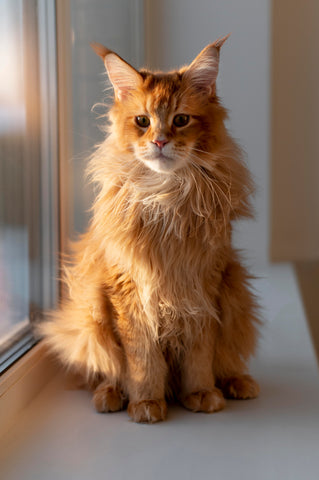
Have you noticed your cat spending extra time licking and cleaning itself as the days get warmer? You might be wondering, “Do cats groom more in spring?” Understanding this behavior can help you keep your furry friend comfortable and healthy.
You’ll discover why spring triggers more grooming, what it means for your cat’s well-being, and simple ways you can support them during this seasonal change. Keep reading to learn the surprising reasons behind your cat’s springtime self-care routine!
Seasonal Grooming Patterns
Seasonal changes affect your cat’s grooming habits more than you might think. As the weather shifts, so does the amount of fur your cat sheds and how often they feel the need to clean themselves. Understanding these patterns can help you support your feline friend better throughout the year.
Grooming Frequency Changes
Many cat owners notice their pets grooming more often in spring. This increase is mainly due to shedding their winter coat. Cats tend to lick themselves more to remove loose hair and prevent mats.
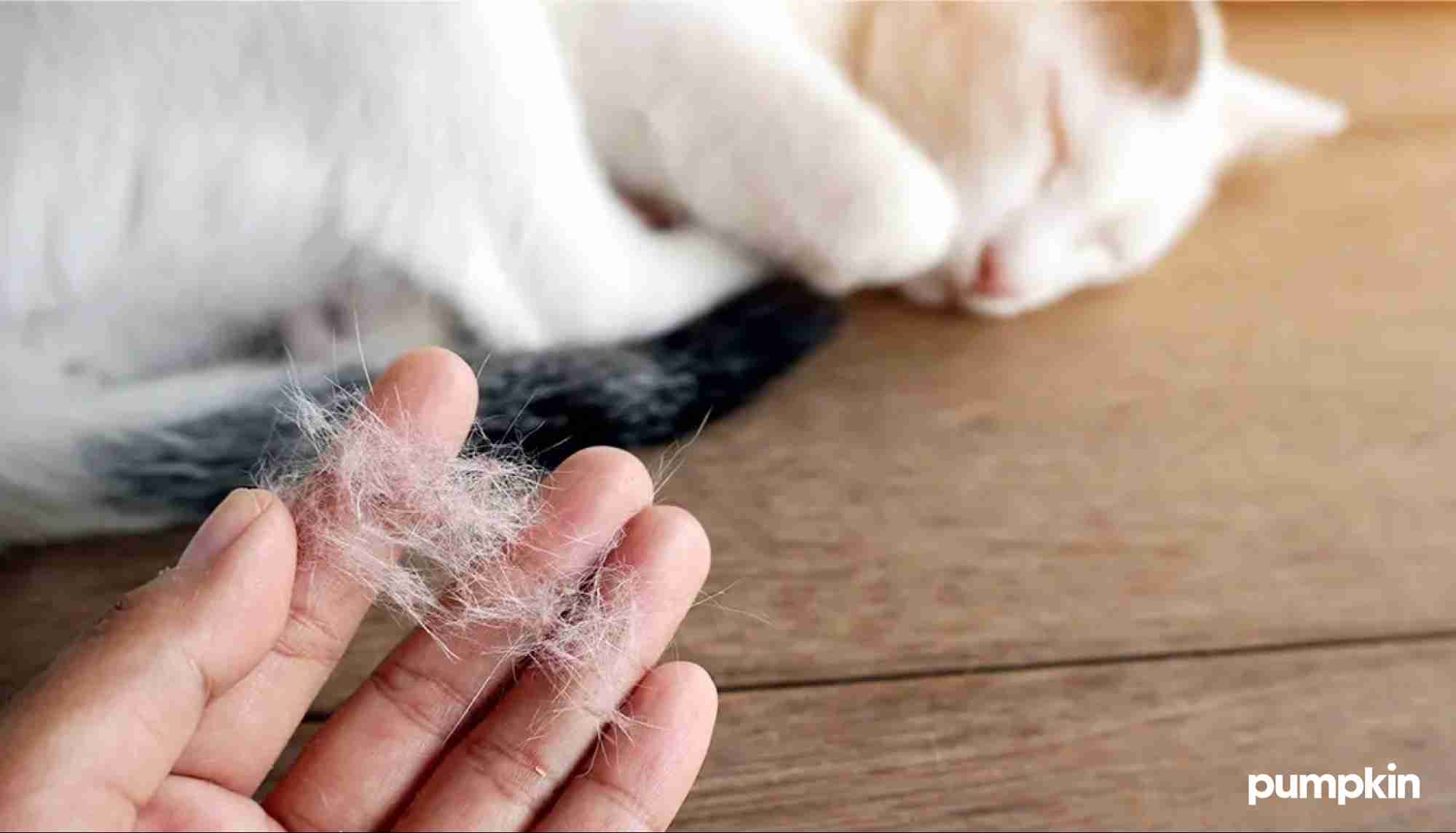
You might see your cat spending extra time cleaning their legs, belly, and tail during this season. This behavior helps them stay comfortable as their thick winter fur falls out. Have you ever found clumps of fur around the house during spring? That’s a sign your cat’s grooming routine has picked up.
Impact Of Temperature On Behavior
Warmer temperatures in spring encourage cats to groom more actively. Heat makes their fur trap more moisture and dirt, so they need to keep clean to stay cool. Grooming also helps them regulate body temperature by spreading natural oils evenly.
In contrast, colder months often see less grooming because cats grow thicker coats and don’t shed as much. You might notice your cat relaxing more and grooming less in winter. How does your cat behave on chilly days versus warm spring afternoons? Observing this can give you clues about their grooming needs.
Shedding And Coat Maintenance
Shedding and coat maintenance are key parts of your cat’s seasonal changes. As spring arrives, you might notice more fur around your home and on your clothes. This increase in shedding is not just a random event but a natural process tied closely to your cat’s health and comfort.
Spring Shedding Explained
During spring, cats shed their thick winter coats to prepare for warmer weather. This shedding helps them stay cool and prevents overheating. You may see clumps of loose fur in places your cat frequents, which is a sign that their body is adjusting to the changing season.
Have you ever wondered why some cats shed more than others? It often depends on their breed, health, and indoor or outdoor lifestyle. Long-haired cats, for example, tend to shed more noticeably as they lose dense undercoats.
Role Of Grooming In Fur Renewal
Grooming plays a crucial role during this shedding phase. When your cat licks and cleans itself, it removes loose fur and stimulates new hair growth. Grooming also helps distribute natural oils, keeping the coat shiny and healthy.
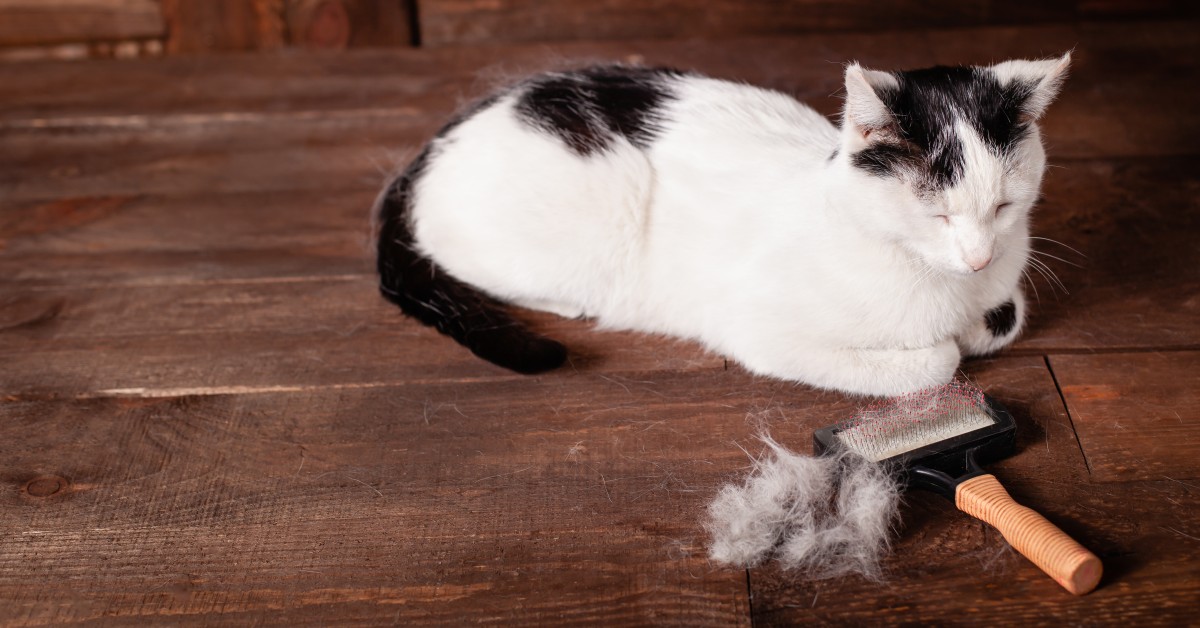
You can support this process by brushing your cat regularly. It not only reduces the amount of fur around your home but also prevents hairballs and skin problems. Have you tried different brushes to find which one your cat prefers?
- Use a de-shedding tool for thick coats
- Choose a soft brush for sensitive skin
- Brush in the direction of hair growth
Regular grooming can turn shedding from a nuisance into a bonding activity with your pet. Does your cat enjoy the extra attention during grooming sessions?
Hormonal Influences
Cats’ grooming habits change with the seasons. One key reason is hormonal influences. Hormones control many behaviors in cats. These chemical messengers react to changes in light and temperature. Spring brings longer days and warmer weather. These changes trigger shifts in hormone levels. These shifts affect how often cats groom themselves.
Hormone Fluctuations In Spring
Spring causes cats’ bodies to produce more hormones. Increased daylight affects the pineal gland. This gland controls melatonin, the sleep hormone. Melatonin levels drop as days get longer. Lower melatonin signals other hormones to rise. For example, sex hormones like estrogen and testosterone increase. These hormones prepare cats for mating season. They also influence energy and activity levels.
Effects On Grooming Habits
Higher hormone levels make cats more active. Active cats need to clean themselves more. Grooming helps remove loose fur from winter coats. It also spreads natural oils on the skin. These oils keep fur shiny and healthy. Hormones can also trigger stress or excitement. Cats may groom more to calm themselves. Increased grooming removes dirt and parasites picked up outdoors.

Credit: www.doppelherz.com
Environmental Triggers
Cats often groom more in spring due to environmental changes. As the world awakens, several factors influence this behavior. These environmental triggers can affect your cat’s grooming habits.
Allergens And Irritants
Spring brings new allergens that can irritate your cat’s skin. Pollen and dust levels rise. Cats may groom more to soothe itching caused by these allergens. Frequent grooming helps remove irritants from their fur.
Outdoor Activity And Dirt Accumulation
Warmer weather encourages cats to explore outside more. Increased outdoor activity leads to more dirt and debris collecting in their fur. Cats groom more to clean themselves after outdoor adventures. This helps maintain their coat’s cleanliness and health.
Health And Well-being
Understanding your cat’s grooming habits is key to supporting their health and well-being, especially during spring. Grooming is more than just keeping fur clean; it plays a vital role in your cat’s physical and emotional state. Have you noticed your cat spending extra time licking their coat as the seasons change?
Stress Reduction Through Grooming
Grooming acts as a natural stress reliever for cats. When your cat licks themselves, it releases endorphins, which help calm their mind. If your cat seems anxious or restless, increased grooming might be their way of coping.
Think about times when your cat faced changes—like moving to a new home or meeting new pets—and how they groomed more than usual. This behavior helps them feel secure and relaxed. You can support this by providing a quiet, safe space for your cat during stressful periods.
Detecting Skin Issues Early
Regular grooming gives your cat a chance to check their skin for problems, often catching issues before they worsen. As you observe your cat’s grooming patterns, you might spot signs like excessive licking, bald patches, or redness.
Pay attention if your cat suddenly grooms a specific area more than others. It could indicate discomfort from allergies, parasites, or infections. Early detection means you can consult your vet sooner, preventing more serious health problems.
Credit: www.pumpkin.care
Owner’s Role In Spring Grooming
Spring brings more than just warmer weather; it also signals a shift in your cat’s grooming needs. As your feline friend sheds their winter coat, your role becomes crucial in making this transition smooth and comfortable. Paying close attention to their grooming habits can prevent issues like matting or skin irritation, keeping your cat happy and healthy throughout the season.
Brushing Tips For Seasonal Shedding
Regular brushing is essential during spring to manage the increased shedding. Use a brush suited to your cat’s fur type—slicker brushes work well for long-haired cats, while rubber brushes are great for short-haired breeds.
Brush gently but thoroughly, aiming for at least three sessions per week. This helps remove loose fur and reduces hairballs. Have you noticed your cat avoiding brush time? Try making it a calm, rewarding experience with treats or soft praise.
- Start brushing in a quiet area to keep your cat relaxed.
- Focus on common shedding spots like the back, neck, and tail.
- Check for any skin redness or bumps during grooming.
Monitoring Changes In Grooming
Observe if your cat’s grooming habits change—excessive licking or avoiding grooming can signal health problems. Cats often groom less if they have arthritis or dental pain, which can get worse as the weather changes.
Keep an eye on their coat’s condition too. Dull or patchy fur may mean your cat needs a vet checkup. Have you caught your cat skipping their usual grooming routine lately? That could be a sign to step in and offer extra care or consult your vet.
Credit: www.petassure.com
Frequently Asked Questions
Why Do Cats Groom More In Spring?
Cats groom more in spring due to shedding their winter coat. Increased grooming helps remove loose fur and dirt. Warmer weather triggers this behavior. It keeps their coat clean and healthy during seasonal changes.
Does Spring Affect Cat Grooming Frequency?
Yes, spring increases cat grooming frequency. Cats shed more in spring, requiring extra grooming to manage loose fur. This natural process helps maintain their skin health and prevents hairballs.
How Does Shedding Impact Cat Grooming In Spring?
Shedding causes cats to groom more to remove dead hair. This reduces matting and skin irritation. Grooming also spreads natural oils, keeping fur smooth and shiny during spring.
Can Spring Allergies Make Cats Groom Excessively?
Yes, spring allergies can cause cats to groom excessively. Allergens like pollen irritate their skin. Excessive grooming helps relieve itching but may lead to hair loss if severe.
Conclusion
Cats tend to groom more during spring because they shed old fur. This helps them stay cool as the weather warms up. Grooming also keeps their coat clean and healthy. You might notice your cat licking itself often in this season.
Regular brushing can help reduce loose hair around your home. Watching your cat groom can show how they feel. Healthy grooming means your cat is happy and comfortable. Keep an eye on any changes in grooming habits, as it might signal health issues.
Understanding this behavior helps you care for your cat better.

Leave a Reply