If your cat is dealing with kidney issues, you want to give them the best care possible. Choosing the right food can make a huge difference in your cat’s health and comfort.
But with so many options out there, how do you know which one truly supports renal health? This guide will help you understand what to look for in cat food that protects your cat’s kidneys and keeps them feeling their best.
Keep reading to discover the key ingredients and top choices that can make a real difference for your furry friend.
Cat Kidney Health Basics
Understanding the basics of cat kidney health is essential if you want to support your feline friend’s well-being. Kidneys play a vital role in filtering waste and balancing fluids in your cat’s body. Keeping them healthy can significantly improve your cat’s quality of life and longevity.
How Kidneys Affect Cats
Kidneys work like natural filters, removing toxins and waste from your cat’s blood. They also help regulate blood pressure and maintain the right balance of minerals and fluids. If the kidneys don’t function properly, waste builds up, which can cause serious health problems.
Think about how a clogged filter in a water system can cause damage—your cat’s body faces similar issues when kidneys fail. This is why supporting kidney function with the right diet is crucial.
Common Kidney Issues In Cats
Chronic kidney disease (CKD) is one of the most common problems cats face, especially as they age. It usually develops slowly and can be hard to spot early on. Other kidney issues include infections, kidney stones, and acute kidney injury.
Many cats show no clear signs until the disease has progressed. This makes it important for you to know what to watch for and how to act early.
Signs Of Kidney Problems
- Increased thirst and urination
- Loss of appetite or weight
- Lethargy or weakness
- Vomiting or diarrhea
- Bad breath or mouth ulcers
If your cat shows any of these signs, getting a vet checkup quickly can make a big difference. Early detection gives you more options to manage the condition and improve your cat’s comfort.
Nutritional Needs For Renal Health
Feeding a cat with kidney problems requires special attention. Their kidneys cannot filter waste as well as healthy kidneys. This means their diet must support kidney function and reduce strain. Understanding the right nutrition helps maintain your cat’s health and comfort.
Key Nutrients To Include
- Water:Keeps kidneys hydrated and helps flush toxins.
- Omega-3 Fatty Acids:Reduce inflammation and support kidney health.
- Antioxidants:Protect cells from damage and boost immunity.
- Low Sodium:Prevents high blood pressure and reduces kidney stress.
- Vitamins B and E:Support overall health and energy levels.
Ingredients To Avoid
- High Phosphorus:Causes more kidney damage over time.
- Excess Salt:Leads to dehydration and strain on kidneys.
- Artificial Additives:May irritate kidneys and reduce food quality.
- High Protein from Poor Sources:Increases waste production.
Role Of Protein And Phosphorus
Protein is important but must be controlled. Too much protein forces kidneys to work harder. Choose high-quality protein to reduce waste buildup.
Phosphorus is a mineral that can harm damaged kidneys. Limiting phosphorus slows kidney disease progress. Foods with lower phosphorus help maintain kidney function longer.
Top Cat Food Options
Choosing the right cat food for renal health is crucial for your feline friend. Cats with kidney issues need specialized diets to manage their condition effectively. Here’s a guide to help you explore the best options for their dietary needs.
Prescription Diets
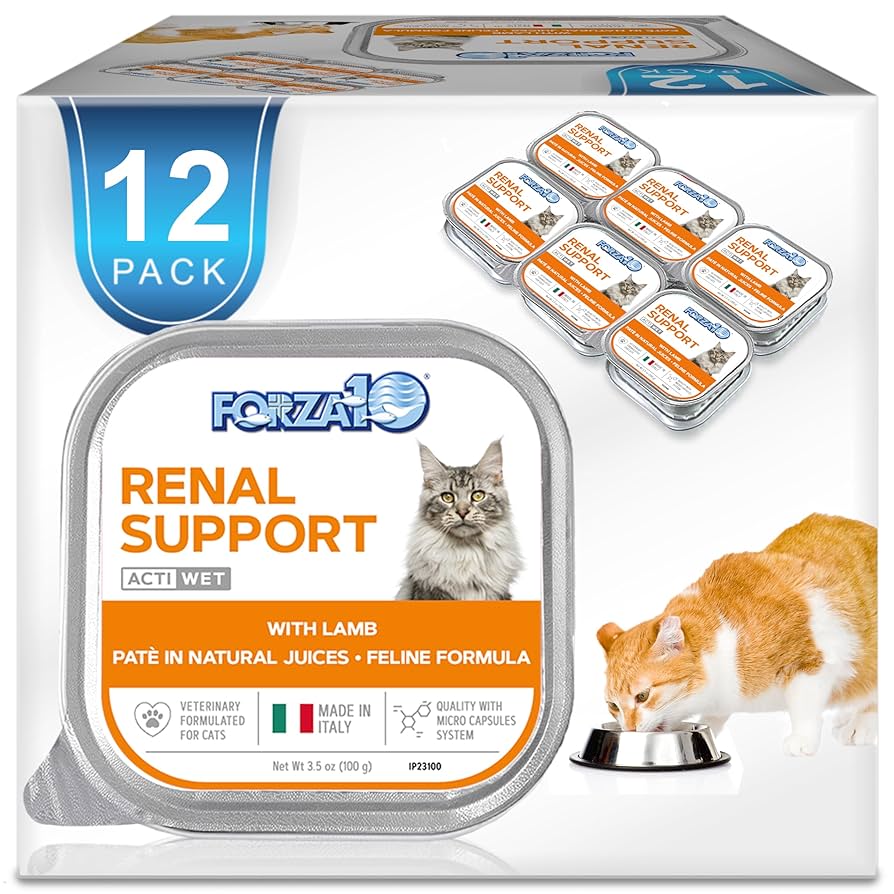
Prescription diets are specifically formulated for cats with renal issues. These diets are crafted to reduce the workload on your cat’s kidneys while providing essential nutrients. Brands like Hill’s Prescription Diet k/d and Royal Canin Renal Support offer tailored solutions.
Consulting your veterinarian before switching to a prescription diet is vital. They can recommend the right product and ensure it aligns with your cat’s health needs. Have you noticed any changes in your cat’s behavior or health after starting a prescription diet?
Grain-free Alternatives
Grain-free options can be beneficial for cats with food sensitivities or allergies. These diets focus on high-quality protein sources and exclude grains that might cause digestive issues. Brands like Blue Buffalo Wilderness and Wellness CORE offer grain-free formulas that support renal health.
Grain-free diets often include higher levels of moisture, which is beneficial for kidney health. However, not all cats require grain-free food, so always consider your cat’s specific dietary needs and consult with your vet.
Wet Vs. Dry Food
The choice between wet and dry food can significantly impact your cat’s renal health. Wet food generally contains more moisture, which is crucial for cats with kidney issues. This added hydration can help maintain kidney function and prevent further complications.
Dry food, on the other hand, is convenient and often more affordable. However, it’s essential to ensure your cat drinks enough water throughout the day. Have you noticed if your cat prefers one type over the other?
When selecting the best cat food for renal health, it’s important to consider your cat’s unique needs and preferences. Engaging with your veterinarian and observing your cat’s response to dietary changes can make a significant difference in managing their renal health effectively.

Credit: www.amazon.com
Homemade And Natural Diets
Homemade and natural diets offer a gentle way to support a cat’s kidney health. These diets allow full control over ingredients, ensuring quality and freshness. Preparing food at home helps avoid additives and preservatives found in some commercial brands. Cats with renal issues often need diets tailored to their unique needs. Natural foods can be adjusted to reduce harmful substances while keeping meals tasty.
Benefits Of Homemade Food
Homemade cat food provides several advantages for kidney health:
- Control over protein type and amount
- Reduced phosphorus levels
- Fresh ingredients without fillers
- Customizable to specific dietary needs
- Improved hydration through added moisture
This approach helps manage kidney strain and supports overall wellness.
Essential Components For Renal Support
Key nutrients play a vital role in kidney-friendly diets:
- High-quality, low-protein sources like chicken or fish
- Limited phosphorus to reduce kidney workload
- Added omega-3 fatty acids for inflammation control
- Moderate sodium to maintain blood pressure
- Balanced vitamins and minerals for health
- Plenty of water or broth for hydration
These elements protect kidney function and improve quality of life.
Consulting A Vet For Recipes
Always involve a veterinarian before changing your cat’s diet. A vet can:
- Assess your cat’s kidney condition
- Recommend safe ingredient choices
- Provide balanced recipe guidance
- Monitor health improvements or concerns
- Adjust diet as the condition changes
Professional advice ensures homemade meals meet all nutritional needs safely.
Feeding Tips For Cats With Kidney Issues
Feeding a cat with kidney issues requires careful attention and adjustments to their diet and routine. You want to support their renal health while keeping mealtime enjoyable. Small changes can make a big difference in how your cat feels every day.
Adjusting Meal Frequency
Instead of feeding one or two large meals, try offering smaller, more frequent meals throughout the day. This helps reduce the strain on your cat’s kidneys by spreading out protein intake. Many cat owners notice their pets are more energetic and comfortable with this approach.
Think about how your cat responds after meals. Do they seem sluggish or restless? Adjusting the timing and size of meals can improve their overall mood and kidney function.
Hydration Importance
Hydration is crucial for cats with kidney problems. Wet cat food is a great way to increase water intake without forcing your pet to drink more from a bowl. You can even add a little warm water to canned food to make it more appealing and easier to consume.
Consider placing multiple water bowls around your home or using a cat water fountain. These small changes encourage your cat to drink more often, which helps flush toxins and supports kidney health.
Monitoring Food Intake
Keep a close eye on how much your cat eats each day. Loss of appetite can be a sign of worsening kidney function or other health issues. You might want to keep a simple log to track their daily food consumption and note any sudden changes.
If your cat refuses food for more than a day, consult your vet immediately. Early detection of problems often leads to better outcomes, and your observations at home are invaluable to your veterinarian.
Additional Supplements And Treatments
Supporting your cat’s kidney health goes beyond just feeding the right food. Additional supplements and treatments can play a crucial role in managing renal issues effectively. Understanding these options helps you make informed decisions to improve your cat’s quality of life.
Common Supplements For Kidney Health
Many cat owners find that adding supplements can support kidney function. Omega-3 fatty acids, found in fish oil, often reduce inflammation and help maintain healthy blood flow to the kidneys.
Another popular choice is antioxidants like vitamin E and C, which protect kidney cells from damage. Phosphorus binders can also be useful, as they prevent excess phosphorus from harming the kidneys.
Have you noticed how some cats respond better to supplements than others? It’s important to monitor your pet closely and consult your vet before introducing anything new.
When To Consider Medication
Supplements alone may not be enough if your cat’s kidney disease progresses. Your vet might recommend medications to control symptoms like high blood pressure or protein loss in urine.
Medications such as ACE inhibitors or angiotensin receptor blockers are commonly prescribed to reduce kidney strain. Sometimes, appetite stimulants or anti-nausea drugs become necessary to keep your cat comfortable.
Don’t hesitate to ask your vet about the benefits and possible side effects of any medication. Timely treatment can slow disease progression and improve your cat’s daily wellbeing.
Regular Vet Checkups
Regular vet visits are essential for tracking your cat’s kidney health and adjusting treatments as needed. Blood tests and urine analysis help detect changes early, allowing you to act quickly.
Your vet can also recommend diet tweaks, supplements, or medications based on test results. Staying proactive ensures your cat gets the right care at the right time.
How often are you scheduling checkups? Keeping a consistent routine could make all the difference in managing your cat’s renal health effectively.
Choosing The Right Food For Your Cat
Choosing the right food for your cat plays a crucial role in maintaining their renal health. Cats with kidney issues need special diets to support their kidney function. The right food can slow down kidney damage and improve your cat’s quality of life.
Understanding what to look for and how to meet your cat’s unique needs makes the selection easier. Careful choices can help manage symptoms and provide balanced nutrition.
Reading Labels Effectively
Focus on protein content and quality. High-quality protein is easier on kidneys. Check for low phosphorus levels, which reduce kidney strain. Sodium should also be limited to prevent extra kidney work. Look for added omega-3 fatty acids, known to support kidney health. Avoid foods with fillers and artificial preservatives. Natural ingredients are better for sensitive cats.
Balancing Cost And Quality
Premium renal diets may cost more but offer better health benefits. Budget-friendly options exist but check their ingredient list carefully. Sometimes, mid-range foods provide good nutrition without high costs. Consider long-term savings from fewer vet visits. Avoid very cheap foods that lack key nutrients. Quality food supports kidney health and overall wellbeing.
Personalizing Diet Based On Cat’s Needs
Every cat has unique health needs and preferences. Age, weight, and kidney stage influence diet choices. Some cats need wet food for hydration; others prefer dry. Monitor how your cat reacts to new food. Consult your vet to tailor the diet properly. Adjust feeding amounts based on weight changes. Personalized diets help manage symptoms and keep cats comfortable.
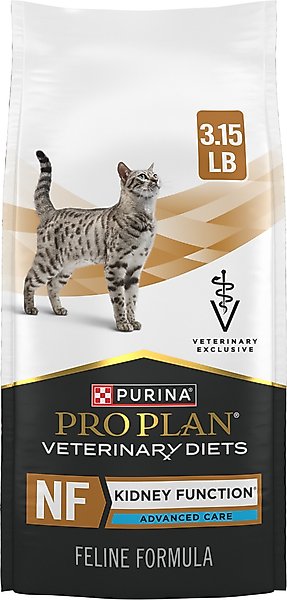
Credit: www.chewy.com

Credit: www.amazon.com
Frequently Asked Questions
What Ingredients Are Best For Cat Renal Health?
High-quality protein, low phosphorus, and controlled sodium are best for renal health. Omega-3 fatty acids and antioxidants also support kidney function. These ingredients help reduce kidney workload and inflammation, promoting better renal health in cats.
How Does Diet Affect A Cat’s Kidney Disease?
A proper diet slows kidney disease progression by reducing toxins. It controls protein, phosphorus, and sodium levels, easing kidney strain. Balanced nutrition helps maintain hydration and overall health, improving a cat’s quality of life with kidney issues.
Can Wet Cat Food Benefit Kidney Health?
Yes, wet cat food increases hydration, which supports kidney function. It usually contains lower phosphorus and protein, beneficial for renal health. Wet food also helps manage electrolyte balance, reducing stress on damaged kidneys in cats.
Are Prescription Cat Foods Better For Kidney Health?
Prescription cat foods are specially formulated to support kidney health. They contain controlled protein, low phosphorus, and added supplements like omega-3s. Vets recommend them to manage chronic kidney disease effectively and improve cats’ renal health and longevity.
Conclusion
Choosing the right cat food supports kidney health well. Cats with renal issues need food low in protein and phosphorus. Wet food often helps keep cats hydrated and healthy. Always check ingredient labels carefully for quality and safety. Consult your vet for the best diet plan.
Small changes can make a big difference in your cat’s life. Healthy kidneys mean a happier, more active cat. Keep learning and caring for your feline friend every day.


Leave a Reply