Are you wondering when your playful kitten can start eating adult cat food? It’s a common question for every cat owner who wants the best for their furry friend.
Feeding your kitten the right food at the right time is crucial for their growth, health, and happiness. But making the switch too early or too late can cause problems you want to avoid. You’ll discover the exact signs to look for and expert tips to help your kitten thrive.
Keep reading to learn how to give your kitten the perfect start on their journey to a strong, healthy adult cat.
Kitten Growth Stages
Understanding your kitten’s growth stages helps you decide the best time to switch their diet. Kittens don’t grow at a steady pace; their nutritional needs change rapidly as they develop. Paying attention to these stages ensures your kitten gets the right food to support healthy growth and energy.
Newborn To Weaning
During the first few weeks, kittens rely entirely on their mother’s milk for nutrition. This milk provides essential antibodies and nutrients that help build their immune system. At about four weeks, kittens start showing interest in solid food, but they still need milk for most of their nutrition.
You might notice your kitten nibbling on soft food around this time. It’s important to offer a high-quality kitten formula or wet food that’s easy to digest. This stage sets the foundation for their digestive system, so patience and careful monitoring are key.
Weaning To 6 Months
After weaning, kittens gradually eat more solid food and less milk. Their energy needs increase dramatically because they’re growing fast and exploring their environment. Feeding a diet rich in protein, fats, and essential vitamins supports muscle development and overall health.
Switching to a balanced kitten food during this period is crucial. You might wonder if your kitten can handle adult cat food yet, but it’s best to wait. Adult food often lacks the higher nutrient levels kittens require to thrive.
6 Months To One Year
By six months, many kittens start to resemble small adults, but their bodies are still maturing. This stage is a good time to consider transitioning to adult cat food. However, the switch should be gradual, mixing adult and kitten food to avoid digestive upset.
Ask yourself: is your kitten active, healthy, and maintaining a good weight? If yes, they’re likely ready for adult food soon. Keep in mind that some larger breeds may benefit from kitten food for longer, so adjust based on your kitten’s breed and growth pace.
Nutritional Needs Of Kittens
Kittens have special dietary needs that differ from adult cats. Their bodies grow quickly and require more energy. Proper nutrition supports healthy bones, muscles, and brain development. Feeding the right food helps kittens reach their full potential. Understanding these needs is key to choosing the best diet.
Key Nutrients For Growth
Kittens need more than just calories. They require specific nutrients to build strong bodies. Essential nutrients include:
- Protein for muscle and tissue development
- Fat for energy and brain growth
- Calcium and phosphorus for strong bones
- Vitamins and minerals to support overall health
- Taurine, an important amino acid for heart and eye health
These nutrients work together to help kittens grow fast and stay healthy.
Differences From Adult Cat Diet
Kittens eat differently than adult cats. They need more calories per pound of body weight. Their food must be richer in protein and fat. Adult cat food usually lacks enough nutrients for growing kittens. Kittens also need smaller, more frequent meals. Feeding adult food too early can cause nutrient gaps.
Importance Of Protein And Fat
Protein is the building block of kitten muscles and organs. It helps repair and grow tissues. Fat provides concentrated energy and supports brain development. Without enough fat, kittens may lack energy and have dull coats. Both protein and fat are vital for a kitten’s health and growth.
Signs Your Kitten Is Ready
Knowing when your kitten is ready for adult cat food is key to their health. Watch for clear signs before making the switch. These signs often show in behavior, body growth, and eating habits. Recognizing them helps you feed your kitten the right food at the right time.
Behavioral Indicators
- Your kitten starts exploring solid food with curiosity.
- They show less interest in nursing or milk.
- Playfulness increases, showing more energy and strength.
- They try to eat the same food as older cats.
Physical Development Milestones
- Teeth are fully developed and strong enough to chew.
- Weight has roughly doubled from birth weight.
- Body size looks more like a small adult cat.
- Muscle tone improves, showing readiness for tougher food.
Appetite Changes
- Kitten demands more food at each meal.
- Shows interest in dry kibble or wet adult cat food.
- Eats more frequently and finishes meals quickly.
- Begins to refuse milk or formula, favoring solid food.

Credit: www.petscare.com
Transitioning To Adult Food
Kittens can start eating adult cat food at about one year old. Gradually mix adult food with kitten food to help them adjust. Watch for any digestive issues during the transition period.
Transitioning to Adult Food As kittens grow, their dietary needs change. Proper nutrition is crucial for healthy development. Adult cat food offers different nutrients than kitten food. Understanding when and how to transition is key.When To Start Mixing Foods
Begin transitioning at around 8 to 12 months. This age marks maturity for most breeds. Start by mixing a small amount of adult food with kitten food. Gradually increase the adult food portion.Gradual Food Change Tips
Switching foods slowly helps avoid stomach upset. Follow these steps:- Mix 75% kitten food with 25% adult food for the first few days.
- Increase to 50% of each for another few days.
- Then, mix 25% kitten food with 75% adult food.
- Finally, transition to 100% adult food.
Avoiding Digestive Issues
Digestive problems can arise from rapid dietary changes. Watch for signs like diarrhea or vomiting. Slow transitions reduce the risk of these issues. Ensure your kitten drinks enough water. Hydration helps in digestion and nutrient absorption.Choosing The Right Adult Cat Food
Choosing the right adult cat food is important for your kitten’s health as they grow. Adult cat food has different nutrients than kitten food. It supports their energy needs and maintains good health. Picking the right food helps your cat stay strong and happy.
Reading Labels
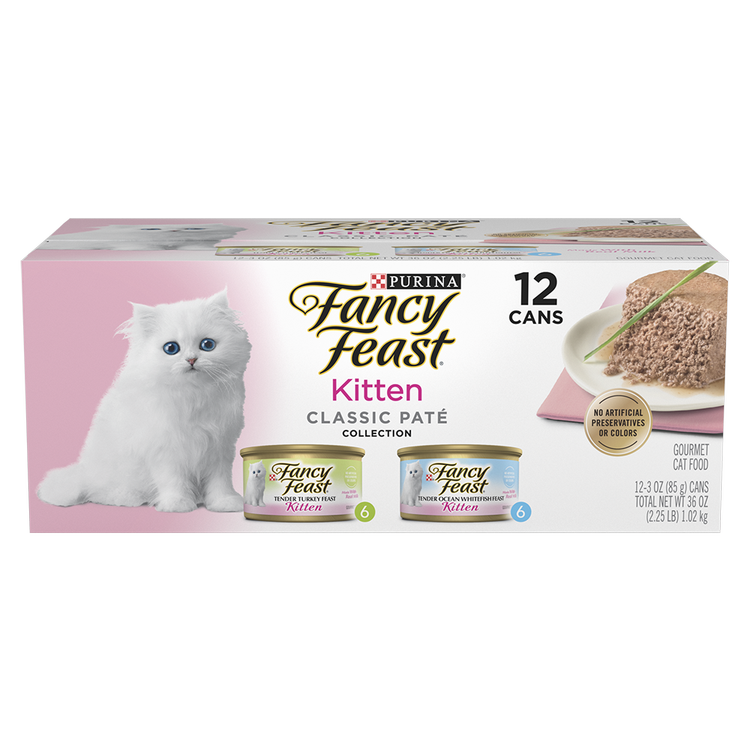
Always check the label on cat food packages. Look for the life stage, such as “adult” or “all life stages.” This tells you if the food suits your growing cat. Check the guaranteed analysis to see protein, fat, and fiber amounts. Higher protein is better for cats.
Ingredients To Look For
Choose food with real meat listed first, like chicken or fish. Cats need animal protein to stay healthy. Look for added vitamins and minerals like taurine, which supports the heart and eyes. Whole grains and vegetables can provide fiber and nutrients too.
Avoiding Harmful Additives
Stay away from foods with artificial colors and flavors. These can cause allergies or upset stomachs. Avoid foods with too many fillers like corn or wheat. Also, steer clear of preservatives such as BHA, BHT, and ethoxyquin. Natural preservatives are safer for your cat.
Credit: www.purina.com
Monitoring Health During Transition
Transitioning your kitten to adult cat food is a big step that needs close attention. Monitoring your kitten’s health during this change helps you catch any issues early. It also ensures your furry friend stays happy and strong throughout the switch.
Weight Tracking
Keep a close eye on your kitten’s weight as you introduce adult food. Sudden weight loss or gain can signal problems with digestion or nutrient absorption. Weigh your kitten weekly and jot down the numbers to spot trends.
If you notice your kitten is losing weight, it might mean the new food isn’t agreeing with them. On the other hand, unexpected weight gain could lead to health issues later. Are you ready to adjust the diet if the scale tells a different story?
Energy Levels
Your kitten’s energy is a clear sign of how well the new food is working. Watch for changes in playfulness, activity, and rest patterns. If your kitten seems lethargic or unusually hyper, it may be time to reevaluate the diet.
Energy dips can be subtle, like less interest in toys or shorter bursts of play. Don’t ignore these signs—they can hint at nutritional gaps. How often do you check in on your kitten’s mood and behavior during mealtime?
Veterinary Check-ups
Regular vet visits are essential while switching to adult cat food. Your vet can assess your kitten’s overall health and address any concerns quickly. They might suggest blood tests or stool exams to ensure the diet change isn’t causing hidden issues.
Use these appointments to ask questions about your kitten’s growth and nutritional needs. A professional’s advice can make all the difference in a smooth transition. Have you scheduled your kitten’s check-up during this critical time?
Common Mistakes To Avoid
Knowing when to switch your kitten to adult cat food is important, but avoiding common mistakes is just as crucial. Mistakes can cause digestive issues, nutrient gaps, or even food refusal. Let’s look at some pitfalls you can easily avoid to keep your kitten healthy and happy.
Switching Too Early
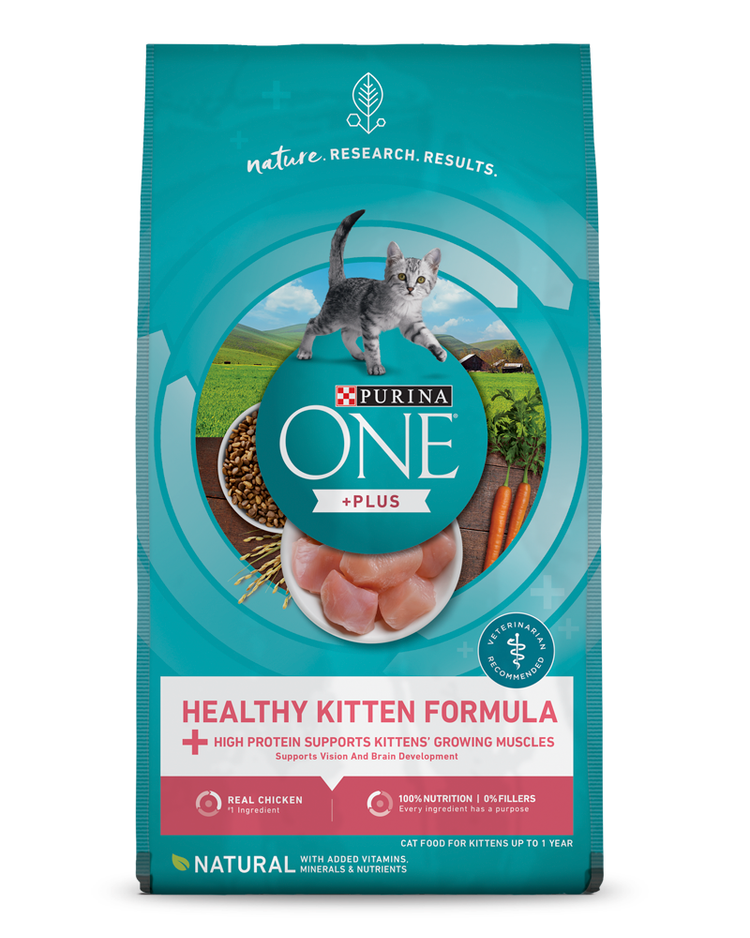
Kittens need nutrient-rich food that supports their rapid growth, so switching to adult food too soon can stunt their development. Many pet owners make the mistake of moving to adult food around four months, but most kittens should stay on kitten food until at least 12 months old.
If you switch too early, your kitten might miss out on essential nutrients like higher protein and fat content. Have you noticed your kitten acting lethargic or losing weight after switching? That could be a sign the food isn’t meeting their needs yet.
Abrupt Diet Changes
Changing your kitten’s diet suddenly can lead to upset stomachs, vomiting, or diarrhea. Your kitten’s digestive system needs time to adjust to new food textures and ingredients.
Instead, try mixing a small amount of adult food with their kitten food over a week or two. Gradual transitions help your kitten accept the new food without stress. Have you tried slow transitions with your kitten’s diet before? How did it go?
Ignoring Kitten’s Preferences
Some kittens are picky eaters and may refuse adult food if you ignore their tastes and preferences. Texture, flavor, and even temperature can impact whether your kitten accepts the new food.
Pay attention to what your kitten likes and dislikes. If they prefer wet over dry food, or a particular flavor, try to find adult options that match. You want to encourage eating, not force it.
Have you noticed your kitten favoring certain flavors or textures? Adjusting the food to fit their preferences can make the transition smoother and more successful.
Credit: www.purina.com
Frequently Asked Questions
When Can Kittens Start Eating Adult Cat Food?
Kittens can start eating adult cat food around 12 months old. Before this, kitten food supports their rapid growth and nutrient needs. Transition gradually to adult food to avoid digestive issues.
Why Switch Kittens To Adult Cat Food?
Adult cat food has balanced nutrients for mature cats. It supports weight maintenance and prevents obesity. Kittens require higher protein and fat, so switching too early may affect growth.
How To Transition Kittens To Adult Cat Food?
Mix adult food with kitten food gradually over 7-10 days. Increase adult food proportion daily while reducing kitten food. This helps kittens adjust without stomach upset.
What Signs Show A Kitten Is Ready For Adult Food?
Look for slower growth and less playful behavior around 10-12 months. Healthy teeth and stable weight also indicate readiness. Consult your vet to confirm the best time.
Conclusion
Kittens grow fast and need the right food to stay healthy. Usually, they start eating adult cat food around one year old. Watch their teeth and weight to know when to switch. Mixing kitten and adult food can help during the change.
Always provide fresh water and a clean bowl. Feeding the right food supports strong bones and energy. Your kitten will thank you with happy purring and play. Keep learning about their needs for a healthy, happy cat.



Leave a Reply