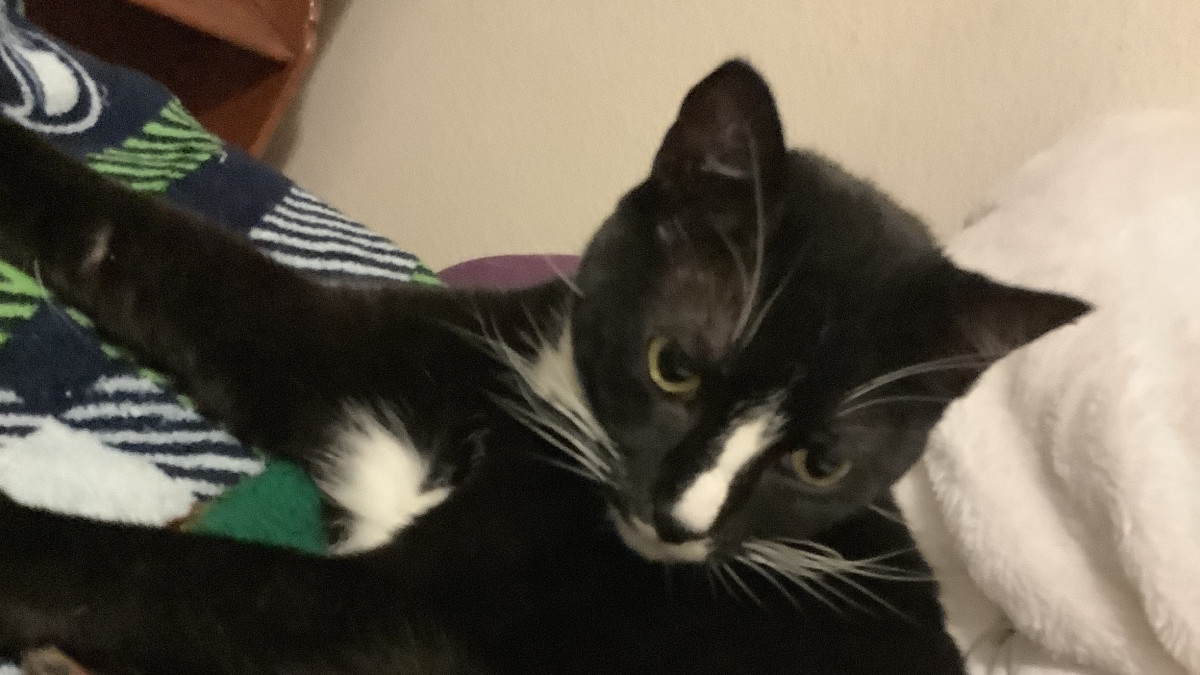
Have you ever caught your cat humping their favorite toy and wondered why? It might seem strange or even funny, but there’s more to this behavior than meets the eye.
If you’re curious about what’s driving your furry friend to act this way, you’re not alone. Understanding why cats hump their toys can help you connect better with your pet and know when it’s just play or something to watch out for.
Keep reading, because the answers might surprise you—and they could change the way you see your cat’s quirky habits.

Credit: www.kittyhelpdesk.com
Why Cats Hump Toys
Have you ever noticed your cat humping a toy and wondered why they do that? This behavior might seem odd or embarrassing, but it actually has several explanations rooted in your cat’s natural instincts and emotions. Understanding why cats hump their toys can help you better respond to your pet’s needs and create a happier environment for both of you.
Instinctual Behavior
Cats often hump toys because it taps into their natural instincts. This action mimics mating behavior, which is deeply wired into their brains. Even neutered or spayed cats might show this behavior because the instinct remains, regardless of their reproductive status.
Think about it: your cat is engaging in a behavior that once helped their ancestors pass on their genes. While it might seem strange now, it’s simply a natural expression of their biology.
Sexual Drive
Sexual drive plays a big role in why cats hump toys, especially if they haven’t been spayed or neutered. Hormones can trigger this urge, making toys convenient stand-ins for real partners. This is why you might notice more humping before your cat’s heat cycle or if they are feeling particularly frisky.
If your cat’s behavior seems excessive, it could be a sign that they need attention or medical care. Neutering or spaying often reduces this urge and helps keep your cat calmer.
Play And Exploration
Sometimes, humping is just part of how cats play and explore their world. Toys are often targets for practice hunting or dominance behaviors. Your cat might hump a stuffed mouse or a plush toy as a way to “win” over their prey during playtime.
Have you noticed your cat switching between humping, biting, and kicking toys? This sequence is a classic play ritual that helps them release energy and sharpen their skills.
Stress And Anxiety
Stress and anxiety can also cause cats to hump their toys. This behavior might serve as a coping mechanism to relieve tension or boredom. If your cat humping seems sudden or linked to changes in their environment, stress could be the cause.
Try to observe when your cat humps toys—is it after loud noises, new visitors, or changes in routine? Offering extra playtime, safe spaces, or calming products can help ease their anxiety and reduce this behavior.
When Humping Is Normal
Humping is a common behavior in cats that can puzzle many owners. Understanding when this behavior is normal helps reduce worry. Cats use humping for several natural reasons related to age, hormones, and play. Recognizing these signs can guide how to respond appropriately and keep your cat happy.
Kittens Vs Adult Cats
Kittens may hump as part of exploring their bodies and feelings. This behavior is often playful and not sexual. Adult cats also hump, but for different reasons. It can be a sign of stress relief or excitement. Both kittens and adults may show this behavior without any health issues.
Unneutered Cats
Unneutered cats often hump more due to hormonal drives. This is a natural instinct linked to mating behavior. Male cats especially show this behavior before they are neutered. Neutering usually reduces or stops humping over time. It is a normal part of their development and mating instincts.
Occasional Behavior
Sometimes cats hump toys or objects just for fun or comfort. It can happen during play or when they feel relaxed. Occasional humping is not a problem unless it becomes constant. This behavior can also be a way to release extra energy. Most cats stop after a short time.
Signs Of Behavioral Issues
Noticing certain behaviors in your cat, like humping their toys, might signal more than just playful antics. These actions can sometimes hint at underlying behavioral issues that need your attention. Recognizing the signs early can help you address your cat’s needs and avoid bigger problems down the road.
Excessive Humping
Humping is normal in some situations, but when it happens too often, it might indicate stress or frustration. If your cat humps toys multiple times a day or for long periods, this could mean they are anxious or bored. Have you observed if this behavior spikes during changes at home or after stressful events?
Try redirecting their energy with interactive play or new toys to see if the frequency decreases. Sometimes, excessive humping can also point to hormonal imbalances, so a vet visit might be necessary.
Aggression And Irritability
If your cat starts showing signs of aggression or irritability alongside humping, it’s a red flag. Sudden growling, swatting, or biting can suggest they’re overwhelmed or uncomfortable. Your cat might be trying to communicate their stress, but these behaviors can quickly escalate if ignored.
Observe when the aggression occurs—is it after humping or when you try to intervene? This can help you understand the root cause and adjust your interactions accordingly.
Other Stress Indicators
Besides humping and aggression, stress in cats often shows through changes in appetite, grooming habits, or litter box use. You might notice your cat grooming excessively, which can cause bald patches, or avoiding the litter box altogether. These signs often accompany behavioral issues and shouldn’t be overlooked.
Ask yourself if there have been recent changes in your household—new pets, visitors, or renovations—that could be affecting your cat’s comfort. Addressing environmental stressors is key to helping your cat feel secure again.
How To Manage Humping
Understanding how to manage your cat’s humping behavior can be crucial for maintaining a peaceful home environment. Cats might hump their toys due to various reasons like hormonal changes, stress, or simply because they find it comforting. Whatever the cause, having a strategy in place can help address this behavior effectively.
Provide Adequate Playtime
Ensuring your cat has sufficient playtime can work wonders in managing humping behavior. Engage your feline friend with interactive toys like feather wands or laser pointers. This not only keeps them entertained but also helps burn off excess energy that might otherwise lead to humping.
Neutering And Spaying
If your cat isn’t neutered or spayed, this could be a major reason for their humping behavior. Neutering or spaying your cat can significantly reduce this behavior by balancing their hormones. Consult with your vet to see if this is a suitable option for your furry friend.
Redirecting Behavior
When you notice your cat humping a toy, try to gently redirect their attention to another activity. You might introduce a new toy or initiate a short play session. This simple intervention can help them associate humping with an interruption and gradually reduce the behavior.
Reducing Stress Factors
Cats, like humans, can display unusual behaviors when stressed. Consider what might be causing anxiety in your home environment. Is there a new pet or a change in your daily routine? Addressing these factors can help alleviate stress-induced humping.
When To See A Vet
Cats humping their toys can be normal behavior. It may show excitement or stress relief. But sometimes, this action signals a problem. Knowing when to see a vet helps keep your cat healthy. Watch for signs that suggest a visit is needed.
Persistent Behavior
If your cat humps toys every day and for long times, it may be a problem. This constant action can affect their mood and daily life. Persistent behavior might show anxiety or confusion. A vet can check for behavioral issues and give advice.
Physical Discomfort
Humping can mean your cat feels pain or discomfort. Look for other signs like licking the area or limping. Physical discomfort may come from infections or injuries. A vet exam can find the cause and provide treatment.
Underlying Medical Conditions
Sometimes humping toys links to health problems. Hormone imbalances or urinary tract infections may cause this. Cats with these conditions need medical care to feel better. A vet will run tests to find hidden issues and suggest solutions.

Credit: www.reddit.com
Credit: pethelpful.com
Frequently Asked Questions
Why Do Cats Hump Their Toys?
Cats hump toys to release built-up energy or stress. This behavior is often a form of play, dominance, or comfort. It mimics mating instincts but isn’t always sexual. Understanding this helps owners respond appropriately and ensure their cat’s well-being.
Is Humping Toys Normal Cat Behavior?
Yes, humping toys is normal for many cats. It can signal excitement, stress relief, or playfulness. If frequent or obsessive, consult a vet to rule out health issues or anxiety.
Can Neutering Stop Cats From Humping Toys?
Neutering often reduces humping behavior in cats. It lowers hormone levels, decreasing sexual urges. However, some cats may continue due to habit or stress, so behavior modification may still be needed.
Should I Be Worried If My Cat Humps Toys?
Usually, no. Humping toys is common and not harmful. But excessive behavior might indicate stress or medical problems. Monitor your cat and seek vet advice if it becomes obsessive or aggressive.
Conclusion
Cats humping their toys is normal behavior. It shows their natural instincts and feelings. Sometimes, cats do it to relieve stress or boredom. Toys become a safe way to express themselves. Watching this can help you understand your cat better.
Giving your cat plenty of playtime helps reduce this behavior. Remember, it does not mean something is wrong. Just enjoy these funny and curious moments with your pet. Your cat’s actions reflect its unique personality and mood.



Leave a Reply