
Have you ever noticed your cat licking or gently nibbling on you and wondered, “Is this just grooming, or something more?” Cats don’t express love the same way humans do, but their grooming habits might be their way of showing affection.
Understanding this behavior can deepen the bond between you and your furry friend. Keep reading to discover what cat grooming really means and how it reflects your cat’s feelings for you.
Why Cats Groom Themselves
Cats spend a good part of their day grooming themselves. This behavior is natural and serves several important purposes. Grooming keeps cats healthy and comfortable. It also plays a role in their emotional well-being. Understanding why cats groom can help you see their actions as more than just cleanliness.
Hygiene And Cleanliness
Cats groom to keep their fur clean and free of dirt. Their tongues have tiny, rough structures that remove loose hair and debris. This helps prevent mats and tangles. Grooming also reduces the smell of their body. It keeps them less noticeable to predators.
Temperature Regulation
Grooming helps cats cool down in warm weather. Saliva on their fur evaporates, which lowers body heat. In colder weather, grooming fluffs up their fur. This traps air and helps keep them warm. This natural process aids their comfort in different climates.
Stress Relief
Grooming calms cats during stressful times. It works like a natural relaxer for them. When they feel nervous or scared, grooming helps reduce anxiety. It also offers a distraction from discomfort or pain. This soothing activity is a sign of self-care.
Credit: www.petscare.com
Social Grooming Among Cats
Cats often groom each other in a behavior called social grooming or allogrooming. This action goes beyond keeping clean. It plays a key role in how cats connect and interact within their groups. Social grooming helps cats build relationships and maintain peace among themselves.
Bonding And Trust
Social grooming helps cats create strong bonds. When cats groom each other, they show trust and comfort. This act signals friendship and reduces tension. Cats that groom together often have better relationships. Grooming is a way to say, “I feel safe with you.”
Hierarchy And Social Structure
Grooming also reflects a cat’s place in its group. Higher-ranking cats may receive more grooming from others. It shows respect and acceptance of their status. Lower-ranking cats groom higher ones to avoid conflict. This behavior keeps the group’s social order steady and clear.
Mutual Grooming Benefits
Mutual grooming helps keep cats clean, especially in hard-to-reach spots. It reduces stress and creates calm feelings. Grooming releases chemicals that make cats feel good. This act strengthens their friendship and health at the same time.
Grooming Behavior Directed At Humans
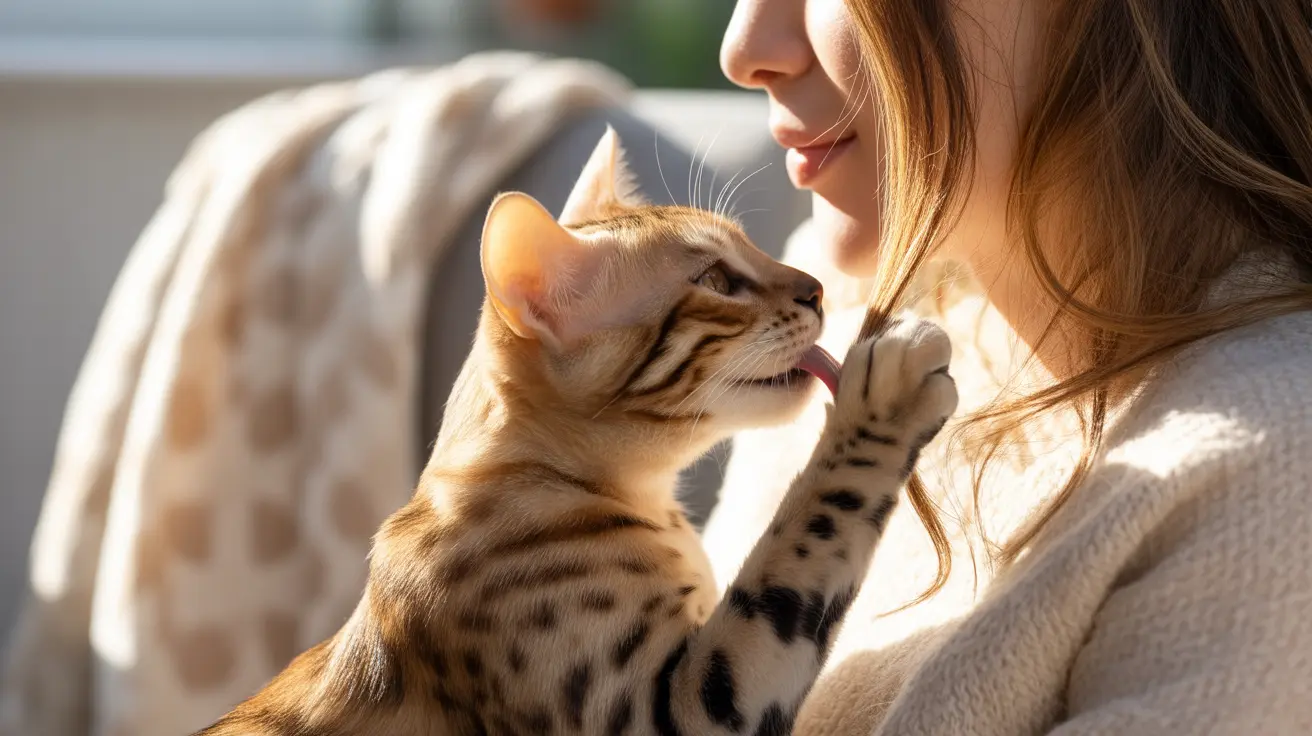
Cats often groom humans as a way to interact and communicate. This grooming behavior shows different meanings beyond just cleaning. It can express feelings and social bonds. Watching how your cat grooms you helps understand their emotions.
Signs Of Affection
Cats licking or nibbling your skin can mean love and care. This is similar to how they groom other cats. Grooming creates a strong bond between cats and humans. It shows trust and comfort around you. Gentle grooming often happens when your cat feels safe and happy.
Marking Territory
Cats have scent glands in their mouths. When they groom you, they leave their scent behind. This marks you as part of their territory. It tells other cats you belong to them. Grooming helps cats feel secure about their space and people.
Seeking Attention
Sometimes cats groom humans to get noticed. If your cat feels ignored, grooming can be a way to ask for attention. They want to play, petting, or just some company. This behavior is a gentle reminder they want interaction with you.
How To Respond To Cat Grooming
Is cat grooming a sign of affection? Many cat owners wonder about this. Cats groom each other as a way of bonding. When your cat grooms you, it can be a loving gesture. Understanding this can strengthen your bond with your furry friend. But how should you respond to this behavior? Here are some tips to guide you.
Encouraging Positive Interaction
Encourage your cat’s grooming by giving gentle strokes. Speak softly to your cat. This reassures them and shows appreciation. Offer a treat occasionally. This creates a positive association with grooming.
Recognizing Boundaries
Understanding your cat’s limits is crucial. If your cat stops grooming or walks away, respect this. Avoid forcing interaction. Cats value their space and privacy. Respecting this strengthens trust.
Improving Your Bond
Engage in activities your cat enjoys. Play with toys or offer a comfy lap. Spend quality time together daily. This deepens your connection and builds trust. Consistent interaction shows love and care.
When Grooming May Indicate Health Issues
Cat grooming often shows love and care. Yet, sometimes grooming signals health problems. Cats may groom more or less due to pain or discomfort. Watching your cat’s grooming habits helps spot issues early. Changes in grooming can reveal stress, skin troubles, or behavior shifts. Understanding these signs supports your cat’s well-being.
Over-grooming And Stress
Excessive grooming can mean stress or anxiety. Cats may lick or bite their fur too much. This can cause bald patches or sores. Stress triggers include new pets, loud noises, or changes at home. Over-grooming is a way cats cope with discomfort. Observing your cat’s environment helps identify stress causes.
Skin Problems
Grooming changes can signal skin issues. Cats may groom more if they feel itchiness. Allergies, fleas, or infections cause irritated skin. Watch for redness, bumps, or scabs on the skin. These signs need a vet’s attention. Proper treatment stops worsening skin problems quickly.
Behavioral Changes
Sudden grooming shifts often come with behavior changes. Your cat may hide or act restless. Loss of appetite or aggression can appear. These behaviors suggest discomfort or illness. Noticing these signs early helps prevent serious health problems. Careful observation helps keep your cat healthy and happy.

Credit: tryfurgo.com

Credit: www.catsessentials.com
Frequently Asked Questions
Why Do Cats Groom Each Other?
Cats groom each other to strengthen social bonds and show affection. This behavior, called allogrooming, helps reduce stress and build trust among cats.
Does Cat Grooming Mean They Trust You?
Yes, when a cat grooms you, it shows trust and affection. Grooming indicates they see you as part of their social group.
Can Grooming Be A Sign Of Stress In Cats?
Sometimes, excessive grooming can indicate stress or anxiety. However, normal grooming usually reflects comfort and social bonding, not stress.
How Often Do Cats Groom Themselves Daily?
Cats groom themselves several times a day, usually for 30-50% of their waking hours. Grooming keeps their coat clean and helps regulate body temperature.
Conclusion
Cat grooming often shows trust and love between cats. It helps them feel calm and safe. When your cat grooms you, it means they see you as family. This gentle act builds a strong bond. Watching your cat groom can teach you about their feelings.
Small moments like these matter a lot in pet care. Understanding this helps you connect better with your furry friend. Keep enjoying these quiet signs of affection every day. They say a lot, even without words.



Leave a Reply