
If your cat has urinary health problems, you’re probably desperate to find out what’s causing it. You want to help your furry friend feel better quickly and avoid painful flare-ups.
But did you know that certain ingredients in your cat’s food could be making the problem worse? Understanding which ingredients to watch out for can make a huge difference in your cat’s comfort and well-being. Keep reading to discover the hidden culprits that might be affecting your cat’s urinary health—and learn how to protect your pet from discomfort and health risks.
Common Urinary Issues In Cats
Urinary problems in cats are common and can affect their overall health. These issues often cause discomfort and stress. Early detection helps prevent serious complications. Understanding symptoms and causes guides better care for your cat.
Symptoms To Watch For
- Frequent urination in small amounts
- Straining or pain while urinating
- Blood in the urine
- Urinating outside the litter box
- Licking the genital area more than usual
- Strong or unusual urine smell
- Loss of appetite or lethargy
Causes Behind Urinary Problems
Several factors can lead to urinary issues in cats. Diet plays a crucial role. Ingredients like magnesium and certain proteins may worsen urinary health.
Stress and dehydration also contribute. Urinary tract infections and bladder stones are common causes. Some cats have genetic risks too.
Low water intake thickens urine, leading to crystal formation. Poor-quality food can increase mineral deposits. Allergies to certain ingredients may cause inflammation.

Credit: petkrewe.com
Role Of Diet In Cat Urinary Health
Diet plays a key role in maintaining a cat’s urinary health. Certain foods can either support or harm the urinary tract. Choosing the right ingredients helps prevent urinary problems and promotes overall well-being.
How Food Affects Urinary Tract
The type of food a cat eats impacts urine composition and pH levels. Acidic urine helps dissolve crystals that form in the bladder. Some ingredients increase the risk of crystal buildup, causing blockages and discomfort.
High magnesium, phosphorus, and calcium in food can raise crystal formation. Artificial additives and fillers may irritate the bladder lining. Balanced diets with controlled mineral levels reduce urinary problems.
Importance Of Hydration
Water intake is crucial for flushing toxins and preventing crystal buildup. Cats on dry food diets often drink less water, increasing urinary risks. Wet food or added water encourages hydration and healthy urine flow.
Proper hydration dilutes urine, lowering crystal concentration. It also keeps the bladder walls healthy and prevents infections. Monitoring water consumption supports long-term urinary health in cats.
Ingredients Linked To Urinary Problems
Understanding the ingredients that contribute to urinary problems in cats is crucial for anyone who wants to keep their feline friend healthy. Certain components in cat food can irritate the urinary tract or worsen existing conditions. Paying attention to these ingredients helps you make better choices for your cat’s diet and well-being.
High Magnesium Levels
Magnesium is a mineral that, in excess, can cause crystals to form in your cat’s urinary tract. These crystals may lead to blockages and painful urination. If your cat has urinary issues, foods high in magnesium should be avoided or limited.
Many dry cat foods contain elevated magnesium levels because of the types of grains and fillers used. Checking the label for magnesium content can prevent you from unknowingly feeding your cat a diet that worsens their condition.
Excessive Salt Content
Salt is another ingredient that can create problems for cats with urinary health concerns. Too much salt increases water loss through urination, leading to dehydration. Dehydration makes the urine more concentrated, which raises the risk of crystal and stone formation.
While cats need some salt for bodily functions, the balance is delicate. Choosing foods with moderate or low salt content helps maintain proper hydration and supports urinary tract health.
Artificial Additives And Preservatives
Artificial additives and preservatives, like dyes and chemical stabilizers, may irritate your cat’s urinary system. Some cats are sensitive to these substances, which can trigger inflammation or allergic reactions in the urinary tract.
Natural or minimally processed foods are often better for cats prone to urinary problems. Reading ingredient lists carefully can help you avoid products with unnecessary artificial components that might harm your cat.
Surprising Ingredients To Avoid
Certain ingredients like high magnesium, artificial additives, and excessive salt can harm cats with urinary issues. Avoiding these helps keep their bladder healthy and pain-free. Watch for hidden chemicals in processed foods that may trigger problems.
Caring for a cat with urinary health problems can be challenging, especially when it comes to choosing the right diet. You might be surprised to learn that some common ingredients in cat food can actually exacerbate these issues. Knowing what to avoid is crucial in ensuring your feline friend stays healthy and comfortable. Let’s delve into some surprising ingredients that you should be cautious about.Certain Protein Sources
Not all proteins are created equal for cats with urinary issues. Fish-based proteins, for instance, might sound healthy, but they can be high in magnesium and phosphorus, which can contribute to urinary crystals. Consider opting for poultry or rabbit-based foods, which are often gentler on your cat’s urinary system.Grains And Fillers
Grains and fillers often sneak into pet food, providing little nutritional value while potentially leading to digestive issues. Wheat, corn, and soy are common culprits that can irritate your cat’s system. Instead, look for grain-free options or those with limited, high-quality carbohydrates like sweet potatoes.Food Dyes And Flavors
Artificial dyes and flavors may make cat food more appealing, but they can also be harmful. These additives can trigger allergies or sensitivities, leading to further complications. Seek out foods that use natural ingredients for flavor and color, ensuring a more wholesome meal for your pet. Are you aware of what’s in your cat’s food? By examining the ingredient list closely, you can make informed choices that support your cat’s urinary health. Your attention to detail can make all the difference in your pet’s well-being.Choosing The Right Cat Food
Choosing the right cat food is crucial if your cat has urinary health problems. The ingredients in their diet can either help improve their condition or make it worse. Understanding what to look for—and what to avoid—can make a real difference in your cat’s well-being.
Reading Pet Food Labels
Labels can be confusing, but they hold key information about what’s inside the food. Look for moisture content, as wet foods generally help keep your cat hydrated, which is important for urinary health.
Check the ingredient list for excessive fillers like corn or wheat, which may irritate your cat’s bladder. Ingredients such as high-quality proteins and controlled minerals like magnesium and phosphorus are better choices.
Ask yourself: Does this food support a balanced pH level? Foods that promote a slightly acidic urine pH can prevent crystal formation.
Benefits Of Prescription Diets
Prescription diets are formulated specifically to support urinary health. They often contain controlled levels of minerals and promote urine dilution to reduce the risk of stones and crystals.
Many cat owners find these diets effective because they are backed by veterinary research. They are not just regular cat foods but therapeutic options designed to manage or prevent urinary issues.
Have you noticed your cat’s symptoms improve after switching to a prescription diet? This real-world evidence shows how targeted nutrition can work wonders.
Homemade Vs Commercial Diets
Homemade diets give you control over every ingredient, which is tempting when managing urinary health. However, they require careful planning to ensure the right balance of nutrients and minerals.
Commercial diets, especially those designed for urinary care, are formulated to meet nutritional standards and are convenient for busy pet owners. They come with guaranteed nutrient profiles, which can be hard to replicate at home.
Would you be able to consistently measure and adjust mineral levels to keep your cat safe? If not, commercial options might be a safer choice for urinary health.

Credit: www.zealandiapets.com
Preventing Urinary Problems Through Nutrition
Preventing urinary problems in cats through nutrition is a powerful way to support their overall health. What your cat eats directly affects their urinary tract, making diet choices critical. You can reduce the risk of urinary issues by focusing on key nutritional factors that promote a healthy urinary environment.
Balanced Diet Tips
A balanced diet for your cat should include the right mix of proteins, fats, and essential nutrients. Cats with urinary problems often benefit from diets lower in magnesium, phosphorus, and calcium, which can contribute to crystal formation.
Look for cat foods labeled as urinary health formulas. These usually have controlled mineral levels and added ingredients to maintain urinary tract health. Have you checked your cat’s food label lately to see what minerals it contains?
Hydration Strategies
Water intake is crucial for flushing the urinary system and preventing crystal buildup. Cats naturally drink less water, so encouraging hydration is vital.
- Offer fresh water in multiple bowls around your home.
- Use water fountains to entice your cat to drink more.
- Include wet food in their diet, as it contains higher moisture levels than dry food.
Could increasing your cat’s water intake be the simple change that prevents serious urinary issues?
Regular Vet Checkups
Routine vet visits help catch urinary problems early before they become severe. Your vet can perform urine tests and recommend dietary adjustments tailored to your cat’s needs.
Don’t wait for signs like straining or frequent urination—these can indicate advanced issues. Regular checkups give you peace of mind and your cat a healthier life.
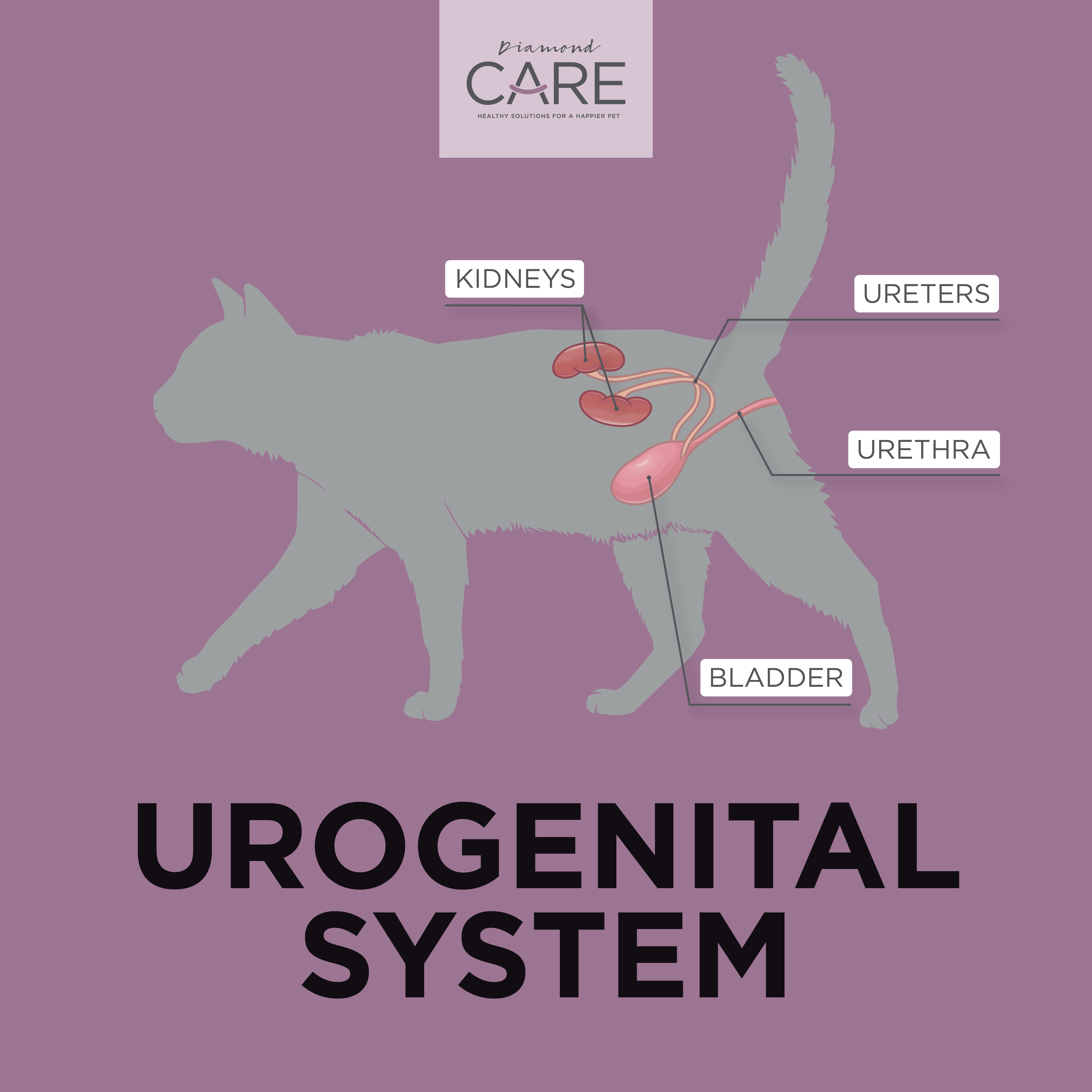
Credit: www.diamondpet.com
Frequently Asked Questions
What Ingredients Commonly Cause Urinary Issues In Cats?
Ingredients like magnesium, calcium, and excessive protein can cause urinary problems in cats. Artificial additives and preservatives also contribute. High mineral content leads to crystal formation, causing discomfort and health issues.
How Does Magnesium Affect Cat Urinary Health?
Excess magnesium in cat food can form struvite crystals. These crystals block urinary tracts, causing pain and infection. Controlling magnesium levels in diet helps prevent urinary problems and promotes better bladder health.
Are Artificial Additives Harmful To Cats’ Urinary Systems?
Yes, artificial additives and preservatives can irritate cats’ urinary tracts. They may trigger inflammation and worsen urinary health issues. Opting for natural, additive-free cat food supports healthier urinary function.
Can Certain Proteins Cause Urinary Health Problems In Cats?
High levels of certain proteins can stress a cat’s kidneys and bladder. Poor-quality protein sources may contribute to urinary crystal formation. Balanced, high-quality protein supports urinary health and overall well-being.
Conclusion
Cats with urinary problems need careful diet choices. Ingredients like high magnesium or artificial additives can harm them. Clean water and balanced food support their health. Watch labels and avoid harmful substances. A healthy diet helps prevent pain and discomfort.
Keep your cat’s urinary system strong with good nutrition. Simple changes can make a big difference. Protect your pet by knowing what ingredients to avoid. Healthy cats are happy cats.




Leave a Reply