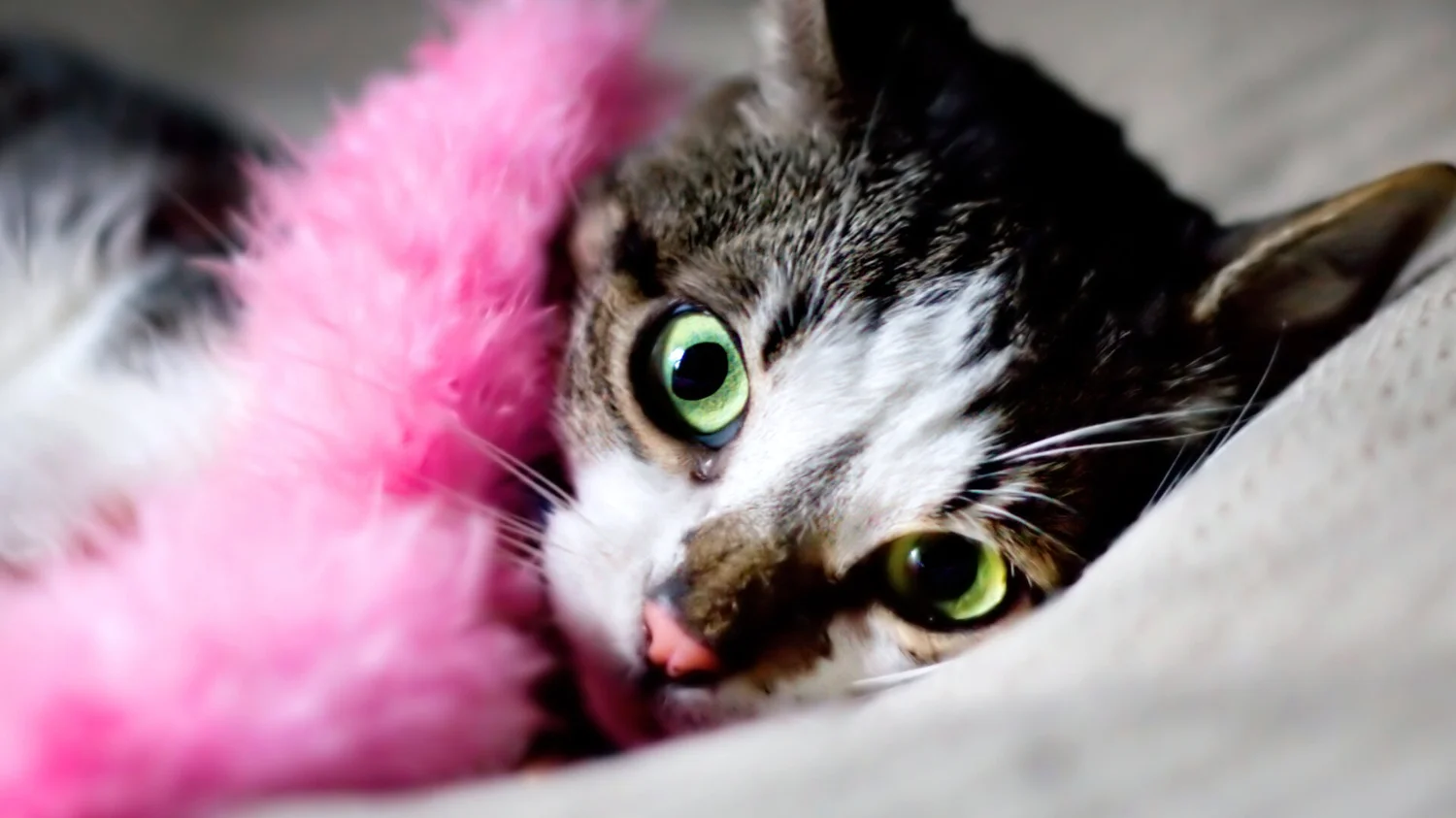
Have you ever noticed your cat meowing while chasing a toy and wondered why? It’s not just random noise—your furry friend is trying to tell you something.
Understanding these sounds can help you connect with your cat on a deeper level. You’ll discover the surprising reasons behind those playful meows and what they mean for your cat’s happiness and well-being. Keep reading to unlock the secret language of your cat during playtime.

Credit: moderncat.com
Meowing As A Communication Tool
Meowing is more than just a noise your cat makes—it’s a key way they communicate with you, especially during playtime. When your cat meows while batting around a toy, they’re sending signals that reveal their emotions and intentions. Understanding these vocal cues helps you connect better with your furry friend and enhances the play experience for both of you.
Expressing Excitement And Joy
Have you noticed your cat’s meow changes when they’re chasing a feather or a ball? This vocalization often shows their excitement. It’s their way of saying, “I’m having fun!”
Imagine your cat batting a toy with wide eyes and a sharp meow. That’s pure joy speaking through sound. Recognizing this lets you know your cat is engaged and happy.
Seeking Attention From Owners
Sometimes, your cat meows during play to get your focus. They may want you to join in or notice their skills.
If your cat looks at you and meows while playing, try responding with a quick interaction. This back-and-forth builds a stronger bond and makes playtime more rewarding.
Signaling Play Intentions
Your cat’s meows can also indicate their plans during play. They might be signaling readiness to pounce or inviting you to throw the toy again.
Have you ever seen your cat meow just before launching at a toy? That’s a clear cue they’re gearing up for action. Paying attention to these signals can help you anticipate your cat’s next move and keep play smooth and fun.
Instinctual Hunting Behavior
Cats meowing while playing with toys isn’t just random noise—it’s deeply tied to their natural hunting instincts. These sounds often mirror behaviors cats would use in the wild to communicate or react during a hunt. Understanding this instinctual hunting behavior can change how you see your cat’s playtime and make it more meaningful for both of you.
Mimicking Prey Sounds
Your cat’s meow during play often imitates the sounds their natural prey would make. Small animals like birds or rodents make high-pitched, quick noises that trigger your cat’s attention and hunting drive. When your cat mimics these sounds, it’s practicing a key skill needed to catch real prey in the wild.
Think about how your cat’s meow changes when chasing a fluttering feather versus a rolling ball. This variation shows they are adapting their “calls” to different types of prey. Have you noticed your cat get more vocal when the toy moves unpredictably? That’s their instinct sharpening.
Stalking And Pouncing Signals
The meowing also signals parts of the stalking and pouncing process. Cats use vocalizations to express excitement or frustration as they track and prepare to capture their target. This is a sign they are fully engaged and using natural hunting strategies.
During play, listen for short, sharp meows or chattering sounds right before your cat pounces. These noises often indicate intense focus and anticipation. You can encourage this behavior by varying toy movement to simulate a live prey’s escape patterns, which keeps your cat’s mind sharp and instincts active.
Emotional Responses During Play
When your cat meows during play, it’s often more than just noise—it’s a window into their emotions. Playtime triggers a range of feelings that your feline friend expresses vocally. Understanding these emotional responses helps you connect better with your cat and supports their well-being.
Frustration Or Overstimulation
Sometimes, your cat’s meow signals frustration. If a toy moves too fast or just out of reach, your cat may vocalize their irritation. This is especially common with high-energy cats who want to catch their “prey” but feel challenged by the toy’s speed or unpredictability.
You might notice a sharp, repetitive meow when your cat becomes overstimulated. It’s their way of saying, “This is exciting, but also a bit overwhelming.” Watching your cat’s body language, like twitching tails or flattened ears, can help you decide when to pause the game and let them calm down.
Confidence And Pride In Catching Prey
On the flip side, meowing can express pride and excitement. When your cat successfully catches a toy, they often let out a happy or triumphant sound. This vocalization shows they feel confident and rewarded by their achievement.
Have you noticed your cat meow right after pouncing or grabbing a toy? This moment of vocal celebration is their way of sharing joy with you. Encouraging this behavior by praising or offering treats can boost their confidence and make playtime more satisfying.
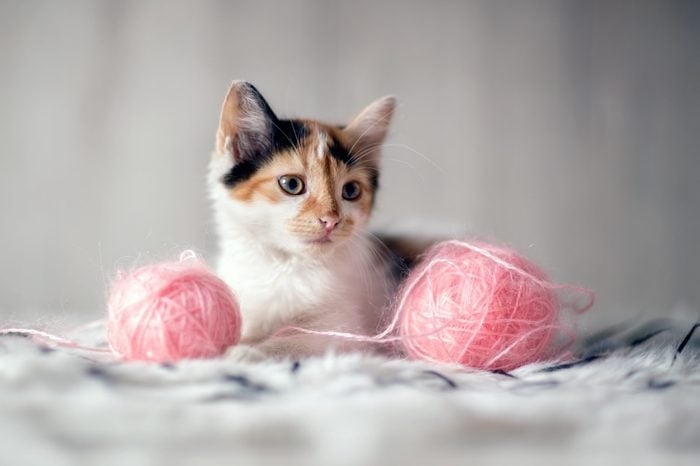
Credit: www.rd.com
Health And Age Factors
Understanding why your cat meows when playing with a toy can be a delightful mystery. While playtime is a joyful and energetic activity, health and age factors might play a significant role in your cat’s vocal expressions. It’s essential to consider these aspects to ensure your furry friend’s well-being and happiness.
Age-related Vocal Changes
As cats age, their vocal patterns can change significantly. Older cats might meow more often because of cognitive changes, much like humans experience shifts in behavior as they age. If your senior cat meows while playing, it might be an expression of their altered perception or increased need for attention.
Kittens, on the other hand, are naturally more vocal and curious. Their meowing during play could simply be their way of communicating excitement or confusion. Observing these patterns helps you understand what stage of life your cat is in and what their vocalizations might mean.
Potential Discomfort Or Pain
Your cat’s meow during play might also indicate discomfort or pain. Cats are masters at hiding pain, so vocalizing could be one of the few signs they give. If you notice your cat seems distressed or stops playing abruptly, it might be time for a vet visit.
Consider whether there are any changes in your cat’s health that could be causing this behavior. Joint pain or dental issues are common culprits in older cats. Keeping an eye on these signs ensures your cat stays healthy and happy.
Have you ever wondered if your cat’s meow is a call for help or simply playful chatter? Paying attention to the context and frequency of their vocalizations can provide insightful clues.
- Observe your cat during playtime and note any changes in behavior or vocalization.
- Ensure regular vet check-ups to address any health concerns early on.
- Tailor your play sessions to match your cat’s energy and comfort levels.
Understanding your cat’s meows can strengthen your bond and ensure they lead a comfortable, joyful life. What steps will you take to decode your cat’s playful meows?
Owner Interaction And Training
Owner interaction plays a big role in a cat’s meowing during play. Cats often use meows to communicate feelings or get attention from their human friends. Training and responding to these sounds can shape how your cat plays and behaves.
By paying attention to your cat’s vocal cues, you build a stronger bond. This connection helps guide your cat’s playtime in a positive way. Understanding and responding well encourages fun and healthy habits.
Reinforcing Vocal Behavior
When your cat meows during play, it is trying to say something. Responding with gentle words or treats can teach your cat that meowing gets attention. This makes your cat more likely to vocalize during play.
Positive reinforcement helps your cat feel heard and safe. It also makes playtime more interactive and exciting for both of you. Use soft tones and smiles to encourage friendly meows.
Encouraging Positive Play Habits
Training your cat to play nicely is important. Use toys that keep your cat active and focused. Reward calm and gentle behavior with praise or small treats.
Set regular play sessions to build a routine. This helps your cat learn when it is time to be playful and when to relax. Consistency helps reduce stress and promotes happy meowing.

Credit: moderncat.com
Frequently Asked Questions
Why Does My Cat Meow While Playing With Toys?
Cats meow during play to communicate excitement or frustration. It mimics hunting sounds and helps them express emotions. This behavior shows engagement and can indicate their mood while interacting with toys.
Is Meowing During Play Normal Cat Behavior?
Yes, meowing while playing is normal. It reflects natural hunting instincts and social interaction. Cats use vocalizations to express feelings, making playtime more interactive and stimulating for them.
Can Meowing Mean My Cat Is Frustrated Playing?
Sometimes meowing signals frustration if the toy is hard to catch. It shows their desire to succeed in the hunt. Observing their behavior helps understand if they need more stimulating toys.
Do Cats Meow To Get Attention During Play?
Yes, cats may meow to gain your attention while playing. They invite interaction or want you to join the fun. Responding encourages bonding and keeps their playtime enjoyable.
Conclusion
Cats meow during play to express excitement and attention. This sound helps them communicate their feelings to you. It shows they enjoy the game and want you involved. Listening to your cat’s meows can strengthen your bond. Playtime becomes more fun when you understand these signals.
Remember, every meow tells a small story about your cat’s mood. Keep watching and learning to enjoy these moments together. Your cat’s voice is a key part of its playful nature.

Leave a Reply