
Have you ever watched your cat spend so much time licking and cleaning itself and wondered why? It’s more than just keeping clean or looking cute.
Your cat’s grooming habits play a powerful role in staying safe from danger. What if I told you that every lick and nibble helps your furry friend hide from predators and stay alive? Understanding this secret side of grooming will change the way you see your cat’s daily routine.
Keep reading, and you’ll discover surprising facts that make your cat’s behavior even more fascinating—and maybe help you care for them better.

Credit: medium.com
Cats And Grooming Habits
Cats spend a lot of time cleaning themselves. Grooming is more than just keeping fur tidy. It plays a key role in their daily life and survival. Understanding cats and grooming habits reveals why this behavior is so important.
Frequency And Techniques
Cats groom several times a day. They use their rough tongues to lick fur. This removes dirt and loose hair. Grooming also spreads natural oils across their coat. These oils keep the fur soft and shiny. Cats often clean their face and ears first. They use their paws to wash hard-to-reach spots. Some cats enjoy rolling on their backs after grooming. This helps to clean and stretch their muscles.
Natural Instincts Behind Grooming
Grooming is an instinct passed down from wild ancestors. It helps cats stay clean and avoid detection. Removing scents from fur makes it harder for predators to find them. Grooming also cools the cat’s body by spreading saliva. This is useful during hot weather. Social grooming builds bonds between cats in a group. It reduces stress and creates trust. Overall, grooming supports health, safety, and social life.

Credit: www.petscare.com
Grooming As A Defense Mechanism
Cats spend a surprising amount of time grooming themselves, but this behavior is more than just about looking neat. Grooming serves as a powerful defense mechanism that helps them stay safe from predators. By carefully cleaning their fur, cats manage to control their appearance and scent, which plays a crucial role in avoiding detection.
Camouflage Through Cleanliness
Keeping their fur clean helps cats blend seamlessly into their surroundings. Dirt, debris, or matted fur can catch the eye of predators or prey, making the cat stand out.
When your cat grooms, it removes anything that could make it more visible. This natural camouflage helps them stay hidden, especially in wild or outdoor environments.
Have you noticed how a freshly groomed cat seems almost invisible in grass or bushes? That’s no accident—it’s a survival tactic perfected over thousands of years.
Scent Masking To Evade Predators
Cats also groom to manage their scent, which is vital for staying undetected. Predators often use smell to track their prey, so reducing their own scent helps cats stay off the radar.
By licking their fur, cats spread saliva that can neutralize odors, masking their natural smell. This makes it harder for predators to pick up their trail.
Think about how animals in the wild rely on scent—your cat’s grooming is a clever way to stay one step ahead. Next time you see your cat grooming, remember: they’re not just cleaning, they’re protecting themselves.
Other Survival Benefits Of Grooming
Grooming is more than just a way for cats to look neat. It offers several important survival benefits that help them stay healthy and comfortable in the wild or at home. Understanding these benefits can change how you see your cat’s daily grooming routine.
Parasite Control
Grooming helps cats remove parasites like fleas and ticks from their fur. When your cat licks itself, it can physically dislodge these pests before they cause irritation or illness.
Have you noticed your cat spending extra time cleaning after being outside? This behavior is a natural defense against parasites that might hitch a ride home. You can support this by regularly checking your cat’s coat for signs of fleas or ticks.
Thermoregulation And Comfort
Grooming plays a key role in helping cats regulate their body temperature. By spreading saliva over their fur, cats cool down as the saliva evaporates, similar to sweating in humans.
On colder days, grooming fluffs up their fur, creating insulation to keep them warm. Next time your cat grooms itself, remember it’s not just about looking good—it’s about feeling comfortable in changing temperatures.
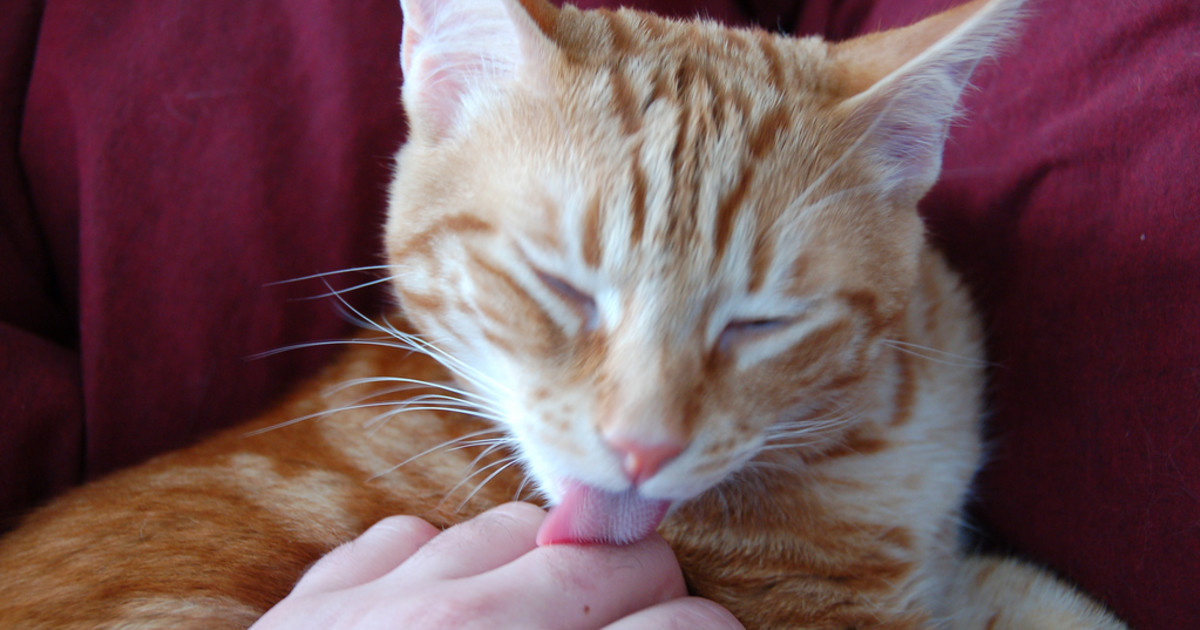
Credit: pethelpful.com
Comparing Domestic And Wild Cats
Comparing domestic and wild cats provides insights into their grooming habits. Both have unique grooming patterns influenced by their environments and survival needs. While domestic cats groom for comfort, wild cats often groom for survival.
Grooming Patterns In The Wild
Wild cats groom to remove scents that attract predators. Their grooming helps them stay stealthy while hunting. They often lick their fur to clean off blood and dirt. This keeps them undetected from other predators. Grooming also helps them regulate their body temperature in harsh climates. Wild cats must groom more frequently due to their active lifestyle.
Impact Of Environment On Grooming
Environment greatly affects a cat’s grooming habits. Domestic cats live in safer environments. They groom mainly for cleanliness and relaxation. Wild cats face threats from predators and harsh weather. This makes grooming a vital survival skill for them. Their grooming habits are more intense and frequent.
Scientific Studies On Cat Grooming
Scientific studies on cat grooming reveal fascinating insights into why cats spend so much time cleaning themselves. Researchers have observed behaviors that suggest grooming is not just about hygiene but may also play a role in avoiding predators. Understanding these studies can change how you view your cat’s daily grooming rituals.
Behavioral Observations
Scientists have closely watched cats in the wild and in controlled environments to see how grooming fits into their daily routines. Cats often groom after hunting or when they feel threatened, which hints at a connection to survival instincts. You might notice your cat licking its fur after playing or exploring, which mirrors these natural behaviors.
Studies show that grooming helps cats remove scents that predators or prey might detect. This behavior reduces the chance of being tracked by smell. Have you ever wondered why your cat suddenly becomes very clean after going outside? It could be an instinctive way to stay hidden.
Findings On Predator Avoidance
Research supports the idea that grooming helps cats avoid predators by masking their scent. By licking their fur, cats reduce odors that could attract larger animals. This is crucial in the wild, where survival depends on staying unnoticed.
One study demonstrated that cats groom more frequently when they feel threatened or sense nearby predators. This suggests grooming is a defensive behavior, not just for cleanliness. Next time your cat grooms intensely after hearing a loud noise, consider it a natural safety response.
Understanding these findings can help you appreciate grooming as more than a quirky habit. It’s a smart, evolutionary tool your cat uses to protect itself. Could your cat’s grooming habits tell you when it feels unsafe or stressed?
Practical Tips For Cat Owners
Understanding your cat’s grooming habits can help you keep them healthy and happy. Grooming is more than just cleaning; it’s a way your cat stays safe from predators by hiding their scent and keeping their coat in top condition. Here are some practical tips to support your cat’s natural grooming behavior and know when you should step in.
Supporting Natural Grooming
Encourage your cat to groom naturally by providing a calm environment. Stress can interrupt their grooming routine, so try to reduce loud noises or sudden changes at home.
Brush your cat regularly to remove loose fur and dirt, which helps them keep their coat clean without overdoing it. Brushing also mimics the feeling of grooming and can reduce hairballs.
- Offer a balanced diet rich in omega fatty acids to keep their skin and fur healthy.
- Keep fresh water available, as hydration supports the natural oils that protect their coat.
- Provide safe outdoor access or windows with views to satisfy their natural curiosity and reduce anxiety.
Have you noticed how your cat’s grooming changes with the seasons? Supporting their natural habits can make a big difference in their overall well-being.
When To Intervene
Sometimes your cat might groom too much or too little. Excessive licking can cause bald spots and skin irritation, while neglecting grooming might lead to matting or infections.
Look for signs like redness, swelling, or scabs, which suggest a problem. If your cat suddenly stops grooming, it could indicate pain or illness, especially in older cats.
- If you spot any wounds or parasites during grooming, consult your vet immediately.
- Use gentle pet-safe shampoos only when necessary and avoid over-bathing, which dries out their skin.
- Consider behavioral causes like stress or boredom; toys and interaction can help redirect their focus.
What changes in your cat’s grooming might signal a hidden health issue? Paying attention to these details can save you from bigger problems later on.
Frequently Asked Questions
Why Do Cats Groom Themselves Frequently?
Cats groom to clean their fur, remove scents, and regulate body temperature. Grooming helps hide their presence from predators by eliminating odors. It also reduces parasites and keeps their coat healthy, enhancing their survival chances in the wild.
Does Grooming Help Cats Avoid Predators?
Yes, grooming helps cats avoid predators by masking their scent. By removing dirt and odors, cats become less detectable. This natural behavior reduces the risk of being tracked by predators, increasing their safety in various environments.
How Does Grooming Affect A Cat’s Scent?
Grooming removes external scents and spreads natural oils evenly. This minimizes odors that predators or prey could detect. A well-groomed coat helps cats blend into their surroundings, aiding in both hunting and evading threats.
Can Grooming Reduce The Risk Of Parasite Attacks?
Grooming removes dirt, ticks, fleas, and other parasites from a cat’s fur. Regular grooming lowers parasite infestations, which can weaken cats and make them more vulnerable. Thus, grooming plays a vital role in a cat’s health and predator avoidance.
Conclusion
Cats groom for many reasons, and avoiding predators is one key factor. Grooming helps cats stay clean and hide their scent from enemies. It also keeps their fur healthy and free of dirt. This behavior shows how cats use instinct to stay safe in the wild.
Understanding why cats groom reveals their natural survival skills. Next time you see a cat cleaning itself, remember it is more than just hygiene. It’s a smart way to protect and care for themselves every day.



Leave a Reply