
Are you wondering how much food your adult cat really needs each day? Feeding your cat the right amount is more important than you might think.
Too little food can leave your furry friend hungry and weak, while too much can lead to weight gain and health problems. You’ll discover simple guidelines to make sure your cat stays healthy and happy. Keep reading to find out exactly how to measure the perfect portion for your feline companion every day.
Daily Calorie Needs
Understanding a cat’s daily calorie needs helps maintain a healthy weight and energy balance. Cats need the right amount of calories to support their body functions and activity. Feeding too little or too much can cause health problems. Knowing how many calories your adult cat requires is key to proper feeding.
Factors Affecting Calorie Requirements
Calorie needs vary based on several factors. Size and weight affect how much energy a cat uses daily. Breed also matters; some breeds burn calories faster. The environment plays a role too. Indoor cats often need fewer calories than outdoor cats. Weather can influence energy use, especially in cold climates.
Energy Needs By Activity Level
Active cats burn more calories than lazy ones. Playful cats or those who roam outside need extra energy. Less active cats require fewer calories to avoid weight gain. Adjust feeding amounts based on how much your cat moves each day. Watch your cat’s behavior to estimate activity level.
Impact Of Age And Health
Age changes a cat’s calorie needs. Kittens need more calories to grow. Older cats often need fewer calories due to less activity. Health status is important too. Sick cats may need special diets with adjusted calories. Always check with a vet for health-related feeding advice.
Credit: purinaexpress.com
Types Of Cat Food
Choosing the right type of food for your adult cat is essential to meet their daily nutritional needs. Cats are obligate carnivores, which means their diet must be rich in animal proteins. The type of food you select will influence how much you feed your cat each day and how well they maintain their health and energy levels.
Dry Food Portions
Dry cat food is convenient and easy to store, but it tends to be calorie-dense. On average, an adult cat needs about 1/4 to 1/3 cup of dry food daily, depending on their weight and activity level.
Since dry kibble contains less moisture, your cat will need access to fresh water at all times. Pay attention to the feeding guidelines on the packaging, but adjust the portions if your cat is gaining or losing weight unexpectedly.
Wet Food Portions
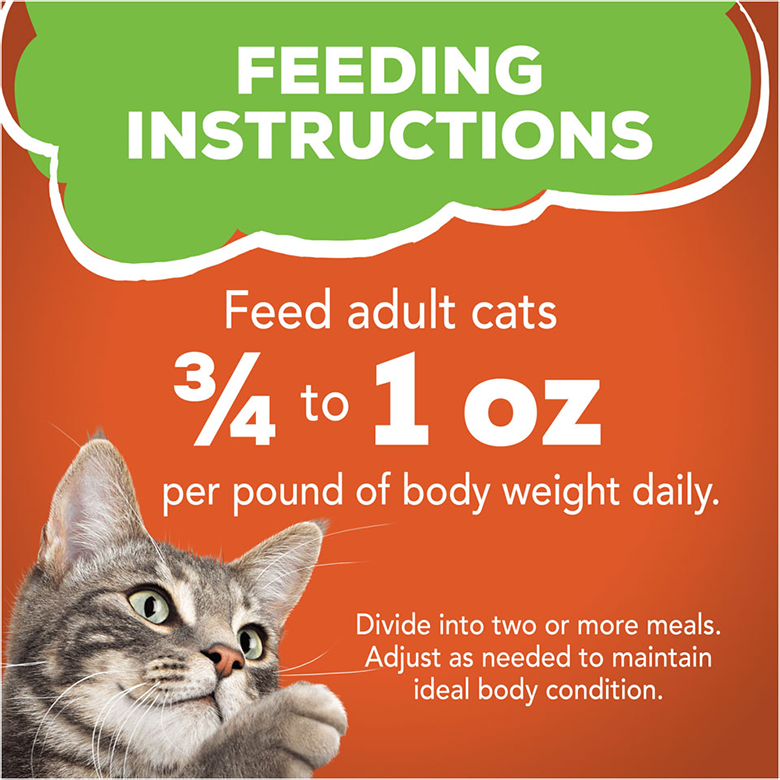
Wet food is closer to a cat’s natural diet because it contains high moisture content, which helps with hydration. Most adult cats require about 3 to 6 ounces of wet food per day, split into two or more meals.
Because wet food is less calorie-dense than dry food, your cat might need larger portions. If your cat is picky, wet food can be a great way to encourage them to eat more regularly.
Raw And Homemade Diets
Feeding your cat a raw or homemade diet requires careful planning to ensure balanced nutrition. Portion sizes vary widely based on the recipe, but generally, cats need about 2 to 4 percent of their body weight in raw food daily.
Many cat owners find this diet rewarding but challenging, as it demands attention to protein, fat, vitamins, and minerals. Have you tried preparing meals for your cat at home? If so, how did you manage portion control while keeping nutrition balanced?
Measuring Food Amounts
Measuring the right amount of food for your adult cat is key to keeping them healthy. Proper portions prevent both overfeeding and underfeeding. Cats have different needs based on size, age, and activity. Careful measurement makes sure your cat gets just enough nutrition every day.
Using Feeding Guidelines
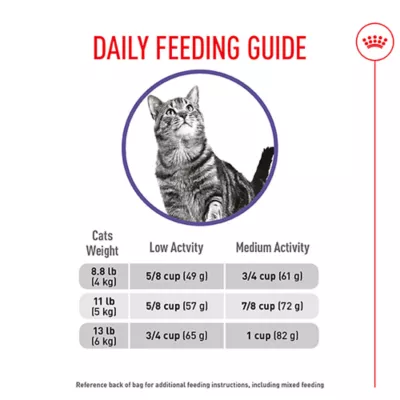
Pet food packages usually list feeding guidelines. These serve as a starting point for daily portions. Guidelines consider your cat’s weight and activity level. Follow these amounts closely but watch your cat’s body condition too. Adjust the amount if your cat gains or loses weight.
Adjusting Portions For Weight Control
Overweight cats need fewer calories to lose weight safely. Underweight cats may need more food for healthy gain. Monitor your cat’s weight regularly. Change feeding amounts slowly to avoid digestive upset. A balanced diet with controlled portions helps maintain ideal weight.
Tools For Accurate Measurement
Use proper tools to measure your cat’s food. Measuring cups, kitchen scales, or scoops work best. Avoid guessing or free feeding to prevent overeating. Keep one tool dedicated to your cat’s food. Clean it regularly to ensure accuracy and hygiene.
Feeding Frequency
Feeding frequency plays a crucial role in managing your adult cat’s diet and overall health. How often you feed your cat can influence their digestion, energy levels, and behavior. Understanding the pros and cons of different feeding routines helps you decide what works best for your feline friend.
Single Vs Multiple Meals
Some cat owners prefer giving one large meal per day, while others break the daily portion into several smaller meals. Feeding multiple times can help keep your cat’s energy steady and reduce hunger-driven behaviors like begging.
On the other hand, a single meal might be easier to manage for busy schedules. However, it can cause your cat to eat too fast or feel hungry for long periods. Have you noticed if your cat seems restless or anxious between meals? That might be a sign to try feeding more often.
Benefits Of Scheduled Feeding
Scheduled feeding means offering food at set times rather than leaving it out all day. This routine helps regulate your cat’s metabolism and weight by controlling calorie intake. It also encourages a consistent bathroom schedule, which is a good health indicator.
Scheduled feeding makes it easier to monitor how much your cat eats and spot any sudden changes in appetite. Cats are creatures of habit; regular meals can reduce stress and make them feel secure. Could a feeding schedule improve your cat’s mood or behavior?
Free Feeding Considerations
Free feeding allows your cat to eat whenever they want by leaving food available all day. While convenient, this method can lead to overeating, especially if your cat is prone to snacking or if multiple pets share one bowl.
Free feeding works best with dry kibble and cats that self-regulate their intake well. If you notice your cat gaining weight or leaving food untouched, free feeding might not be ideal. How confident are you that your cat won’t overeat with constant access to food?
Signs Of Overfeeding And Underfeeding
Understanding the signs of overfeeding and underfeeding in your adult cat is crucial for their health and well-being. Just as you wouldn’t ignore an empty food bowl, you shouldn’t overlook subtle changes in your cat’s behavior or body. By recognizing these signs, you can ensure your feline friend maintains a balanced diet, leading to a happier and healthier life.
Weight Changes To Watch
Monitoring your cat’s weight is one of the most straightforward ways to check if they’re being overfed or underfed. An unexpected increase in weight could indicate overfeeding, while a sudden drop might suggest they’re not getting enough. Regularly weigh your cat and consult with your vet to determine their ideal weight range.
Behavioral Indicators
Your cat’s behavior can provide clues about their feeding needs. An overfed cat might become lethargic and less interested in play. Conversely, a cat that’s not eating enough may appear restless, constantly searching for food, or even becoming aggressive.
Health Risks Of Improper Feeding
Feeding your cat too much or too little can lead to significant health issues. Overfeeding can cause obesity, leading to diabetes or joint problems. On the other hand, underfeeding can result in malnutrition, weakening their immune system and making them more susceptible to illnesses.
Are you noticing any of these signs in your cat? Taking action now can prevent long-term health issues and ensure your cat lives a full and happy life. Regular vet check-ups, alongside careful monitoring, can help you strike the perfect balance in your cat’s diet.

Credit: www.petscare.com
Special Dietary Needs
Cats have unique dietary needs that can change significantly based on their health, age, and lifestyle. Understanding these special needs is key to ensuring your adult cat stays healthy and happy. Tailoring food portions and types can make a big difference in their overall wellbeing.
Managing Obesity
Obesity is a common problem in adult cats that can lead to serious health issues like diabetes and joint problems. If your cat is overweight, you need to control portion sizes carefully and choose foods lower in calories but rich in nutrients.
Try to avoid free-feeding. Instead, divide the daily food amount into smaller, scheduled meals. This helps you monitor intake and keeps your cat from overeating.
Have you ever noticed your cat begging for food even after a full meal? Sometimes, this behavior is more about habit or boredom than hunger. Providing interactive feeding toys can slow down eating and keep your cat engaged.
Feeding Senior Cats
Senior cats often need fewer calories because they are less active, but they require higher protein to maintain muscle mass. Foods with easily digestible ingredients support their sensitive digestive systems.
Adding wet food can help keep older cats hydrated, especially if they have dental issues that make chewing dry kibble difficult. It’s important to adjust feeding amounts based on your senior cat’s weight and activity level.
Have you checked if your senior cat’s food label matches their current health status? Sometimes, switching to a formula made specifically for older cats can improve their energy and coat condition.
Cats With Medical Conditions
Cats with health problems like kidney disease, diabetes, or allergies often require special diets prescribed by your vet. These diets are designed to manage symptoms and support recovery.
For example, kidney disease diets typically have reduced protein and phosphorus levels to ease the kidneys’ workload. Diabetes management may require a low-carbohydrate diet to help regulate blood sugar.
Always follow your vet’s advice closely and avoid sudden changes in diet. Have you noticed any changes in your cat’s appetite or behavior? Sharing this information with your vet can help fine-tune their dietary plan.
Tips For Feeding Success
Feeding your adult cat the right amount of food daily is more than just pouring kibble into a bowl. Success in feeding depends on how you manage the feeding process and the quality of the food you offer. Paying attention to your cat’s individual needs and habits can make a big difference in their health and happiness.
Creating A Feeding Routine
Cats thrive on routine, so try to feed your cat at the same times every day. This helps regulate their digestion and prevents overeating out of boredom. A simple schedule like morning and evening meals can work well for most adult cats.
Observe your cat’s behavior before and after meals. Are they eagerly waiting or showing signs of disinterest? Adjust the timing or portion size accordingly. Consistency in feeding times also helps you notice any sudden changes in appetite, which could signal health issues.
Choosing Quality Food
The quality of your cat’s food has a direct impact on how much they need to eat. High-quality food is more nutrient-dense, so your cat will feel full and satisfied with smaller portions. Look for products where meat is the first ingredient and avoid fillers like corn or excessive grains.
Wet food is often preferred for hydration and palatability, but dry food is convenient and good for dental health. You might find a combination works best for your cat. Don’t hesitate to try different brands and types to see what your cat prefers and digests well.
Monitoring And Adjusting Diet
Regularly weigh your cat and watch for changes in their body condition. If your cat is gaining or losing weight unexpectedly, it’s time to adjust their food portions. Remember, every cat is unique—what worked last month might need tweaking now.
Keep a feeding journal to track how much and what type of food your cat eats daily. This can reveal patterns and help you discuss your cat’s diet with your veterinarian. Are you ready to make small changes that could improve your cat’s quality of life?
Credit: www.petsmart.com
Frequently Asked Questions
How Much Food Does An Adult Cat Need Daily?
An adult cat typically needs 20 to 30 calories per pound daily. This translates to about 1/3 to 1/2 cup of dry food or 5 to 6 ounces of wet food per day, depending on the cat’s activity and health.
Does Cat Size Affect Daily Food Requirements?
Yes, larger cats require more calories than smaller ones. A 10-pound cat will need more food than a 7-pound cat. Always adjust portions based on your cat’s weight and activity level for optimal health.
How Often Should I Feed My Adult Cat Daily?
Most adult cats thrive on two meals per day. Feeding once in the morning and once in the evening helps maintain a healthy metabolism and prevents overeating.
Can Activity Level Change A Cat’s Food Amount?
Yes, active cats burn more calories and need more food. Less active or indoor cats require fewer calories to avoid weight gain. Adjust food portions based on your cat’s lifestyle.
Conclusion
Feeding your adult cat the right amount keeps them healthy and happy. Watch their weight and energy to adjust food portions. Each cat needs a little different amount daily. Quality food matters as much as quantity. Regular feeding times help your cat feel secure.
Consult a vet for advice tailored to your cat. Small changes can make a big difference in their health. Simple care leads to a long, joyful life for your pet. Keep learning and caring to give your cat the best.


Leave a Reply