
Have you ever wondered why some cats just don’t seem to agree with certain things? Whether it’s refusing to come when called or avoiding certain toys, some breeds have a clear way of saying no.
Understanding these feline personalities can help you connect better with your furry friend. If you want to know which cat breeds are known for their independent streaks and strong opinions, keep reading. This insight will change how you see your cat’s behavior—and maybe even make your bond stronger.

Credit: www.reddit.com
Cats With Strong Opinions
Cats with strong opinions don’t just say “no” — they make it clear through their behavior. These breeds have distinct personalities that often challenge your patience and understanding. If you think all cats are easygoing, these breeds will make you rethink that assumption quickly.
Owning one of these cats means learning to read subtle cues and respecting their boundaries. You’ll often find yourself asking, “Is this a cat that just doesn’t like change, or is it telling me something important?”
Balinese: The Vocal Refuser
Balinese cats are talkative and expressive. When they dislike something, they don’t hesitate to vocalize it loudly and clearly. Their strong opinions about food, toys, or even your choice of music can be surprising.
One Balinese I knew would refuse to eat unless his meal was served in a specific bowl. If you switched bowls, he’d stare you down until you changed it back. Their clear communication helps you avoid guesswork — you know exactly when they say no.
Scottish Fold: The Quiet Rebel
Scottish Folds don’t make a fuss loudly, but their body language is unmistakable. They might sit with their back turned or move away when uncomfortable. Their “no” is subtle but firm.
I once tried to introduce a new cat toy to a Scottish Fold, only to find it ignored it completely for days. Eventually, it was clear the toy wasn’t welcome, and I switched to something softer and quieter. Respecting this feline’s quiet refusal saved us both frustration.
Siamese: The Demanding No
Siamese cats have strong opinions and the energy to express them directly. They often demand attention on their terms and will say no with a mix of vocal protests and dramatic gestures.
One Siamese I met refused to share the couch unless she was the center of attention. If ignored, she would vocalize her displeasure until you gave in. These cats require you to tune in closely to their moods — ignoring their no means you’ll get plenty of reminders.
Why Do Some Cats Say No More Than Others?
Is it breed, upbringing, or individual personality? The answer is a mix of all three. Breeds with strong opinions often have heightened social needs or specific preferences that make them more vocal or clear about their dislikes.
Pay attention to your cat’s signals and ask yourself: Are you listening enough? Sometimes, a simple “no” is their way of telling you what they need to thrive.
Independent Cat Breeds
Independent cat breeds offer a unique blend of affection and autonomy that suits owners who appreciate a pet with a strong sense of self. These cats don’t demand constant attention but still enjoy meaningful interaction on their own terms. Understanding their personalities helps you create a comfortable space where both you and your feline can thrive.
Siberian Cats
Siberian cats are known for their strong, independent nature. They enjoy exploring their surroundings and can entertain themselves for hours. Yet, they also form deep bonds with their humans, showing affection without overwhelming neediness.
If you want a cat that balances independence with loyalty, Siberians fit well. Their playful spirit means they won’t just sit around waiting for you; they’ll actively engage in their own adventures. Have you noticed how some cats prefer to initiate attention rather than respond to it? Siberians often behave this way, making them ideal for owners who want a companion that respects personal space.
Russian Blue Cats
Russian Blue cats are another excellent example of independent felines. They tend to be reserved, often observing their environment quietly before deciding to join in. This thoughtful approach to interaction means they don’t demand immediate affection but appreciate it deeply when given.
These cats are perfect for people who work from home or have a busy lifestyle. Russian Blues can handle solitude without stress but will seek your company when they feel comfortable. Have you considered how a cat’s quiet confidence might fit into your daily routine? Russian Blues offer a calming presence that respects your pace and space.
Cats Known For Selective Affection
Cats often show affection on their own terms, especially certain breeds that are known for being selective with their love. These cats might not greet you with constant cuddles or follow you everywhere, but when they do choose to show affection, it feels special and genuine. Understanding their unique ways can help you build a stronger bond without overwhelming them.
Scottish Fold
The Scottish Fold is famous for its folded ears, but it’s their personality that truly stands out. These cats tend to be reserved, often observing before engaging. You might notice your Scottish Fold sitting quietly nearby, choosing moments to nuzzle or sit on your lap rather than demanding attention constantly.
They appreciate calm environments and may pull away if things get too noisy or hectic. If you respect their space and wait patiently, you’ll find their affection feels like a rare gift. Have you noticed how a quiet moment with a Scottish Fold can feel more meaningful than constant petting?
British Shorthair
British Shorthairs are known for their plush coats and round faces, but their affection comes with boundaries. They are not usually lap cats and prefer to show love through subtle gestures like following you from a distance or softly rubbing against your leg.
This breed values routine and predictability, so sudden changes might make them pull back. Giving them consistent care and gentle interaction encourages their trust. How often do you catch your British Shorthair quietly watching over the room, showing affection in its own quiet way?
Vocal Breeds That Say No Loudly
Cats have unique ways of expressing themselves. Some breeds are louder than others. These vocal breeds often “say no” with their voices. They communicate displeasure or demand attention loudly. Understanding their vocal nature can help cat owners. Let’s explore two popular vocal breeds.
Siamese Cats
Siamese cats are famously chatty. They use their voices to express feelings. Their meows are distinctive and loud. Siamese cats often sound like they’re talking. They might “say no” with a firm meow. Their vocalizations make them stand out. They are very social and interactive.
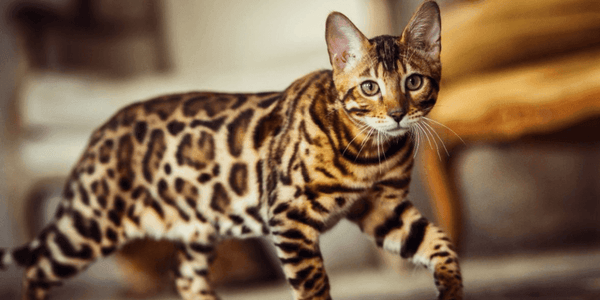
Bengal Cats
Bengal cats also have a strong voice. They are known for their expressive nature. Bengals use a range of sounds. These sounds can include meows and chirps. Their vocalizations are part of their charm. Bengals are active and playful cats. They demand attention through their voices.
Why Some Cats Reject Attention
Cats show different levels of affection and tolerance for attention. Some cats actively avoid being touched or held. Understanding why some cats reject attention helps owners respect their pets’ boundaries. Each cat’s reaction depends on their unique nature and surroundings.
Personality Traits
Cats have distinct personalities. Some are naturally shy or independent. They prefer quiet time alone rather than human interaction. Others may feel stressed by sudden touch or loud noises. Fearful or anxious cats often pull away from attention. Social skills vary widely among cat breeds and individuals.
Some cats need more time to trust people. Their early experiences shape how they respond to affection. Cats that had little human contact as kittens may avoid closeness. On the other hand, confident cats seek out pets and cuddles easily.
Environmental Factors
The cat’s environment influences its behavior. A noisy or busy home can overwhelm sensitive cats. Lack of safe spaces makes cats feel exposed and uneasy. Changes like moving or new pets cause stress. Stress can make cats less willing to accept attention.
Consistent routines and calm settings help cats relax. Providing hiding spots and quiet areas encourages comfort. Cats that feel secure usually enjoy more interaction. Respecting their need for space builds trust over time.

Credit: www.rd.com
Tips For Respecting Cat Boundaries
Respecting your cat’s boundaries is essential for a happy and healthy relationship. Cats often communicate their limits clearly if you know what to look for. Paying attention to these signs helps prevent stress and builds a connection based on trust.
Reading Body Language
Cats talk with their bodies more than their voices. Watch their tail movements—an upright tail usually means they’re happy to see you, while a flicking tail can signal irritation.
Look at their ears and eyes too. Flattened ears or dilated pupils often mean your cat needs space. Have you noticed your cat suddenly freezing or backing away? That’s a clear “no” you should respect.
- Slow blinking means your cat feels safe.
- Hissing or growling is a strong warning to stop.
- Swatting with claws out means you’ve crossed a line.
Building Trust
Trust isn’t given; it’s earned slowly. Give your cat room to explore without forcing interactions. Let them come to you on their terms.
Offer treats or gentle petting only when your cat is calm and receptive. I once had a shy cat who avoided hands but loved feather toys. Using play to build trust made a huge difference in our bond.
Ask yourself: how often do you respect your cat’s “no” before offering affection? Notice how their behavior changes when you honor their limits.
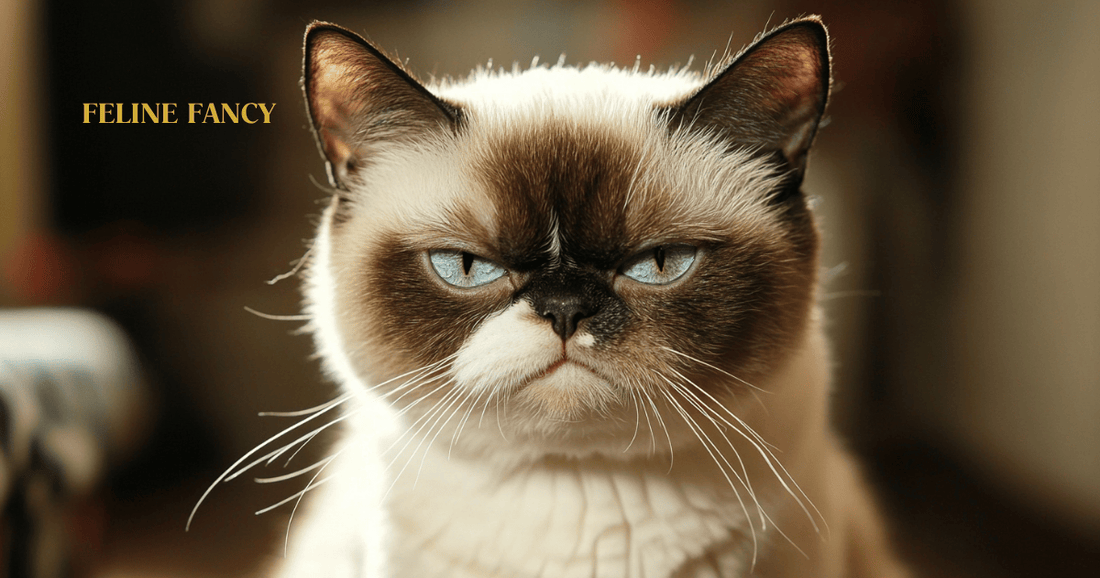
Credit: felinefancy.co.uk
Frequently Asked Questions
What Cat Breeds Are Known For Saying No?
Certain breeds like Siamese, Maine Coon, and Bengal often show clear refusal behaviors. They use body language and vocalizations to express “no” effectively.
How Do Cats Communicate Refusal?
Cats use hissing, growling, swatting, or turning away to say no. Their body posture and tail movements also indicate their unwillingness.
Why Do Some Cat Breeds Say No More Often?
Personality traits and breed-specific behaviors influence refusal frequency. Some breeds are more independent and assertive, leading to clearer no signals.
Can Training Reduce A Cat’s Refusal Behavior?
Training can help but may not eliminate refusal entirely. Respecting a cat’s boundaries is crucial for a healthy relationship.
Conclusion
Cats have different ways of saying no. Some breeds show it clearly with their body language. Others use quiet signals to avoid problems. Understanding these signs helps you respect their space. It also builds trust and friendship. Every cat is unique, so watch closely and learn.
Patience and care make living with cats better. Remember, saying no is their way to feel safe. Respect it, and enjoy your time together.

Leave a Reply