Have you ever noticed how your cat seems full of energy one day and suddenly looks tired or unwell the next? It can be shocking and worrying to see your furry friend’s health decline so quickly.
You might wonder why this happens and what you can do to help. Understanding the reasons behind a cat’s rapid health changes is key to keeping your companion safe and happy. You’ll discover the common causes and warning signs that often go unnoticed until it’s too late.
Keep reading to learn how you can spot trouble early and take action to protect your beloved pet.

Credit: www.reddit.com
Common Health Issues In Cats
Cats can seem so resilient, yet their health can decline faster than you expect. Understanding the common health issues they face helps you spot problems early and act quickly. This knowledge can make a real difference in your cat’s quality of life.
Age-related Diseases
As cats grow older, their bodies change, and new health challenges arise. Conditions like arthritis can make movement painful, causing your cat to hide or avoid playtime. Kidney disease is another silent threat that often goes unnoticed until it’s advanced.
Have you noticed your older cat drinking more water or losing weight? These could be signs of age-related illnesses that need veterinary attention. Regular check-ups become crucial as your cat ages to catch these issues before they worsen.
Infections And Parasites
Infections and parasites are common health problems that can quickly affect a cat’s well-being. Upper respiratory infections, similar to a cold in humans, can cause sneezing, coughing, and eye discharge. Parasites like fleas and ticks not only cause discomfort but can lead to more severe diseases.
Keeping your cat’s environment clean and maintaining up-to-date vaccinations can prevent many infections. Have you checked your cat for fleas recently? A simple grooming routine can help you spot parasites early and protect your furry friend.
Chronic Conditions
Chronic health issues, such as diabetes and hyperthyroidism, develop slowly but can severely impact your cat’s daily life. These conditions often require ongoing treatment and monitoring to keep symptoms under control. Ignoring early signs like increased hunger or sudden behavior changes can lead to complications.
Managing chronic conditions means working closely with your vet and adapting your cat’s care routine. Are you prepared to adjust feeding habits or administer medications if needed? Being proactive can add years of comfort and happiness to your cat’s life.

Credit: www.reddit.com
Hidden Causes Of Rapid Decline
Cats can lose health quickly due to hidden causes often missed by owners. These factors silently harm their bodies and minds. Understanding these hidden causes helps in providing better care. Early detection can slow down their decline and improve their quality of life.
Nutritional Deficiencies
Poor diet can cause serious health issues in cats. Essential vitamins and minerals keep their organs working well. Lack of these nutrients weakens their immune system. It also affects their energy and coat condition.
Commercial cat foods vary in quality. Some may lack important nutrients. Homemade diets need careful planning to avoid deficiencies. Signs of poor nutrition include weight loss, dull fur, and lethargy.
Toxic Exposure
Cats are curious and may ingest harmful substances. Common toxins include household cleaners, plants, and certain human foods. Even small amounts can cause rapid health decline.
Symptoms of poisoning vary but often include vomiting, diarrhea, and weakness. Immediate veterinary care is crucial. Prevent access to toxic items to keep cats safe.
Stress And Anxiety
Stress affects cats more than many people realize. Changes in environment or routine can upset them. Stress weakens their immune system and can trigger illness.
Signs of anxiety include hiding, decreased appetite, and aggression. Creating a calm, stable environment helps reduce stress. Regular play and affection support mental health.
Role Of Genetics And Breed
Genetics and breed play a major role in a cat’s health and lifespan. Certain genes can carry risks that affect how quickly health problems develop. Some breeds have traits that make them prone to specific illnesses. Understanding these factors helps explain why some cats’ health declines faster than others.
Inherited Disorders
Inherited disorders pass from parent cats to their kittens through genes. These disorders can cause serious health issues early in life or as cats age. Examples include:
- Hypertrophic cardiomyopathy (heart disease)
- Polycystic kidney disease
- Progressive retinal atrophy (vision loss)
Cats carrying these genes may show symptoms quickly. Early detection and care can slow down health decline.
Breed-specific Risks
Some cat breeds have unique health risks linked to their genetic makeup. These risks may cause faster health decline.
- Persian cats often face respiratory and kidney problems.
- Maine Coons are prone to heart disease.
- Sphynx cats may have skin and immune system issues.
Breeders and owners should know these risks to provide better care. Regular vet check-ups can catch breed-related problems early.
Impact Of Environment And Lifestyle
Cats’ health can worsen quickly due to poor environment and lifestyle choices. Stress, lack of exercise, and unhealthy diet speed up health problems. A clean, calm space and proper care help keep cats healthier longer.
The environment and lifestyle choices you make for your cat can significantly impact their health and lifespan. Cats are sensitive creatures, and their surroundings play a crucial role in their well-being. A cat’s lifestyle, whether they’re indoor or outdoor, active or sedentary, can influence how quickly their health might decline. Let’s explore these factors more closely.Indoor Vs Outdoor Cats
Indoor cats often enjoy a longer lifespan, primarily because they are protected from external dangers such as traffic, predators, and infectious diseases. But this safety can come at a cost—boredom and lack of stimulation. Cats that are kept indoors may become overweight due to inactivity, leading to health issues. Outdoor cats, on the other hand, have the freedom to roam and explore, which keeps them physically active. However, they face threats from environmental hazards and have a higher risk of contracting diseases. It’s a trade-off between safety and activity. How do you balance safety with the benefits of outdoor exploration?Activity Levels And Exercise
Cats are natural hunters and require regular activity to maintain their physical and mental health. An active cat is generally a healthier cat. Engaging your cat in play sessions that mimic hunting can keep them fit and satisfied. Sedentary lifestyles can lead to obesity, which is a common issue in domestic cats. It can cause diabetes, arthritis, and other serious health problems. Simple activities like chasing a toy or climbing a cat tree can make a huge difference in their well-being. Have you noticed any changes in your cat’s behavior when they get regular exercise? By understanding these factors, you can make informed decisions to enhance your cat’s quality of life and potentially extend their lifespan.Signs Of Declining Health To Watch
Recognizing the signs of declining health in your cat can make a huge difference in how quickly you respond and seek help. Cats often hide their pain or discomfort, making subtle changes easy to miss at first. Paying close attention to both behavior and physical symptoms helps you catch problems early and improve your cat’s quality of life.
Behavioral Changes
Has your cat started hiding more than usual or avoiding interaction? Changes like increased aggression, lethargy, or loss of interest in play can signal that something is wrong. Even a normally vocal cat becoming unusually quiet can be a red flag.
Watch for changes in eating and drinking habits. A sudden loss of appetite or increased thirst may indicate underlying health issues. You might notice your cat grooming less, leading to a dull or matted coat, which often reflects discomfort or illness.
Physical Symptoms
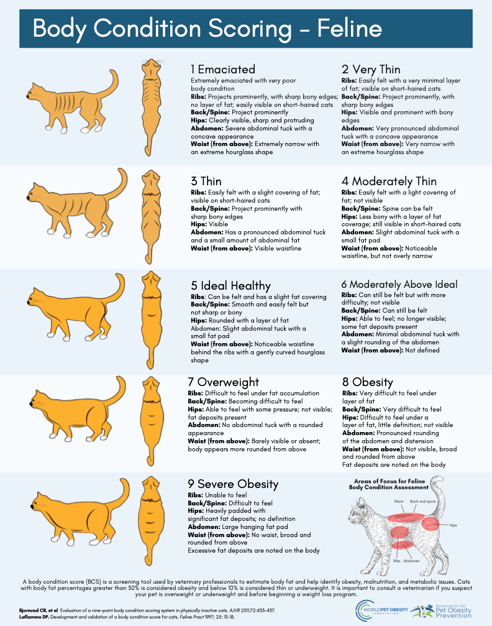
Physical signs are often easier to spot but can still be subtle. Look for weight loss or gain, changes in breathing patterns, or unusual lumps and bumps on their body. These could point to serious problems that need veterinary attention.
- Vomiting or diarrhea lasting more than a day
- Difficulty jumping or moving around
- Swelling or redness in the eyes or mouth
- Changes in litter box habits, like straining or frequent urination
Have you noticed any of these signs in your cat recently? Sometimes, sharing your observations with your vet can uncover hidden issues early, giving your furry friend the best chance to stay healthy longer.

Credit: www.reddit.com
Preventive Measures To Slow Decline
Preventive measures play a key role in slowing a cat’s health decline. Early actions can keep cats healthier for longer. These steps focus on regular health monitoring, good nutrition, and a calm environment.
Regular Vet Checkups
Frequent vet visits catch health issues early. Vets can spot signs that owners might miss. Vaccinations, dental care, and parasite control protect cats. Blood tests and physical exams track changes over time. Early treatment improves quality of life and lifespan.
Balanced Diet And Hydration
A nutritious diet supports strong immunity and energy. Cats need proteins, fats, vitamins, and minerals in the right amounts. Fresh water helps maintain kidney and organ health. Avoid giving too many treats or human food. Special diets may help cats with health problems.
Stress Reduction Techniques
Stress weakens a cat’s immune system and speeds decline. Provide safe spaces where cats feel secure. Regular playtime and gentle petting reduce anxiety. Keep the environment calm and consistent. Use pheromone diffusers or calming sprays if needed.
Frequently Asked Questions
Why Do Cats’ Health Decline So Fast?
Cats’ health can decline quickly due to their sensitive immune systems. Age, hidden illnesses, and stress also speed up health issues. Early symptoms often go unnoticed, making timely treatment difficult. Regular vet checkups help catch problems early and slow down health decline.
What Are Common Signs Of Rapid Health Decline In Cats?
Common signs include sudden weight loss, lethargy, loss of appetite, and changes in behavior. Cats may also hide more and groom less. Recognizing these early signs is crucial for prompt veterinary care, which can improve outcomes and quality of life.
How Can I Prevent Quick Health Decline In My Cat?
Prevent quick decline by providing balanced nutrition, regular vet visits, and stress-free environment. Vaccinations and parasite control are essential. Monitoring behavior and health daily helps catch early problems. Early intervention often improves recovery chances and extends your cat’s healthy years.
Does Age Affect How Fast Cats’ Health Declines?
Yes, older cats’ health declines faster due to weaker immune systems and chronic diseases. Aging increases vulnerability to infections, organ failure, and arthritis. Regular senior cat care and vet checkups can help manage age-related health issues effectively.
Conclusion
Cats’ health can change fast due to many reasons. Age, diet, and illness all play a part. Early care helps catch problems before they grow. Watch your cat’s behavior and habits closely. Regular vet visits keep health issues in check.
A happy, healthy cat needs your attention and love. Taking small steps today protects their tomorrow. Care makes a difference every single day. Keep learning and caring for your furry friend. Their health depends on you more than you think.


Leave a Reply