Have you ever wondered if your cat really needs grooming? You might think cats take care of themselves, but there’s more to it than just a quick lick.
Grooming your cat can keep them healthy, happy, and looking their best. If you want to learn why grooming matters and how it benefits your furry friend, keep reading. This simple step could make a big difference in your cat’s life—and yours too.

Credit: www.latimes.com
Importance Of Grooming Cats
Grooming cats is important for their health and happiness. It helps keep their fur clean and free from tangles. Grooming also allows owners to check for skin problems or parasites early. Regular care supports a cat’s comfort and well-being.
Many cats groom themselves, but they may miss some areas. Owners can help by brushing and cleaning. Grooming strengthens the bond between cats and their owners. It also reduces hairballs and shedding inside the home.
Maintains Healthy Fur And Skin
Brushing removes dirt, loose hair, and dead skin cells. It prevents matting and painful tangles. Grooming distributes natural oils, which keep the fur shiny and soft. Healthy skin reduces the risk of infections and irritations.
Prevents Hairballs
Cats swallow fur while cleaning themselves. This fur can form hairballs in their stomachs. Regular grooming reduces the amount of loose hair. It helps keep hairballs to a minimum, avoiding digestive problems.
Detects Health Issues Early
Grooming time is perfect for checking your cat’s body. Look for bumps, cuts, or fleas. Early detection can prevent bigger health problems. It allows quick treatment and better recovery.
Strengthens The Human-cat Bond
Grooming sessions create trust and comfort. Cats enjoy the gentle touch and attention. This time improves communication and reduces stress. It builds a stronger relationship between you and your cat.
Signs Your Cat Needs Grooming
Recognizing when your cat needs grooming is crucial to keeping them comfortable and healthy. Cats often hide discomfort, so spotting the signs early can save you from bigger problems later. Pay close attention to changes in their coat, behavior, and overall appearance.
Unkempt Or Matted Fur
If you notice your cat’s fur looking tangled or clumped, it’s a clear sign they need grooming. Matted fur can cause pain and skin irritation, which your cat will try to hide. Regular brushing helps prevent mats and keeps their coat shiny and healthy.
Excessive Shedding
Shedding is normal, but if your cat is losing more hair than usual, it might be time for grooming. Brushing helps remove loose fur and reduces the amount of hair left around your home. It also stimulates the skin and distributes natural oils evenly.
Visible Dirt Or Debris
When your cat’s coat looks dirty or has bits of leaves, dust, or food stuck in it, grooming is necessary. Cats usually keep themselves clean, so persistent dirt means they might struggle with grooming. Cleaning their fur can prevent infections and discomfort.
Dry, Flaky Skin Or Dandruff
Flakes or dandruff on your cat’s coat suggest dry skin or underlying health issues. Regular grooming can help spread natural oils and improve skin condition. If dandruff persists, consult your vet to rule out allergies or parasites.
Strong Odor
A noticeable odor coming from your cat’s coat often indicates poor grooming or a skin problem. Cats generally smell clean, so a bad smell should not be ignored. Grooming can freshen their coat and help you spot any sores or infections.
Excessive Scratching Or Biting
If your cat is scratching or biting their fur more than usual, it might mean they are uncomfortable. Grooming can remove irritants like fleas or dirt causing this behavior. Watch closely to catch any signs of skin issues early.
Clumps Of Hair Around The Home
Finding large clumps of hair on your furniture or floor signals your cat may need more frequent grooming. This can indicate they are shedding excessively or not grooming themselves well. Increasing brushing sessions can reduce hairballs and keep your home cleaner.
Grooming Tools For Cats
Grooming tools make caring for your cat easier and more effective. Each tool has a special role in keeping your cat clean and comfortable. Using the right tools helps maintain healthy fur, skin, and nails. It also reduces hairballs and mats in long-haired cats.
Brushes And Combs
Brushes and combs remove loose fur and prevent tangles. Short-haired cats benefit from soft-bristle brushes. Long-haired cats need wide-toothed combs for detangling. Brushing also helps spread natural oils, making fur shiny. Regular brushing lowers shedding around your home.
Nail Clippers
Nail clippers keep your cat’s claws at a safe length. Overgrown nails can cause pain and damage furniture. Use clippers made for pets to avoid splitting nails. Trim nails carefully to avoid the quick, which is sensitive. Regular clipping protects your cat and your belongings.
Shampoos And Wipes
Shampoos specially made for cats clean their fur gently. Use shampoo only when your cat is very dirty or smelly. Wipes offer a quick way to clean paws and face. They are useful for cats that dislike baths. Choose unscented, hypoallergenic wipes for sensitive skin.
How Often To Groom Your Cat
Cats need grooming to keep their fur clean and healthy. Short-haired cats may only need brushing once a week, while long-haired cats require daily care. Regular grooming helps reduce shedding and prevents hairballs.
Grooming your cat is more than just a beauty ritual; it’s a key component of their health and happiness. But how often should you groom your feline friend? The frequency of grooming depends on various factors including your cat’s breed, age, and even their lifestyle. Whether your cat is a sleek short-haired tabby or a fluffy Persian, understanding their grooming needs is essential.Short-haired Cats
Short-haired cats are typically low-maintenance when it comes to grooming. A weekly brushing is usually sufficient to keep their coats in top condition. Regular brushing helps reduce shedding and minimizes hairballs, which can be a win-win for you and your cat.Long-haired Cats
For long-haired cats, grooming is more frequent and crucial. Aim to brush them at least every other day. This prevents tangles and mats, which can be uncomfortable and may lead to skin issues. My Persian cat, Luna, absolutely loves her grooming sessions and it’s become a bonding time for us.Kitten Grooming
Kittens might not require extensive grooming but it’s a good idea to start early. Introduce them to the brush with short, gentle sessions a few times a week. This not only helps them get used to the process but also reduces shedding as they grow.Older Cats
As cats age, they might need more assistance with grooming. Arthritis or obesity can make self-grooming difficult. Consider increasing the frequency of your grooming sessions to ensure their coat remains healthy.Seasonal Changes
Grooming needs can change with the seasons. During spring and fall, when cats shed more, you might need to brush them more often. Pay attention to your cat’s coat and adjust the grooming schedule accordingly.Special Considerations
Does your cat spend time outdoors? Outdoor cats may require more frequent grooming to remove dirt and debris. Also, if your cat has any skin conditions or allergies, consult your vet for a tailored grooming routine. Engaging with your cat through grooming not only keeps them looking and feeling good but also strengthens your bond. How does your cat react to grooming?Step-by-step Grooming Process
Grooming your cat is more than just a beauty routine; it’s essential for their health and happiness. Many cat owners overlook how important regular grooming can be, but it helps prevent problems like matting, infections, and discomfort. Let’s break down the grooming process into simple, manageable tasks you can do at home.
Brushing The Fur
Brushing your cat’s fur removes loose hair and dirt, reducing shedding and hairballs. Use a brush suited for your cat’s coat type—slicker brushes work well for long-haired cats, while rubber brushes are great for short-haired breeds.
Brush gently in the direction of hair growth. Notice how your cat responds—if they seem relaxed, you’re doing it right. If they resist, try shorter sessions and gradually increase the time.
Trimming The Nails
Keeping your cat’s nails trimmed prevents scratches and damage to furniture. Use a pair of cat-specific nail clippers, and be careful to avoid the quick, the pink area inside the nail that contains nerves and blood vessels.
If your cat is nervous, try trimming just one or two nails at a time. Reward them with treats to make the experience positive. Have styptic powder on hand in case of accidental cuts.
Cleaning The Ears And Eyes
Regularly check your cat’s ears and eyes for dirt, wax buildup, or signs of infection like redness or discharge. Use a damp cotton ball or a soft cloth for cleaning—never insert anything deep into the ear canal.
Wipe gently around the eyes if you notice tear stains or debris. If you see persistent redness or swelling, consult your vet promptly to avoid complications.
Bathing Tips
Many cats groom themselves, so frequent baths aren’t necessary unless they get into something sticky or dirty. When bathing, use lukewarm water and a shampoo formulated specifically for cats.
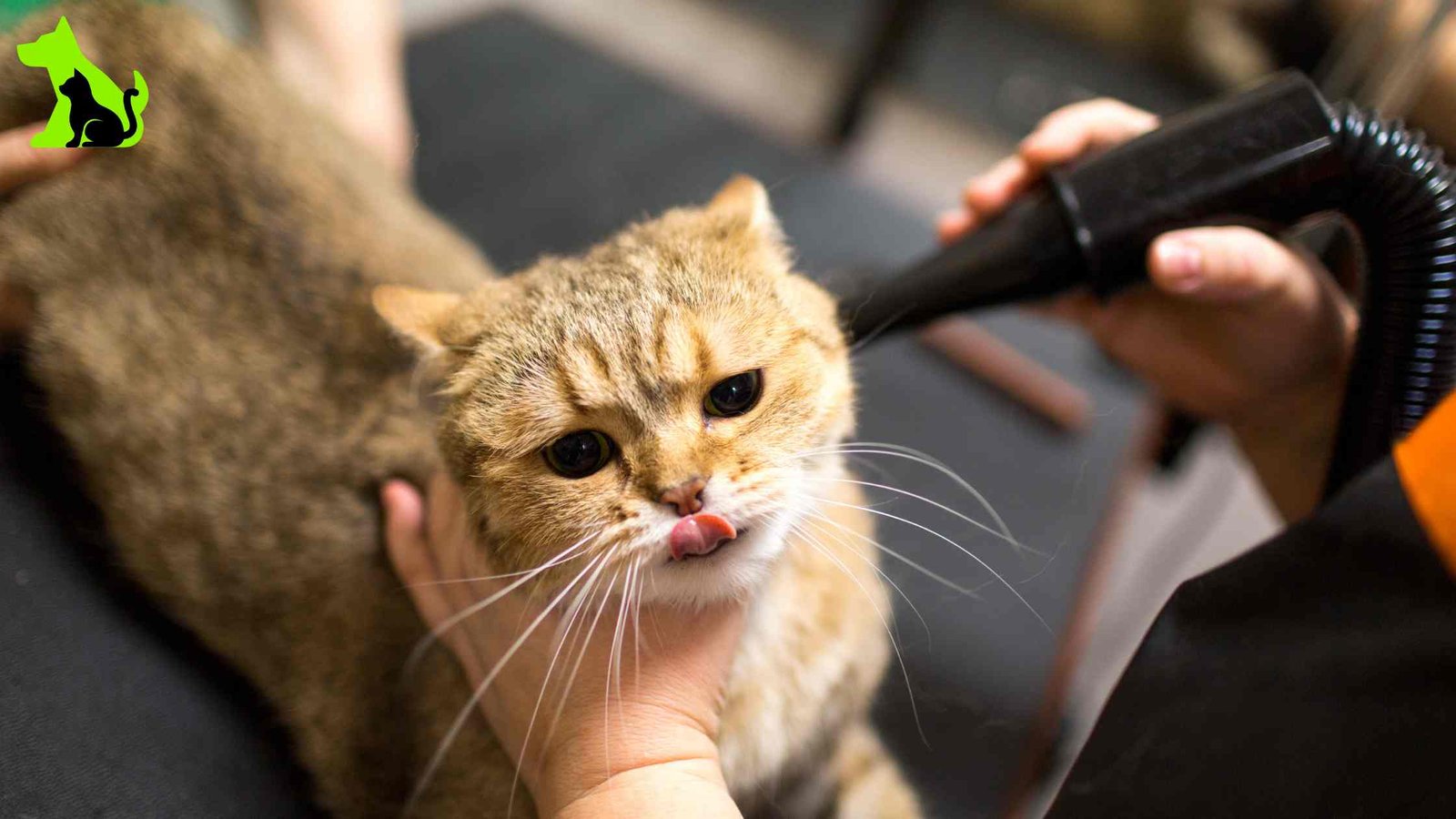
Keep the experience calm by speaking softly and moving slowly. Rinse thoroughly to remove all soap, and dry your cat with a towel or a low-heat hairdryer if they tolerate it.

Credit: www.latimes.com
Grooming Long-haired Vs Short-haired Cats
Grooming is an essential part of caring for your cat, but the needs vary greatly between long-haired and short-haired breeds. Understanding these differences helps you keep your feline friend comfortable and healthy. Let’s look at what makes grooming each type unique and how you can tailor your routine to their coat.
Long-haired Cats Require More Frequent Brushing
Long-haired cats have thick, dense fur that easily tangles and mats. Brushing them daily prevents knots and reduces shedding around your home.
I once had a Maine Coon whose fur would form mats within days if I skipped brushing. Regular grooming not only kept her coat shiny but also stopped painful matting from developing.
Using a wide-toothed comb or a slicker brush works best to gently remove loose hair and detangle. Consistency is key to avoid stress during grooming sessions.
Short-haired Cats Need Less Intensive Grooming
Short-haired cats have sleek coats that don’t mat as easily. Brushing once or twice a week is usually enough to remove loose hairs and distribute natural oils.
Even though their grooming needs are lighter, regular brushing helps you spot skin issues early and strengthens your bond. Try using a rubber grooming glove for a quick and gentle experience.
Have you noticed how your short-haired cat enjoys a quick brush? This low-maintenance routine keeps their coat healthy without overwhelming you.
Special Considerations For Both Coat Types
- Bathing:Most cats groom themselves well, but occasional baths help especially with long-haired cats prone to dirt buildup.
- Shedding:Long-haired cats tend to shed more visibly, so increasing grooming during seasonal changes is helpful.
- Health Checks:Grooming time is perfect for checking your cat’s skin for lumps, bumps, or parasites, regardless of coat length.
What grooming routines have you found effective for your cat’s coat type? Sharing tips can help others keep their cats happy and clean.
Dealing With Grooming Challenges
Grooming your cat can sometimes feel like a tricky task. Cats are known for their independence, but that doesn’t mean they always enjoy being groomed. Challenges like aggressive behavior, sensitive skin, and stress can make grooming harder for both you and your furry friend. Understanding these hurdles helps you find better ways to keep your cat comfortable and clean.
Handling Aggressive Behavior
Some cats react aggressively during grooming because they feel threatened or uncomfortable. If your cat hisses, scratches, or bites, try to stay calm and patient. Use slow, gentle movements and avoid forcing your cat into grooming sessions.
Try breaking grooming into short sessions of just a few minutes. Reward your cat with treats or gentle praise after each session to build positive associations. Have you noticed if certain areas trigger your cat’s aggression? Focusing on less sensitive spots first can help ease tension.
Managing Sensitive Skin
Cats with sensitive skin need extra care during grooming to avoid irritation. Use a soft brush designed specifically for delicate fur and avoid over-brushing. Check your cat’s skin regularly for redness, bumps, or dryness.
If your cat has skin issues, consult your vet about suitable grooming products. Sometimes, a mild, hypoallergenic shampoo is necessary, but always test new products on a small area first. Do you know which grooming tools work best for your cat’s skin type?
Avoiding Stress
Stress can make grooming a nightmare for both you and your cat. Create a calm environment by grooming in a quiet room with minimal distractions. Talking softly and moving slowly can help your cat feel more secure.
Consider playing soothing music or using pheromone sprays designed for cats to reduce anxiety. If your cat resists grooming, try scheduling sessions when they’re naturally more relaxed, like after a nap. Have you tried changing the time or place of grooming to see if your cat responds better?
Benefits Of Regular Grooming
Regular grooming offers many benefits for cats. It helps keep their coat healthy and shiny. Grooming also reduces hairballs and skin problems. It creates a strong bond between you and your cat. Daily brushing keeps dirt and loose fur under control. Cats feel more comfortable and relaxed after grooming.
Improves Coat Health
Brushing removes dirt, dead hair, and debris. It spreads natural oils across the fur. This process keeps the coat soft and shiny. Grooming prevents matting and tangles. A healthy coat means less shedding around the home.
Reduces Hairballs
Grooming cuts down on the amount of loose fur cats swallow. Hairballs can cause discomfort and digestive issues. Regular brushing lowers the chances of hairball formation. It helps your cat stay healthier and happier.
Prevents Skin Issues
Grooming allows you to check your cat’s skin regularly. You can spot fleas, ticks, or infections early. Brushing removes dead skin cells and promotes circulation. Healthy skin means fewer sores and less itching.
Strengthens The Bond
Time spent grooming builds trust and affection. Cats enjoy the gentle touch and attention. Grooming sessions become a quiet, comforting routine. This strengthens your connection and reduces stress.
Supports Overall Health
Grooming helps you notice changes in your cat’s body. Swelling, lumps, or wounds can be spotted quickly. Early detection allows for prompt veterinary care. Healthy cats live longer and feel better every day.
When To Seek Professional Grooming
Cats with long fur or skin problems often benefit from professional grooming. Regular grooming helps prevent mats and keeps their coat healthy. Seek help if your cat struggles to clean itself or shows signs of discomfort.
When your cat needs professional grooming, timing matters. Cats usually groom themselves. But sometimes, professional help is essential. Knowing when to consult a groomer saves time and stress. Here are some clear signs and situations to consider.Matting And Tangling
Cats with long or thick fur can get mats. These tangled clumps are tough. Regular brushing helps, but some mats need expert care. A groomer can safely remove them. This prevents skin issues or discomfort.Shedding Season
Shedding can overwhelm some cat owners. During peak shedding times, fur is everywhere. A professional groomer reduces loose fur. This keeps your home cleaner and your cat comfortable.Health Concerns
Certain health issues need special grooming. Cats with arthritis or obesity may struggle to groom themselves. A professional can assist. Groomers check for lumps, bumps, or skin problems. Early detection aids in prompt treatment.Behavioral Challenges
Some cats dislike being groomed. They may hiss, scratch, or bite. Professional groomers handle difficult cats with care. They have the skills to calm and groom them without stress.Breed-specific Needs
Different breeds have unique grooming needs. Persians need frequent grooming to avoid mats. Sphynx cats need regular skin cleaning. A groomer knows how to manage specific breeds.Preparing For Shows
Show cats require special grooming. Their appearance must be flawless. Professional grooming enhances their look. It ensures they meet show standards. By recognizing these signs, you keep your cat healthy and happy. Professional grooming is a valuable tool for cat care.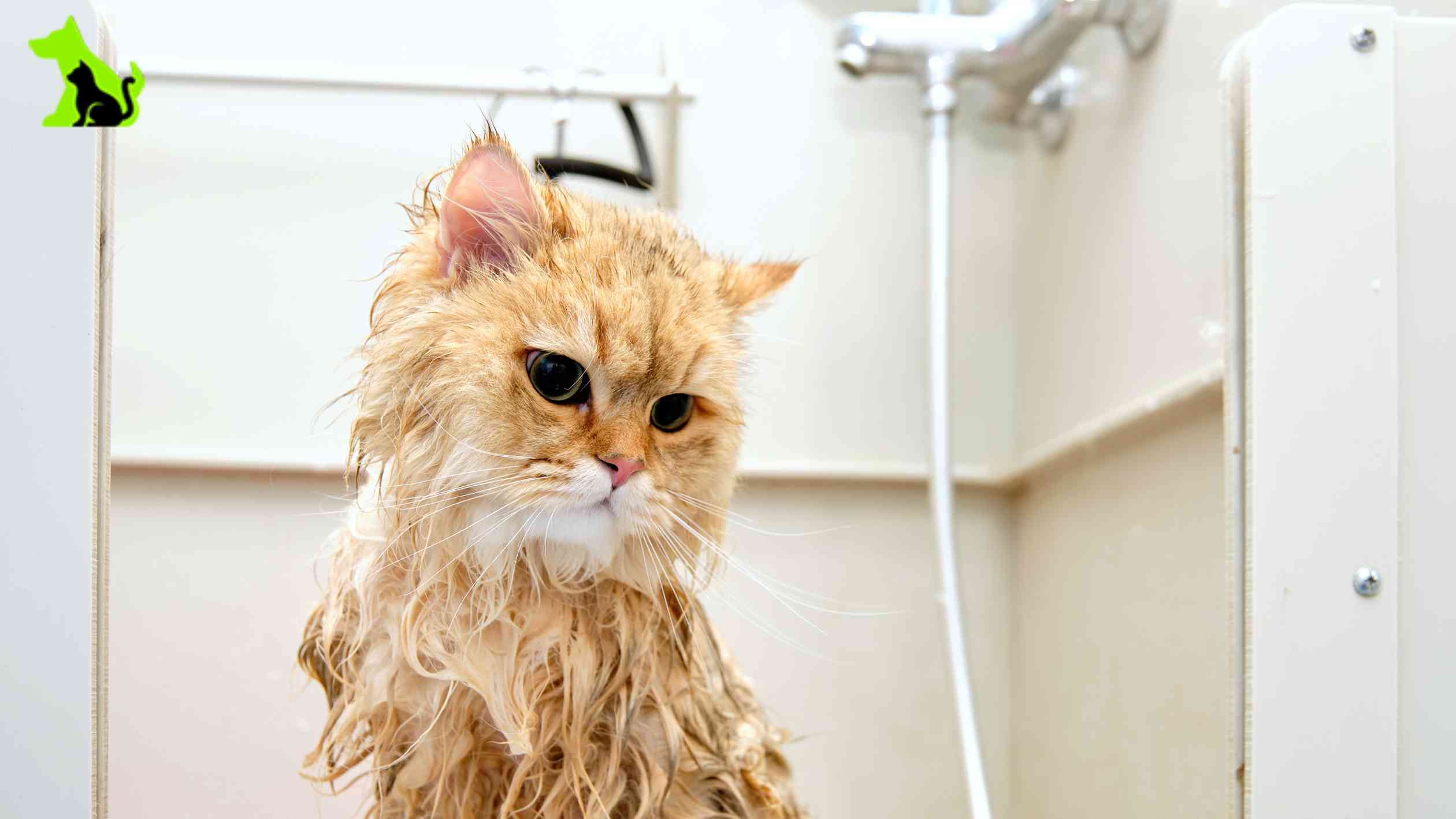
Credit: hellopetsinc.com
Frequently Asked Questions
Does Every Cat Need Regular Grooming?
Yes, all cats benefit from regular grooming. It helps reduce hairballs, prevents matting, and keeps their coat healthy. Grooming also allows you to check for skin issues or parasites early.
How Often Should I Groom My Cat?
Grooming frequency depends on your cat’s coat type. Short-haired cats need weekly brushing, while long-haired breeds require daily grooming to prevent tangles and mats.
Can Grooming Improve My Cat’s Health?
Absolutely. Grooming stimulates blood circulation, removes dead hair, and reduces shedding. It also helps detect health problems like skin infections or parasites early.
Is Grooming Necessary For Indoor Cats?
Yes, indoor cats still shed and produce oils on their skin. Regular grooming helps keep their coat clean and reduces allergens in your home.
Conclusion
Cats need grooming to stay healthy and clean. Regular brushing helps remove loose fur and dirt. It also prevents hairballs and skin problems. Short-haired cats need less grooming than long-haired ones. Grooming time can strengthen your bond with your cat.
It keeps their coat shiny and soft. Don’t forget to check their nails and ears. A little care goes a long way. Keep your cat comfortable and happy through grooming. Simple steps make a big difference in their well-being.


Leave a Reply