Are you wondering if you can give your 12-week-old kitten adult wet food? It’s a common question for many cat owners who want to make the best choices for their furry friend.
Feeding the right food at the right time is crucial for your kitten’s growth and health. You’ll discover why age matters when choosing wet food, what to look for in kitten nutrition, and how to make the best decision for your little companion.
Keep reading to ensure your kitten gets the perfect start in life.
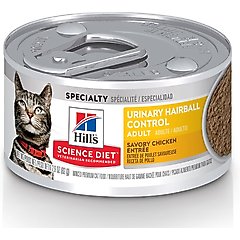
Credit: www.petmd.com
Nutritional Needs Of 12-week-old Kittens
At 12 weeks old, kittens grow fast and need special food. Their bodies require more energy and nutrients than adult cats. Wet food can be a good option, but it must meet their unique needs. Understanding these needs helps you choose the right diet to keep your kitten healthy and strong.
Growth Requirements
Kittens at this age double their weight every week. They need extra calories for muscles and bones to develop properly. Their digestive systems are still maturing, so food must be easy to digest. Wet food helps keep them hydrated and supports healthy growth.
Frequent meals are important. Kittens should eat small portions multiple times a day. This supports their fast metabolism and energy levels. Balanced meals help prevent weight problems and nutrient gaps.
Essential Nutrients For Kittens
Kittens require proteins, fats, vitamins, and minerals in higher amounts. Proteins build muscles and repair tissues. Fats provide energy and help brain development. Vitamins like A, D, and E support vision, bone health, and immunity.
Calcium and phosphorus are vital for strong bones and teeth. Taurine, an amino acid, is crucial for heart and eye health. Wet food formulated for kittens usually contains these nutrients in the right balance.
- High protein content (around 30-40%)
- Moderate fat levels (around 15-20%)
- Added taurine for heart health
- Vitamins A, D, E, and B-complex
- Essential minerals like calcium and phosphorus
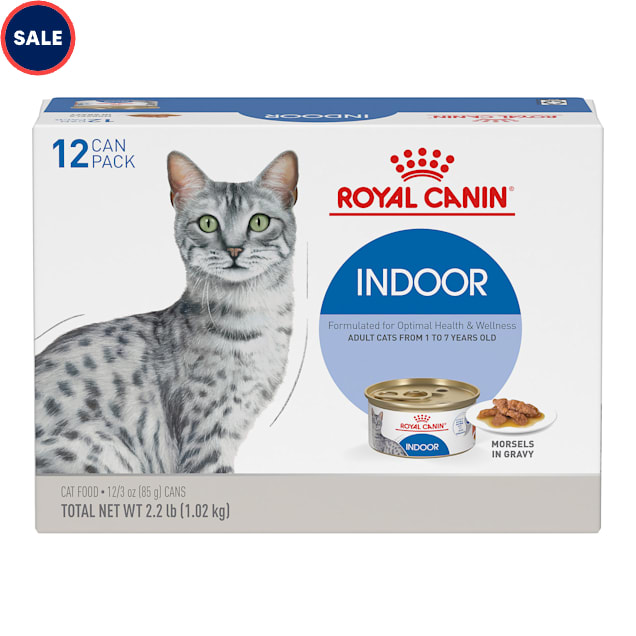
Credit: www.petco.com
Differences Between Kitten And Adult Wet Food
Kitten wet food and adult wet food differ in many ways. These differences help meet the unique needs of growing kittens and mature cats. Choosing the right food supports health and development at every life stage.
Calorie Content
Kitten wet food contains more calories than adult food. Kittens need extra energy for growth and play. Adult wet food has fewer calories to maintain a healthy weight. Feeding adult food to kittens can slow their growth.
Protein And Fat Levels
Kittens require higher protein and fat levels in their diet. Protein helps build muscles and strong bones. Fat supplies energy and supports brain development. Adult wet food has lower protein and fat, suited for less active cats.
Vitamin And Mineral Profiles
Kitten food includes more vitamins and minerals for healthy growth. Important nutrients like calcium and phosphorus help bone development. Adult food balances nutrients to support maintenance and prevent obesity. Feeding adult food to kittens may cause nutrient gaps.
Risks Of Feeding Adult Wet Food To Young Kittens
Feeding adult wet food to a 12-week-old kitten may cause digestive issues due to different nutrient needs. Young kittens require food specially made for growth and development. Adult formulas might lack essential vitamins and minerals needed at this stage.
Feeding your young kitten adult wet food might seem convenient, but it could pose several risks. Kittens have specific dietary needs that differ from adult cats. Understanding these risks can help you make informed choices for your furry friend.Potential Nutritional Deficiencies
Kittens require a higher concentration of proteins and fats to fuel their rapid growth. Adult wet food often lacks these essential nutrients. Feeding your kitten adult food could lead to deficiencies that stunt their development. A balanced diet ensures your kitten grows into a healthy adult cat. Consider how your own nutrition impacts your wellbeing. Would you thrive on a diet meant for a different life stage?Digestive Concerns
Young kittens have sensitive digestive systems. Adult wet food might be too rich or heavy for their developing stomachs. This could lead to digestive issues such as diarrhea or vomiting. Imagine giving a toddler a steak dinner. It might not sit well, right? The same principle applies to kittens and adult cat food. Providing age-appropriate food can help maintain their digestive health. Caring for a kitten is a rewarding experience. Making the right dietary choices now can set the foundation for a long, healthy life. Are you ready to give your kitten the best start possible?When To Transition To Adult Cat Food
Knowing the right time to switch your kitten to adult cat food is important. Feeding adult food too early can cause nutrition problems. Waiting too long may slow growth or cause weight gain. Watch your kitten closely to decide the best time for the change.
Signs Your Kitten Is Ready
- Your kitten eats less frequently and less messily.
- They show interest in your food or adult cat food.
- Teeth are fully grown and strong for chewing.
- Energy levels stabilize and play becomes less hyperactive.
- Weight gain slows and growth starts to plateau.
Recommended Age And Weight
Kittens usually move to adult food between 9 to 12 months old. At this age, their growth rate slows down.
Most cats reach about 80% of their adult weight by 9 months.
Check your kitten’s weight against breed standards to guide the change.
Consult your vet if you are unsure about timing the switch.
Tips For Introducing New Food To Kittens
Introducing new food to kittens requires care and patience. Sudden changes can upset their small stomachs. Gradually switching foods helps kittens adjust smoothly. Watch their behavior and digestion closely during the change.
Gradual Transition Strategies
Start by mixing a small amount of new food with the old. Increase the new food portion slowly over 7 to 10 days. This gentle change reduces the risk of digestive problems. Keep the feeding schedule consistent to avoid confusion. Use wet food that suits their age and nutritional needs.
- Mix 25% new food with 75% old food on the first day.
- Change to 50% new and 50% old food by day four.
- Move to 75% new and 25% old food around day seven.
- Feed only the new food after day ten.
Monitoring For Adverse Reactions
Observe your kitten for any signs of discomfort or illness. Look for vomiting, diarrhea, or loss of appetite. Check their energy levels and overall mood daily. Stop the new food if problems appear and consult a vet. Keep a food diary to track changes and reactions.
Expert Recommendations On Kitten Feeding
Feeding your 12-week-old kitten the right food is crucial for healthy growth and development. Experts emphasize the importance of choosing the correct diet during this delicate stage. Understanding their specific nutritional needs can help you avoid common feeding mistakes and support your kitten’s well-being.
Veterinarian Insights
Veterinarians often advise sticking to kitten-specific food until your cat reaches about one year old. Kitten formulas contain higher protein, fat, and essential nutrients tailored for rapid growth. Switching too early to adult wet food can lead to nutritional gaps and slower development.
One vet shared that a kitten fed adult food too soon showed less energy and slower weight gain. This highlights why you should follow your vet’s guidance closely. They may suggest gradually introducing adult food only after your kitten’s growth plateaus.
Trusted Brands And Formulas
Choosing a reputable brand ensures your kitten gets balanced nutrition. Look for products labeled “complete and balanced” for kittens, which meet AAFCO standards. Brands like Royal Canin, Hill’s Science Diet, and Blue Buffalo offer kitten wet foods with the right nutrients.
- Check ingredient lists for high-quality proteins like chicken or fish.
- Avoid foods with excessive fillers or artificial additives.
- Consider formulas with DHA, which supports brain and eye development.
Have you noticed how your kitten reacts to different foods? Sometimes, the best formula is the one your kitten enjoys and digests well. Don’t hesitate to consult your vet if you’re unsure about switching foods or brands.
Alternatives To Adult Wet Food For Kittens
Choosing the right diet for your 12-week-old kitten is crucial for healthy growth and development. While adult wet food might seem convenient, there are better alternatives designed specifically for kittens. These options ensure your little feline gets the right nutrients without compromising their health.
Specialized Kitten Wet Food Options
Kitten wet food is formulated to meet the unique needs of growing cats. It contains higher protein levels and essential vitamins that support brain and bone development. Brands like Royal Canin, Hill’s Science Diet, and Blue Buffalo offer kitten-specific wet food that balances taste and nutrition.
Have you noticed how kittens prefer softer textures? Kitten wet food is softer and easier for them to chew, especially during teething. This can make mealtime less stressful for both you and your cat.
Look for labels that mention “complete and balanced for kittens.” This ensures the food meets AAFCO standards for kitten nutrition. Feeding your kitten this food can help avoid issues like stunted growth or nutritional deficiencies.
Homemade Diet Considerations
Some pet owners prefer making homemade meals to control ingredients. If you want to try this, make sure to consult a vet or pet nutritionist first. Kittens need a precise balance of protein, fat, calcium, and other nutrients to thrive.
Simple recipes often include cooked chicken, turkey, or fish mixed with kitten-safe vegetables. Avoid onions, garlic, and anything toxic to cats. Adding a supplement like taurine is essential since homemade meals often lack it.
Have you considered the time and effort homemade diets require? Preparing fresh meals daily can be rewarding but demands commitment. If you choose this path, monitor your kitten’s health closely and adjust the diet as needed.
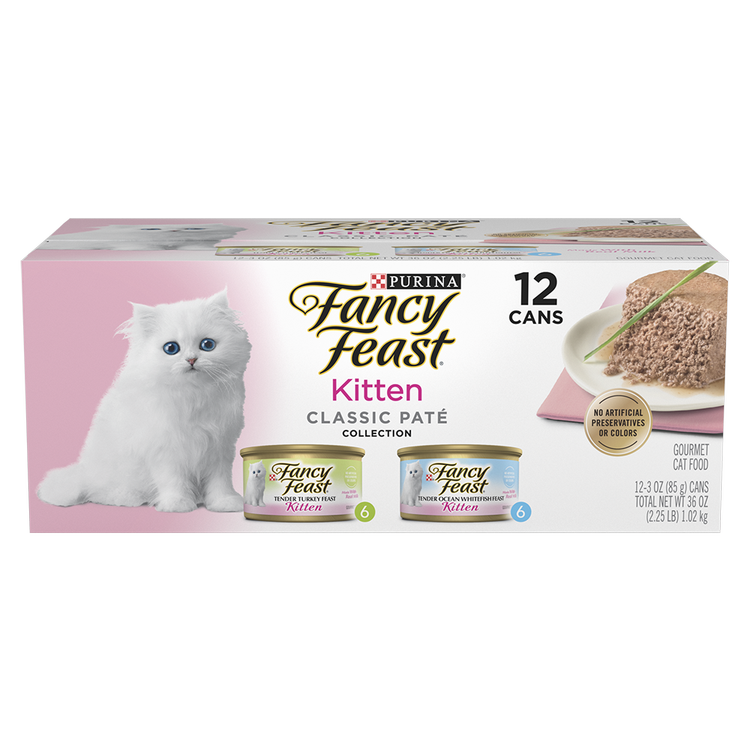
Credit: www.purina.com
Frequently Asked Questions
Can 12 Week Old Cats Eat Adult Wet Food?
Yes, 12 week old cats can eat adult wet food, but kitten formulas are better. Kitten food supports growth with extra nutrients and calories essential at this age.
When Should I Switch My Kitten To Adult Cat Food?
Most kittens transition to adult food around 12 months old. Consult your vet for personalized advice. Gradually mix adult food with kitten food during the switch.
Is Adult Wet Food Safe For Young Kittens?
Adult wet food is generally safe but may lack essential nutrients for kittens. Choose kitten-specific wet food to ensure proper growth and development.
How To Introduce Adult Wet Food To A 12 Week Old Kitten?
Introduce adult wet food gradually by mixing it with kitten food. Increase the adult food portion over 7-10 days to avoid digestive upset.
Conclusion
Feeding a 12-week-old kitten adult wet food is not ideal. Kittens need extra nutrients to grow strong and healthy. Adult food may lack important vitamins and minerals. Stick to kitten-specific wet food for best results. Watch your kitten’s health and energy levels closely.
Consult a vet if unsure about diet changes. Proper nutrition supports their development and happiness. Always choose food made for their age group. This helps your kitten grow into a healthy cat. Keep their diet balanced and age-appropriate. Your kitten will thank you with a bright, playful spirit.



Leave a Reply