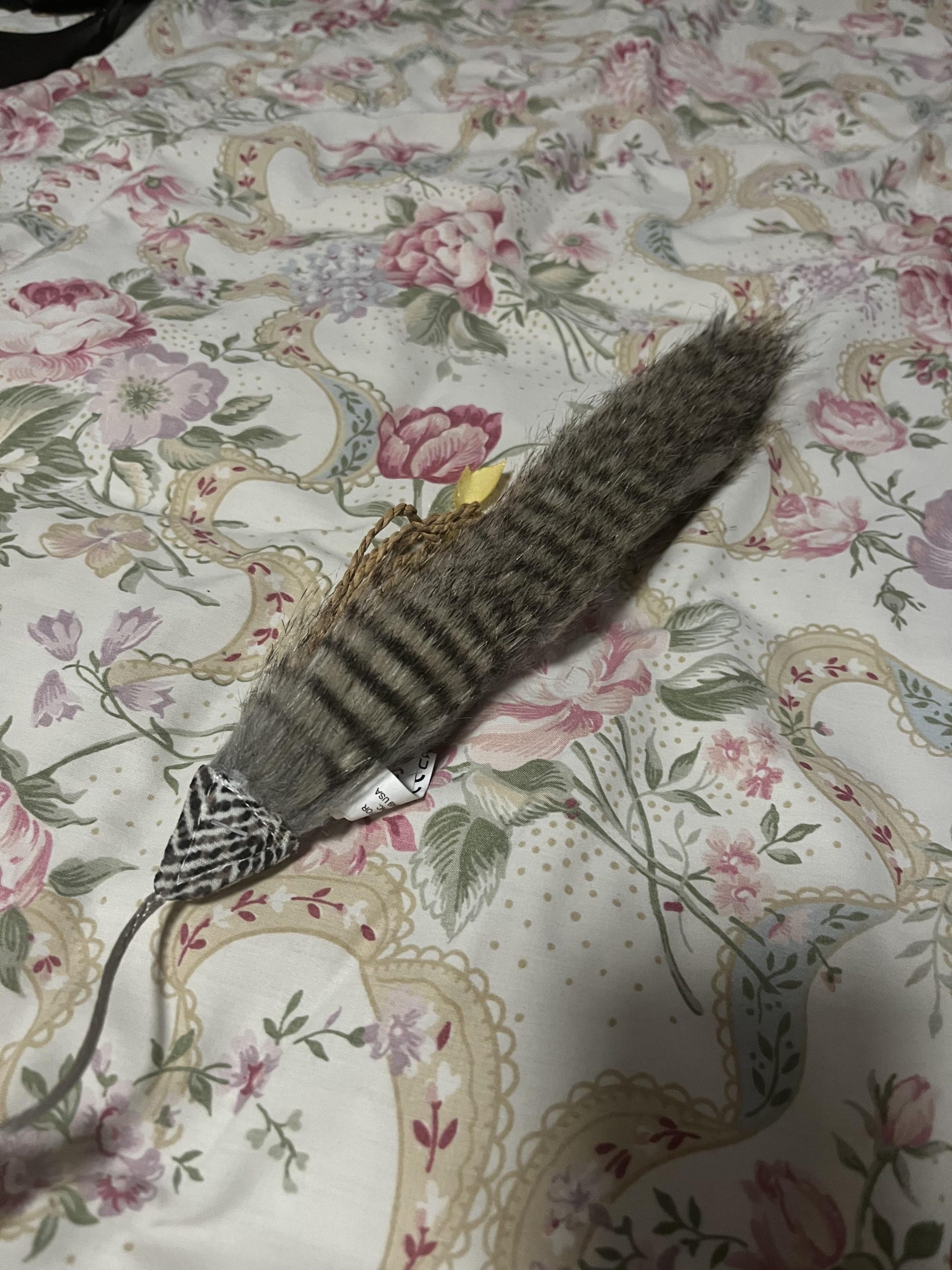
Have you ever noticed your cat suddenly hissing at a simple toy? It can be confusing and even a little worrying.
You might wonder, why would a playful object make your furry friend act so defensively? Understanding this strange behavior can help you connect better with your cat and keep playtime fun and stress-free. Keep reading to discover the surprising reasons behind your cat’s hiss and how you can turn those tense moments into happy ones.
Cat Hissing Basics
Cats use hissing as a clear way to share their feelings. It is one of their most common sounds when they feel uneasy or threatened. Understanding why cats hiss helps pet owners create a calm environment for them.
Hissing is not just a random noise. It has meaning and tells us about a cat’s mood and intentions. Recognizing these signs can improve how you interact with your cat, especially during playtime with toys.
What Hissing Means
Hissing is a cat’s warning signal. It means the cat feels scared, angry, or stressed. The sound tells others to back off and stop what they are doing.
Sometimes, hissing shows a cat’s discomfort or pain. It is not always about aggression. It can also be about protecting personal space or avoiding danger.
When Cats Usually Hiss
- When they meet a new animal or person
- During sudden loud noises or movements
- When they feel threatened or cornered
- While playing with toys that seem too real or scary
- If they are in pain or feeling sick
Understanding these moments helps avoid stress for your cat. Observing their behavior around toys can prevent hissing episodes.
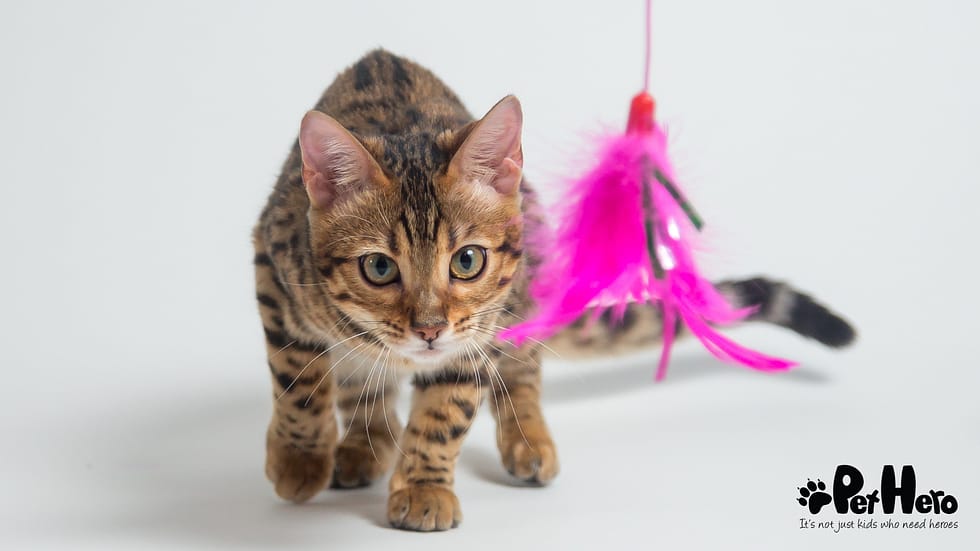
Credit: pethero.co.za
Toys Triggering Hissing
Cats often hiss at toys due to their natural instincts and feelings. Toys can trigger hissing because they seem strange or threatening to cats. Understanding why helps improve playtime and keeps your cat calm.
Unfamiliar Or Strange Toys
Cats may hiss at toys they do not know. New toys have different shapes, colors, or smells. These unfamiliar features can confuse or scare cats. They might react by hissing to show discomfort or fear.
Introducing new toys slowly helps cats adjust better. Let your cat sniff or observe the toy first. This reduces the chance of hissing during play.
Toys Resembling Threats
Some toys look like animals or objects cats see as threats. Toys shaped like snakes, spiders, or other predators can cause fear. The cat’s hissing warns to stay away from the “danger.”
Using toys with gentle shapes and soft textures can prevent this reaction. Choose toys that look safe and friendly to your cat.
Overstimulating Playthings
Fast-moving or noisy toys can overwhelm cats. Flickering lights, loud sounds, or erratic motion cause stress. Hissing is a way to express this overstimulation.
Keep playtime calm and steady. Use quieter and slower toys to avoid scaring your cat. This creates a more enjoyable experience for both.
Emotional Responses To Toys
Cats show many emotions when they play with toys. Their feelings can affect how they react. Sometimes, toys can cause cats to hiss. This happens because toys stir up strong emotions inside them. Understanding these feelings helps us care better for our pets.
Fear And Anxiety
Toys can look strange or move suddenly. This can scare cats. A cat might hiss to warn the toy away. The hissing is a sign of fear. It shows the cat feels unsafe. Some toys may remind cats of real threats. This can increase their anxiety and cause hissing.
Frustration And Aggression
Cats want to catch or control their toys. Sometimes, the toy moves too fast or escapes. This frustrates the cat. Frustration can turn into aggression. Hissing is a way cats show this anger. It helps them express their feelings without hurting others.
Protective Instincts
Cats guard their toys like treasures. They may hiss to protect their possessions. This shows their natural instinct to defend. Hissing warns other pets or people to keep distance. It helps the cat feel safe and in control.
Physical Discomfort Causes
Understanding why your cat hisses at toys often means looking beyond behavior and into possible physical discomfort. Cats communicate their feelings clearly when something hurts or irritates them. Recognizing these signals helps you create a safer and more enjoyable playtime experience for your furry friend.
Pain Or Sensitivity
Cats may hiss if a toy causes pain or touches a sensitive spot. If your cat has arthritis or an injury, even gentle play can be uncomfortable. Have you noticed your cat avoiding certain toys or areas of their body during play? This could be a sign they’re experiencing pain.
Keep an eye out for limping or flinching while playing. If your cat hisses consistently with one toy, check if the size or shape aggravates an injury. Adjusting playtime to gentler toys or consulting a vet can make a big difference.
Toys With Unpleasant Textures
Some toys have textures that cats find irritating or unpleasant. Rough, sticky, or noisy surfaces might trigger a hiss as a warning. Cats have sensitive paws and mouths, so a toy that feels uncomfortable can quickly become unwelcome.
Think about the last time you picked up something that felt weird or unpleasant—did you want to keep holding it? Your cat’s reaction is similar. Offering a variety of toy textures lets you find what your cat enjoys and avoids discomfort.
Overexertion During Play
Play is great exercise, but too much can tire your cat and cause distress. When your cat hisses mid-play, they might be telling you they’ve reached their limit. Overexertion can lead to frustration or physical strain.
Watch your cat’s energy levels closely. Shorter play sessions with plenty of breaks prevent exhaustion and reduce hissing. Have you tried splitting playtime into smaller, more frequent bursts to keep your cat happy and comfortable?
Behavioral Patterns
Cats hiss at toys when they feel threatened or confused by sudden movements. This behavior shows their natural instinct to protect themselves. Sometimes, the toy looks like prey, but the cat isn’t sure if it’s safe.
Cats often hiss at toys, showing their natural instincts. This behavior, though puzzling, ties back to their survival skills. Cats use different behavioral patterns to interact with their environment. Understanding these patterns helps in comprehending why a cat might hiss at a toy.Territorial Reactions
Cats are territorial creatures. They view their space as their own. When a new toy enters their space, it might be seen as a threat. Hissing is a way to assert control. It’s a warning to the toy to stay away. This reaction is instinctive. Cats need to protect their territory from perceived intruders.Past Negative Experiences
A cat might hiss due to past negative experiences. If a toy resembles something that frightened them before, they might react defensively. This response is a self-protection mechanism. Cats remember past scares and try to avoid them. A toy that once startled them can trigger a hiss.Learned Responses
Cats can learn behaviors over time. If hissing at a toy made it disappear once, they might repeat it. This learned response helps them control their environment. Cats are smart and adapt based on outcomes. They remember what works to achieve their goals.How To Calm A Hissing Cat
Calming a cat that hisses at toys takes patience and understanding. The key is to create a safe and positive experience for your cat while introducing new playthings. Let’s look at practical ways to help your cat feel comfortable and reduce hissing during playtime.
Choosing Safe Toys
Pick toys that are soft and free from sharp edges. Cats often hiss because they feel threatened by unfamiliar or aggressive-looking objects.
Try toys that mimic natural prey, like small stuffed mice or feather wands. These are less likely to scare your cat and more likely to encourage gentle curiosity.
Consider the size and texture of the toy. If it’s too big or noisy, your cat might feel overwhelmed. A quiet, lightweight toy can invite exploration instead of defense.
Gradual Introduction Techniques
Introduce new toys slowly. Don’t just toss a new toy at your cat and expect immediate acceptance.
Start by placing the toy near your cat’s favorite resting spot. Let your cat sniff and observe it from a distance.
If your cat hisses, give it some space and try again later. Moving too fast can increase stress and prolong hissing.
Positive Reinforcement
Reward your cat with treats or gentle petting when it shows calm behavior around the toy. This builds a positive association.
Use a calm voice to praise your cat. The sound of your voice can soothe and reassure your pet.
Remember, patience pays off. Celebrate small victories, like your cat approaching the toy without hissing, and keep sessions short and enjoyable.
When To Consult A Vet
Knowing when to consult a vet about your cat’s hissing at toys can make a big difference in your pet’s well-being. Not all hissing means trouble, but some signs suggest your cat might be under stress or facing health issues. Paying close attention to these signs helps you act before problems worsen.
Signs Of Stress Or Illness
If your cat hisses at toys more than usual, watch for other signs like changes in appetite, hiding, or lethargy. These can hint at stress or illness rather than simple play aggression. You might notice your cat grooming less or having trouble moving, which are important clues.
Stress can come from many sources—new pets, changes in the home, or even boredom. If your cat’s behavior shifts suddenly, it’s worth asking yourself: Is something in their environment causing anxiety? A vet can help rule out medical causes and suggest ways to reduce stress.
Persistent Hissing Issues
When hissing happens frequently and doesn’t improve, it’s time to seek professional advice. Persistent hissing might mean pain, discomfort, or a deeper behavioral issue. Ignoring ongoing hissing can lead to more serious behavior problems or worsen your cat’s health.
Have you noticed your cat hissing even when no toys are around? That could signal a broader problem. A vet visit can provide a clear diagnosis and guide you on treatment or behavior modification techniques to help your cat feel safe and relaxed again.
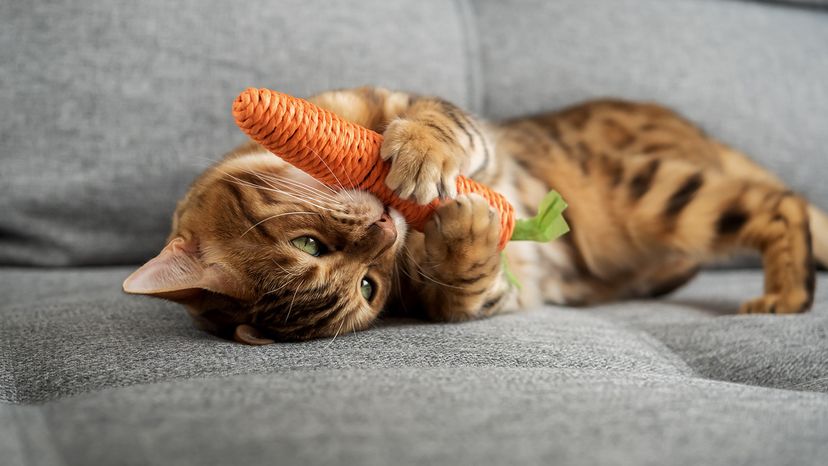
Credit: animals.howstuffworks.com

Credit: www.yahoo.com
Frequently Asked Questions
Why Do Cats Hiss At Their Toys?
Cats hiss at toys when they feel threatened or overstimulated. It’s a natural defense response to perceived danger or frustration during play.
Is Hissing At Toys A Sign Of Aggression?
Hissing at toys is not true aggression. It often shows excitement, fear, or confusion, especially if the toy moves unpredictably.
Can Hissing Mean My Cat Dislikes The Toy?
Yes, hissing can indicate dislike or discomfort with the toy’s texture, smell, or movement. Try different toys to find their preference.
How Can I Stop My Cat From Hissing At Toys?
Use gentle play techniques and choose soft, familiar toys. Avoid sudden movements or loud noises to reduce your cat’s stress and hissing.
Conclusion
Cats hiss at toys to show fear or protect themselves. Sometimes, toys look strange or move too fast. This can surprise or scare your cat. Understanding this helps you choose better toys. Give your cat time to get used to new toys.
Watch their reactions closely during playtime. Calm and gentle play builds trust and fun. Happy cats enjoy toys without feeling scared or stressed. This makes playtime safe and enjoyable for both of you.



Leave a Reply